
 English
 中文简体
中文简体
 русский
 Español
 عربى
عربى
Product Consultation
Your email address will not be published. Required fields are marked *
Biodegradable yarn has gained attention as a more eco-friendly alternative to traditional synthetic yarns, such as polyester or nylon, which can take hundreds of years to decompose. Made from natural fibers or polymers that are designed to break down over time, biodegradable yarns are used in various applications, including textiles, knitting, and crafts. The environmental appeal of these yarns lies in their ability to degrade naturally when exposed to environmental factors, like moisture, heat, and microorganisms. However, a common concern regarding biodegradable materials is whether they release harmful substances or contribute to environmental pollution during the degradation process.
Biodegradable yarn can be made from various natural materials, including cotton, wool, hemp, and silk, as well as synthetic fibers like polylactic acid (PLA), which is derived from plant starches such as corn. The primary difference between biodegradable yarn and traditional synthetic yarn lies in the ability of the material to decompose naturally, rather than persist in the environment for an extended period. Natural fibers like cotton and wool biodegrade relatively quickly when exposed to microorganisms, while synthetic biodegradable materials, such as PLA, break down over a longer period. Each of these materials degrades differently, and the conditions in which they degrade play a significant role in their environmental impact.
Biodegradation is the process by which microorganisms, such as bacteria and fungi, break down organic materials into simpler compounds like carbon dioxide, water, and other natural substances. The time it takes for biodegradable yarn to decompose varies depending on the material used, the environment it is exposed to, and the conditions of degradation. Natural fibers like cotton or wool break down relatively quickly in the presence of moisture and microorganisms, whereas synthetic biodegradable yarns may take longer due to their chemical composition. Factors like temperature, moisture, and exposure to UV light can all affect the speed at which these materials degrade, and thus influence the overall environmental impact.
A key concern about biodegradable yarn is whether harmful substances are released into the environment during its breakdown. While biodegradable materials are generally considered to be safer for the environment than non-biodegradable materials, certain biodegradable yarns—particularly synthetic ones—may release substances that could be harmful. For example, biodegradable synthetic yarns made from polylactic acid (PLA) are derived from plant starches, and while PLA is considered biodegradable, it can still release chemicals during degradation. These chemicals may include lactic acid, a byproduct of the breakdown process, and other organic compounds that could potentially have an impact on soil and water quality. However, studies have shown that PLA’s degradation process does not usually result in the release of toxic substances in concentrations high enough to cause significant environmental harm.
Some biodegradable yarns, especially those made from synthetic polymers, may contain chemical additives to improve properties like strength, color, or resistance to microbes. These additives can affect the way the yarn degrades and may contribute to the release of harmful substances into the environment. For example, certain dyes, flame retardants, or stabilizers used in yarn production can persist in the environment even as the yarn itself breaks down. These substances can potentially leach into soil or water, posing a risk to local ecosystems. It is essential for manufacturers to carefully consider the types of additives used in biodegradable yarn production and ensure they are non-toxic and do not interfere with the overall biodegradation process.
When biodegradable yarns break down in the environment, they are generally considered less harmful than non-biodegradable synthetic fibers, which can persist for decades or centuries. However, the speed and manner in which biodegradable yarns degrade can still have environmental consequences. For example, if biodegradable yarn is discarded in large quantities, its degradation could contribute to soil acidification or nutrient imbalances, especially if it contains high levels of certain chemicals or additives. Additionally, if the yarn is degraded in a landfill without sufficient moisture or oxygen, the process may be slower, potentially causing it to release gases like methane, which is a potent greenhouse gas. In contrast, if biodegradable yarn is disposed of in composting environments with optimal conditions, it can decompose more quickly and contribute to soil health without significant negative effects.
While biodegradable yarns are designed to be more eco-friendly than non-biodegradable synthetic materials, it is important to understand the differences between them in terms of environmental impact. Non-biodegradable yarns, such as those made from polyester or nylon, can persist in the environment for hundreds of years, breaking down into microplastics that contaminate ecosystems and pose threats to wildlife. In contrast, biodegradable yarns are more likely to break down over time, especially when exposed to environmental factors like moisture and microorganisms. However, the degradation process of biodegradable materials may still release substances that could have localized environmental impacts, especially if the yarns are not properly disposed of or if they contain harmful additives.
The way biodegradable yarn is disposed of plays a crucial role in minimizing its environmental impact. If biodegradable yarn is disposed of in a landfill, the lack of oxygen and moisture can slow down the degradation process, leading to the release of methane or other gases. For this reason, it is important to dispose of biodegradable yarn in a way that promotes proper biodegradation. Composting biodegradable yarn in industrial composting facilities or home composting systems can accelerate the breakdown process, ensuring that the yarn decomposes safely and contributes to soil health. However, composting conditions need to be carefully monitored to ensure that the yarn is decomposing efficiently and that any chemical additives are not causing harm.
To address concerns about the environmental impact of biodegradable yarns, several organizations and industry groups have developed standards and certifications for biodegradable products. These standards help ensure that biodegradable yarns meet specific environmental criteria, including the absence of harmful chemicals or additives. For example, certifications like ASTM D6400 and EN 13432 set standards for compostability and biodegradability, requiring that materials break down within a specific time frame without releasing harmful substances into the environment. Manufacturers that comply with these standards can provide consumers with confidence that their biodegradable yarns will degrade safely and effectively, without causing significant environmental pollution.
To further reduce the environmental impact of biodegradable yarn, manufacturers and consumers alike can adopt best practices that prioritize sustainability and minimize waste. One approach is to choose yarns made from natural fibers that are known to degrade quickly and without releasing harmful substances. Cotton, wool, hemp, and other plant-based fibers are examples of materials that break down more naturally and pose minimal environmental risk. Additionally, consumers can ensure that biodegradable yarns are disposed of properly—whether by composting them or by avoiding disposal in landfills where degradation is slower. For manufacturers, reducing the use of toxic chemical additives and focusing on plant-based materials can help improve the biodegradability of their yarns, while minimizing the potential for environmental harm during degradation.
While biodegradable yarn offers a promising alternative to non-biodegradable synthetic fibers, it is important to consider the potential environmental risks associated with its degradation process. In most cases, biodegradable yarns decompose relatively safely and without causing significant harm to the environment. However, factors such as the use of chemical additives, improper disposal, and environmental conditions can influence the degradation process and lead to the release of harmful substances. By choosing biodegradable yarns made from natural fibers, adhering to proper disposal methods, and ensuring that industry standards for biodegradability are met, consumers and manufacturers can help reduce the environmental impact of these products and promote more sustainable practices in the textile industry.
Is nylon mother yarn suitable for high abrasion resistance or high strength applications?
2025-12-11
How is nylon mother yarn different from regular nylon yarn?
2025-12-25Your email address will not be published. Required fields are marked *
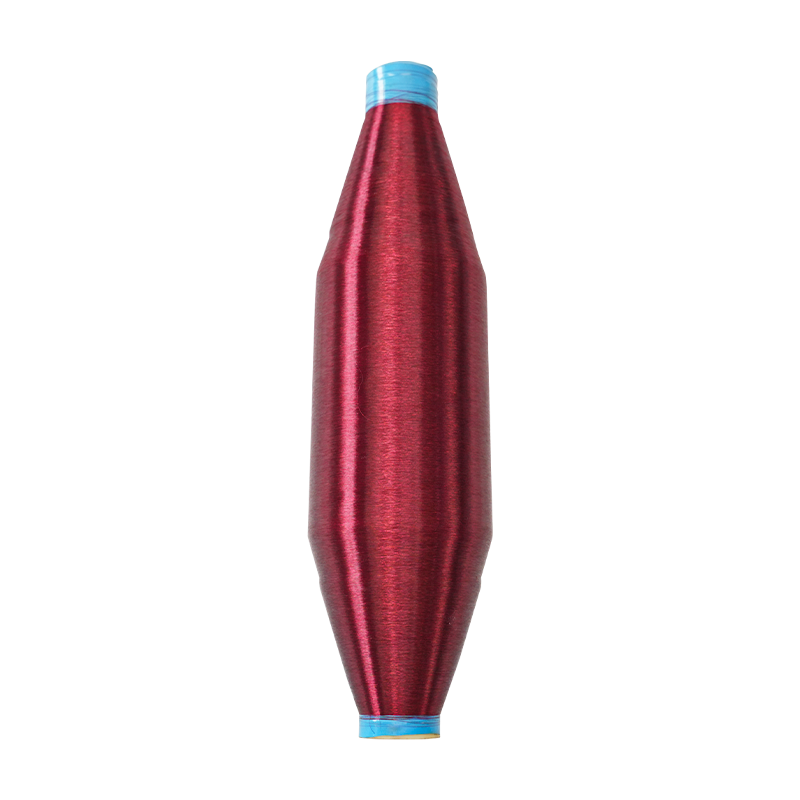
Biodegradable nylon yarn biodegrades faster in the environment than traditional synthetic fibers, helping to reduce negative environmental impacts. It also has the properties of nylon fiber, such as h...
See Details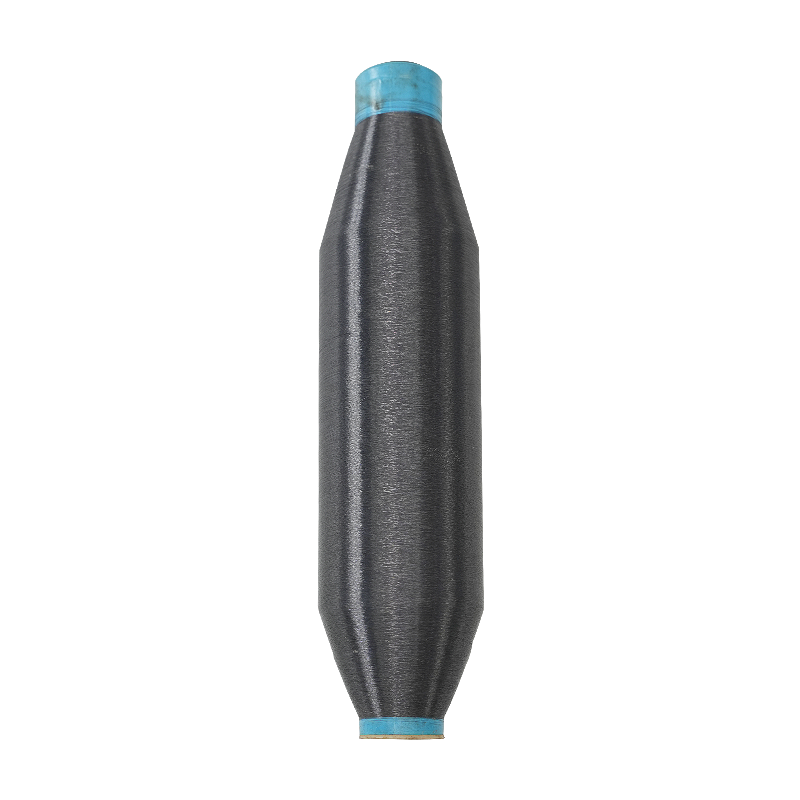
Nylon is a synthetic fiber with good strength and wear resistance, so 40D biodegradable yarn inherits the properties of nylon fiber. It has tensile strength, abrasion resistance and corrosion resistan...
See Details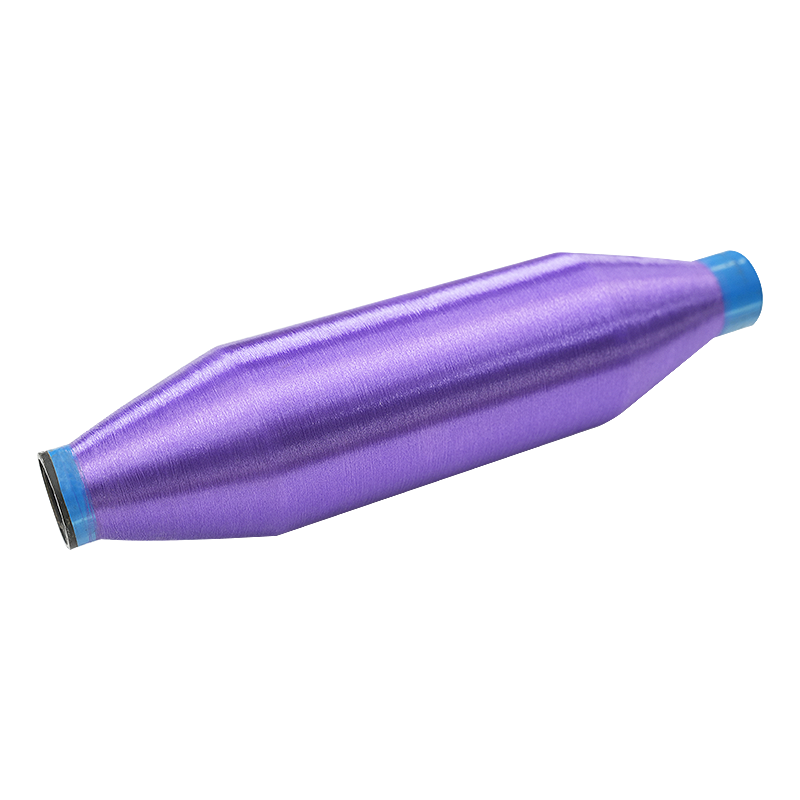
Graphene yarns can be produced by a variety of methods, including chemical vapor deposition (CVD) and wet spinning. In CVD, graphene is grown directly on a substrate, which is then removed to obtain g...
See Details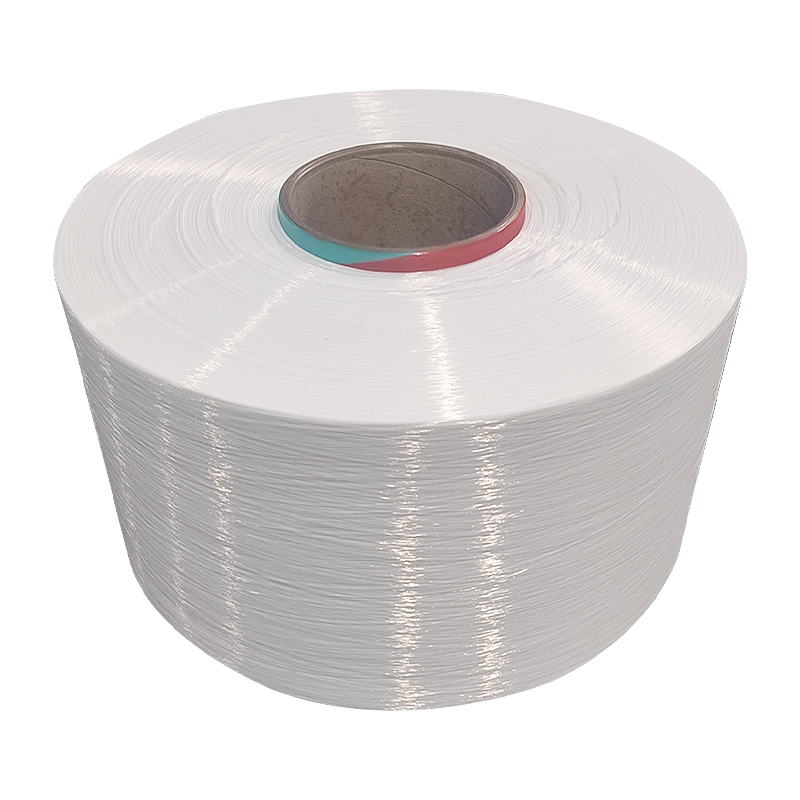
Colored Nylon Mother Yarn can be processed through spinning, drawing, dyeing and other processes to meet the needs of different textiles. It has good processing adaptability and can be made into vario...
See Details
300D Nylon Mother Yarn is made of nylon material, a synthetic fiber with abrasion resistance, strength and durability. It is therefore suitable for manufacturing various types of textiles, such as clo...
See Details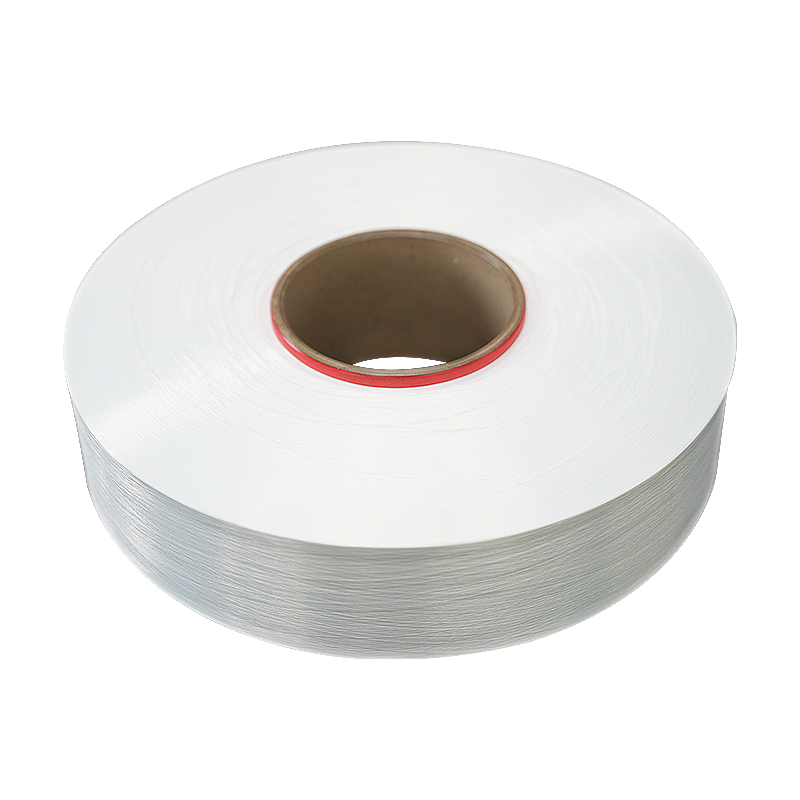
Nylon composite yarn has high strength and toughness. Textiles made with Nylon composite yarn have good stretch resistance and tear resistance. This yarn has a wide range of applications and can be us...
See Details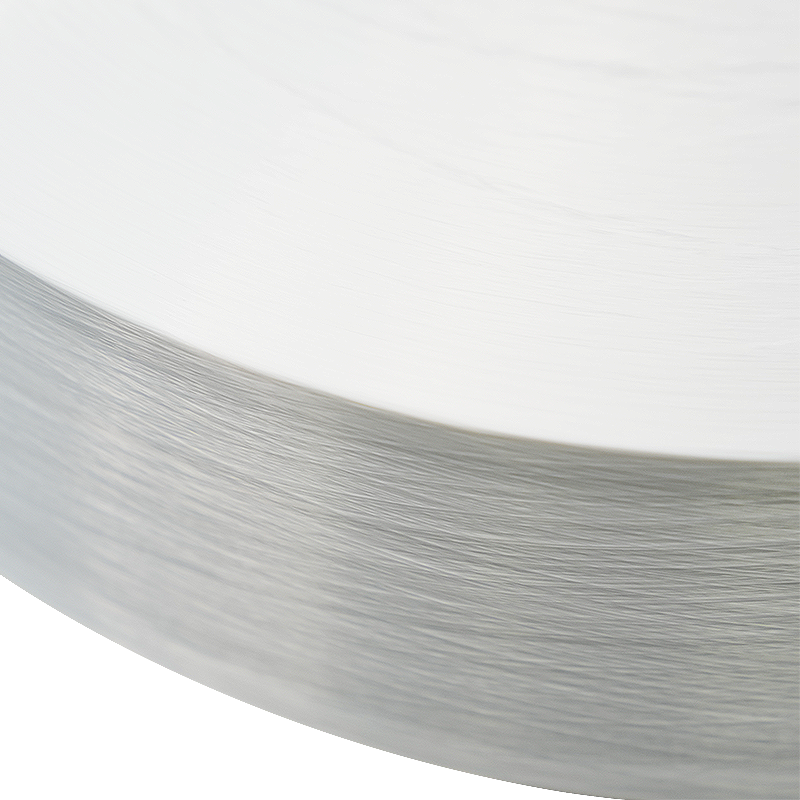
210D Polyester Nylon Composite FDY yarn is a composite fiber yarn. FDY is a mixture of polyester and nylon fibers. It combines the advantages of the two fibers, the abrasion resistance of polyester an...
See Details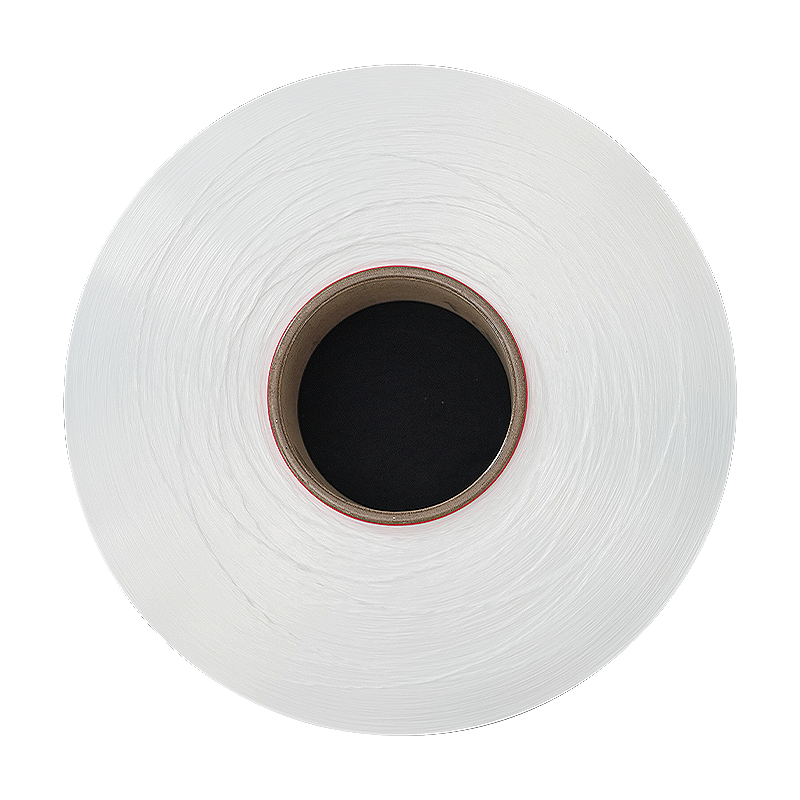
140D Durable low-melt FDY yarn is suitable for the manufacture of various textiles, especially for the preparation of composite fabrics, such as polyester-cotton blended fabrics or elastic fabrics. Th...
See Details
210D Permanent Cooling FDY Yarn is suitable for the manufacture of various textiles, such as sportswear, outdoor equipment, household items, etc. Textiles made of this material often have good breatha...
See Details
Composite woven FDY yarn mixes different types of fibers and has good wear resistance. The fabric made is not easy to wear and is suitable for long-term use. Composite woven FDY yarn has a wide range ...
See Details
Stretch durable FDY yarn has good elasticity and can return to its original shape after being stressed, giving the textile a comfortable wearing feel and good ductility. It can fit the contours of the...
See Details
Composite fiber yarn for textile use consists of 48 monofilaments. Relatively thin and composed of multiple filaments, it adds softness and texture to the fabric. This product is suitable for the manu...
See DetailsAddress: Duntou industrial park, haian county, nantong city,jiangsu province ,China.
TEL: +86 15850491859
E-mail: sales-betty@hsnylon.com
If You Are Interested In Our Products, Please Consult Us
 Wholesale Nylon Filament Yarn Manufacturers