
 English
 中文简体
中文简体
 русский
 Español
 عربى
عربى
Product Consultation
Your email address will not be published. Required fields are marked *
Nylon monofilament yarn is a versatile material widely used across various industries due to its unique set of properties. This synthetic yarn, made from nylon, is produced as a single filament, making it distinct from multifilament yarns that consist of multiple strands twisted together. Nylon monofilament yarn is commonly used in textiles, fishing lines, medical applications, and industrial products, thanks to its ability to offer high strength, durability, and flexibility. A key aspect of nylon monofilament yarn is its tensile strength and elastic recovery, which are important for determining its suitability for different applications.
Tensile strength refers to the maximum amount of stress a material can withstand without breaking or permanently deforming. For nylon monofilament yarn, this characteristic is crucial because it determines how much load the yarn can support before it ruptures or experiences irreversible damage. Nylon, being a synthetic polymer, is known for its relatively high tensile strength compared to other synthetic fibers. This makes it an ideal choice for applications where the yarn needs to endure significant stress or pressure without failure.
Several factors contribute to the tensile strength of nylon monofilament yarn, including its polymer structure, molecular weight, and manufacturing process. The polymerization process used to create nylon ensures that the material has strong intermolecular bonds, which contribute to its high strength. Additionally, the diameter of the filament also plays a role in determining its strength; generally, thicker filaments have higher tensile strength than thinner ones. Furthermore, the processing conditions, such as heat treatment and stretching during manufacturing, can influence the final strength of the nylon monofilament yarn.
Due to its high tensile strength, nylon monofilament yarn is used in a wide range of applications. Some of the most common uses include:
Elastic recovery refers to the ability of a material to return to its original shape after being stretched or deformed. This property is essential in many applications where the yarn or material needs to withstand cyclic stretching and compression without losing its form. For nylon monofilament yarn, high elastic recovery means that it can return to its original length and shape after being subjected to stress or stretching, which helps maintain its functional integrity over time.
Elastic recovery in nylon monofilament yarn is influenced by factors such as the polymer structure, the presence of additives, and the manufacturing process. The crystalline structure of nylon contributes significantly to its ability to recover elastically. As a semi-crystalline polymer, nylon contains both crystalline and amorphous regions, which enable it to regain its shape after deformation. Additionally, the processing conditions—such as the level of stretching during production—can impact how well the material recovers after being stretched or compressed.
High elastic recovery offers several benefits when nylon monofilament yarn is used in various applications. These include:
The high elastic recovery of nylon monofilament yarn makes it well-suited for a variety of applications that require materials to retain their original shape and strength after repeated deformation. Some common applications include:
| Material | Tensile Strength | Elastic Recovery | Common Applications |
| Nylon Monofilament Yarn | High | High | Fishing lines, textiles, medical devices, industrial applications |
| Polyester Monofilament Yarn | Moderate | Moderate | Textiles, ropes, industrial applications |
| Polypropylene Monofilament Yarn | Low to Moderate | Moderate | Carpets, nonwoven fabrics, agricultural applications |
| Polyethylene Monofilament Yarn | Low | Low | Fishing lines, nets, packaging |
While nylon monofilament yarn offers high tensile strength and elastic recovery, there are some challenges and limitations to its use. One key limitation is its susceptibility to degradation under UV light exposure. Over time, nylon monofilament yarn can weaken when exposed to sunlight, making it less durable in outdoor applications. Additionally, nylon is prone to absorbing moisture, which can impact its performance, especially in high-humidity environments.
Another challenge is the cost of nylon monofilament yarn compared to other synthetic fibers. While nylon is known for its durability and strength, it can be more expensive to produce and purchase than other types of yarn. This can make it less appealing for applications where cost is a major factor.
What are the tensile strength and resilience of biodegradable yarn?
2026-02-19
In the textile industry, how is nylon multifilament yarn used to produce which types of fabrics?
2026-03-05Your email address will not be published. Required fields are marked *
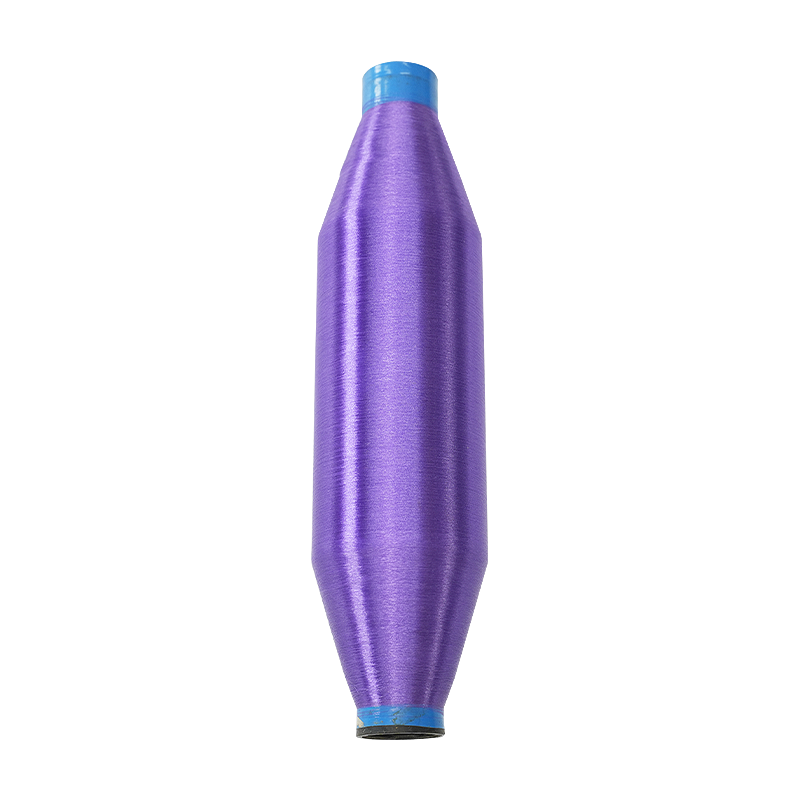
Single Strand Biodegradable Yarn is a single-strand structure, consisting of a single fiber bundle with no multiple strands tangled together. This structure makes the yarn softer, and smoother and exh...
See Details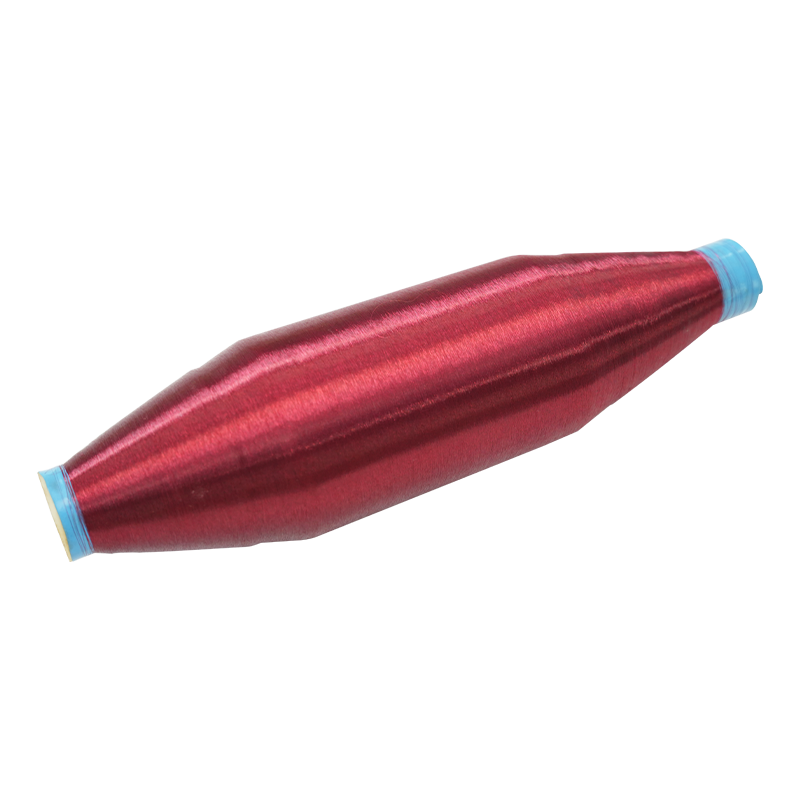
Antiviral nylon Monofilament Yarn can inhibit the survival of viruses on the surface of the yarn, which can effectively reduce the risk of virus transmission and improve user safety. The yarn has a mo...
See Details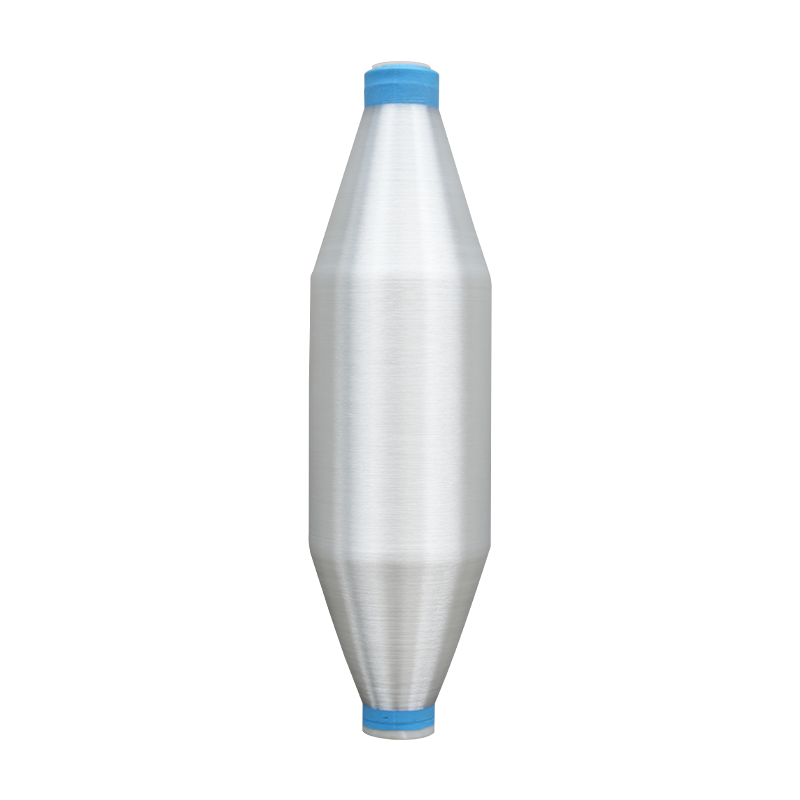
60D woven Antiviral Yarn is thin overall and suitable for making light and soft textiles. Nylon fiber has a soft feel and good breathability. This yarn is usually used to weave fabrics and can be made...
See Details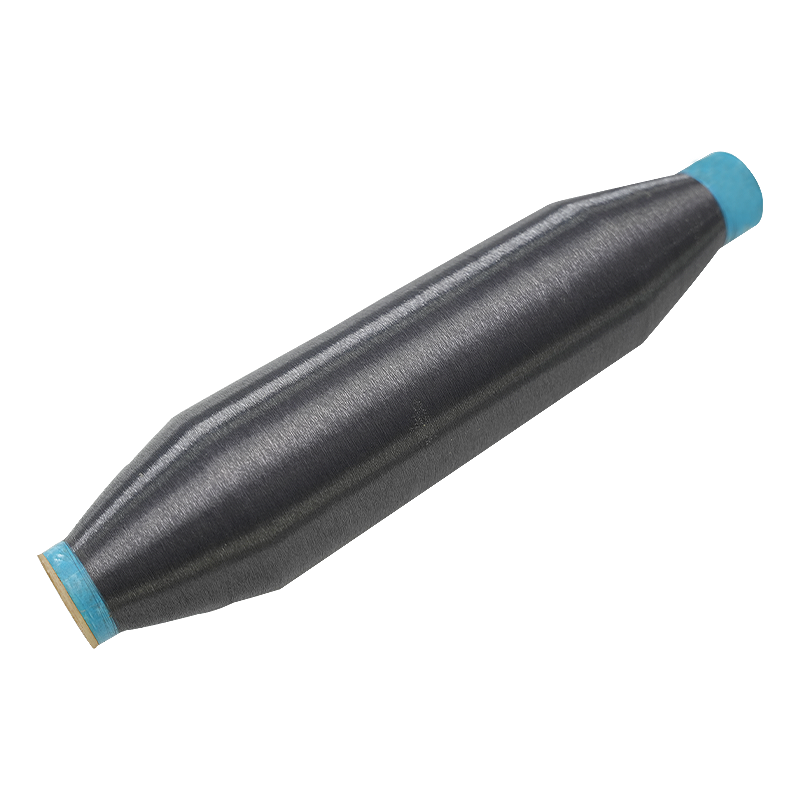
Elastic high-performance polyamide multifilament refers to a synthetic fiber made from polyamide polymer (commonly known as nylon). Resilient and high-performance properties make it suitable for a var...
See Details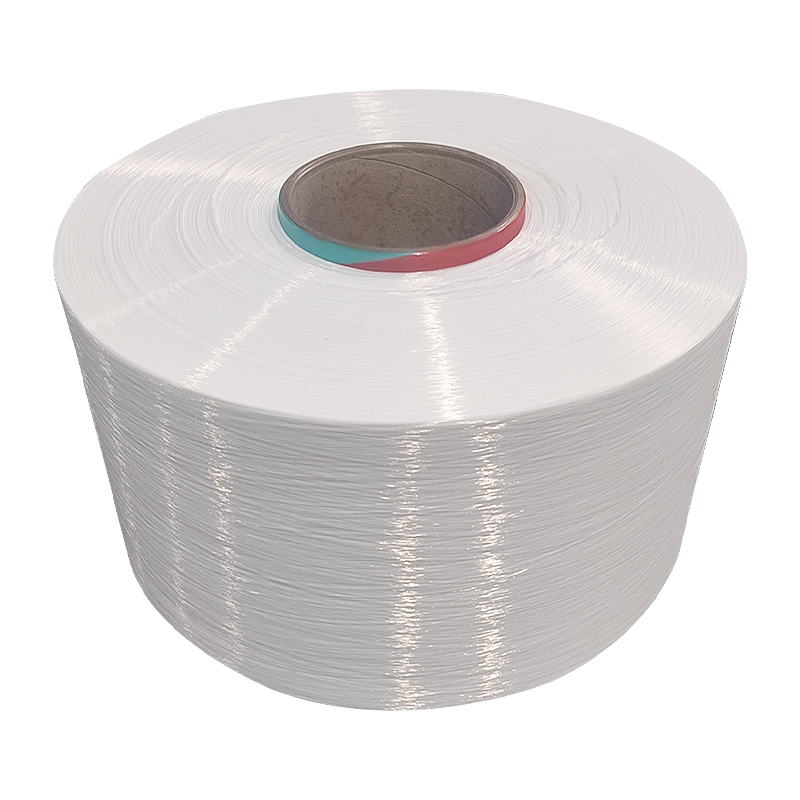
The diameter of Durable woven nylon mother yarn is 240D, the fiber thickness is medium, and it is suitable for the manufacture of a variety of textiles. This product has good tensile strength and will...
See Details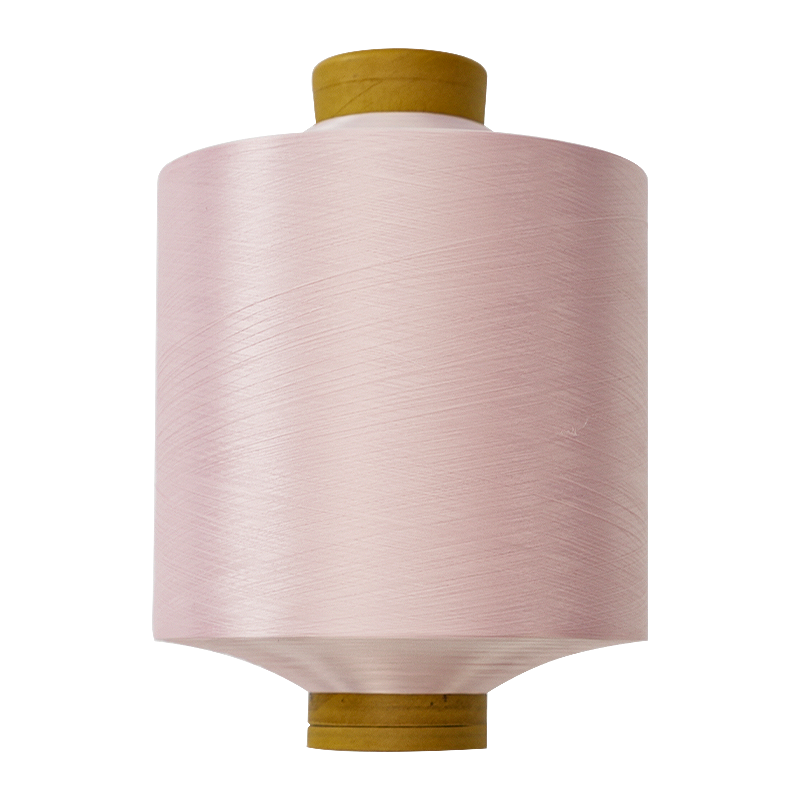
Nylon Elastic Yarn has elasticity and can quickly return to its original shape after stretching. This high elasticity makes the fabrics stretchable and comfortable. Nylon material has good wear resist...
See Details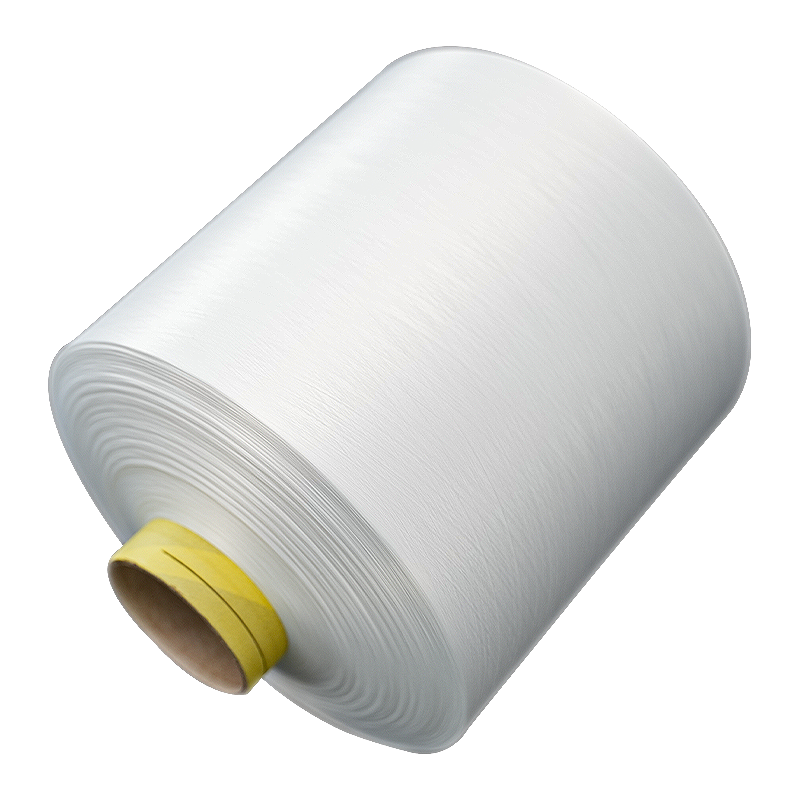
Nylon elastic yarn for textile use has a wide range of applications. Nylon elastic yarn is suitable for the manufacture of various textiles, such as underwear, socks, sportswear, swimwear, elastic fab...
See Details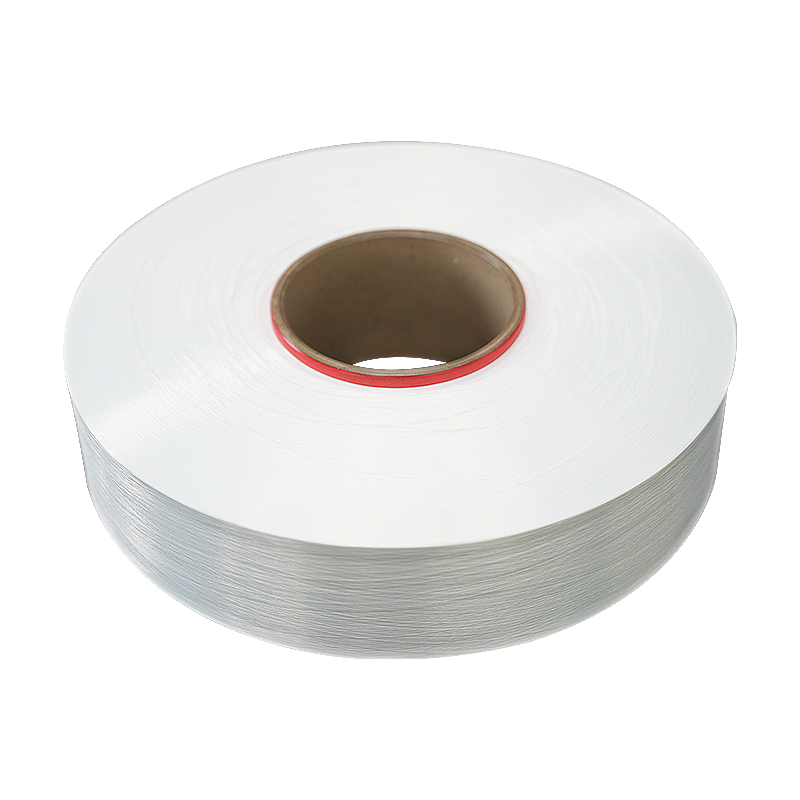
Polyester blended FDY yarn is a standard 50D yarn made from a blend of polyester and nylon. It combines the characteristics of both fibers and has durability and breathability. It has a wide range of ...
See Details
Nylon composite yarn has high strength and toughness. Textiles made with Nylon composite yarn have good stretch resistance and tear resistance. This yarn has a wide range of applications and can be us...
See Details
High shrinkage blended polyester yarn has a high shrinkage rate and is suitable for textile manufacturing that requires shrinkage treatment, such as making pleated fabrics or textile shaping. Because ...
See Details
Water-repellent blended FDY yarn has good waterproof properties. This characteristic makes Water-repellent blended FDY yarn a greater advantage when making textiles with high waterproof requirements s...
See Details
Stretch durable FDY yarn has good elasticity and can return to its original shape after being stressed, giving the textile a comfortable wearing feel and good ductility. It can fit the contours of the...
See DetailsAddress: Duntou industrial park, haian county, nantong city,jiangsu province ,China.
TEL: +86 15850491859
E-mail: sales-betty@hsnylon.com
If You Are Interested In Our Products, Please Consult Us
 Wholesale Nylon Filament Yarn Manufacturers