
 English
 中文简体
中文简体
 русский
 Español
 عربى
عربى
Product Consultation
Your email address will not be published. Required fields are marked *
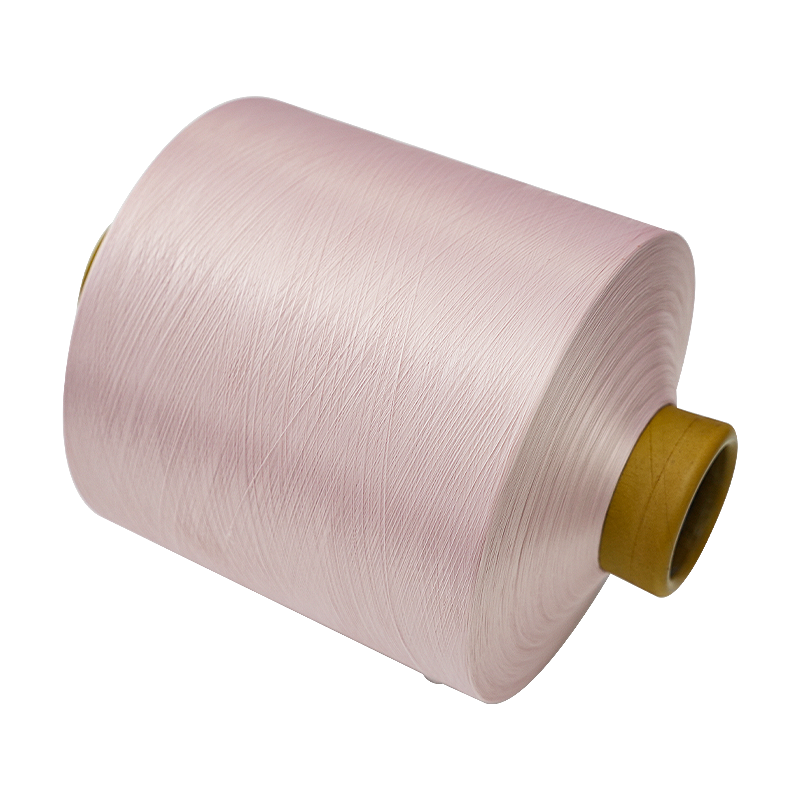
Nylon yarn is a synthetic fiber that is widely used in textiles, clothing, industrial products, and various other applications. It is known for its strength, elasticity, and resistance to wear and tear. Nylon is produced through a chemical process called polymerization, where long chains of molecules are created to form the fiber. These fibers are then processed into yarns, which can be used in a variety of fabric and textile production. The characteristics of nylon yarn make it suitable for applications requiring durability and flexibility, such as in clothing, sportswear, ropes, and industrial fabrics.
Nylon mother yarn, also known as nylon filament yarn or multifilament yarn, is a specific type of nylon yarn that serves as the precursor or base material from which other types of nylon yarn are produced. The term "mother" refers to the initial stage in the yarn manufacturing process, where the yarn is produced in bulk as a primary form. This yarn is generally thick, high-strength, and is typically used for further processing, such as texturizing or twisting, to create finer, more specialized yarns that are suited for different applications. Unlike regular nylon yarn, which may be used directly in finished products, nylon mother yarn is typically used in the production of a wide variety of nylon yarn types, such as textured yarn, air-textured yarn, and bulked continuous filament yarn (BCF).
The primary difference between nylon mother yarn and regular nylon yarn lies in their structure. Nylon mother yarn is produced as a thicker, bulkier filament, with the goal of later being processed into thinner, finer yarns. It is typically made from long, continuous filaments that are bundled together to create a strong, durable yarn that can be further altered for different uses. Regular nylon yarn, on the other hand, may be spun from these filaments into a finished product or used in its original form for various applications without undergoing additional texturizing or processing. While nylon mother yarn can be used as a raw material for producing multiple other types of yarn, regular nylon yarn is typically used in a more immediate and finished form.
The manufacturing process for nylon mother yarn and regular nylon yarn involves different steps, particularly in the initial stages. For nylon mother yarn, the first stage of production involves the extrusion of nylon polymer into long, continuous filaments. These filaments are then spun into large, bulk yarns that are suitable for further processing. This process generally results in thicker and more durable yarns, which are suitable for a variety of industrial and textile applications. In contrast, regular nylon yarn may go through fewer processing stages, often resulting in a finer, more lightweight yarn. This difference in processing affects both the strength and flexibility of the two types of yarns.
There are several physical property differences between nylon mother yarn and regular nylon yarn. One of the key differences is strength. Nylon mother yarn is designed to be stronger and more durable, as it serves as the base material for other, more specialized yarns. Its thickness and durability make it ideal for applications requiring robust strength, such as in industrial fabrics or outdoor gear. Regular nylon yarn, by contrast, is usually finer and softer, making it suitable for applications that require a more flexible and lightweight material, such as clothing or upholstery fabrics.
Another difference is the elasticity of the two types of yarns. Nylon mother yarn generally has a lower elasticity compared to regular nylon yarn. This is due to the way it is processed in the initial stages of production. Since nylon mother yarn is often intended for further texturing or twisting, it tends to have less stretch than the more finished regular nylon yarns. This difference in elasticity makes nylon mother yarn suitable for manufacturing products that require more structural integrity, such as ropes or industrial textiles, while regular nylon yarn is better suited for applications requiring more flexibility and stretch.
Nylon mother yarn serves as an essential component in the production of several different types of yarns, each with its own unique applications. One of the primary applications of nylon mother yarn is in the creation of textured yarns, which are widely used in the textile industry. Textured nylon yarns are produced by heating and stretching nylon mother yarn, which gives the yarn its distinctive, softer texture. This type of yarn is often used in fabrics for clothing, such as sportswear or outerwear, where the soft texture and flexibility are essential for comfort and performance.
Another common application of nylon mother yarn is in the production of air-textured yarns, which are used in the manufacturing of carpets, upholstery, and other fabric-based products. The process of air-texturing adds volume and bulk to the yarn, making it suitable for applications where a thicker, more durable material is required. Nylon mother yarn is also used in the production of bulked continuous filament yarns (BCF), which are commonly used for carpeting and industrial textiles. In these cases, the bulkiness and strength of the nylon mother yarn provide the necessary foundation for creating yarns that can withstand the rigors of heavy-duty use.
Regular nylon yarn is used in a wide range of industries and applications, primarily due to its strength, elasticity, and resistance to wear and tear. This type of yarn is commonly found in products such as hosiery, clothing, and outdoor gear. Regular nylon yarn is also used in the production of ropes, fishing nets, and other industrial textiles, where its strength and flexibility are crucial for performance and durability. In comparison to nylon mother yarn, regular nylon yarn is often more suitable for applications where a finer, more finished product is required without the need for additional processing.
From a cost perspective, nylon mother yarn is generally less expensive than finished, regular nylon yarns. This is because nylon mother yarn is often purchased in bulk and requires additional processing to transform it into finished products. As a result, the cost of producing finished nylon yarns is higher, especially when factoring in the labor and energy costs associated with texturizing, twisting, and other processes. For businesses or manufacturers that require large quantities of base material for further processing, nylon mother yarn offers a cost-effective solution, as it can be purchased in bulk and used to create a wide variety of products.
Will biodegradable yarn release harmful substances or cause environmental pollution during the degradation process?
2025-12-18
Does nylon multifilament yarn maintain stable performance under high-strength stretching or prolonged use?
2026-01-01Your email address will not be published. Required fields are marked *
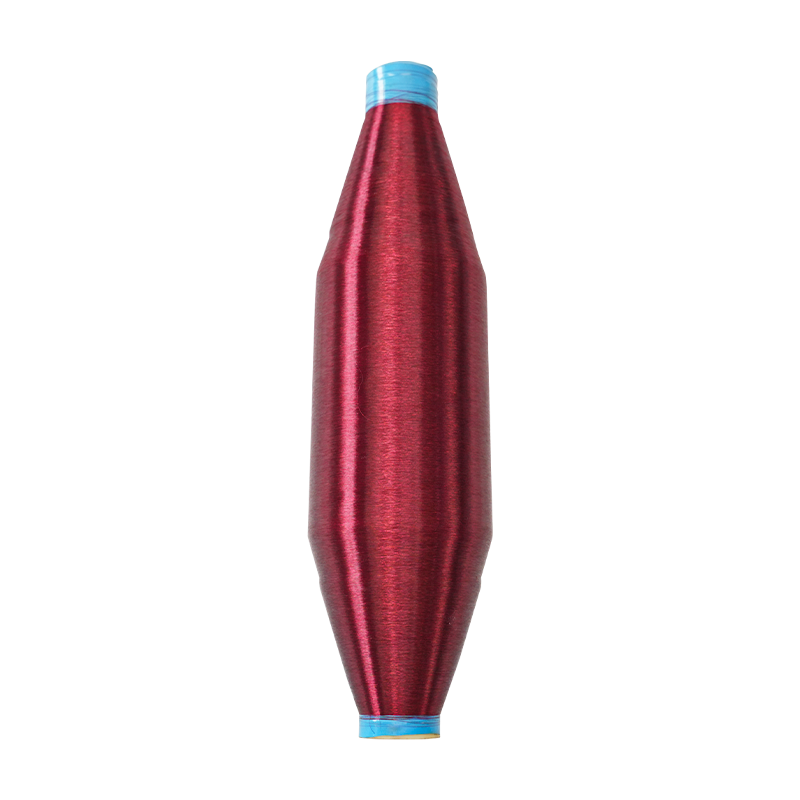
Biodegradable nylon yarn biodegrades faster in the environment than traditional synthetic fibers, helping to reduce negative environmental impacts. It also has the properties of nylon fiber, such as h...
See Details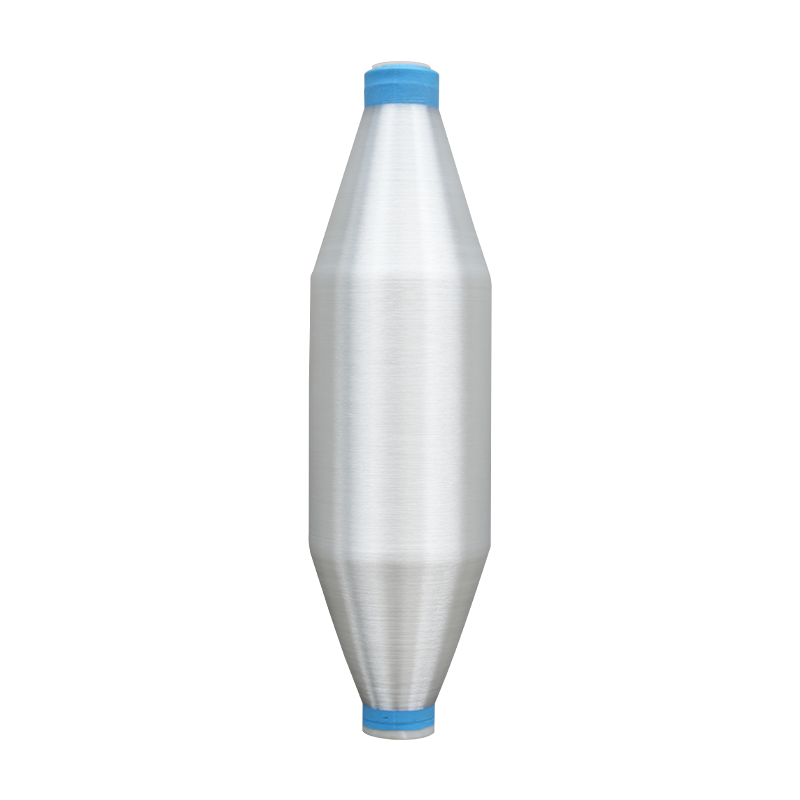
60D woven Antiviral Yarn is thin overall and suitable for making light and soft textiles. Nylon fiber has a soft feel and good breathability. This yarn is usually used to weave fabrics and can be made...
See Details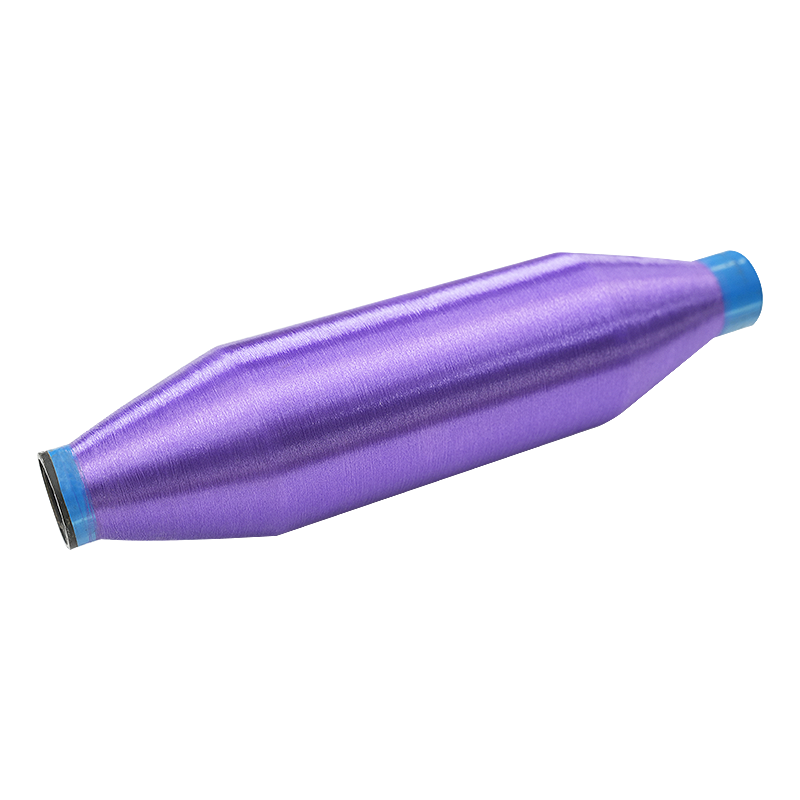
Graphene yarns can be produced by a variety of methods, including chemical vapor deposition (CVD) and wet spinning. In CVD, graphene is grown directly on a substrate, which is then removed to obtain g...
See Details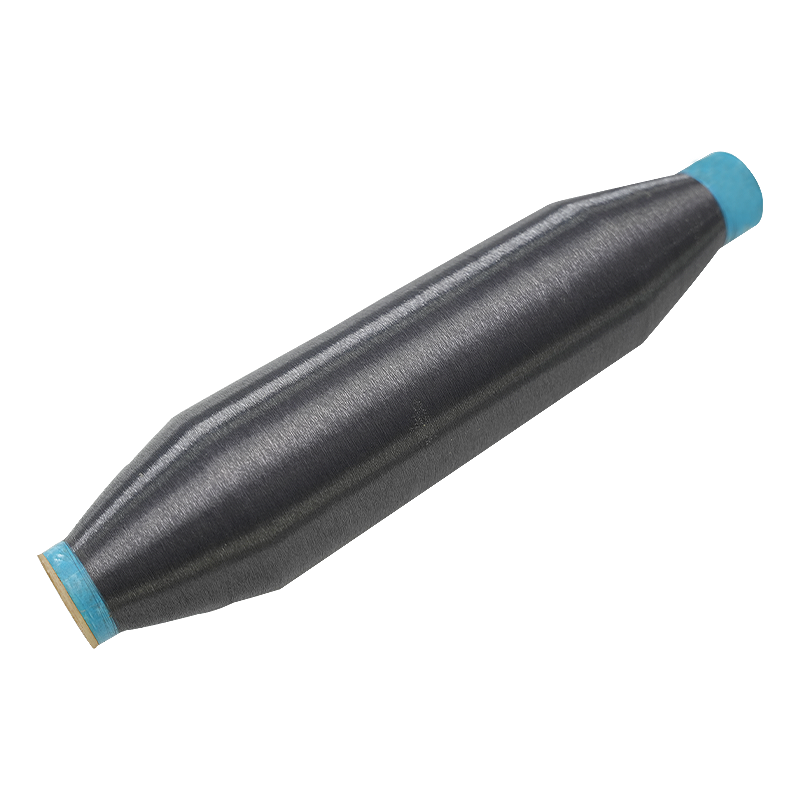
Elastic high-performance polyamide multifilament refers to a synthetic fiber made from polyamide polymer (commonly known as nylon). Resilient and high-performance properties make it suitable for a var...
See Details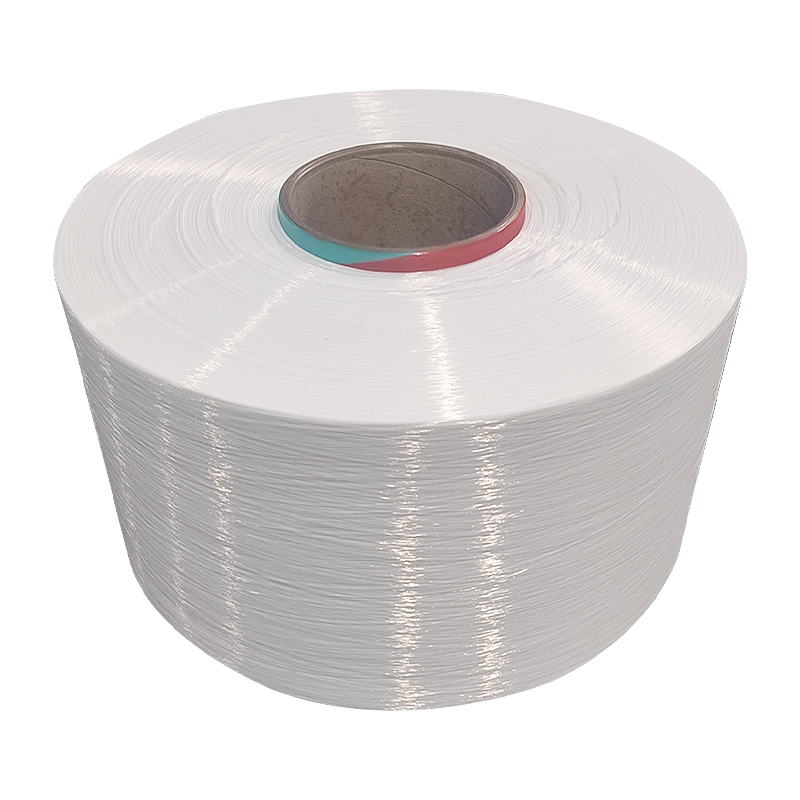
Colored Nylon Mother Yarn can be processed through spinning, drawing, dyeing and other processes to meet the needs of different textiles. It has good processing adaptability and can be made into vario...
See Details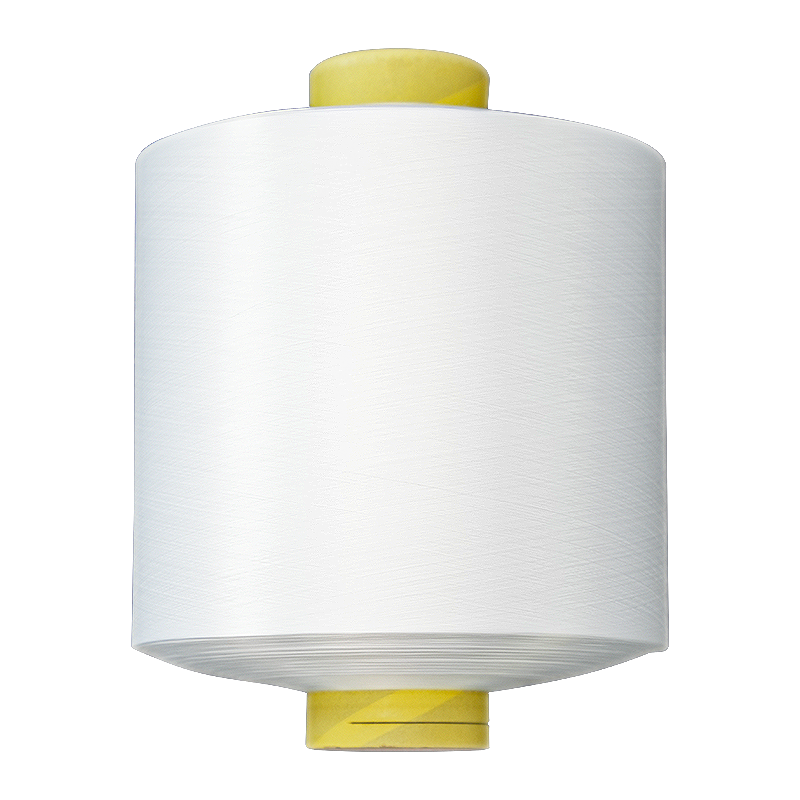
Nylon stretch sportswear yarn is a yarn used to make sportswear and other clothing that require high breathability. Nylon fiber has good breathability, which helps to wick away perspiration and keep t...
See Details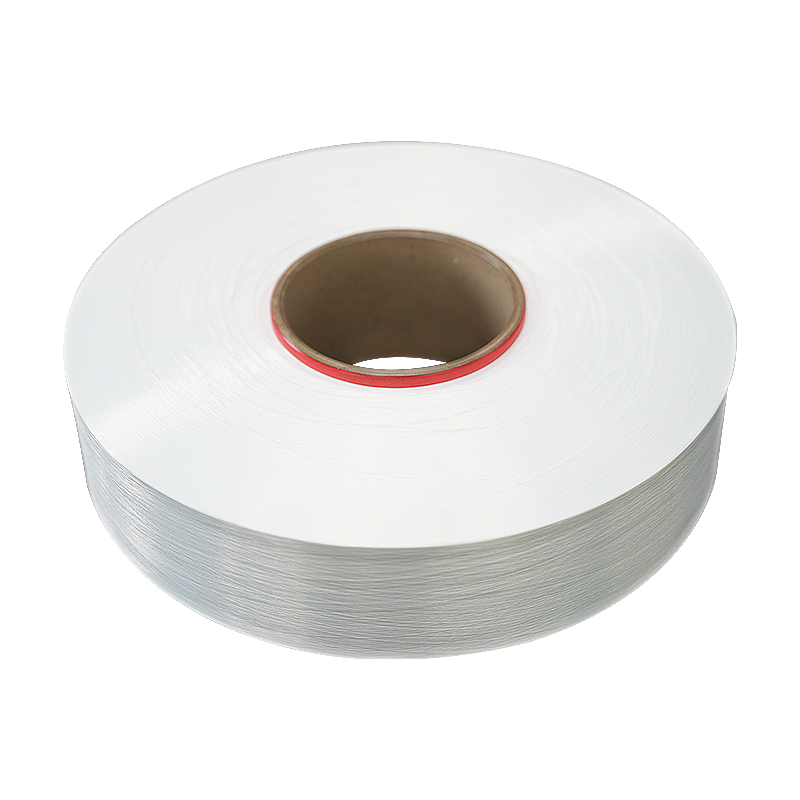
Polyester blended FDY yarn is a standard 50D yarn made from a blend of polyester and nylon. It combines the characteristics of both fibers and has durability and breathability. It has a wide range of ...
See Details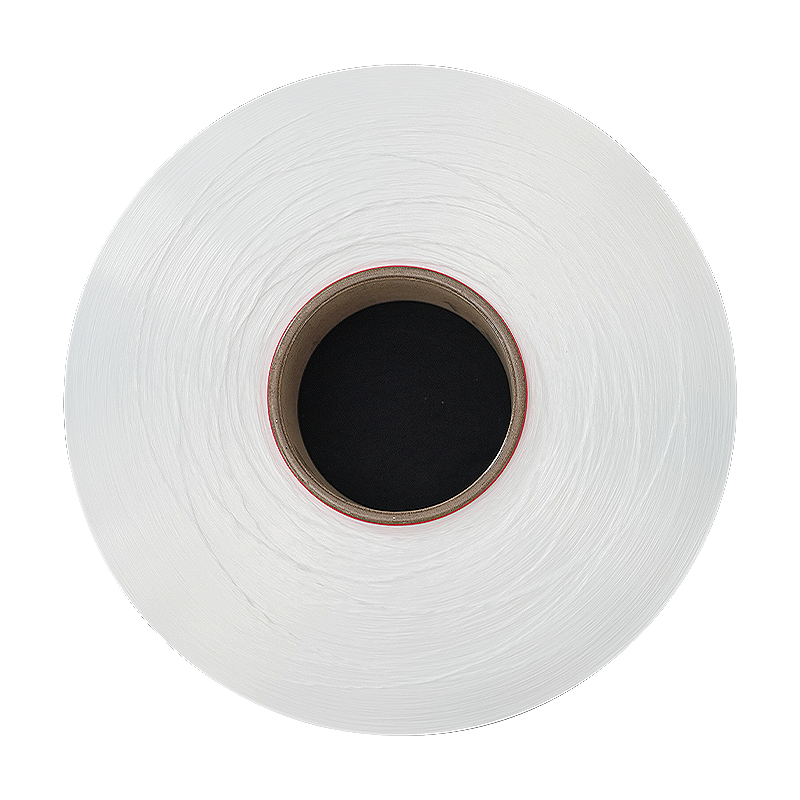
Durable composite nylon yarn has stretch and recovery properties, providing the necessary comfort, fit, and flexibility for clothing and textiles. Made of a blend of nylon fiber and polyester fiber, i...
See Details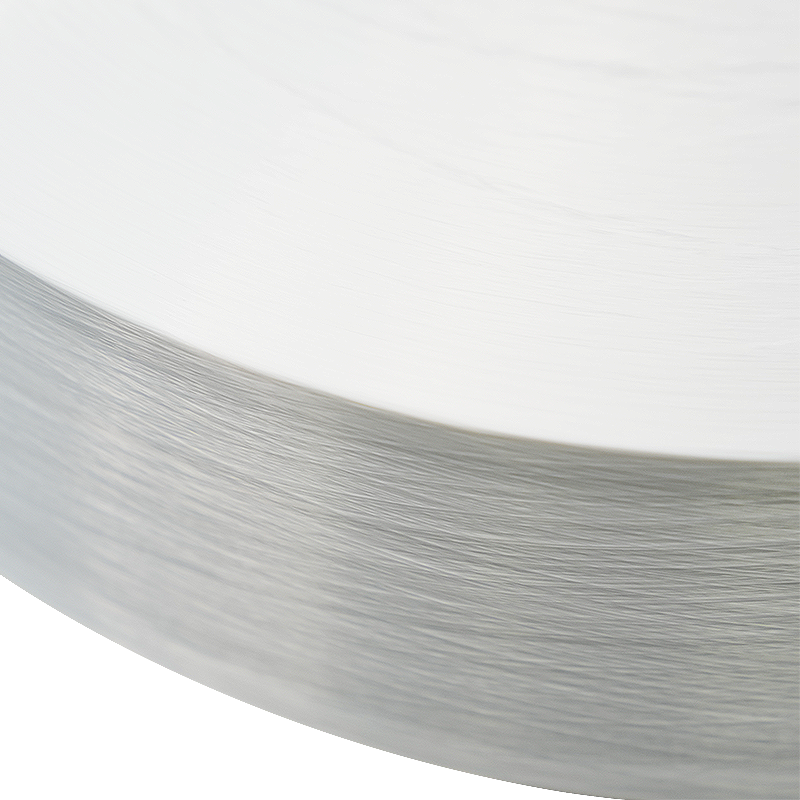
Polyester FDY yarn for weaving has high strength. After FDY yarn is fully stretched, the strength is even better and is suitable for manufacturing fabrics requiring high strength. The fabric made usin...
See Details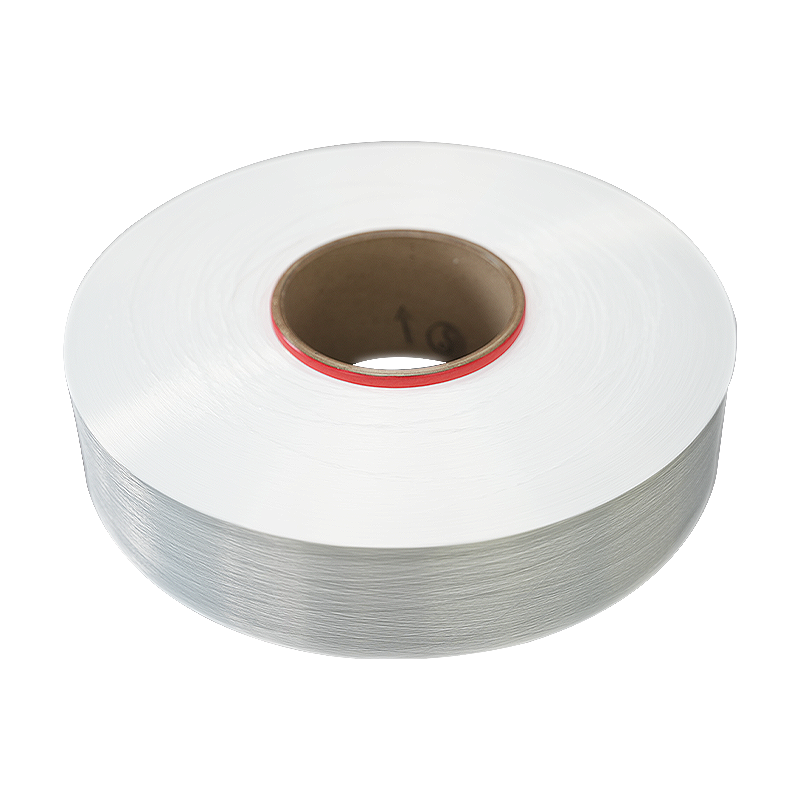
Low-melt textile FDY yarn can bond with other fibers at a certain temperature to form a strong fabric structure. This property makes it ideal for manufacturing synthetic or reinforced fabrics. This ki...
See Details
High shrinkage blended polyester yarn has a high shrinkage rate and is suitable for textile manufacturing that requires shrinkage treatment, such as making pleated fabrics or textile shaping. Because ...
See Details
Stretch durable FDY yarn has good elasticity and can return to its original shape after being stressed, giving the textile a comfortable wearing feel and good ductility. It can fit the contours of the...
See DetailsAddress: Duntou industrial park, haian county, nantong city,jiangsu province ,China.
TEL: +86 15850491859
E-mail: sales-betty@hsnylon.com
If You Are Interested In Our Products, Please Consult Us
 Wholesale Nylon Filament Yarn Manufacturers