
 English
 中文简体
中文简体
 русский
 Español
 عربى
عربى
Product Consultation
Your email address will not be published. Required fields are marked *
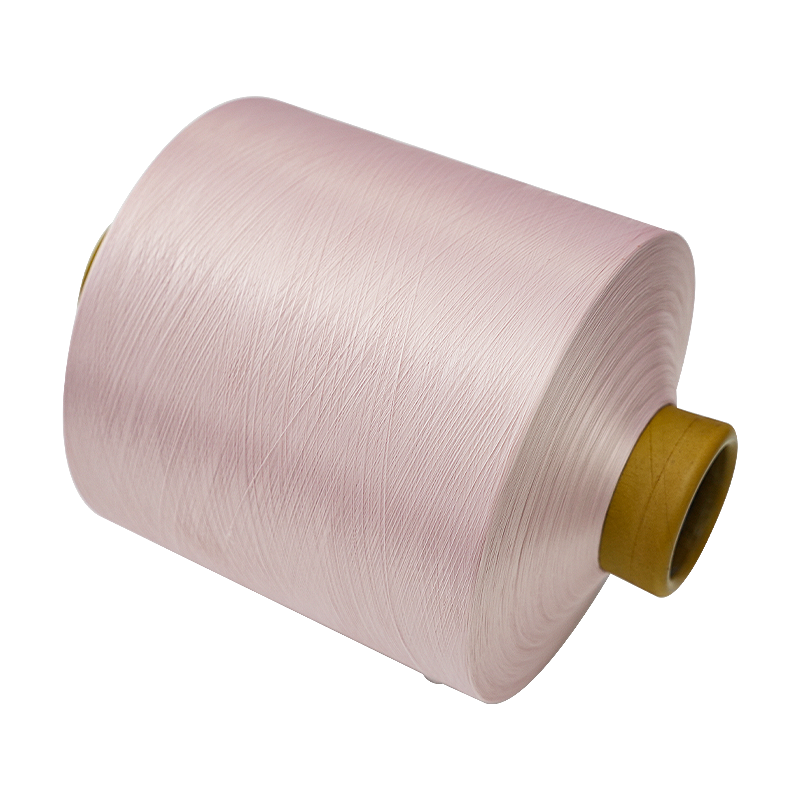
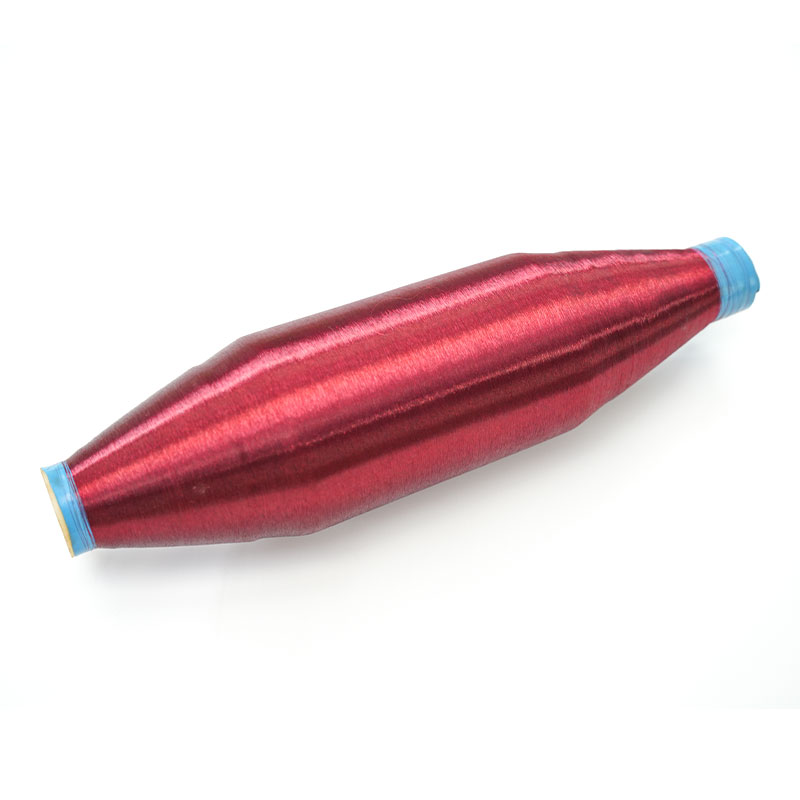
Nylon mother yarn, commonly referred to as the primary or base yarn in the production of synthetic textiles, is known for its versatile mechanical properties. It serves as the foundation for many textile and industrial applications due to its balanced combination of strength, elasticity, and abrasion resistance. The yarn is typically produced through a controlled spinning process that aligns polymer chains, enhancing the mechanical performance of the finished product. This structural characteristic makes nylon mother yarn a candidate for applications requiring durability and load-bearing capacity, including industrial fabrics, ropes, and technical textiles.
One of the primary advantages of nylon mother yarn is its abrasion resistance. The yarn’s molecular structure allows it to resist surface wear from friction and repeated contact. The inherent smoothness and toughness of the nylon fibers reduce the rate at which the material frays or breaks down under mechanical stress. This property is particularly valuable in high-abrasion environments, such as conveyor belts, safety harnesses, and heavy-duty upholstery. By maintaining integrity under repeated friction, nylon mother yarn ensures longer service life and consistent performance in applications that encounter continuous mechanical wear.
Nylon mother yarn is characterized by a high tensile strength, making it suitable for applications where load-bearing capability is crucial. The yarn can sustain significant tension without elongating excessively or breaking, which is essential in applications like industrial ropes, fishing lines, and reinforced fabrics. Its strength derives from the polymer chain alignment achieved during the spinning process, which maximizes intermolecular forces. This feature allows manufacturers to produce fabrics and products that maintain structural integrity under stress, supporting heavy loads or high-pressure operations.
In addition to abrasion resistance and strength, nylon mother yarn exhibits elasticity and flexibility, which enhance its performance in dynamic applications. The yarn can stretch under tension and return to its original shape, providing shock absorption and reducing stress concentrations in high-load applications. Elasticity also helps prevent sudden failure under impact or repetitive movement, making nylon mother yarn suitable for safety equipment, athletic textiles, and other applications where both strength and flexibility are required. This combination of properties ensures reliability in demanding environments.
| Property | Description | Application Benefit |
|---|---|---|
| Abrasion Resistance | Resists wear and surface fraying under repeated friction | Prolongs product life in high-contact environments |
| Tensile Strength | High load-bearing capacity without significant elongation | Supports heavy-duty applications like ropes and industrial fabrics |
| Elasticity | Can stretch and return to original shape | Absorbs impact and reduces material stress |
| Flexibility | Allows bending and twisting without breaking | Enhances durability in dynamic or repetitive movements |
| Moisture Resistance | Limited water absorption maintains mechanical properties | Prevents weakening of yarn under humid conditions |
Nylon mother yarn is widely used in high-abrasion applications due to its toughness and wear resistance. Industrial conveyor belts, climbing ropes, protective gloves, and high-traffic upholstery are common examples where the yarn is employed to withstand constant friction and mechanical stress. In these applications, the yarn’s resistance to surface damage reduces maintenance needs and prevents early replacement, making it a cost-effective choice. The smooth yet durable surface of nylon mother yarn allows it to endure contact with rough surfaces without losing structural integrity.
High-strength applications leverage the tensile capacity of nylon mother yarn to support heavy loads or provide structural reinforcement. Applications such as safety harnesses, netting, technical fabrics, and reinforced composite materials rely on the yarn’s ability to sustain tension without failure. The uniformity and consistency of the yarn, achieved during manufacturing, ensures predictable performance under stress. Additionally, its combination of strength and flexibility allows for energy absorption and shock resistance, enhancing safety and reliability in critical applications.
Environmental factors, including temperature, moisture, and exposure to chemicals, can influence the performance of nylon mother yarn. The yarn maintains mechanical properties across a moderate temperature range and is resistant to water absorption, preventing weakening under humid conditions. While strong acids or bases can degrade nylon, surface treatments and coatings can enhance resistance for industrial applications. Proper handling and storage further ensure that the yarn retains its high abrasion and high strength characteristics throughout its lifecycle.
When compared to other synthetic fibers, such as polyester or polypropylene, nylon mother yarn offers a balanced combination of abrasion resistance and tensile strength. Polyester provides good UV resistance and dimensional stability but may not match nylon’s abrasion resistance under heavy friction. Polypropylene is lighter and resistant to moisture but lacks the tensile strength required for high-load applications. The choice of nylon mother yarn for specific applications is justified by its capacity to combine durability, strength, and flexibility, making it suitable for demanding environments where both mechanical wear and load-bearing are concerns.
| Material | Abrasion Resistance | Tensile Strength | Flexibility |
|---|---|---|---|
| Nylon Mother Yarn | High | High | Moderate to High |
| Polyester | Moderate | Moderate | Moderate |
| Polypropylene | Low to Moderate | Low to Moderate | High |
Nylon mother yarn demonstrates both high abrasion resistance and high tensile strength, making it suitable for a wide range of demanding applications. Its durability under friction, ability to bear heavy loads, and flexibility under stress contribute to its reliability in industrial, technical, and consumer products. By selecting appropriate yarn grades and considering environmental factors, manufacturers can leverage nylon mother yarn to create products that meet stringent performance requirements, balancing strength, durability, and usability for high-performance applications.
Does nylon elastic yarn have chlorine and UV resistance properties?
2025-12-04
Will biodegradable yarn release harmful substances or cause environmental pollution during the degradation process?
2025-12-18Your email address will not be published. Required fields are marked *
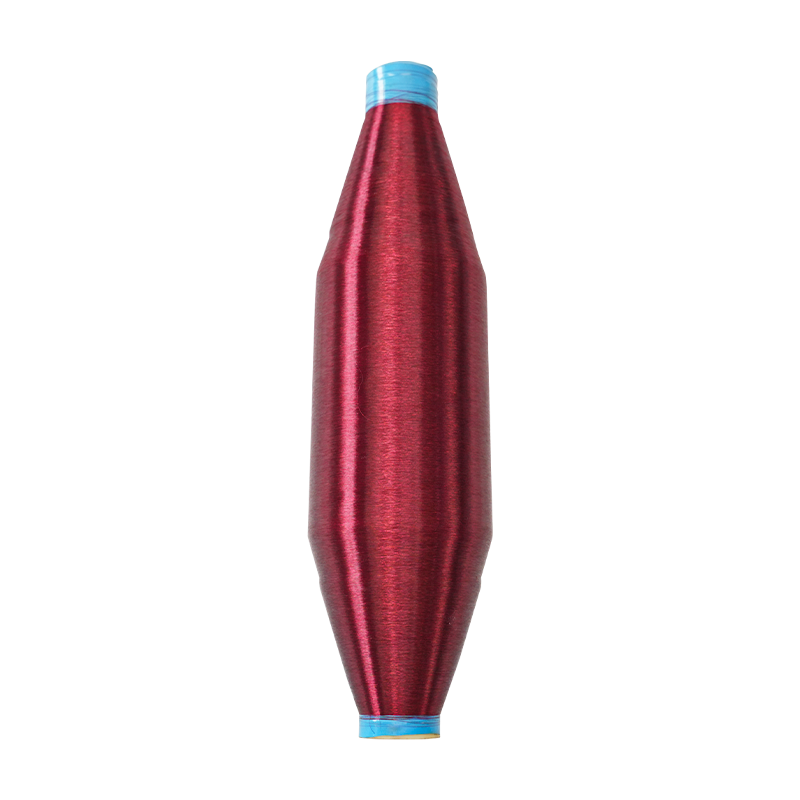
Biodegradable nylon yarn biodegrades faster in the environment than traditional synthetic fibers, helping to reduce negative environmental impacts. It also has the properties of nylon fiber, such as h...
See Details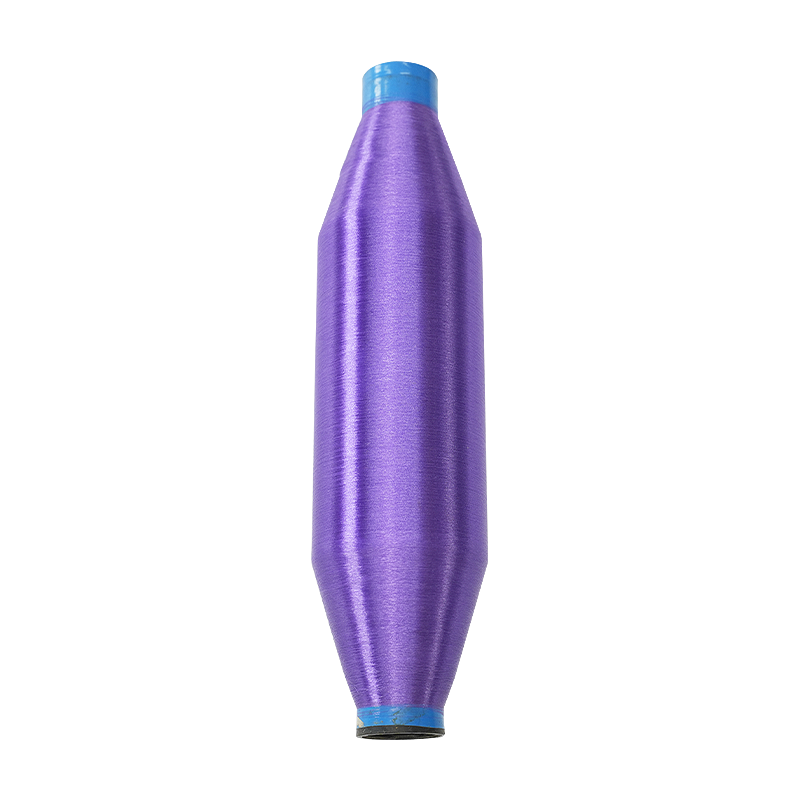
Single Strand Biodegradable Yarn is a single-strand structure, consisting of a single fiber bundle with no multiple strands tangled together. This structure makes the yarn softer, and smoother and exh...
See Details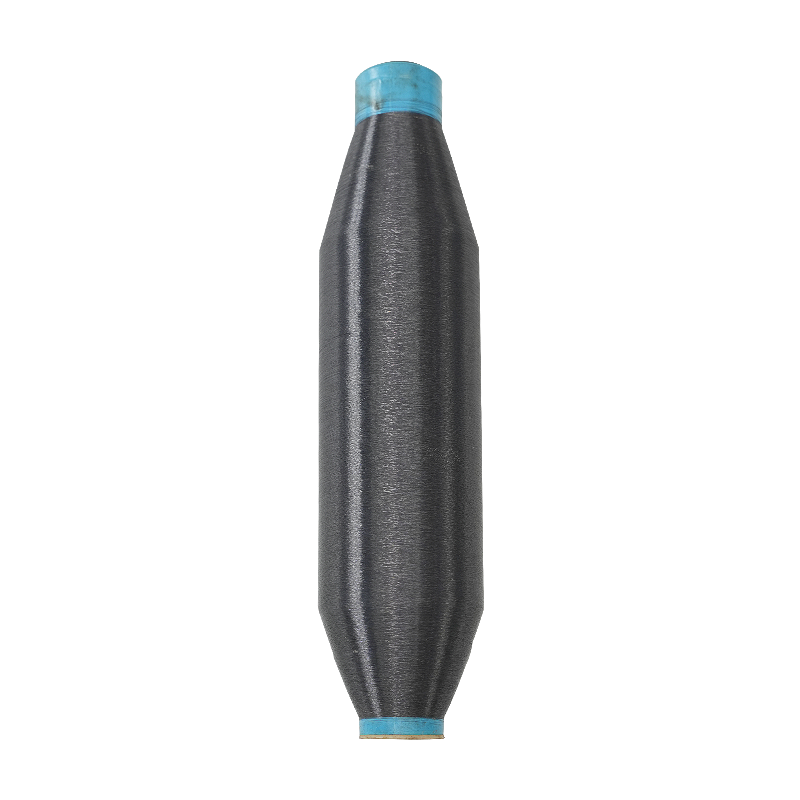
Nylon is a synthetic fiber with good strength and wear resistance, so 40D biodegradable yarn inherits the properties of nylon fiber. It has tensile strength, abrasion resistance and corrosion resistan...
See Details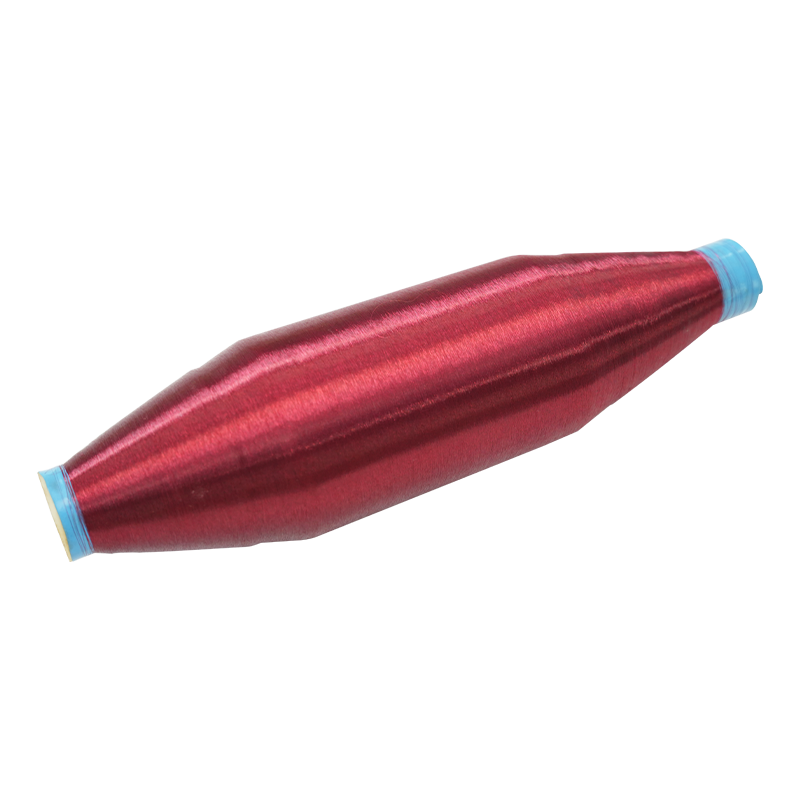
Antiviral nylon Monofilament Yarn can inhibit the survival of viruses on the surface of the yarn, which can effectively reduce the risk of virus transmission and improve user safety. The yarn has a mo...
See Details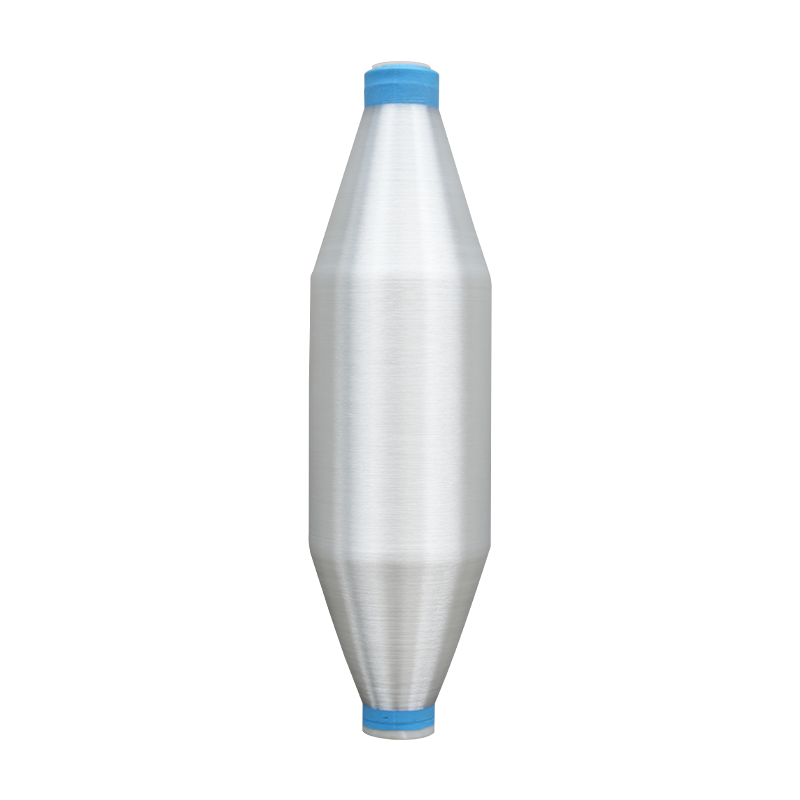
60D woven Antiviral Yarn is thin overall and suitable for making light and soft textiles. Nylon fiber has a soft feel and good breathability. This yarn is usually used to weave fabrics and can be made...
See Details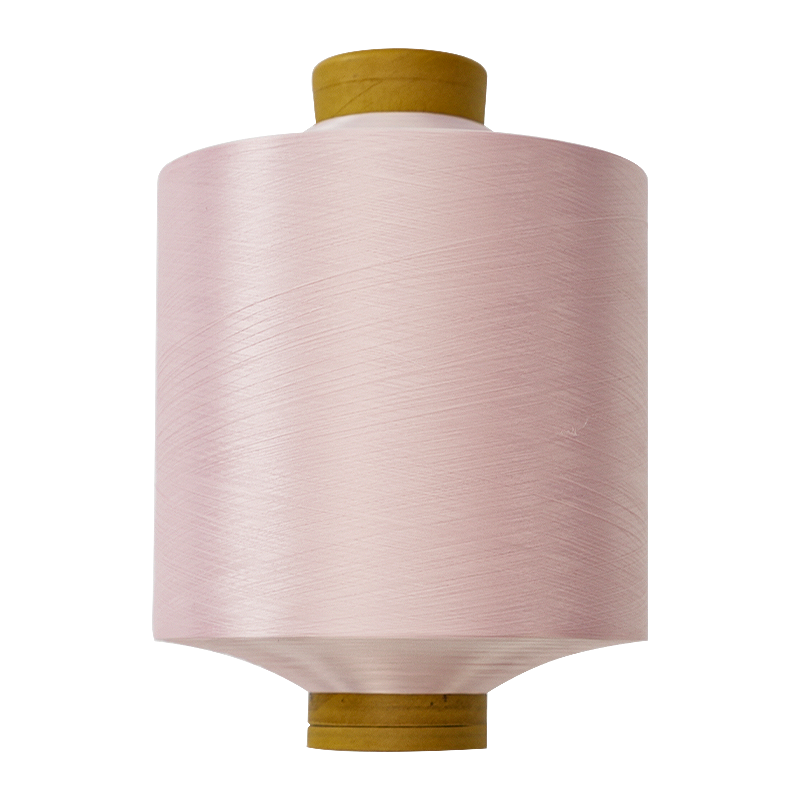
Nylon Elastic Yarn has elasticity and can quickly return to its original shape after stretching. This high elasticity makes the fabrics stretchable and comfortable. Nylon material has good wear resist...
See Details
Double-strand nylon elastic yarn is a composite yarn composed of two strands of yarn. It has high strength, maintains stable performance even in a stretched state, and is not easy to break or deform. ...
See Details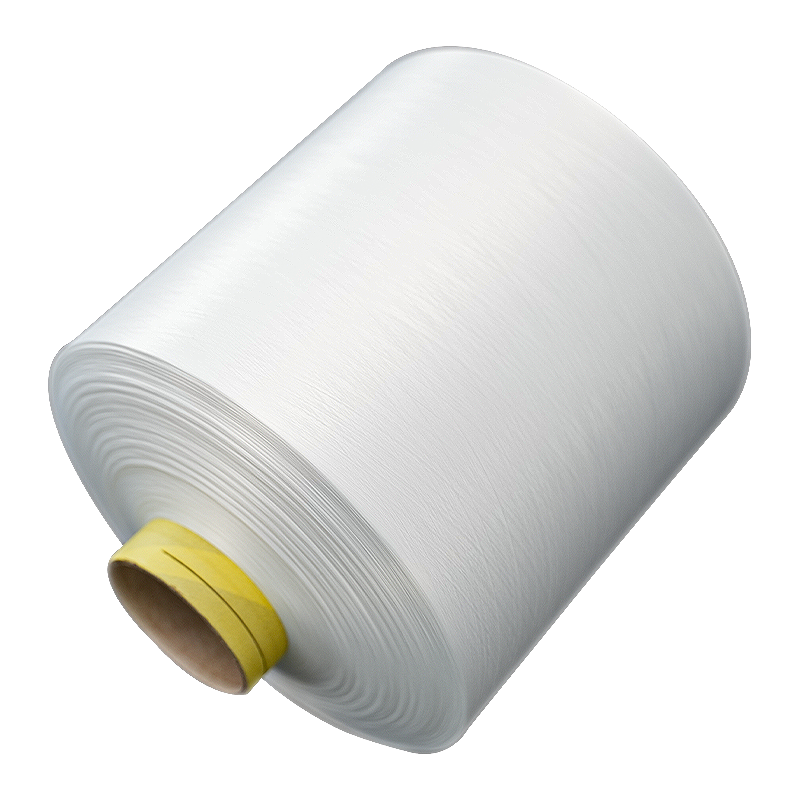
Nylon elastic yarn for textile use has a wide range of applications. Nylon elastic yarn is suitable for the manufacture of various textiles, such as underwear, socks, sportswear, swimwear, elastic fab...
See Details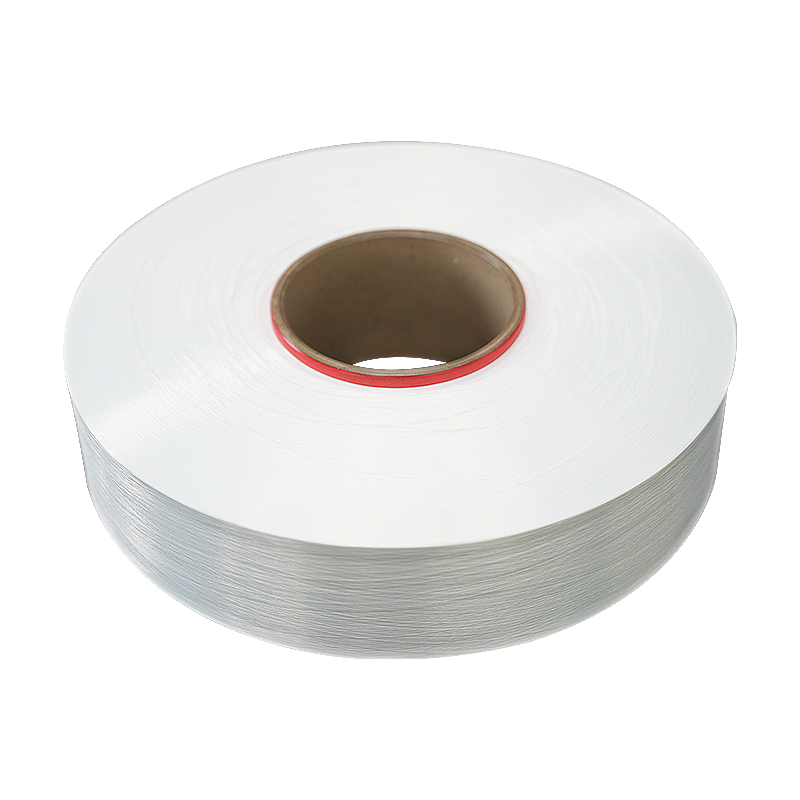
Nylon composite yarn has high strength and toughness. Textiles made with Nylon composite yarn have good stretch resistance and tear resistance. This yarn has a wide range of applications and can be us...
See Details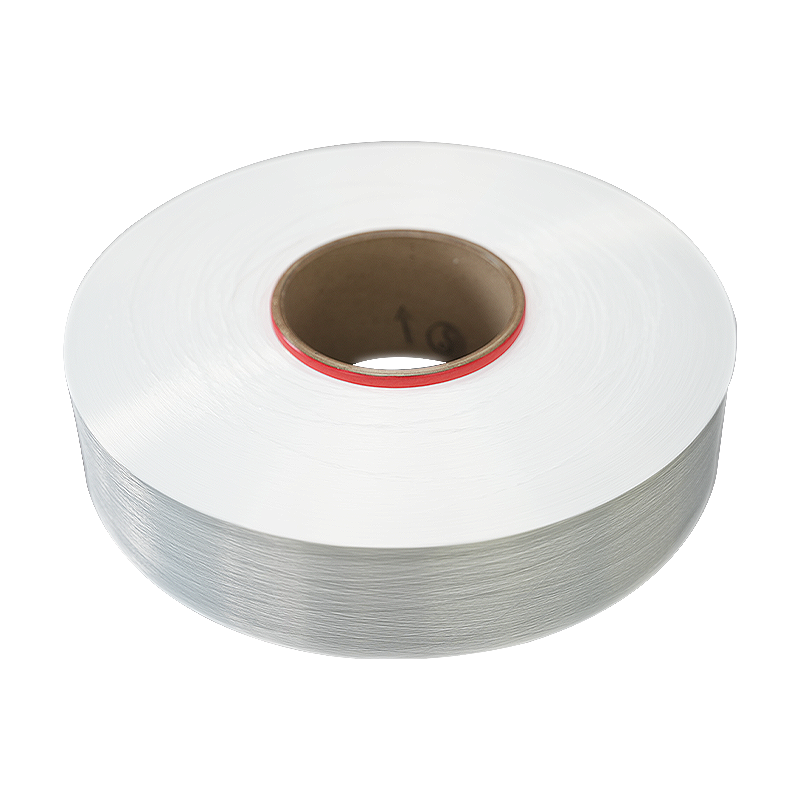
Low-melt textile FDY yarn can bond with other fibers at a certain temperature to form a strong fabric structure. This property makes it ideal for manufacturing synthetic or reinforced fabrics. This ki...
See Details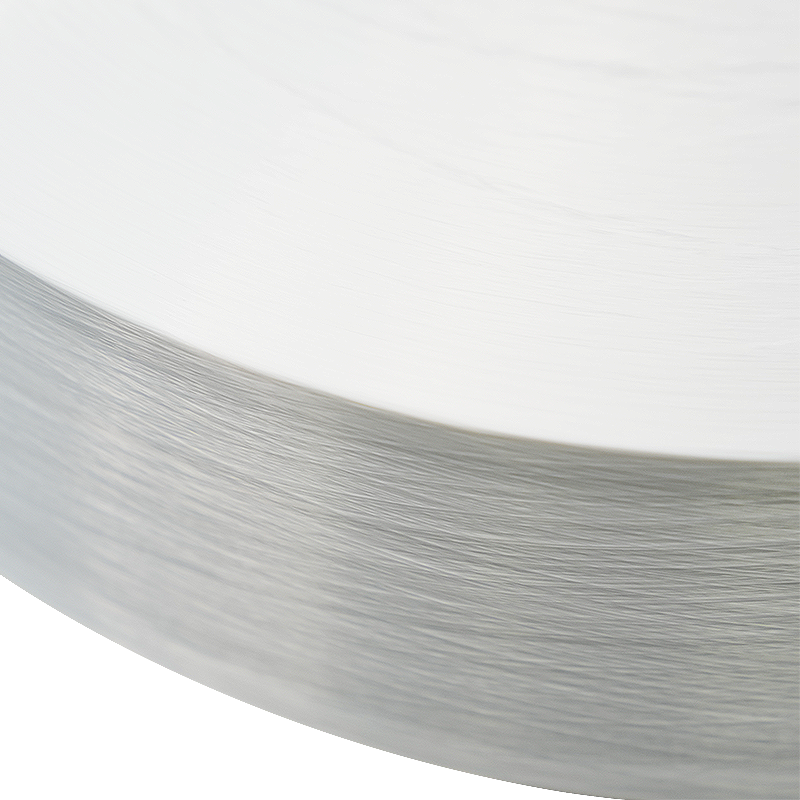
Water-repellent blended FDY yarn has good waterproof properties. This characteristic makes Water-repellent blended FDY yarn a greater advantage when making textiles with high waterproof requirements s...
See Details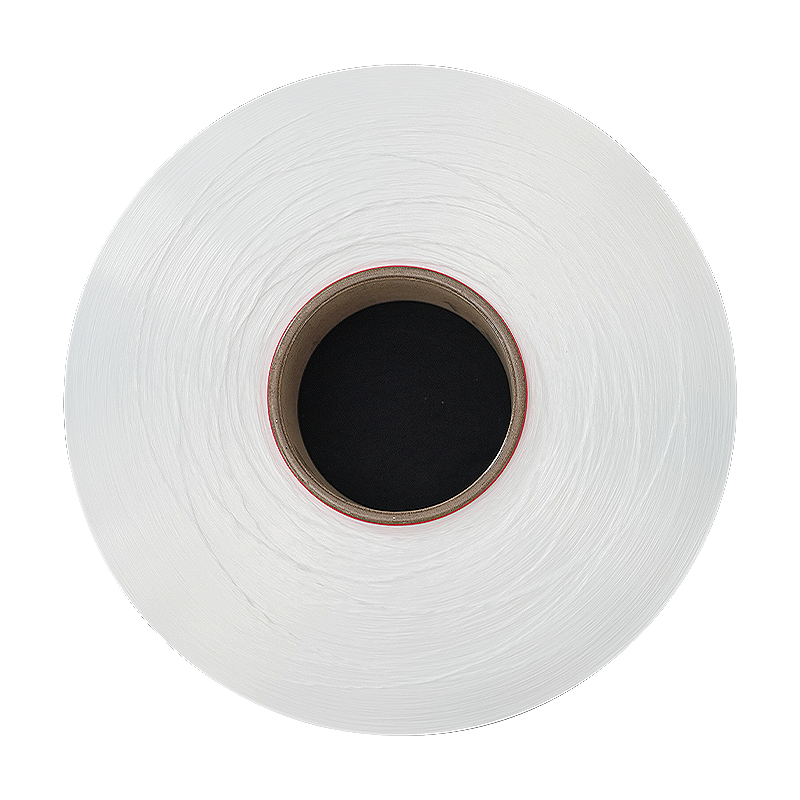
Stretch durable FDY yarn has good elasticity and can return to its original shape after being stressed, giving the textile a comfortable wearing feel and good ductility. It can fit the contours of the...
See DetailsAddress: Duntou industrial park, haian county, nantong city,jiangsu province ,China.
TEL: +86 15850491859
E-mail: sales-betty@hsnylon.com
If You Are Interested In Our Products, Please Consult Us
 Wholesale Nylon Filament Yarn Manufacturers