
 English
 中文简体
中文简体
 русский
 Español
 عربى
عربى
Product Consultation
Your email address will not be published. Required fields are marked *
Nylon mother yarn is a fundamental raw material used in textile production, especially for the manufacture of fabrics, carpets, industrial textiles, and knitting applications. Its properties, such as tensile strength, elasticity, and surface smoothness, make it a popular choice among yarn manufacturers. However, like other synthetic fibers, nylon mother yarn can exhibit challenges related to static electricity and moisture absorption, which can affect handling, processing, and final product quality.
Nylon is a synthetic polyamide fiber, formed by polymerizing monomers such as hexamethylene diamine and adipic acid for Nylon 6,6, or caprolactam for Nylon 6. The polymer chains contain amide linkages, which provide strength and durability but also influence interactions with water molecules. The fiber’s chemical composition and molecular arrangement determine its moisture regain, static behavior, and response to environmental conditions.
One of the key concerns in handling nylon mother yarn is static electricity. Due to the synthetic nature of nylon, it has low electrical conductivity, allowing charge accumulation on the fiber surface. Friction between yarns or contact with machine surfaces during spinning, winding, or weaving can generate static charges. Accumulated static can cause yarn attraction, tangling, or sparks, which may affect processing efficiency and create safety concerns in industrial environments.
Static generation in nylon mother yarn is influenced by environmental humidity, yarn diameter, tension, and processing speed. Low humidity environments reduce the dissipation of electrical charges, making static problems more pronounced. Higher-speed machinery increases friction and contact points, contributing to static accumulation. The yarn’s surface smoothness and finishing also affect its tendency to generate static electricity. Effective control measures are needed to minimize operational disruptions.
Nylon mother yarn is hygroscopic, meaning it can absorb moisture from the environment. Its moisture regain is typically around 4 to 5 percent under standard atmospheric conditions. Moisture absorption can affect yarn properties, including elasticity, dimensional stability, and weight. Variations in moisture content may also influence dye uptake, fabric appearance, and performance during weaving or knitting. Understanding the interaction between nylon and water is essential for quality control and consistent textile processing.
Excess moisture in nylon mother yarn can lead to swelling, increased friction, and potential stretching during handling. In spinning or weaving, uneven moisture content may cause tension variations, affecting fabric uniformity. Conversely, excessively dry yarn increases static problems, as the lack of moisture reduces the ability of fibers to dissipate electrical charges. Maintaining a balanced humidity level during storage and processing helps control both moisture-related and static issues.
Several approaches can reduce static electricity problems in nylon mother yarn. Humidification in production areas increases environmental moisture, allowing charges to dissipate more readily. Anti-static sprays or fiber finishes can coat the yarn surface, reducing charge accumulation. Proper grounding of machinery and conductive work surfaces further prevents static buildup. Selection of yarn types with low surface friction and consistent filament quality also helps minimize static-related disruptions.
To manage moisture absorption, nylon mother yarn should be stored in controlled environments with regulated humidity. Dehumidifiers or air conditioning systems maintain stable moisture levels, preventing excessive water uptake or drying. Packaging in moisture-resistant materials protects yarn during transport and storage. Monitoring moisture content with standard testing methods ensures yarn is ready for subsequent processing steps without negative effects on performance.
| Fiber Type | Static Electricity Tendency | Moisture Absorption | Processing Considerations |
| Nylon | High in dry environments | Moderate (4-5%) | Requires humidity control and anti-static measures |
| Polyester | Moderate to high | Low (0.4-0.8%) | More prone to static than moisture-related issues |
| Cotton | Low | High (6-8%) | Moisture control is important; static is less problematic |
| Wool | Low to moderate | High (12-16%) | Moisture management important; static generally not an issue |
Temperature, relative humidity, and airflow impact both static electricity and moisture absorption. High temperatures and low humidity increase static buildup, while moderate humidity helps dissipate charges. Moist environments allow fibers to absorb water, potentially affecting tension and elasticity during processing. Ensuring a stable production environment reduces the risk of issues related to both static electricity and moisture content.
Proper handling and storage practices minimize problems in nylon mother yarn. Yarn should be wound consistently without excessive tension or overlap that may increase friction. Avoiding contact with sharp surfaces prevents filament damage. Storage in humidity-controlled rooms, with protection from dust and direct sunlight, maintains fiber integrity. Regular inspection of stored yarn identifies early signs of static-related clumping or moisture-induced deformation.
Static electricity and moisture absorption in nylon mother yarn can influence the quality of fabrics, carpets, or industrial textiles. Uneven tension or friction from static can cause yarn breakage or inconsistent weaving patterns. Variations in moisture content may affect dyeing uniformity, shrinkage, or elasticity in finished products. Controlling these factors ensures consistent textile properties and reduces defects during manufacturing.
To minimize the effects of static electricity and moisture absorption, it is recommended to maintain moderate humidity levels in production and storage areas. Use anti-static finishes or fiber treatments, and ensure proper grounding of machinery. Monitor yarn moisture content regularly and handle the yarn carefully to prevent friction or tangling. Selecting high-quality filaments and consistent winding practices further enhances performance.
Nylon mother yarn exhibits characteristics that make it susceptible to static electricity and moisture absorption under certain conditions. Both factors can affect handling, processing, and the quality of final textile products. With controlled storage, humidity management, anti-static measures, and careful handling, these issues can be mitigated, allowing nylon mother yarn to perform reliably in a variety of industrial and textile applications.
What are the differences between nylon elastic yarn and ordinary nylon yarn?
2026-02-05
What are the tensile strength and resilience of biodegradable yarn?
2026-02-19Your email address will not be published. Required fields are marked *
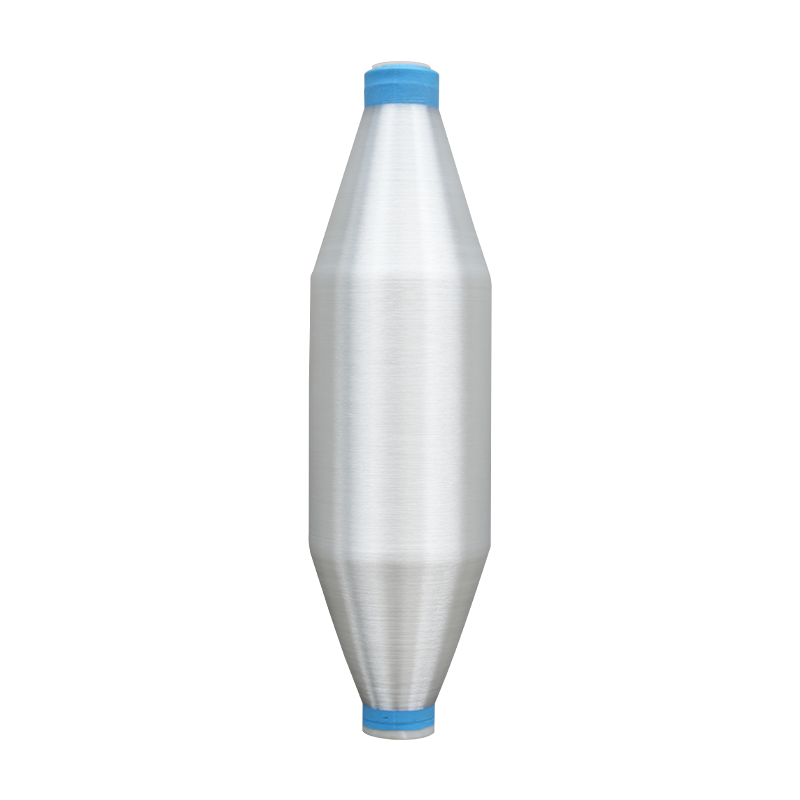
60D woven Antiviral Yarn is thin overall and suitable for making light and soft textiles. Nylon fiber has a soft feel and good breathability. This yarn is usually used to weave fabrics and can be made...
See Details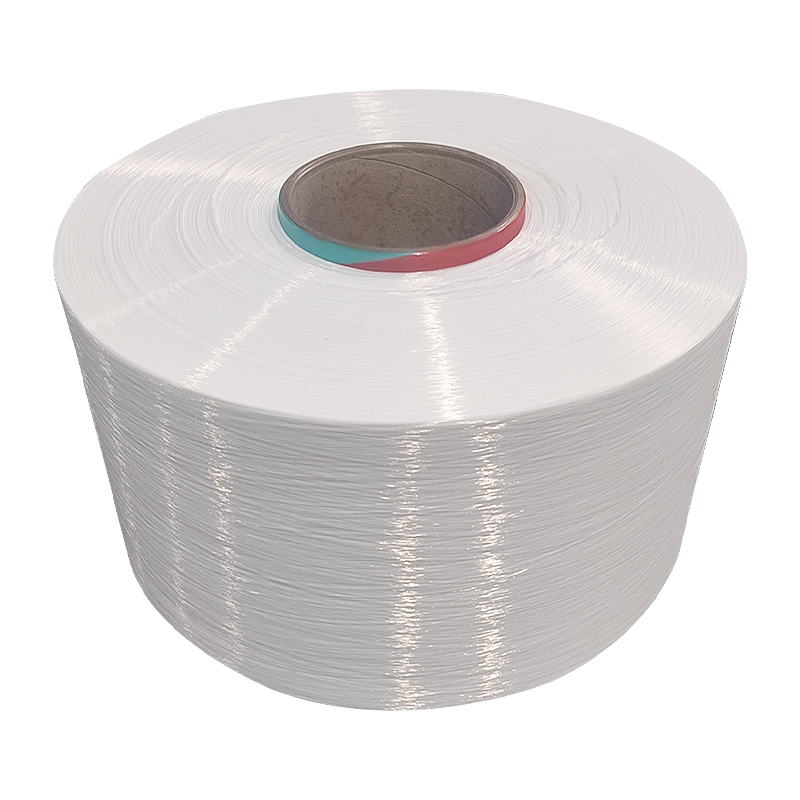
Colored Nylon Mother Yarn can be processed through spinning, drawing, dyeing and other processes to meet the needs of different textiles. It has good processing adaptability and can be made into vario...
See Details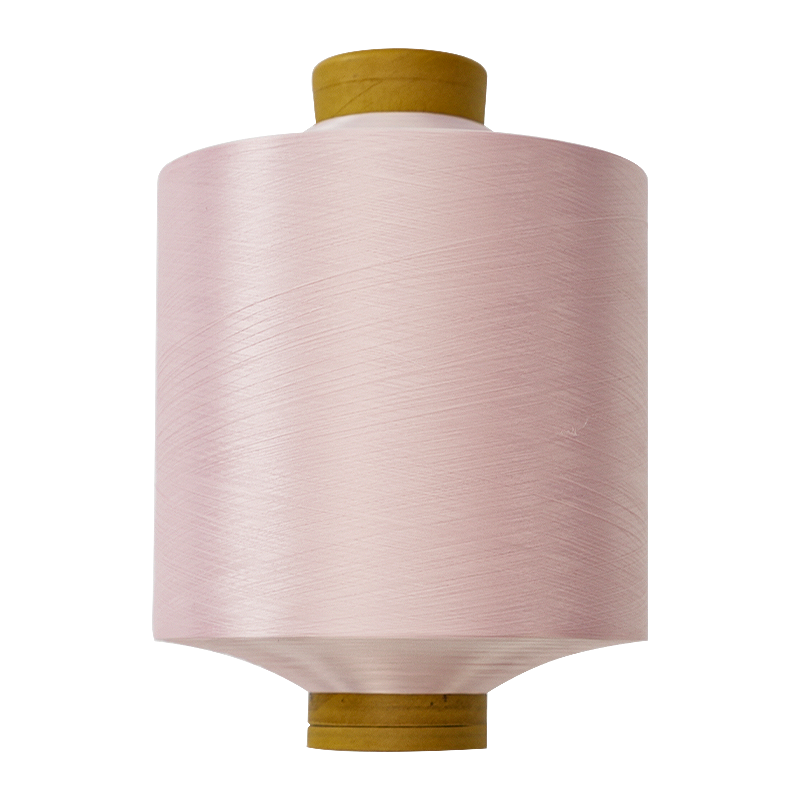
Nylon Elastic Yarn has elasticity and can quickly return to its original shape after stretching. This high elasticity makes the fabrics stretchable and comfortable. Nylon material has good wear resist...
See Details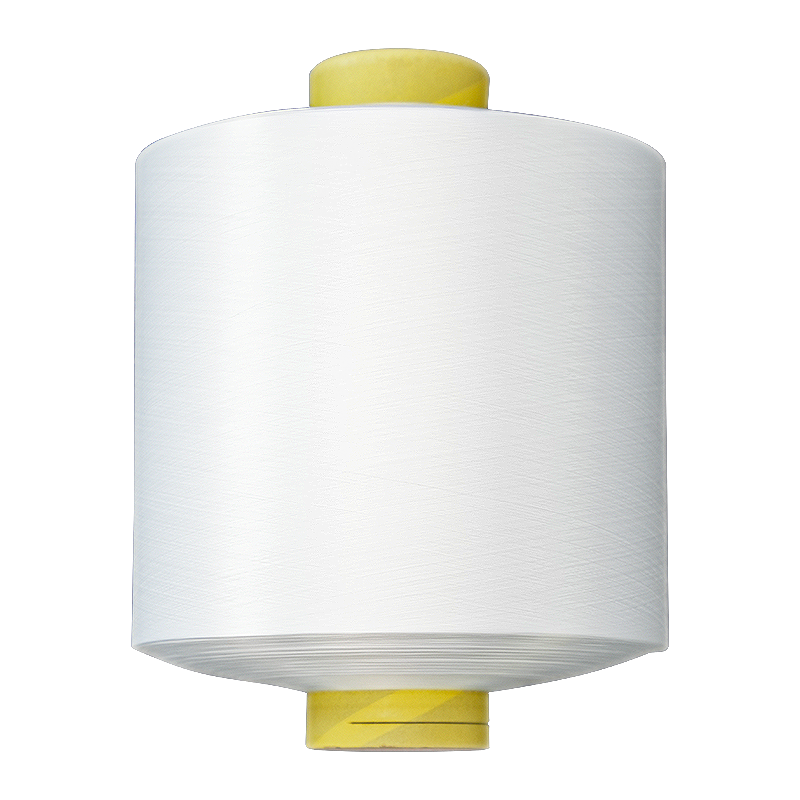
Nylon stretch sportswear yarn is a yarn used to make sportswear and other clothing that require high breathability. Nylon fiber has good breathability, which helps to wick away perspiration and keep t...
See Details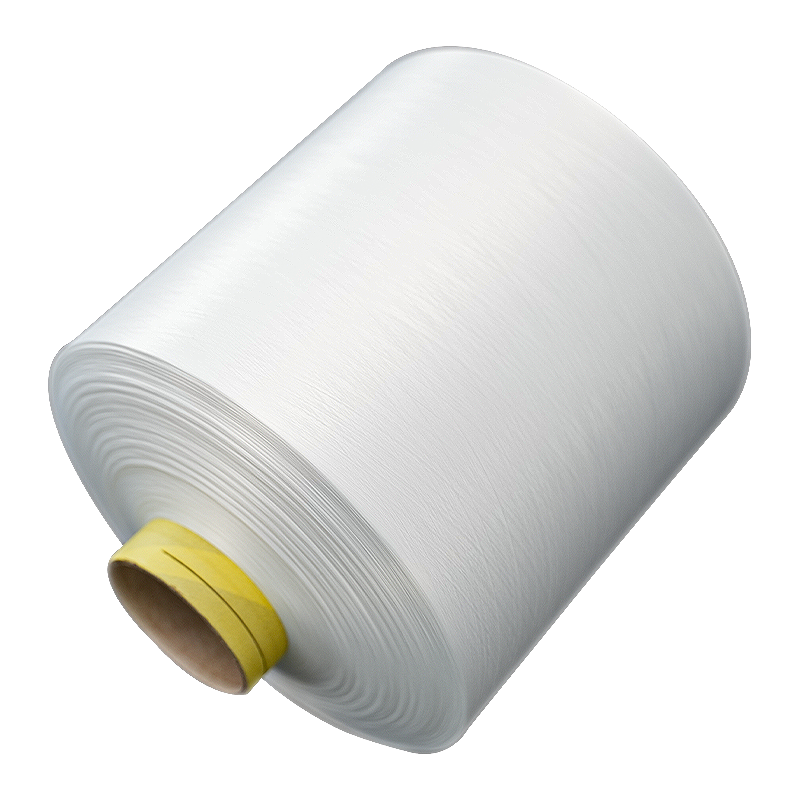
Nylon elastic yarn for textile use has a wide range of applications. Nylon elastic yarn is suitable for the manufacture of various textiles, such as underwear, socks, sportswear, swimwear, elastic fab...
See Details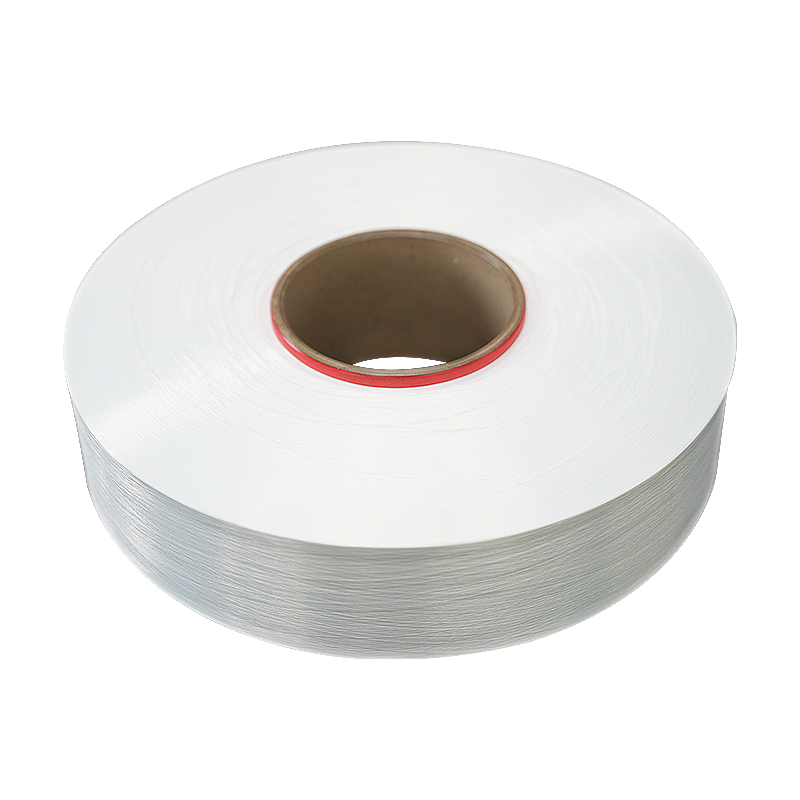
Polyester blended FDY yarn is a standard 50D yarn made from a blend of polyester and nylon. It combines the characteristics of both fibers and has durability and breathability. It has a wide range of ...
See Details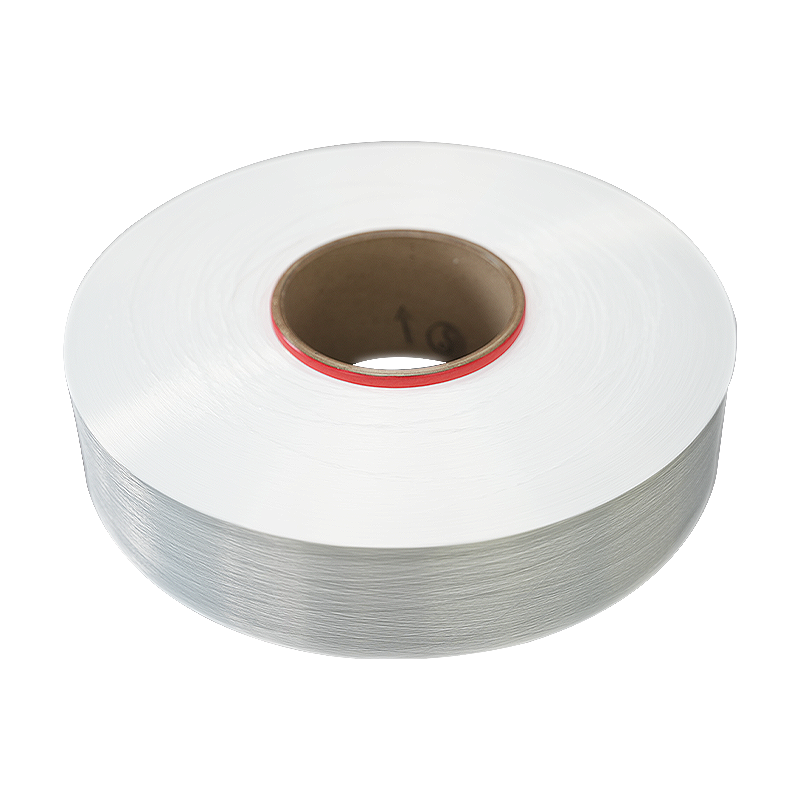
Low-melt textile FDY yarn can bond with other fibers at a certain temperature to form a strong fabric structure. This property makes it ideal for manufacturing synthetic or reinforced fabrics. This ki...
See Details
210D Permanent Cooling FDY Yarn is suitable for the manufacture of various textiles, such as sportswear, outdoor equipment, household items, etc. Textiles made of this material often have good breatha...
See Details
Water-repellent blended FDY yarn has good waterproof properties. This characteristic makes Water-repellent blended FDY yarn a greater advantage when making textiles with high waterproof requirements s...
See Details
Composite woven FDY yarn mixes different types of fibers and has good wear resistance. The fabric made is not easy to wear and is suitable for long-term use. Composite woven FDY yarn has a wide range ...
See Details
Stretch durable FDY yarn has good elasticity and can return to its original shape after being stressed, giving the textile a comfortable wearing feel and good ductility. It can fit the contours of the...
See Details
Water-repellent high Filament spun yarn has strong water resistance, providing an extremely delicate touch while retaining strength. Suitable for a wide range of applications from intricate embroidery...
See DetailsAddress: Duntou industrial park, haian county, nantong city,jiangsu province ,China.
TEL: +86 15850491859
E-mail: sales-betty@hsnylon.com
If You Are Interested In Our Products, Please Consult Us
 Wholesale Nylon Filament Yarn Manufacturers