
 English
 中文简体
中文简体
 русский
 Español
 عربى
عربى
Product Consultation
Your email address will not be published. Required fields are marked *
Biodegradable yarn is a type of fiber designed to break down naturally over time through biological processes, reducing environmental impact compared to conventional synthetic fibers. It is used in applications ranging from textiles and clothing to packaging and industrial products. Understanding the tensile strength and resilience of biodegradable yarn is essential for assessing its suitability for various applications, as these properties influence durability, processing, and end-use performance.
Biodegradable yarns are often made from natural fibers such as cotton, bamboo, jute, or from bio-based polymers like polylactic acid (PLA) and polyhydroxyalkanoates (PHA). Natural fibers provide inherent biodegradability and moderate mechanical strength, while synthetic biodegradable polymers offer uniformity and controlled properties. The molecular structure, polymer chain length, and degree of crystallinity affect the tensile strength, elasticity, and resilience of the yarn.
Tensile strength is the maximum stress that a yarn can withstand while being stretched before breaking. Biodegradable yarn exhibits varying tensile strengths depending on the source material and processing method. Natural fibers like cotton and bamboo have moderate tensile strength suitable for clothing and home textiles. PLA-based yarns demonstrate higher initial strength but may show slight weakening over time under high humidity or thermal stress. Accurate measurement of tensile strength ensures yarn meets the requirements of its intended application.
Resilience refers to the ability of yarn to return to its original shape after being stretched or deformed. Biodegradable yarn typically exhibits lower resilience than synthetic non-biodegradable fibers, especially in natural fibers. Polymer-based biodegradable yarns can show better elastic recovery, although repeated mechanical stress may reduce elasticity over time. Resilience impacts fabric performance, including drape, tension maintenance, and resistance to sagging in finished products.
The tensile strength of biodegradable yarn is influenced by fiber type, filament diameter, twist level, and environmental conditions. Higher filament density and tighter twisting generally improve strength, while uneven fiber distribution or micro-defects can reduce it. Moisture absorption in natural fibers may temporarily reduce tensile strength, and exposure to heat or UV light can affect polymer-based biodegradable yarns. Careful control during spinning and processing helps maintain consistent mechanical properties.
Biodegradable yarn is sensitive to environmental conditions such as humidity, temperature, and microbial activity. High humidity can soften fibers, reducing tensile strength temporarily. Microbial degradation, essential for biodegradability, can initiate in the presence of moisture and warmth, gradually affecting mechanical properties over time. While environmental degradation is a desired property for end-of-life disposal, it must be balanced with maintaining sufficient strength during the product's functional life.
| Yarn Type | Tensile Strength | Resilience | Moisture Sensitivity | Typical Applications |
| Cotton | Moderate | Moderate | High | Clothing, home textiles |
| Bamboo | Moderate to high | Moderate | High | Garments, eco-friendly textiles |
| PLA-based Yarn | High initially | Moderate to high | Moderate | Packaging, industrial textiles |
| PHA-based Yarn | Moderate to high | Moderate | Low to moderate | Medical textiles, compostable fabrics |
During spinning, weaving, or knitting, biodegradable yarn must be handled carefully to prevent premature loss of strength. Excessive tension, friction, or exposure to heat may weaken fibers or alter their resilience. Maintaining controlled humidity and temperature in production areas reduces fiber brittleness or softening. Proper storage in breathable, moisture-stable packaging prevents degradation before yarn processing.
Tensile strength and resilience determine how biodegradable yarn performs in final textiles or industrial applications. Fabrics made with yarns of higher tensile strength resist tearing, abrasion, and distortion. Resilient yarns maintain shape, drape, and dimensional stability under repeated use. Balancing strength and resilience ensures functionality while preserving biodegradability for environmentally responsible products.
Thicker filaments generally provide higher tensile strength but may reduce flexibility. Twist in yarns affects both strength and elasticity; tighter twists improve load-bearing capacity but can reduce softness and resilience. Proper optimization of diameter and twist allows for achieving required mechanical properties without compromising processing performance or biodegradability.
Moisture absorption in biodegradable yarns can influence both tensile strength and resilience. Natural fibers absorb water readily, which can temporarily decrease stiffness but improve pliability. Polymer-based yarns absorb less moisture but may experience slight dimensional changes. Controlling environmental moisture and using appropriate pre-treatment processes helps maintain yarn properties during handling and processing.
While biodegradability is a desirable property, biodegradable yarn must maintain sufficient tensile strength and resilience during its intended lifecycle. Exposure to mechanical stress, light, and moisture before end-of-life should not compromise functional performance. Monitoring degradation rates and selecting appropriate materials and processing techniques ensures the yarn provides reliability throughout its useful life while still being environmentally friendly at disposal.
For optimal performance, biodegradable yarn should be selected based on its mechanical requirements, environmental conditions, and intended use. Proper handling, controlled storage, and careful processing protect tensile strength and resilience. Understanding moisture sensitivity, fiber type, and polymer behavior allows manufacturers to produce high-quality textiles, garments, and industrial products that are functional and sustainable.
Biodegradable yarn exhibits a balance of tensile strength and resilience suitable for many applications, though performance varies with material type, processing, and environmental conditions. Natural fibers offer moderate strength with higher moisture sensitivity, while polymer-based biodegradable yarns provide higher initial strength and controlled resilience. Effective handling, storage, and processing practices preserve mechanical properties, ensuring functional and environmentally responsible products.
Does nylon mother yarn have problems with static electricity or moisture absorption?
2026-02-12
Does nylon monofilament yarn have high tensile strength and elastic recovery?
2026-02-26Your email address will not be published. Required fields are marked *
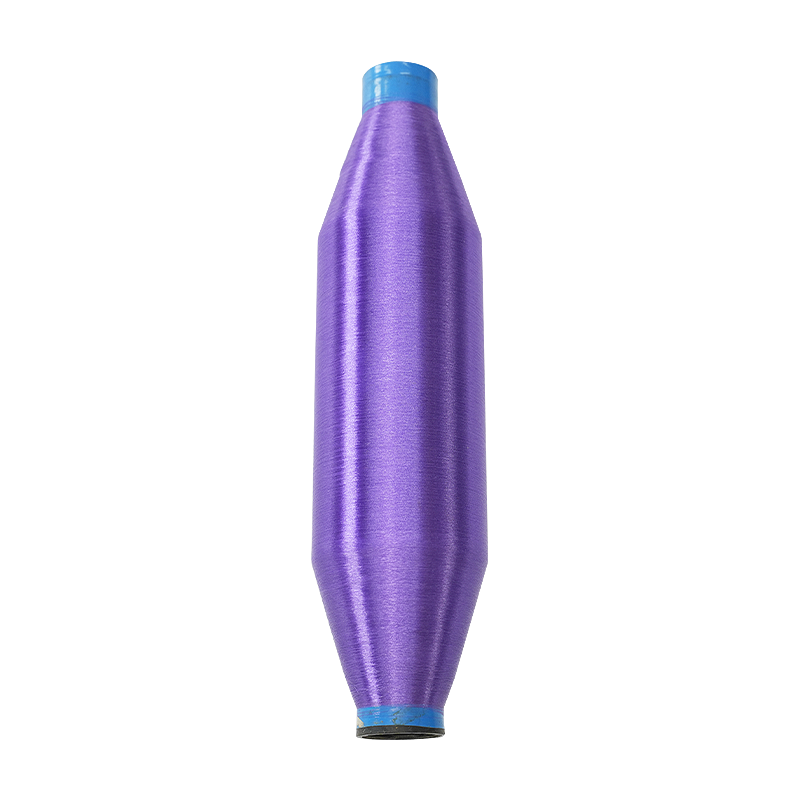
Single Strand Biodegradable Yarn is a single-strand structure, consisting of a single fiber bundle with no multiple strands tangled together. This structure makes the yarn softer, and smoother and exh...
See Details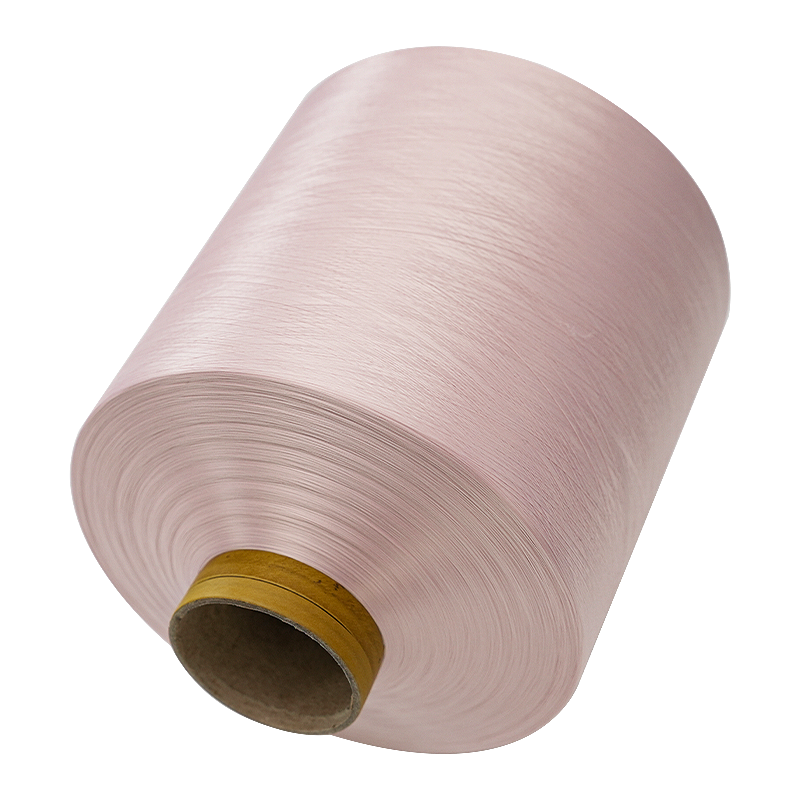
Double-strand nylon elastic yarn is a composite yarn composed of two strands of yarn. It has high strength, maintains stable performance even in a stretched state, and is not easy to break or deform. ...
See Details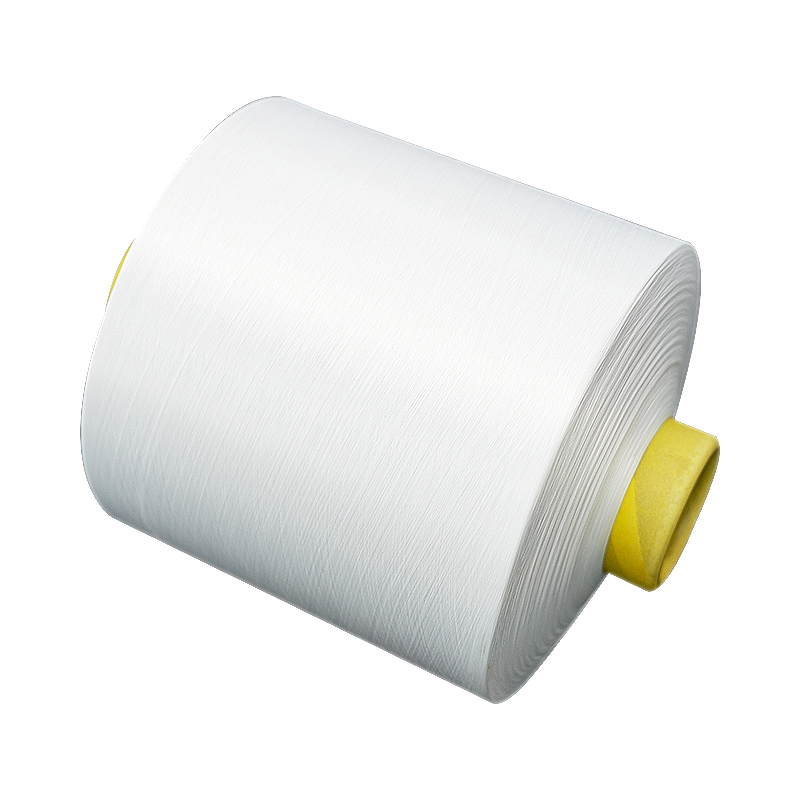
100D Nylon Elastic Yarn has a moderate thickness and good dyeing properties, which can achieve uniform and durable dyeing effects, making textiles bright and long-lasting in color. A yarn frequently u...
See Details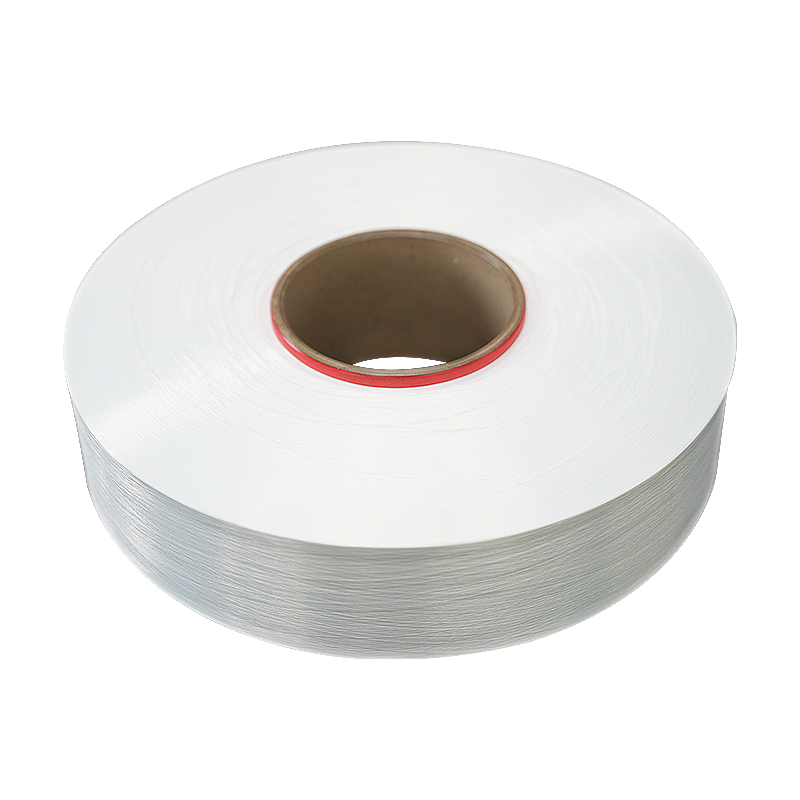
Polyester blended FDY yarn is a standard 50D yarn made from a blend of polyester and nylon. It combines the characteristics of both fibers and has durability and breathability. It has a wide range of ...
See Details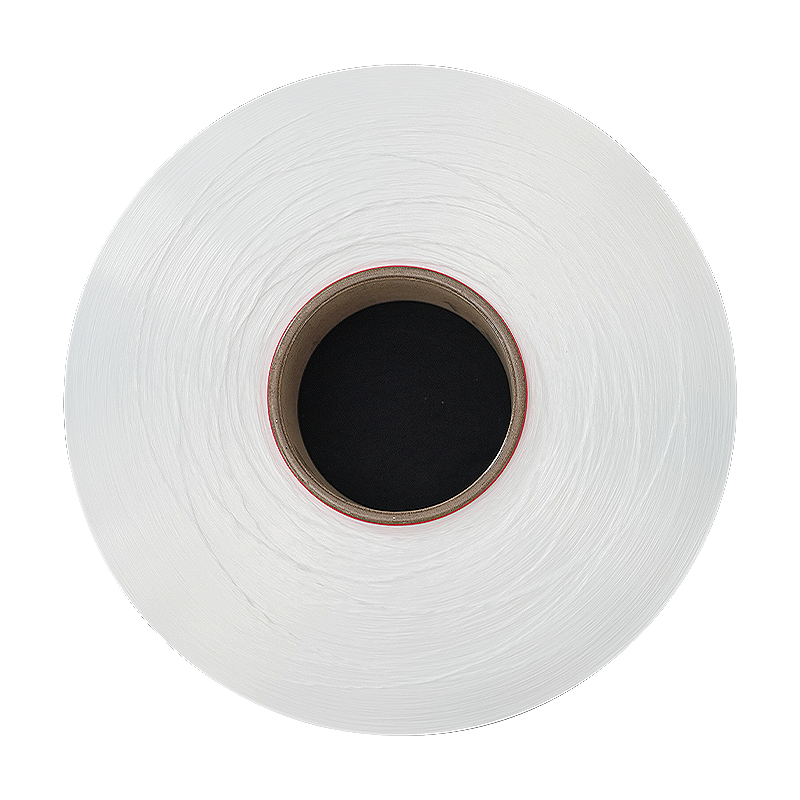
Durable composite nylon yarn has stretch and recovery properties, providing the necessary comfort, fit, and flexibility for clothing and textiles. Made of a blend of nylon fiber and polyester fiber, i...
See Details
Fully stretched polyester blended yarn is made of a blend of polyester and nylon. Polyester itself has good wear resistance. After full stretch processing, the strength and softness of the yarn increa...
See Details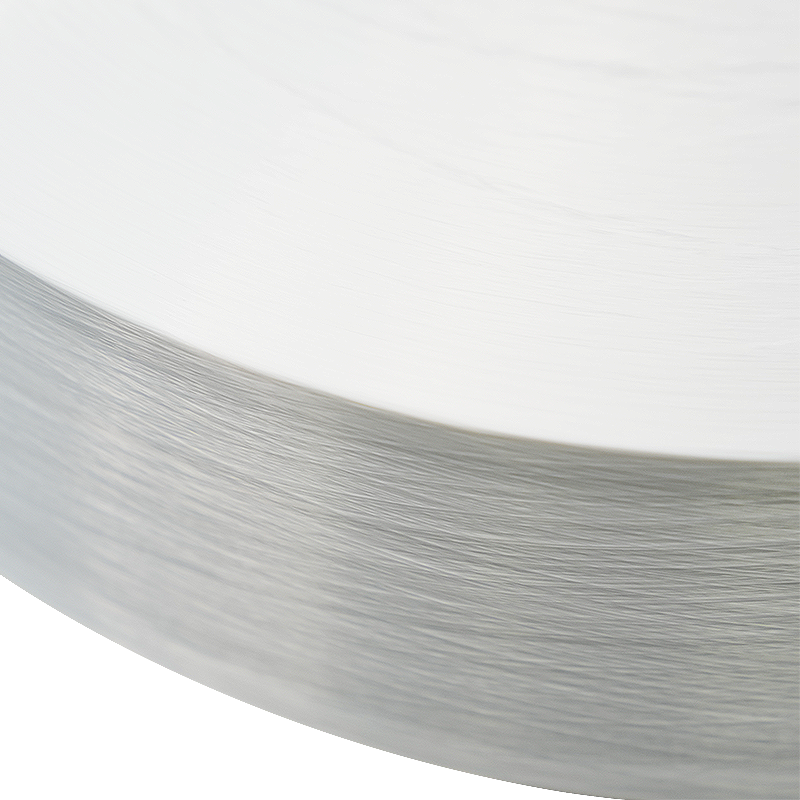
210D Polyester Nylon Composite FDY yarn is a composite fiber yarn. FDY is a mixture of polyester and nylon fibers. It combines the advantages of the two fibers, the abrasion resistance of polyester an...
See Details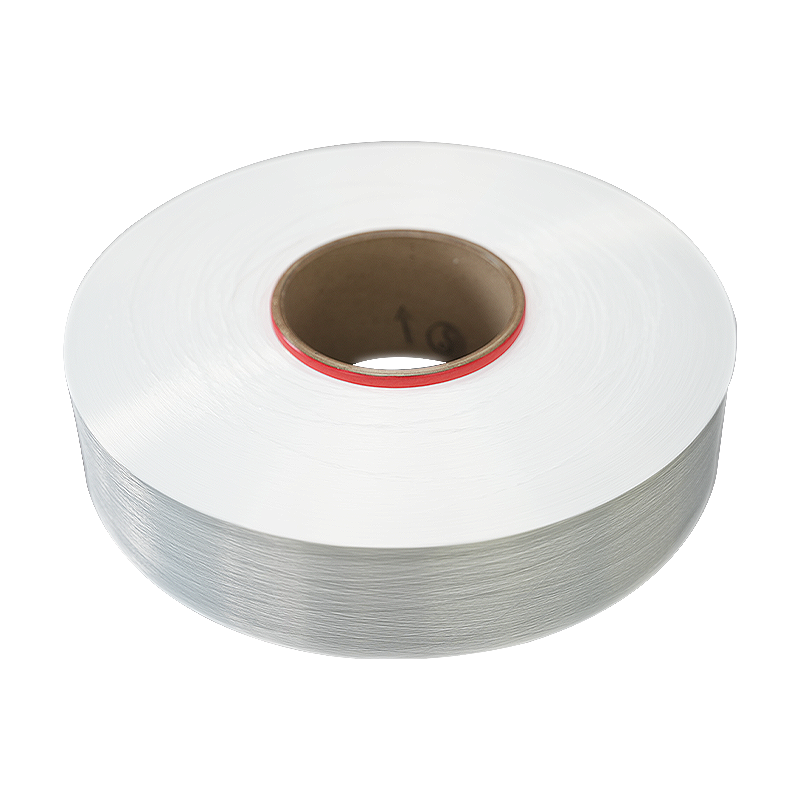
Low-melt textile FDY yarn can bond with other fibers at a certain temperature to form a strong fabric structure. This property makes it ideal for manufacturing synthetic or reinforced fabrics. This ki...
See Details
210D Permanent Cooling FDY Yarn is suitable for the manufacture of various textiles, such as sportswear, outdoor equipment, household items, etc. Textiles made of this material often have good breatha...
See Details
Water-repellent blended FDY yarn has good waterproof properties. This characteristic makes Water-repellent blended FDY yarn a greater advantage when making textiles with high waterproof requirements s...
See Details
Composite woven FDY yarn mixes different types of fibers and has good wear resistance. The fabric made is not easy to wear and is suitable for long-term use. Composite woven FDY yarn has a wide range ...
See Details
The fibers of 210D water-repellent yarn are relatively thick, making the yarn highly wear-resistant and durable, making it suitable for long-term use. Composite fiber enables yarn to have the advantag...
See DetailsAddress: Duntou industrial park, haian county, nantong city,jiangsu province ,China.
TEL: +86 15850491859
E-mail: sales-betty@hsnylon.com
If You Are Interested In Our Products, Please Consult Us
 Wholesale Nylon Filament Yarn Manufacturers