
 English
 中文简体
中文简体
 русский
 Español
 عربى
عربى
Product Consultation
Your email address will not be published. Required fields are marked *
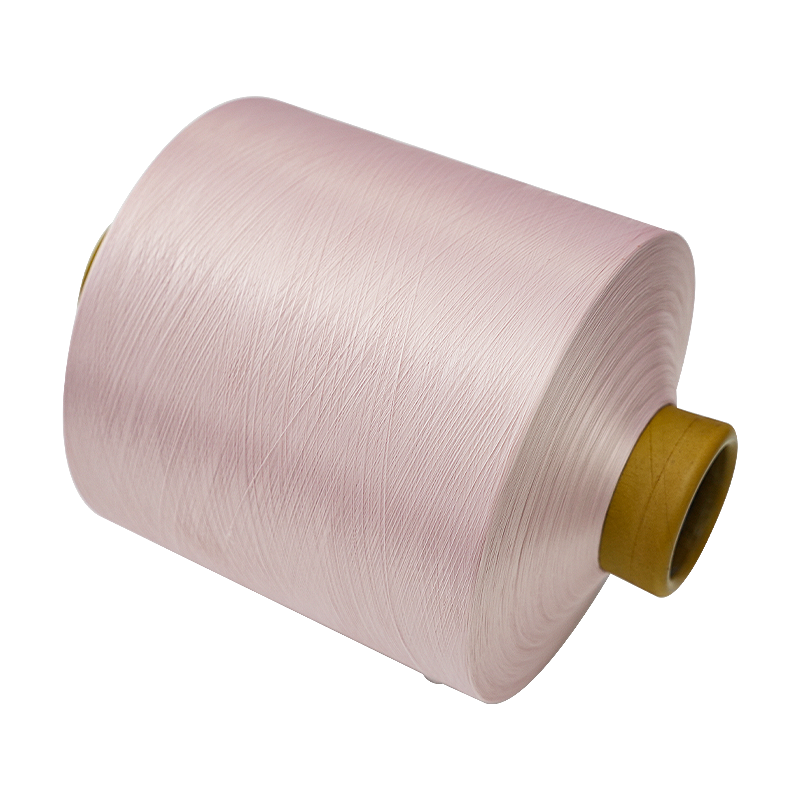
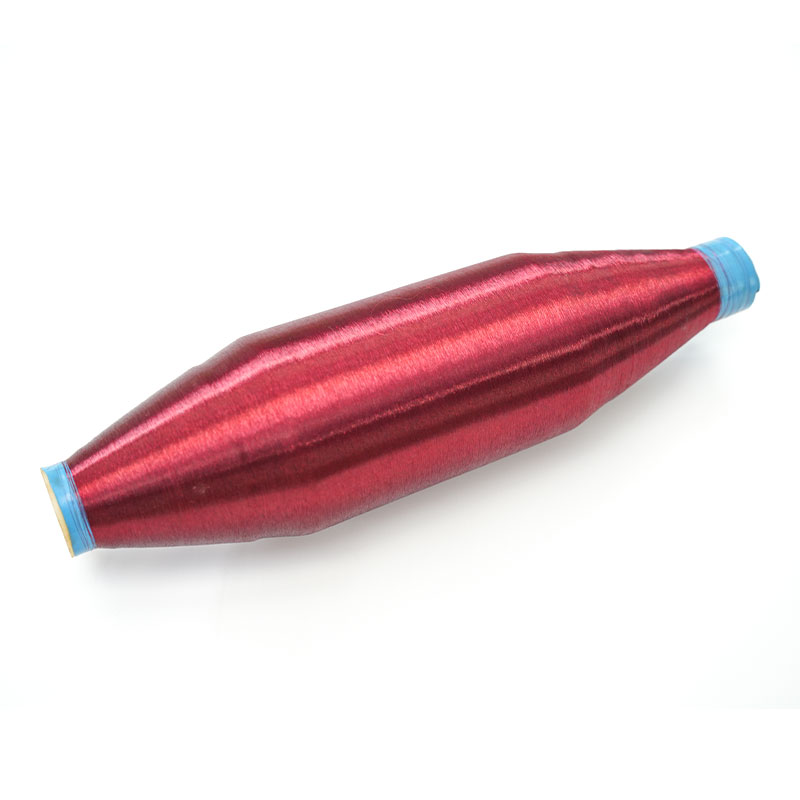
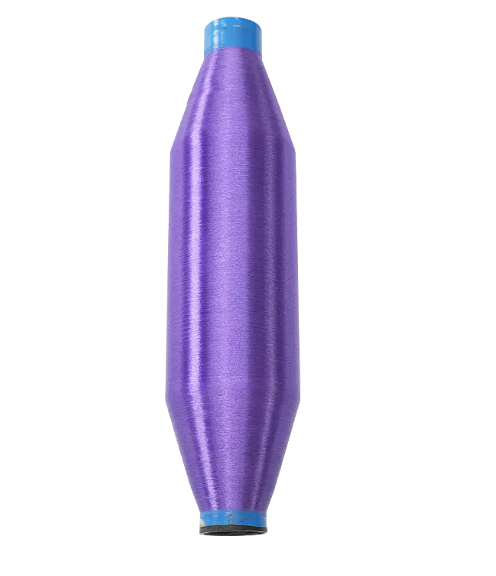
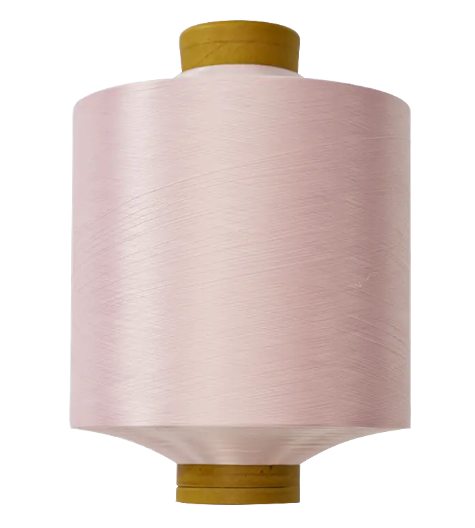
Nylon Multifilament Yarn is a yarn composed of multiple fine nylon fibers. It is widely used for its good softness and comfort. The source of its softness can be attributed to multiple factors, including fiber structure, material properties, production process and post-processing technology. Understanding these factors can help us better apply and optimize this material.
1. Fiber structure
Nylon multifilament yarn is composed of many thin nylon fibers, each of which is usually small in diameter. This filament structure allows the fibers to be better interwoven during weaving to form a soft fabric. The structure of multifilament yarn allows each fiber to move freely within a certain range, thereby improving the overall softness and elasticity. The large surface contact area of the fine fibers increases the soft feel.
2. Material properties
Nylon fiber itself has good flexibility and ductility, which is another important factor leading to its softness. The molecular structure of nylon is highly flexible and can quickly deform and return to its original shape when subjected to external forces. This property makes nylon multifilament yarn not stiff during use, but presents a natural softness. The resilience of nylon also enhances its softness, making the product comfortable after long-term use.
3. Production process
The production process of nylon multifilament yarn has a significant impact on its softness. During the manufacturing process, controlling the stretch and twist can optimize the arrangement and organization of the fibers. Moderate stretching can enhance the toughness of the fiber while maintaining a certain degree of softness. In addition, modern production technology allows the fiber to be precisely controlled to obtain the ideal feel and softness. These processes ensure the comfort of the final product during use.
4. Post-processing technology
After production, nylon multifilament yarn usually undergoes a series of post-processing steps, which can further enhance its softness. Yarn treated with softeners can obtain a silkier feel, making the fabric softer. In addition, the heat setting process can stabilize the shape and structure of the fiber to prevent it from becoming stiff during use. , the diversity of post-treatment allows nylon multifilament yarn to be customized according to different application requirements.
5. Fabric structure
The softness of nylon multifilament yarn is also affected by the fabric structure. Different weaving techniques, such as plain, twill or knitting, can affect the softness of the final fabric. Tight weave structures usually increase the softness of the fabric, while looser structures may enhance breathability. Designers will consider these factors when making fabrics to ensure that the product can provide a comfortable wearing experience.
6. Environmental factors
Environmental conditions will also affect the softness of nylon multifilament yarn. Changes in temperature and humidity can affect the physical properties of the fiber. At suitable temperature and humidity, the softness of nylon multifilament yarn is better, while under extreme conditions, the fiber may become stiff. Therefore, when using and storing nylon multifilament yarn, it is necessary to consider the impact of the environment to maintain its good softness
Why does Nylon Elastic Yarn have good elasticity?
2024-10-08
Why is Nylon Multifilament Yarn so resistant to UV rays?
2024-10-22Your email address will not be published. Required fields are marked *
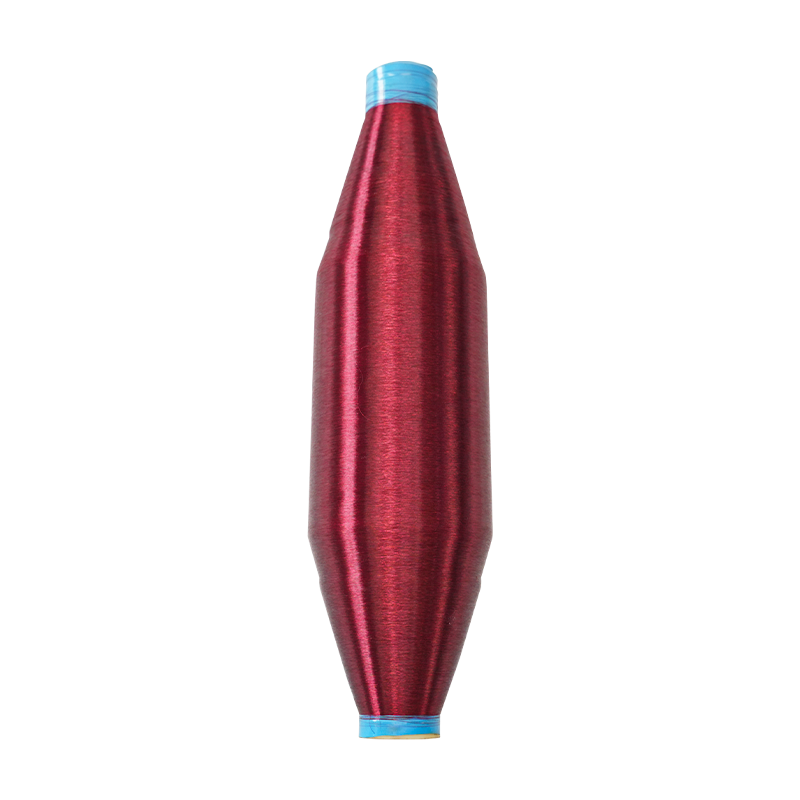
Biodegradable nylon yarn biodegrades faster in the environment than traditional synthetic fibers, helping to reduce negative environmental impacts. It also has the properties of nylon fiber, such as h...
See Details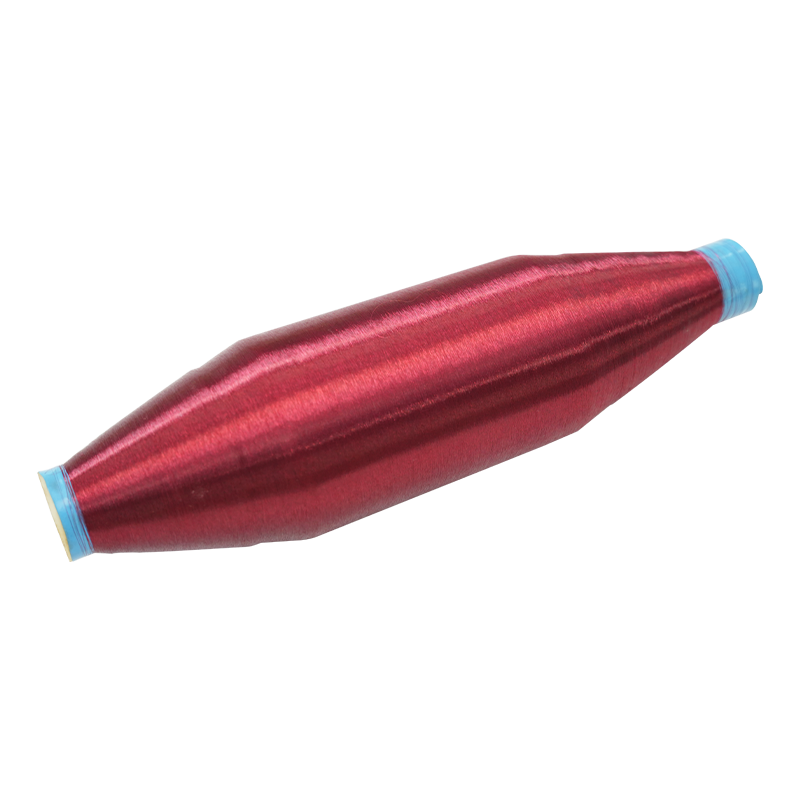
Antiviral nylon Monofilament Yarn can inhibit the survival of viruses on the surface of the yarn, which can effectively reduce the risk of virus transmission and improve user safety. The yarn has a mo...
See Details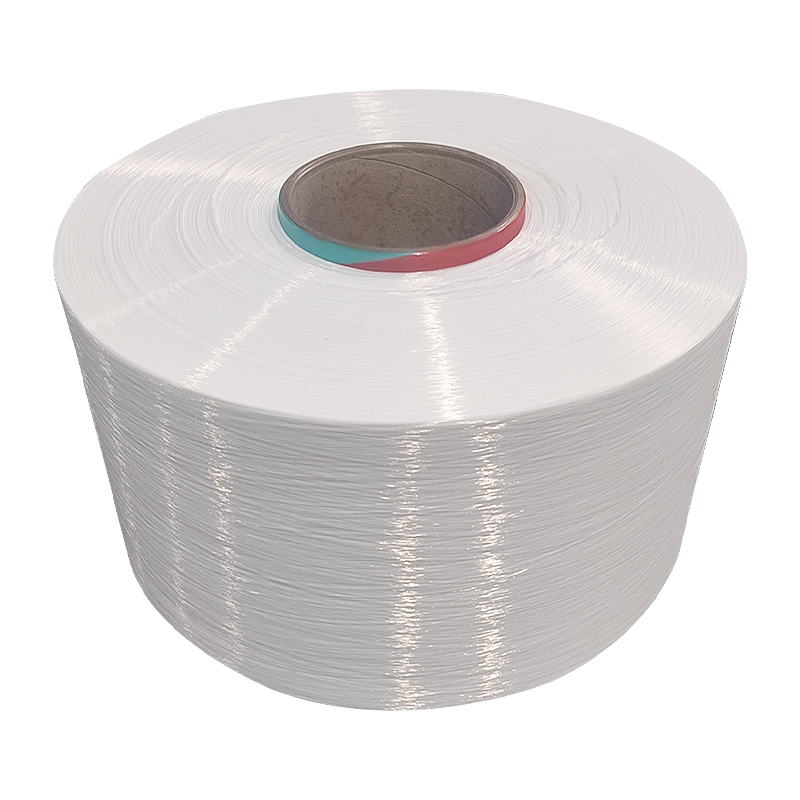
The diameter of Durable woven nylon mother yarn is 240D, the fiber thickness is medium, and it is suitable for the manufacture of a variety of textiles. This product has good tensile strength and will...
See Details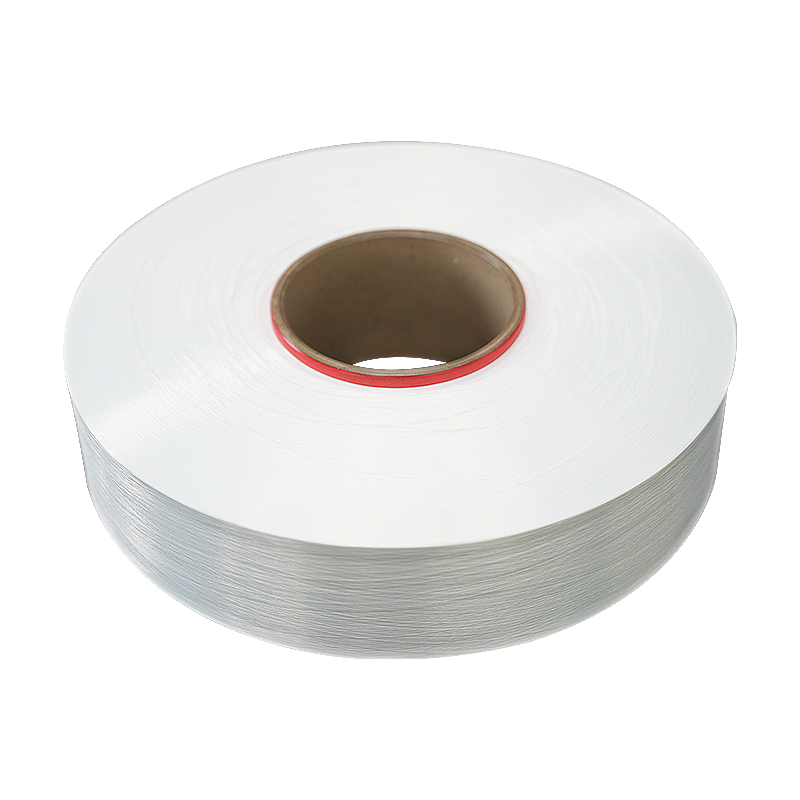
Nylon composite yarn has high strength and toughness. Textiles made with Nylon composite yarn have good stretch resistance and tear resistance. This yarn has a wide range of applications and can be us...
See Details
210D Polyester Nylon Composite FDY yarn is a composite fiber yarn. FDY is a mixture of polyester and nylon fibers. It combines the advantages of the two fibers, the abrasion resistance of polyester an...
See Details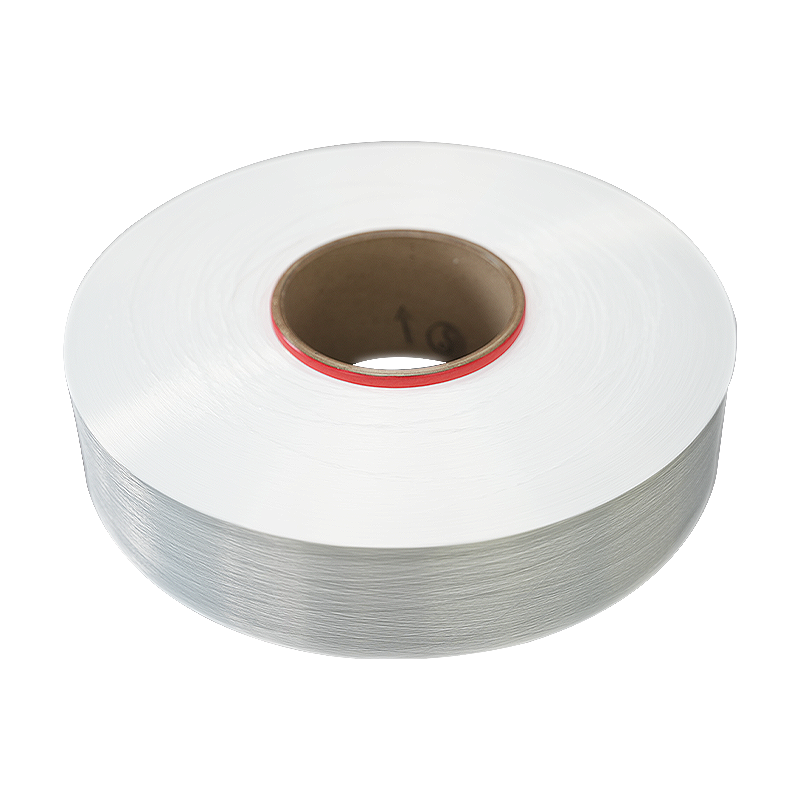
Low-melt textile FDY yarn can bond with other fibers at a certain temperature to form a strong fabric structure. This property makes it ideal for manufacturing synthetic or reinforced fabrics. This ki...
See Details
Cooling brushed durable FDY yarn has high durability and is suitable for manufacturing textiles that require wear resistance and durability. It is not easy to wear out after long-term use. Textiles of...
See Details
High shrinkage blended polyester yarn has a high shrinkage rate and is suitable for textile manufacturing that requires shrinkage treatment, such as making pleated fabrics or textile shaping. Because ...
See Details
Composite woven FDY yarn mixes different types of fibers and has good wear resistance. The fabric made is not easy to wear and is suitable for long-term use. Composite woven FDY yarn has a wide range ...
See Details
Composite fiber yarn for textile use consists of 48 monofilaments. Relatively thin and composed of multiple filaments, it adds softness and texture to the fabric. This product is suitable for the manu...
See Details
Water-repellent high Filament spun yarn has strong water resistance, providing an extremely delicate touch while retaining strength. Suitable for a wide range of applications from intricate embroidery...
See Details
The fibers of 210D water-repellent yarn are relatively thick, making the yarn highly wear-resistant and durable, making it suitable for long-term use. Composite fiber enables yarn to have the advantag...
See DetailsAddress: Duntou industrial park, haian county, nantong city,jiangsu province ,China.
TEL: +86 15850491859
E-mail: sales-betty@hsnylon.com
If You Are Interested In Our Products, Please Consult Us
 Wholesale Nylon Filament Yarn Manufacturers