
 English
 中文简体
中文简体
 русский
 Español
 عربى
عربى
Product Consultation
Your email address will not be published. Required fields are marked *
Industrial manufacturing and advanced textile engineering rely on custom nylon monofilament yarn to fulfill high-tensile, abrasion-resistant, and exact dimensional specifications. Unlike multiflament yarns, which twist multiple tiny strands together, a monofilament is a single, solid continuous strand of synthetic fiber extruded through a precision die. Customizing this single strand—by altering its chemical base polymer, cross-sectional geometry, diameter, and chemical additives—allows manufacturers to engineer exact performance profiles for aerospace, automotive, medical, and filtration industries.
The capability to tailor these specific physical parameters transforms nylon from a generic polymer into a highly specialized solution. Whether a process demands high thermal stability, specialized chemical resistance, or strict diameter tolerances within fractions of a millimeter, custom extrusion processes deliver predictable mechanical characteristics. This tailored approach minimizes machine downtime and maximizes the service life of finished components in harsh operational environments.
The foundation of custom yarn customization begins with selecting the appropriate polyamide chemical matrix. Different nylon grades yield distinct behavioral differences when exposed to moisture, heat, mechanical tension, and chemical solvents.
Nylon 6 is synthesized via ring-opening polymerization, resulting in a material with excellent surface finish, rich dyeability, and high impact resistance. It exhibits a lower melting point of 220 degrees Celsius, making it highly flexible and easy to process into complex shapes, though it features a higher moisture absorption rate that can alter its dimensional stability over extended wet cycles.
Formed through the condensation of hexamethylenediamine and adipic acid, Nylon 6,6 features a highly symmetrical crystalline structure. This yields a superior melting threshold of 265 degrees Celsius, enhanced tensile modulus, and excellent resistance to mechanical friction. It is the preferred compound for demanding mechanical settings like conveyor belts, automotive wiring harnesses, and industrial sewing applications.
Nylon 12 integrates a long hydrocarbon chain structure that inherently minimizes water absorption to less than 1.5 percent at saturation. This structural composition yields exceptional dimensional accuracy, high impact strength even at sub-zero temperatures, and elite resistance to hydraulic fluids, oils, and salt solutions, making it ideal for deep-sea marine equipment and advanced automotive fluid lines.
Designing custom yarns requires balancing distinct physical behaviors. The table below highlights how chemical polymer selection dictates the structural thresholds, thermal boundaries, and chemical vulnerabilities of the finished monofilament line.
| Physical Property | Nylon 6 Monofilament | Nylon 6,6 Monofilament | Nylon 12 Monofilament |
|---|---|---|---|
| Tensile Strength (g/denier) | 4.5 – 6.5 | 6.0 – 8.5 | 3.5 – 5.0 |
| Melting Point Range | 215°C – 220°C | 255°C – 265°C | 175°C – 180°C |
| Moisture Regain (at 65% RH) | 3.8% – 4.5% | 3.5% – 4.0% | 0.5% – 1.1% |
| Abrasion Resistance Index | High | Excellent (Superior) | Moderate-High |
| Acid Vulnerability | Highly Susceptible | Highly Susceptible | Chemically Stable |
Standard extrusions typically yield a round silhouette. However, altering the internal geometry of the spinneret orifice allows engineers to create non-round cross-sections that significantly modify the behavior of the resulting yarn.
A trilobal cross-section features three distinct lobes that act like structural prisms, reflecting light to create a bright, soil-hiding sheen. The longitudinal grooves along the fiber axis utilize capillary action to increase moisture-wicking speed, which is beneficial for technical sportswear and specialized fluid management filters.
Extruding a flat ribbon profile creates high structural coverage while minimizing material thickness. These shapes are highly utilized in synthetic turf installations, hook-and-loop fasteners, and specialized braided protective shielding sleeves where a flat profile minimizes bulk.
Raw nylon polymers are vulnerable to environmental hazards such as ultraviolet radiation, intense heat, and static accumulation. Custom compounding integrates chemical masterbatches directly into the polymer melt prior to extrusion to achieve permanent performance enhancements.
Manufacturing monofilaments with highly precise diameter consistency requires careful calibration throughout a series of thermal and mechanical processing phases.
The tunable properties of custom monofilaments make them essential components across a wide range of highly technical application areas.
In industrial wet filtration, precise pore sizing is achieved by weaving monofilament yarns with highly uniform diameters. These specialized filter fabrics are critical in chemical processing plants, food and beverage purification, and water treatment systems where uniform flow rates and predictable particle retention are necessary.
The automotive and aerospace sectors utilize these high-performance yarns to construct braided protective sleeves for electrical wiring harnesses. The monofilament layer acts as a durable shield that prevents wires from rubbing through due to engine vibrations, while also resisting oil, fuel, and engine heat.
Furthermore, the medical equipment industry utilizes high-purity medical-grade nylon monofilaments for surgical meshes and advanced suture lines. These applications require strict biocompatibility testing, ultra-precise surface finishes, and controlled knot-holding capabilities to ensure predictable performance during delicate surgical procedures.
To verify that custom production lots meet demanding industrial standards, manufacturers run finished yarns through strict quality assurance protocols.
Nylon Multifilament Yarn: Properties, Uses, and Selection Guide
2026-06-25
Nylon Elastic Yarn Guide: Denier, Stretch & Selection Tips
2026-07-09Your email address will not be published. Required fields are marked *
Single Strand Biodegradable Yarn is a single-strand structure, consisting of a single fiber bundle with no multiple strands tangled together. This structure makes the yarn softer, and smoother and exh...
See Details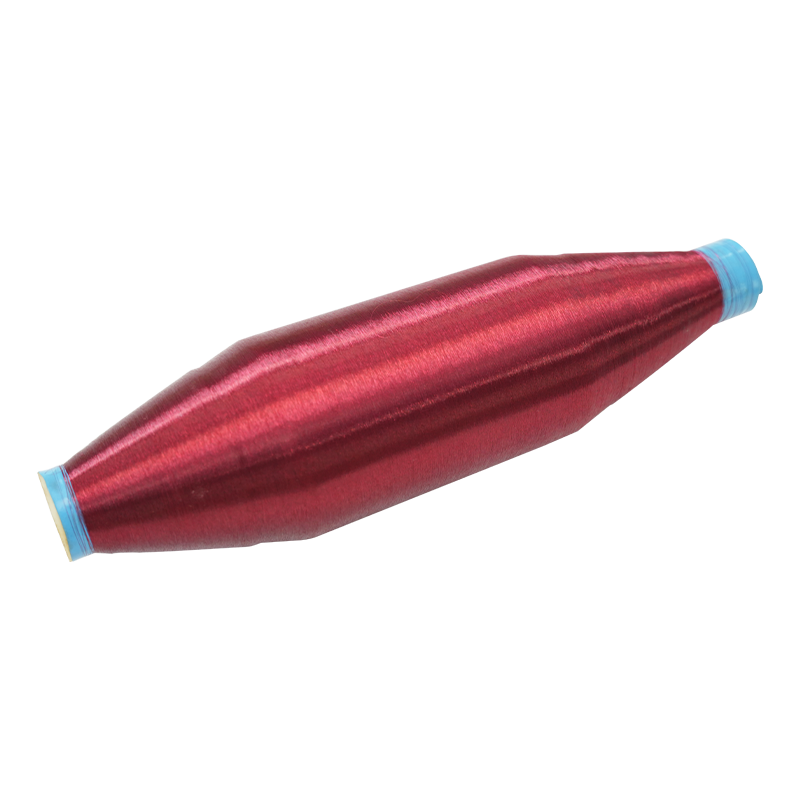
Antiviral nylon Monofilament Yarn can inhibit the survival of viruses on the surface of the yarn, which can effectively reduce the risk of virus transmission and improve user safety. The yarn has a mo...
See Details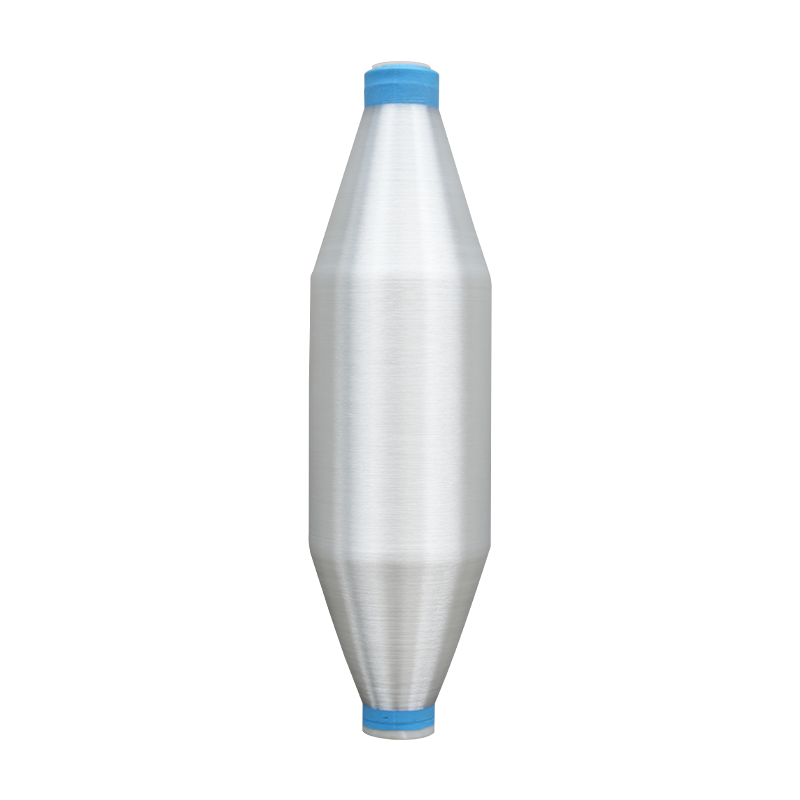
60D woven Antiviral Yarn is thin overall and suitable for making light and soft textiles. Nylon fiber has a soft feel and good breathability. This yarn is usually used to weave fabrics and can be made...
See Details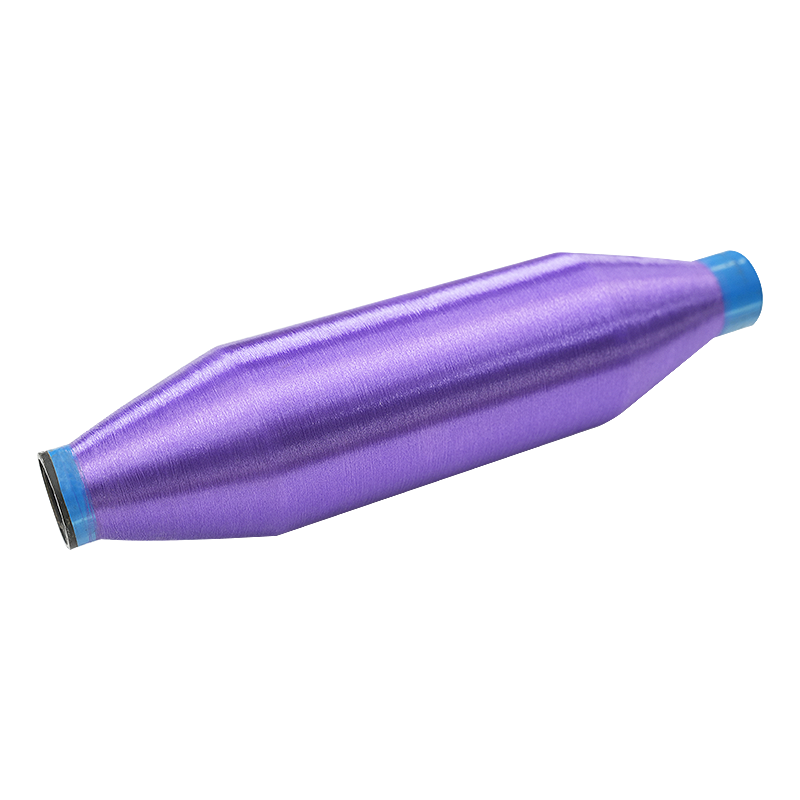
Graphene yarns can be produced by a variety of methods, including chemical vapor deposition (CVD) and wet spinning. In CVD, graphene is grown directly on a substrate, which is then removed to obtain g...
See Details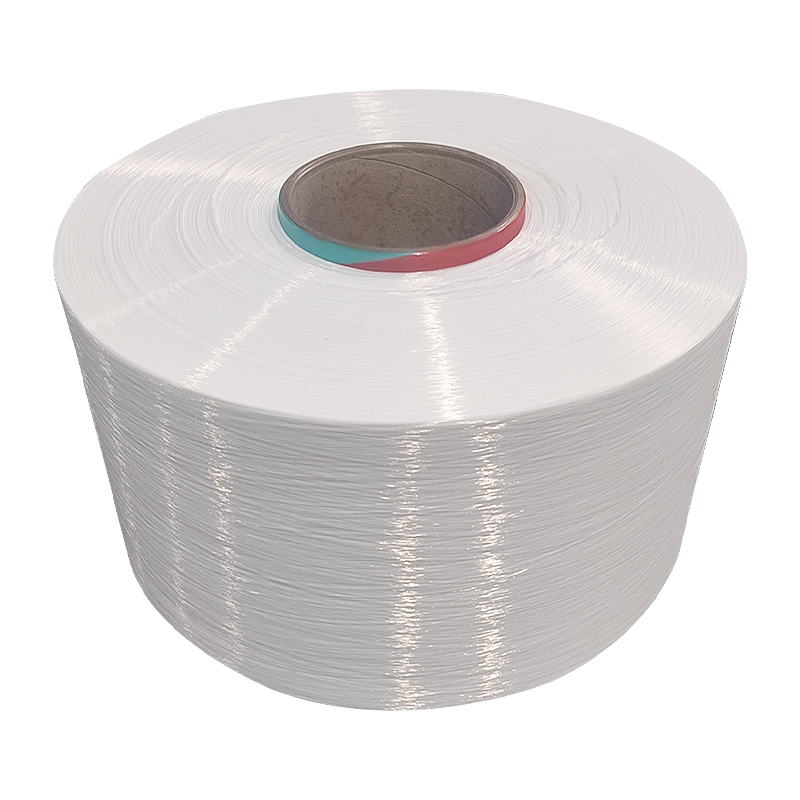
Colored Nylon Mother Yarn can be processed through spinning, drawing, dyeing and other processes to meet the needs of different textiles. It has good processing adaptability and can be made into vario...
See Details
The diameter of Durable woven nylon mother yarn is 240D, the fiber thickness is medium, and it is suitable for the manufacture of a variety of textiles. This product has good tensile strength and will...
See Details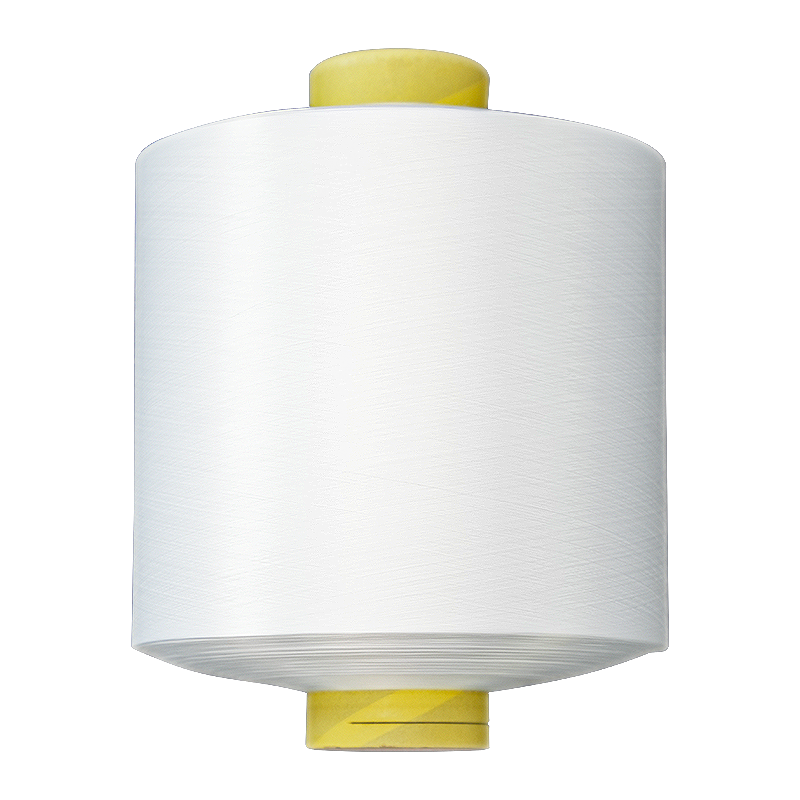
Nylon stretch sportswear yarn is a yarn used to make sportswear and other clothing that require high breathability. Nylon fiber has good breathability, which helps to wick away perspiration and keep t...
See Details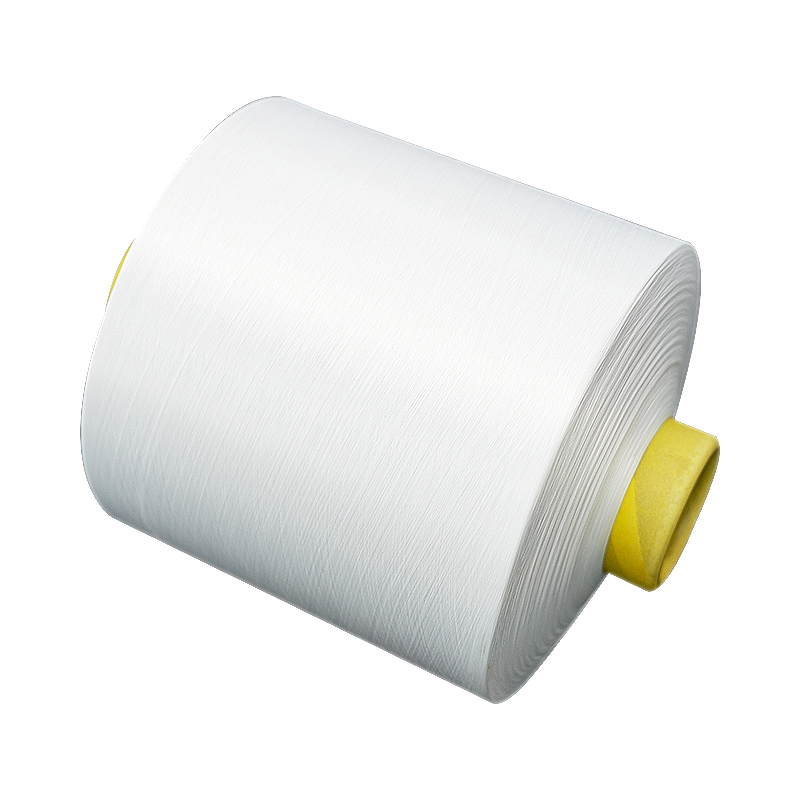
100D Nylon Elastic Yarn has a moderate thickness and good dyeing properties, which can achieve uniform and durable dyeing effects, making textiles bright and long-lasting in color. A yarn frequently u...
See Details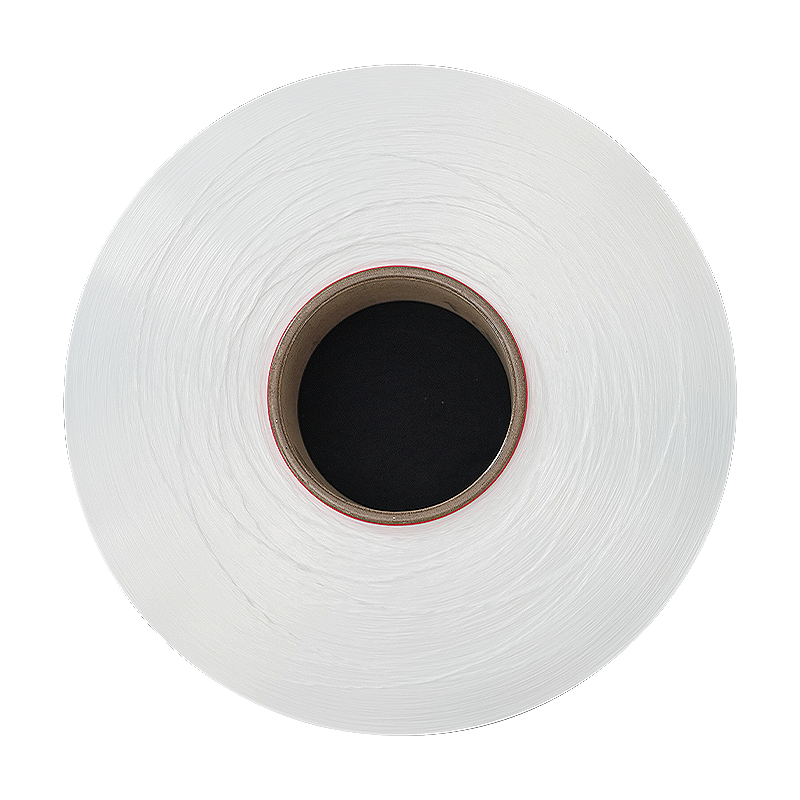
Durable composite nylon yarn has stretch and recovery properties, providing the necessary comfort, fit, and flexibility for clothing and textiles. Made of a blend of nylon fiber and polyester fiber, i...
See Details
High shrinkage blended polyester yarn has a high shrinkage rate and is suitable for textile manufacturing that requires shrinkage treatment, such as making pleated fabrics or textile shaping. Because ...
See Details
Stretch durable FDY yarn has good elasticity and can return to its original shape after being stressed, giving the textile a comfortable wearing feel and good ductility. It can fit the contours of the...
See Details
The fibers of 210D water-repellent yarn are relatively thick, making the yarn highly wear-resistant and durable, making it suitable for long-term use. Composite fiber enables yarn to have the advantag...
See DetailsAddress: Duntou industrial park, haian county, nantong city,jiangsu province ,China.
TEL: +86 15850491859
E-mail: sales-betty@hsnylon.com
If You Are Interested In Our Products, Please Consult Us
 Wholesale Nylon Filament Yarn Manufacturers