
 English
 中文简体
中文简体
 русский
 Español
 عربى
عربى
Product Consultation
Your email address will not be published. Required fields are marked *
Nylon Multifilament Yarn has been widely used in many fields for its good UV resistance. This yarn ha good performance in durability and strength. Its UV resistance provides important guarantee for its use in outdoor products and special applications. Understanding the source of nylon multifilament yarn's UV resistance can help us make better use of this material.
1. Chemical structure of the material
The chemical structure of nylon fiber is the root of its UV resistance. The basic component of nylon is polyamide. Its molecular structure contains multiple amino and carbonyl groups, which can effectively absorb ultraviolet rays. The wavelength of ultraviolet rays is usually between 200 and 400 nanometers, and nylon molecules can absorb the energy of these wavelengths, thereby reducing the damage of ultraviolet rays to the fiber. By adjusting the degree of polymerization of nylon and the arrangement of molecular chains, its UV resistance can be further enhanced.
2. Multifilament structure of fiber
Nylon multifilament yarn is composed of multiple fine fibers. This multifilament structure increases the surface area while also enhancing the durability of the material. The combination of multiple fine fibers allows the yarn to disperse the energy of ultraviolet rays when exposed to ultraviolet rays, thereby reducing the damage to individual fibers. Compared with single coarse yarn, multifilament yarn is more balanced in terms of ultraviolet resistance and prolongs its service life.
3. Production process
The production process of nylon multifilament yarn also has an important impact on its ultraviolet resistance. Modern textile technology allows the addition of anti-ultraviolet additives during the production process, which can enhance the resistance of nylon fibers to ultraviolet rays. Certain coatings or composite materials can form a protective layer on the fiber surface to further improve the ultraviolet resistance. By controlling the fiber diameter and weaving density, the ultraviolet blocking effect can also be optimized.
4. Post-processing technology
In the post-processing stage of nylon multifilament yarn, a series of strengthening treatments are usually carried out, which can further improve the yarn's ultraviolet resistance. Softeners with anti-ultraviolet agents can improve the performance of the fabric while enhancing its ability to resist ultraviolet rays. Heat setting processes help to fix the structure of the fiber, improve its stability, and reduce deformation and damage caused by ultraviolet radiation.
5. Environmental adaptability
The UV resistance of nylon multifilament yarn is also affected by environmental factors. Compared with other materials, nylon performs better in high temperature and humid environments and can better resist UV damage. Proper storage and use environment can significantly improve the UV resistance of nylon multifilament yarn. In outdoor applications, the use of appropriate protective measures can extend its service life.
6. Application design
The UV resistance of nylon multifilament yarn is also closely related to its design application. In many outdoor products, designers usually consider the impact of UV rays and choose suitable nylon multifilament yarn for weaving. This design should take into account the material's UV resistance, as well as other properties such as breathability and comfort to ensure the performance of the product in actual use.
Why is Nylon Multifilament Yarn so soft?
2024-10-15
How does nylon multifilament yarn compare to other types of yarn in terms of strength, durability, and elasticity?
2024-10-28Your email address will not be published. Required fields are marked *
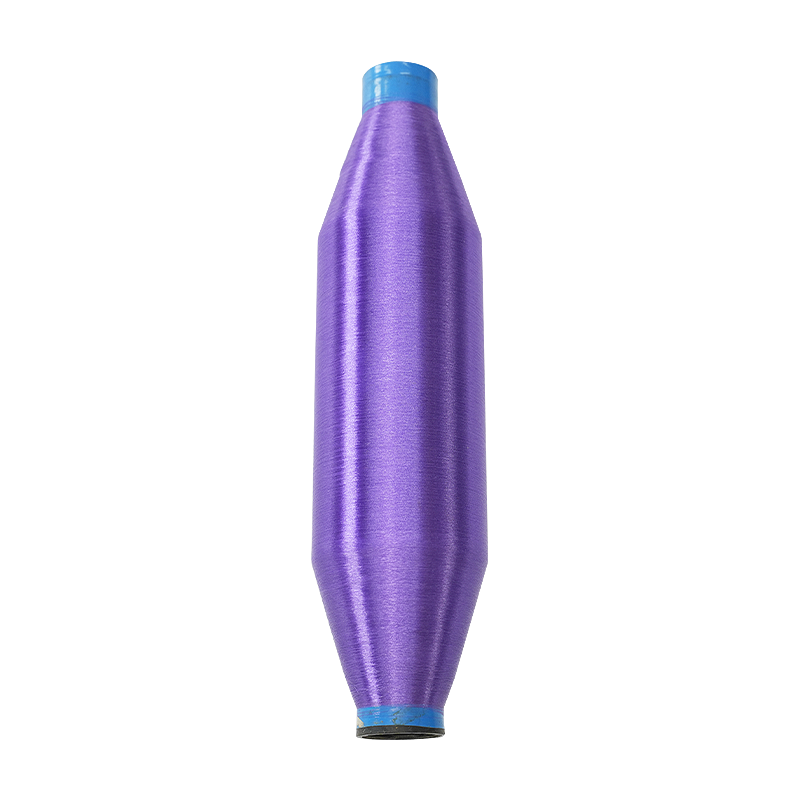
Single Strand Biodegradable Yarn is a single-strand structure, consisting of a single fiber bundle with no multiple strands tangled together. This structure makes the yarn softer, and smoother and exh...
See Details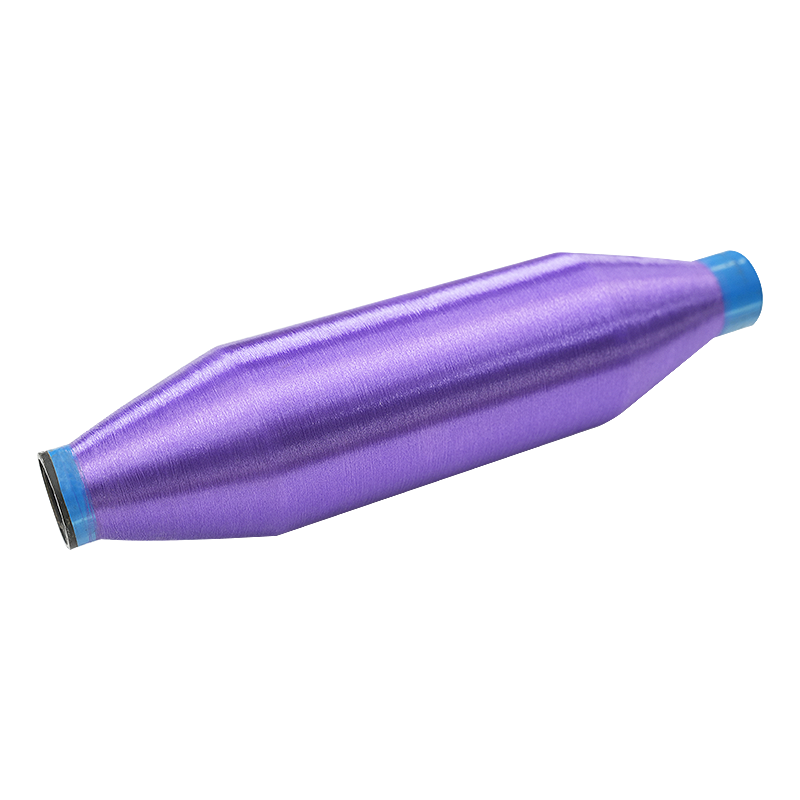
Graphene yarns can be produced by a variety of methods, including chemical vapor deposition (CVD) and wet spinning. In CVD, graphene is grown directly on a substrate, which is then removed to obtain g...
See Details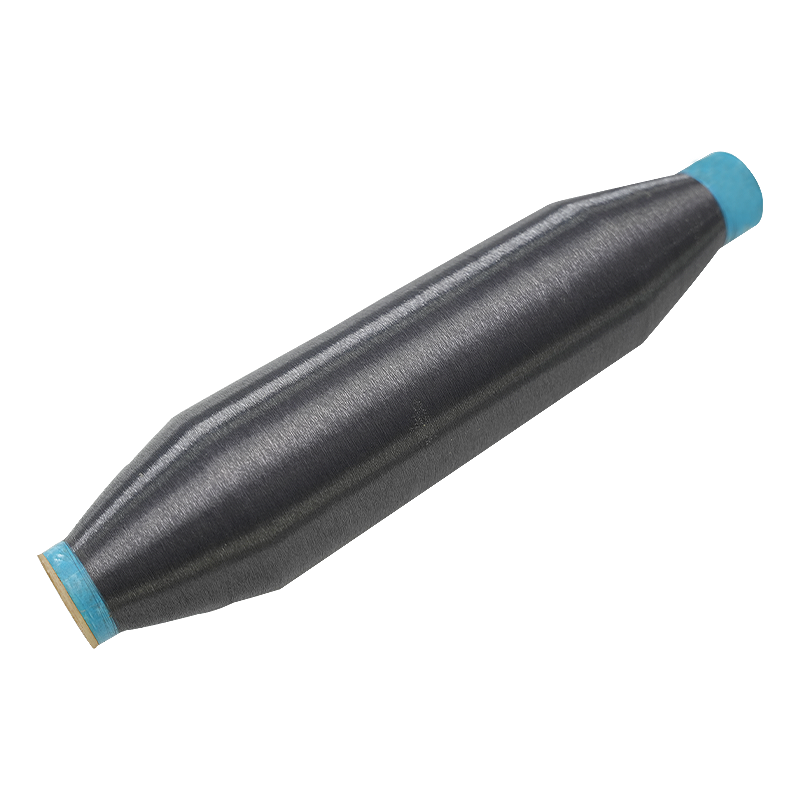
Elastic high-performance polyamide multifilament refers to a synthetic fiber made from polyamide polymer (commonly known as nylon). Resilient and high-performance properties make it suitable for a var...
See Details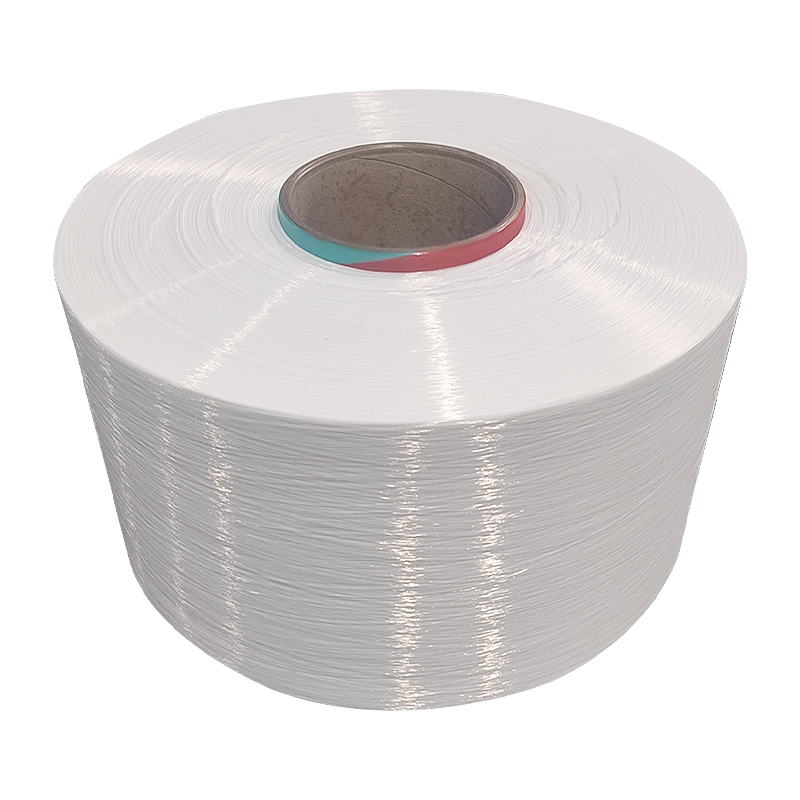
Colored Nylon Mother Yarn can be processed through spinning, drawing, dyeing and other processes to meet the needs of different textiles. It has good processing adaptability and can be made into vario...
See Details
The diameter of Durable woven nylon mother yarn is 240D, the fiber thickness is medium, and it is suitable for the manufacture of a variety of textiles. This product has good tensile strength and will...
See Details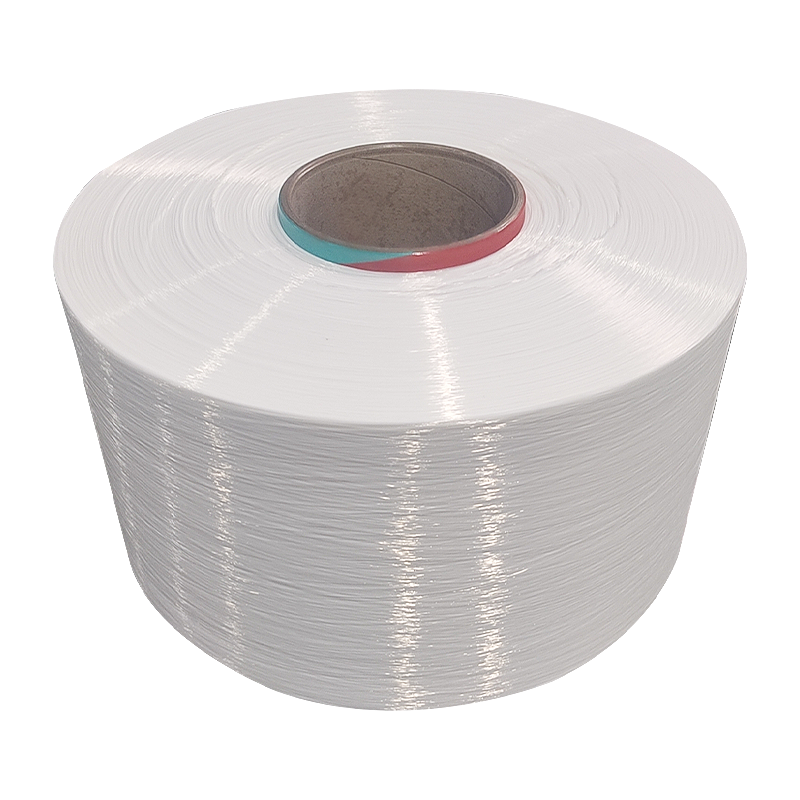
300D Nylon Mother Yarn is made of nylon material, a synthetic fiber with abrasion resistance, strength and durability. It is therefore suitable for manufacturing various types of textiles, such as clo...
See Details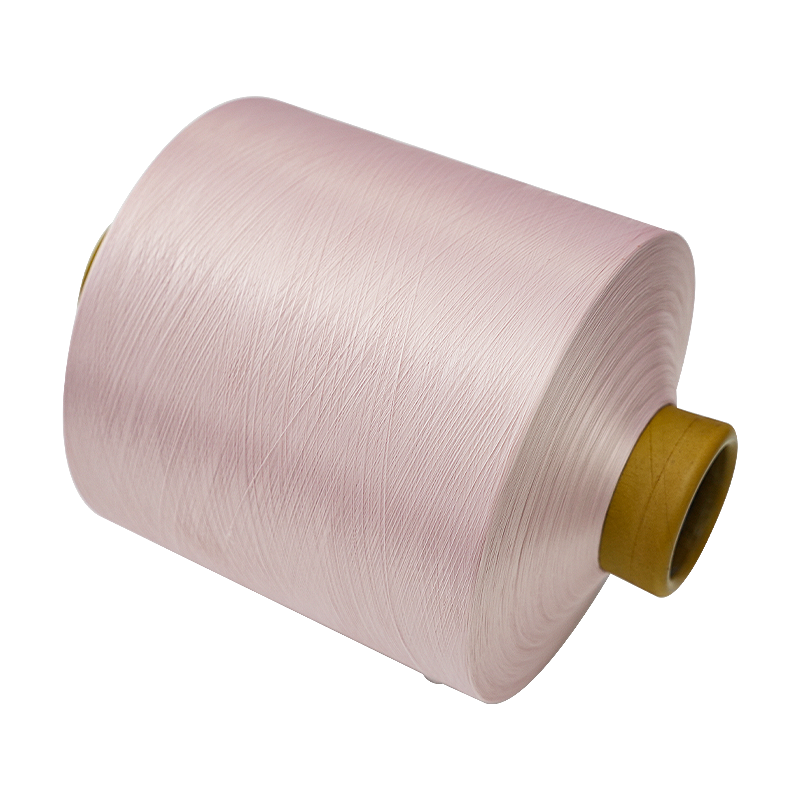
Fabrics made using Nylon elastic yarn for Weaving are lightweight, soft, comfortable and breathable, making them suitable for long-term wear. Made of high-quality nylon material with wear resistance, ...
See Details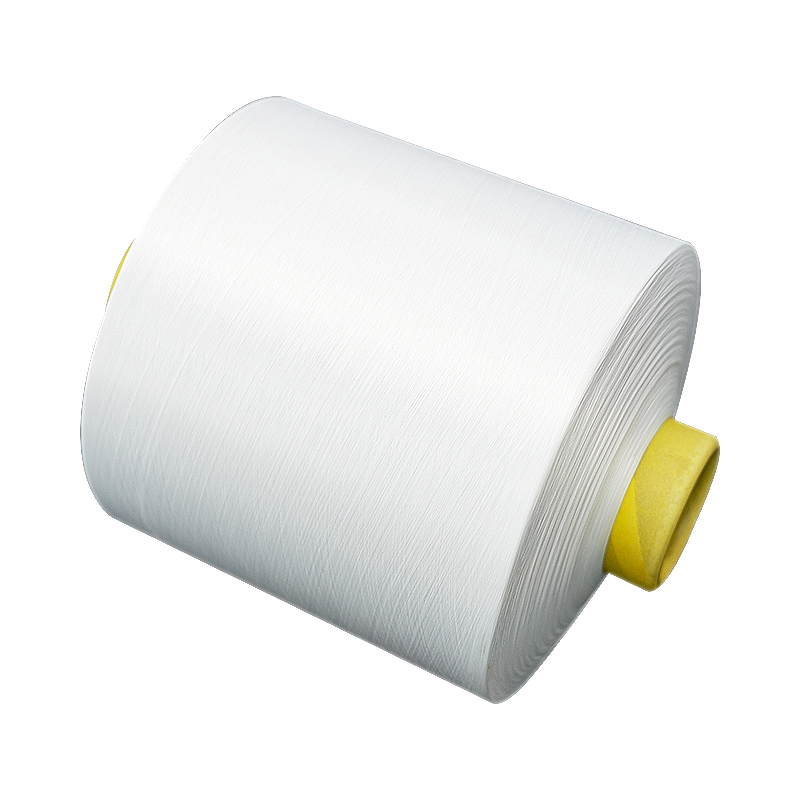
100D Nylon Elastic Yarn has a moderate thickness and good dyeing properties, which can achieve uniform and durable dyeing effects, making textiles bright and long-lasting in color. A yarn frequently u...
See Details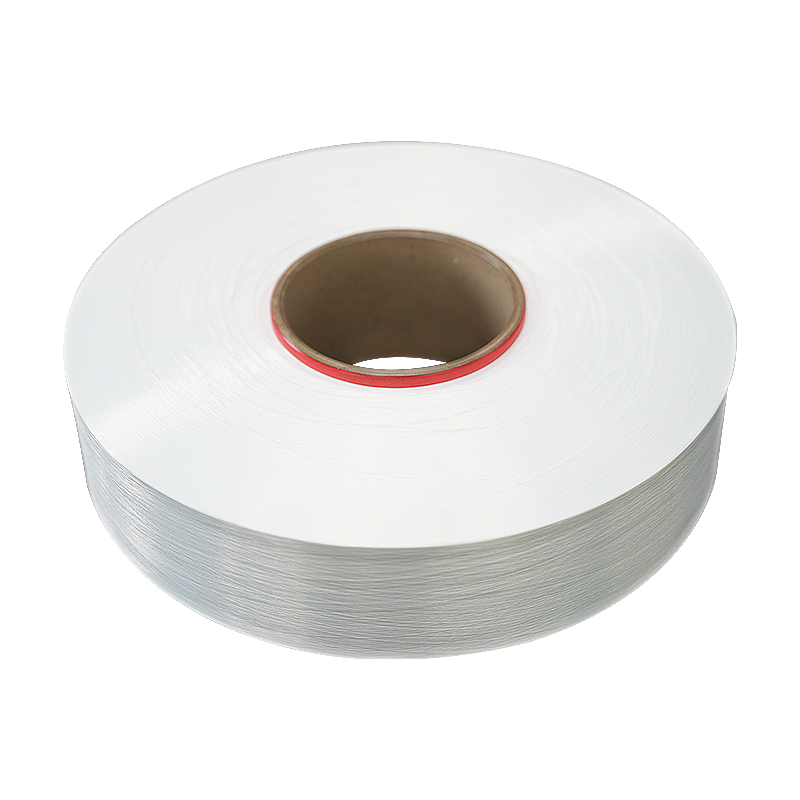
Polyester blended FDY yarn is a standard 50D yarn made from a blend of polyester and nylon. It combines the characteristics of both fibers and has durability and breathability. It has a wide range of ...
See Details
Cooling brushed durable FDY yarn has high durability and is suitable for manufacturing textiles that require wear resistance and durability. It is not easy to wear out after long-term use. Textiles of...
See Details
Stretch durable FDY yarn has good elasticity and can return to its original shape after being stressed, giving the textile a comfortable wearing feel and good ductility. It can fit the contours of the...
See Details
The fibers of 210D water-repellent yarn are relatively thick, making the yarn highly wear-resistant and durable, making it suitable for long-term use. Composite fiber enables yarn to have the advantag...
See DetailsAddress: Duntou industrial park, haian county, nantong city,jiangsu province ,China.
TEL: +86 15850491859
E-mail: sales-betty@hsnylon.com
If You Are Interested In Our Products, Please Consult Us
 Wholesale Nylon Filament Yarn Manufacturers