
 English
 中文简体
中文简体
 русский
 Español
 عربى
عربى
Product Consultation
Your email address will not be published. Required fields are marked *
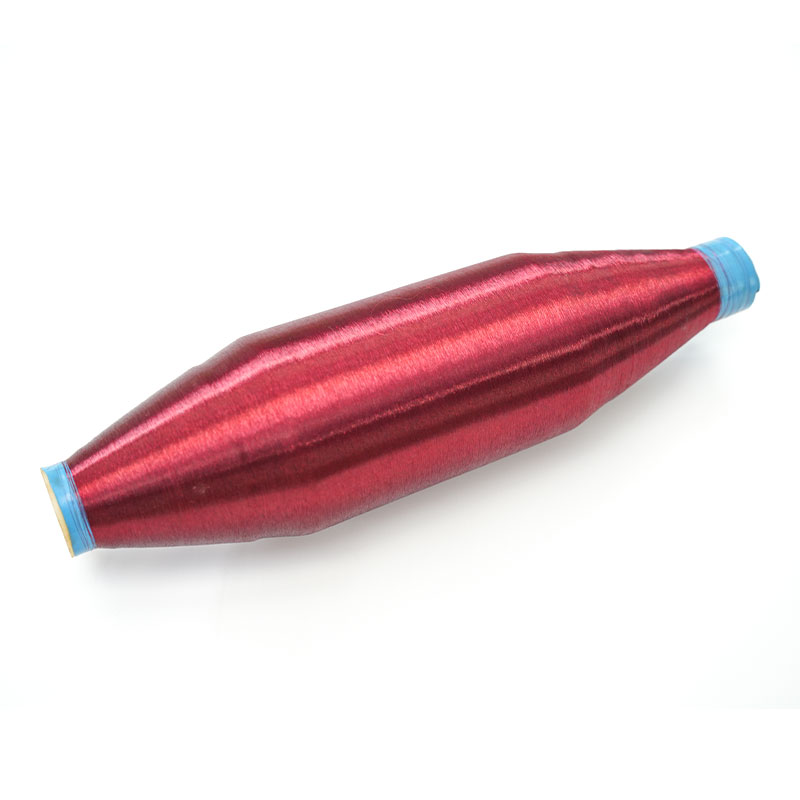
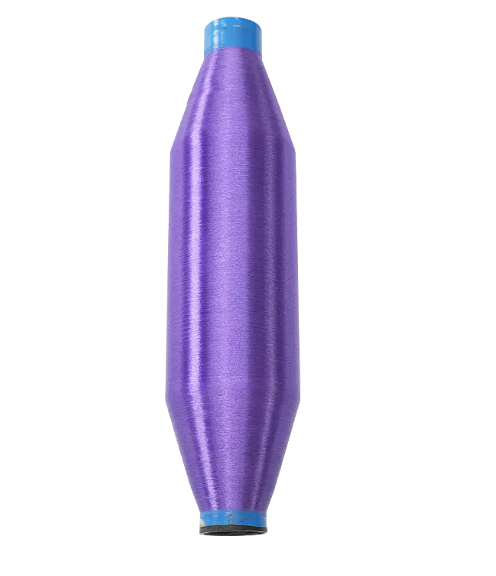
Nylon Elastic Yarn is widely used in clothing and other textiles due to its good elasticity and adaptability. Its good elasticity comes from many factors, including the chemical structure, physical properties, production process, etc. of the material. Understanding these factors helps us understand the properties of nylon elastic yarns and guides their effective use in practical applications.
1. Chemical structure
The chemical structure of nylon is an important basis for its elasticity. Nylon fibers are usually composed of polyamide, a material whose molecular chain structure is highly flexible and ductile. When external force is applied, nylon molecular chains can move freely, causing the fiber to stretch. The hydrogen bonds and van der Waals forces between nylon molecular chains allow these chains to quickly return to their original positions after being stretched, giving the yarn good elasticity.
2. Physical properties
The physical properties of nylon elastic yarn also significantly affect its elasticity. The tensile strength of nylon fiber is very high and can withstand large tensile forces without breaking easily. In addition, the good resilience of nylon fiber means that it can quickly return to its original shape, which is crucial in the application of elastic yarn. Nylon stretch yarn's combination of low density and high strength allows it to perform well during stretch and compression, providing good comfort and fit in a variety of applications.
3. Production process
The production process of nylon elastic yarn also has a significant impact on its elastic properties. Through appropriate stretching and twisting processes, the elasticity of the yarn can be enhanced. For example, during the yarn manufacturing process, by controlling the ratio of stretching, the arrangement of molecular chains can be optimized so that they can stretch and recover more efficiently when stressed. The twisting process helps form a structurally stable yarn, further improving elasticity and durability.
4. Blending technology
When producing nylon elastic yarn, it is often blended with other fibers to enhance its properties. For example, blending nylon with spandex can further improve elasticity and resilience. The good tensile properties of spandex, combined with the strength of nylon, enable the creation of high-performance yarns that are more suitable for a variety of applications. This blending technology allows nylon elastic yarn to adapt to different usage scenarios and meet consumers' dual needs for comfort and functionality.
5. Environmental factors
Environmental conditions also affect the performance of nylon elastic yarn, with temperature and humidity affecting the structure and performance of the fiber. Under suitable temperature and humidity, the elasticity of nylon elastic yarn is better, but in extreme environments, the elasticity may be reduced. Therefore, when selecting and using nylon elastic yarn, it is very important to consider its application environment.
6. Application design
The design and application of nylon elastic yarn are also the key to its elastic performance. In clothing design, designers often take into account the elastic characteristics of nylon elastic yarn and maximize its elasticity through reasonable cutting and sewing techniques. Tailor-made designs in sportswear often take advantage of the stretch properties of nylon elastic yarns, allowing them to move freely without being restricted during exercise.
What factors affect the wear resistance of Nylon Mother Yarn?
2024-10-01
Why is Nylon Multifilament Yarn so soft?
2024-10-15Your email address will not be published. Required fields are marked *
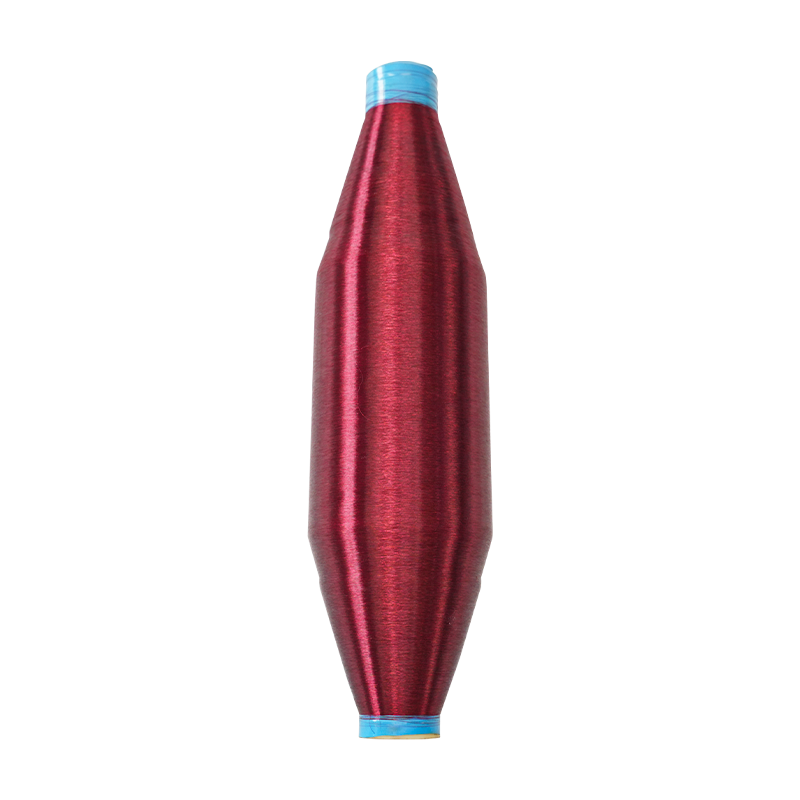
Biodegradable nylon yarn biodegrades faster in the environment than traditional synthetic fibers, helping to reduce negative environmental impacts. It also has the properties of nylon fiber, such as h...
See Details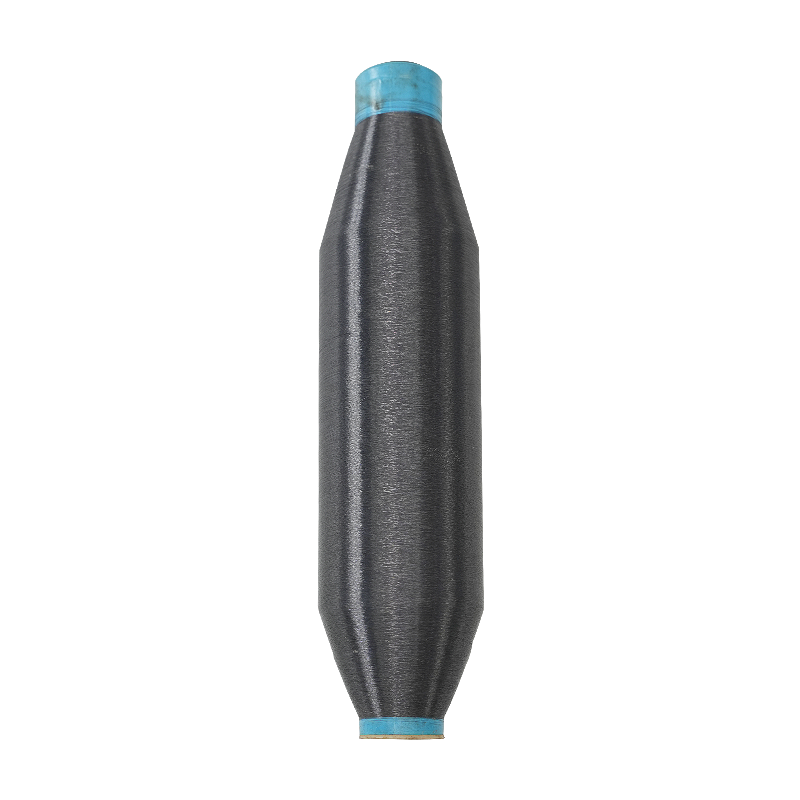
Nylon is a synthetic fiber with good strength and wear resistance, so 40D biodegradable yarn inherits the properties of nylon fiber. It has tensile strength, abrasion resistance and corrosion resistan...
See Details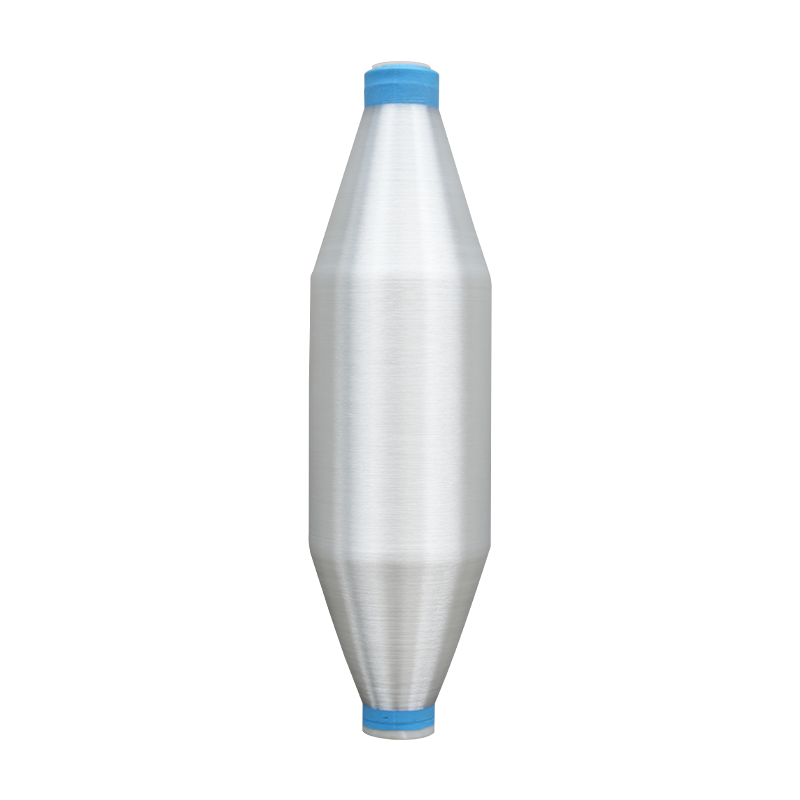
60D woven Antiviral Yarn is thin overall and suitable for making light and soft textiles. Nylon fiber has a soft feel and good breathability. This yarn is usually used to weave fabrics and can be made...
See Details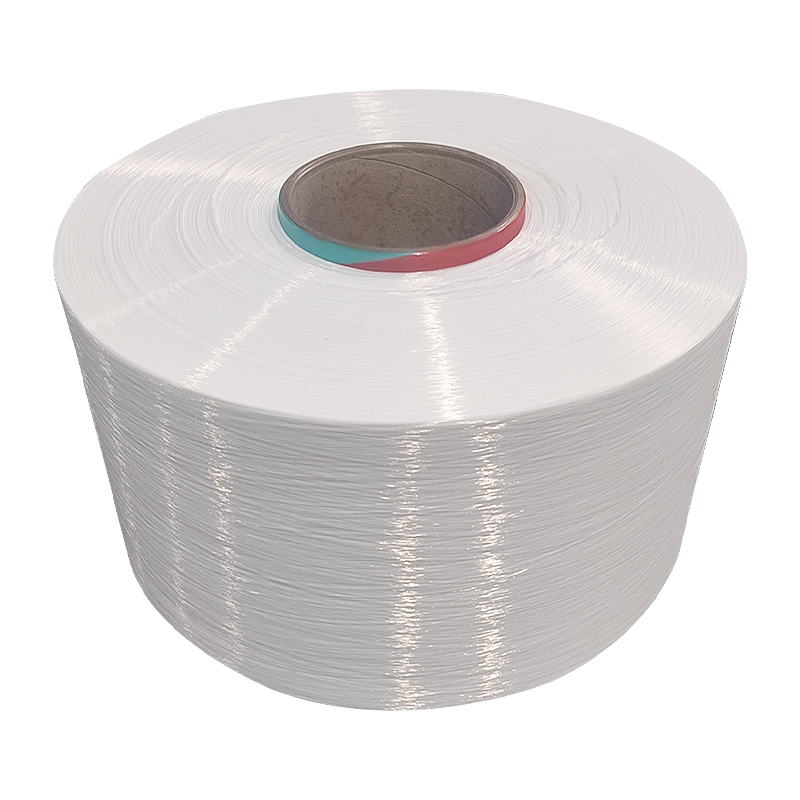
The diameter of Durable woven nylon mother yarn is 240D, the fiber thickness is medium, and it is suitable for the manufacture of a variety of textiles. This product has good tensile strength and will...
See Details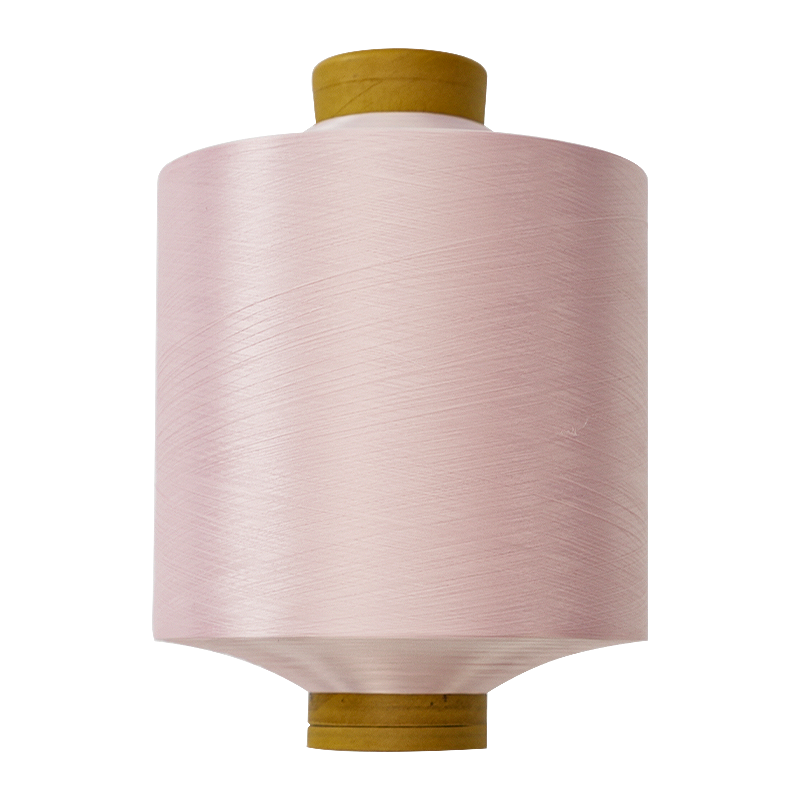
Nylon Elastic Yarn has elasticity and can quickly return to its original shape after stretching. This high elasticity makes the fabrics stretchable and comfortable. Nylon material has good wear resist...
See Details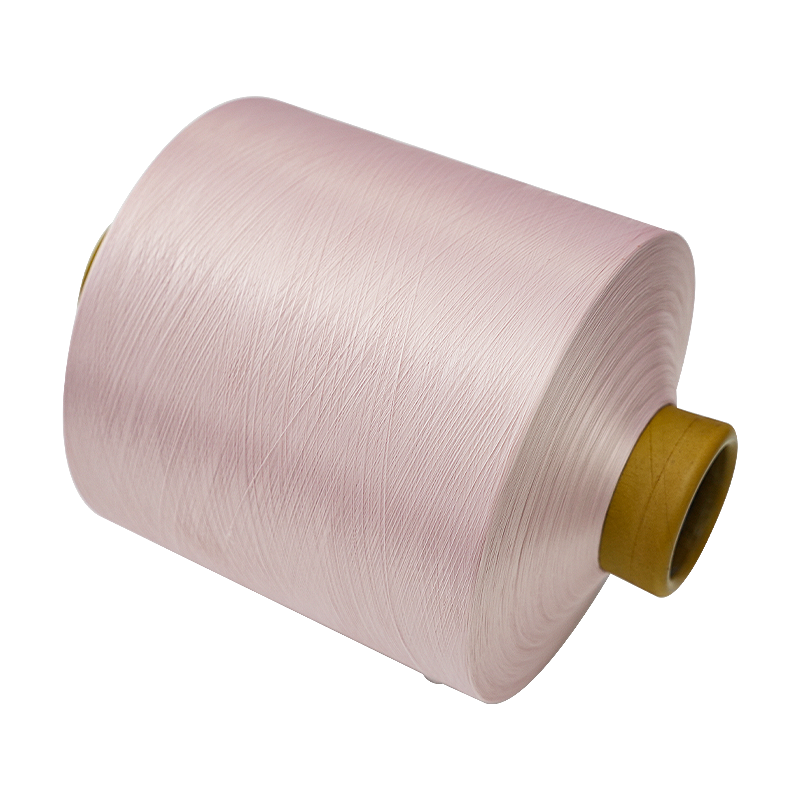
Fabrics made using Nylon elastic yarn for Weaving are lightweight, soft, comfortable and breathable, making them suitable for long-term wear. Made of high-quality nylon material with wear resistance, ...
See Details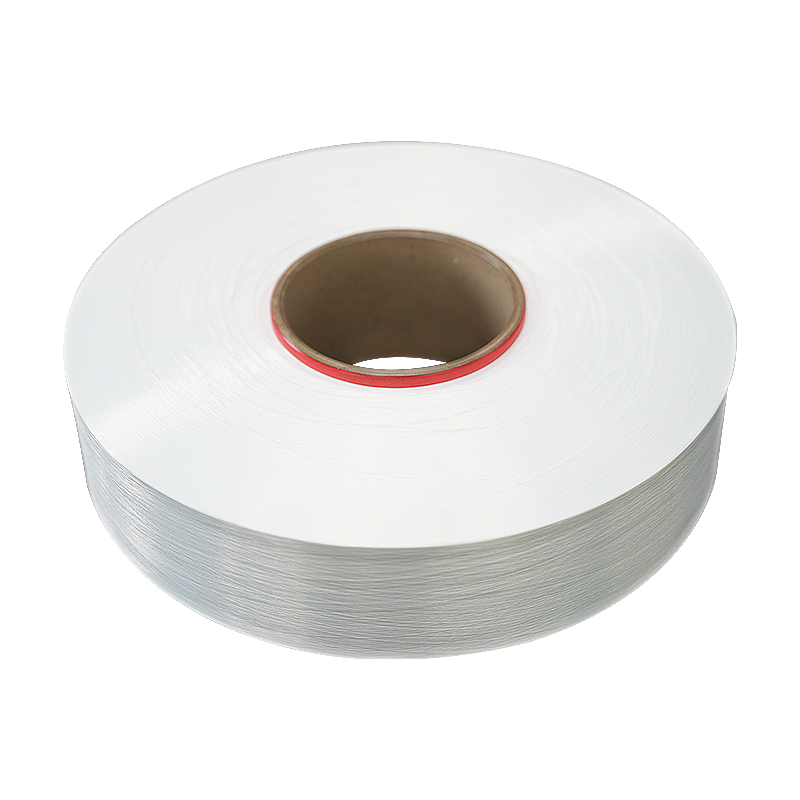
Polyester blended FDY yarn is a standard 50D yarn made from a blend of polyester and nylon. It combines the characteristics of both fibers and has durability and breathability. It has a wide range of ...
See Details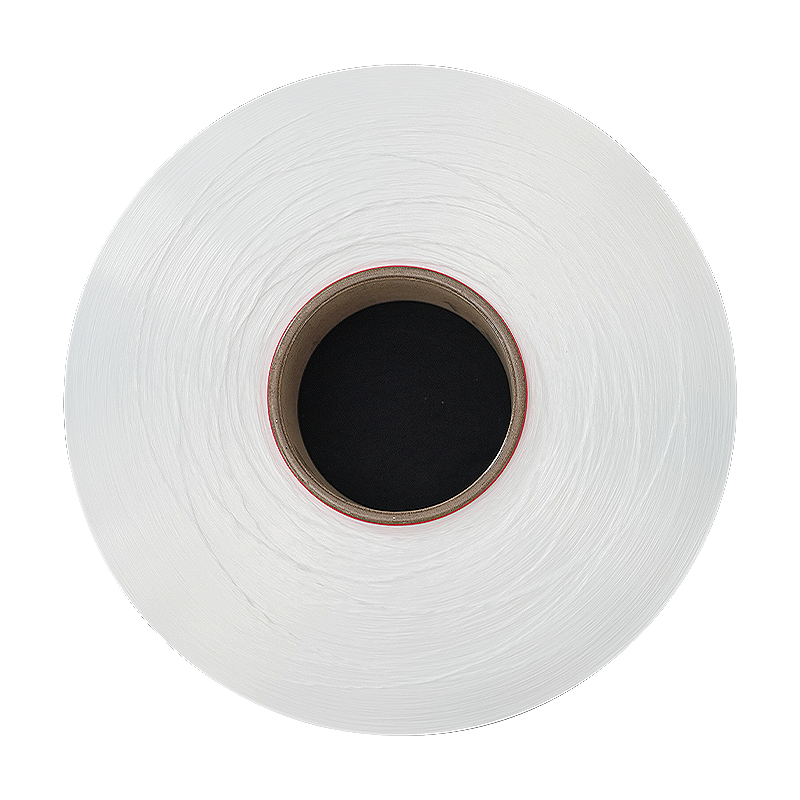
Durable composite nylon yarn has stretch and recovery properties, providing the necessary comfort, fit, and flexibility for clothing and textiles. Made of a blend of nylon fiber and polyester fiber, i...
See Details
Polyester FDY yarn for weaving has high strength. After FDY yarn is fully stretched, the strength is even better and is suitable for manufacturing fabrics requiring high strength. The fabric made usin...
See Details
Nylon composite yarn has high strength and toughness. Textiles made with Nylon composite yarn have good stretch resistance and tear resistance. This yarn has a wide range of applications and can be us...
See Details
Cooling brushed durable FDY yarn has high durability and is suitable for manufacturing textiles that require wear resistance and durability. It is not easy to wear out after long-term use. Textiles of...
See Details
Stretch durable FDY yarn has good elasticity and can return to its original shape after being stressed, giving the textile a comfortable wearing feel and good ductility. It can fit the contours of the...
See DetailsAddress: Duntou industrial park, haian county, nantong city,jiangsu province ,China.
TEL: +86 15850491859
E-mail: sales-betty@hsnylon.com
If You Are Interested In Our Products, Please Consult Us
 Wholesale Nylon Filament Yarn Manufacturers