
 English
 中文简体
中文简体
 русский
 Español
 عربى
عربى
Product Consultation
Your email address will not be published. Required fields are marked *
Choosing the right nylon elastic yarn comes down to matching denier, core-to-wrap ratio, and stretch recovery percentage to the specific fabric application — hosiery, sportswear, and fine knitwear each demand meaningfully different yarn specifications. A yarn built for compression sportswear with 200–300% stretch recovery will feel stiff and overbuilt in fine hosiery, while a lightweight hosiery-grade yarn will fail quickly under the repeated tension cycles of athletic compression garments. Getting this match right is what determines whether a finished fabric holds its shape for years or loses elasticity within a few washes.
Nylon elastic yarn is typically built around a core material — often spandex or another elastomeric fiber — that provides stretch, wrapped or spun with nylon fiber that provides strength, abrasion resistance, and surface texture. How that core and wrap combination is constructed significantly affects the yarn's performance characteristics.
| Yarn Structure | Stretch Behavior | Common Application |
| Bare Elastic Yarn | Highest stretch percentage, less surface protection | Blended into other yarns during knitting, not used alone in finished fabric surface |
| Single-Covered Yarn | Moderate stretch, moderate abrasion resistance | Lightweight hosiery, fine knitwear trims |
| Double-Covered / Core-Spun Yarn | Balanced stretch with strong recovery, high durability | Sportswear, compression garments, waistbands |
Bare elastic yarn offers the strongest raw stretch performance but has minimal surface protection against friction, which is why it is rarely used as a finished fabric surface on its own. Single-covered yarn wraps one layer of nylon filament around the elastic core, offering a lighter hand feel suited to fine hosiery where bulk needs to stay minimal. Double-covered or core-spun constructions wrap nylon around the core in two directions or spin staple fiber around it entirely, producing a more durable, abrasion-resistant yarn that holds up considerably better under the repeated stretching and washing cycles typical of sportswear and compression garments.
Denier — a measure of fiber thickness based on weight per unit length — directly determines how a nylon elastic yarn behaves in the finished textile, affecting everything from sheerness to durability.
A common mistake in fabric sourcing is selecting denier based only on the finished garment's general category without accounting for actual tension the fabric will experience in use — a 20-denier yarn might work fine in a lightweight legging but stretch out prematurely in a high-compression waistband subjected to much greater repeated tension.
Stretch recovery — how completely a yarn returns to its original length after being stretched — is arguably the most important performance metric for any elastic yarn, since poor recovery is what causes garments to sag, bag, or lose fit over time.
| Recovery Rate | Practical Result After Repeated Use |
| Below 85% | Noticeable sagging and loss of shape within weeks of regular wear and washing |
| 85–92% | Acceptable for general apparel with moderate stretch demand |
| 93% and above | Maintains shape reliably through hundreds of wear and wash cycles |
Recovery rate typically depends more on the elastomeric core quality than the nylon wrap itself, but the wrap construction still plays a supporting role — a poorly tensioned wrap can restrict the core's ability to fully recover, effectively lowering the practical recovery rate of the finished yarn even when the core material itself is rated for high recovery in isolation.
The twist level applied during covering or spinning affects how soft or firm the finished nylon elastic yarn feels against skin, along with how it behaves during the knitting or weaving process itself.
Nylon takes dye differently than polyester-covered elastic yarns, which matters for manufacturers matching yarn to a specific colorway or print process. Nylon generally accepts acid dyes readily, producing vivid, saturated colors with good initial color depth, but it can show somewhat lower color fastness to chlorine exposure compared to polyester-covered alternatives — a meaningful consideration for swimwear applications where repeated pool chemical exposure is expected.
For swimwear specifically, manufacturers often weigh nylon's superior initial color vibrancy and softer hand feel against its comparatively faster color fade under chlorine exposure, sometimes opting for chlorine-resistant finishing treatments or blending with more chlorine-stable fibers to extend garment color life without sacrificing nylon's characteristic softness entirely.
Bringing these factors together, the right nylon elastic yarn specification depends heavily on which end-use category a manufacturer is producing for, since no single specification performs optimally across all applications.
Manufacturers who request specific recovery percentage and denier data from yarn suppliers — rather than relying on general application category descriptions alone — are better positioned to catch mismatches before committing to full production runs, since even yarns marketed for the same broad category can vary meaningfully in these underlying specifications between suppliers.
Your email address will not be published. Required fields are marked *
Biodegradable nylon yarn biodegrades faster in the environment than traditional synthetic fibers, helping to reduce negative environmental impacts. It also has the properties of nylon fiber, such as h...
See Details
Antiviral nylon Monofilament Yarn can inhibit the survival of viruses on the surface of the yarn, which can effectively reduce the risk of virus transmission and improve user safety. The yarn has a mo...
See Details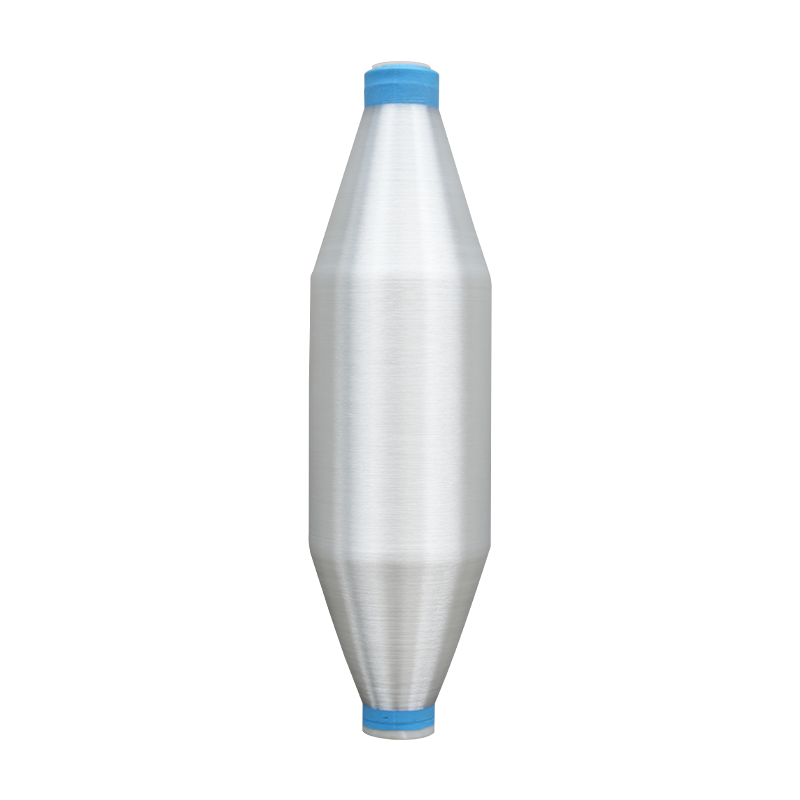
60D woven Antiviral Yarn is thin overall and suitable for making light and soft textiles. Nylon fiber has a soft feel and good breathability. This yarn is usually used to weave fabrics and can be made...
See Details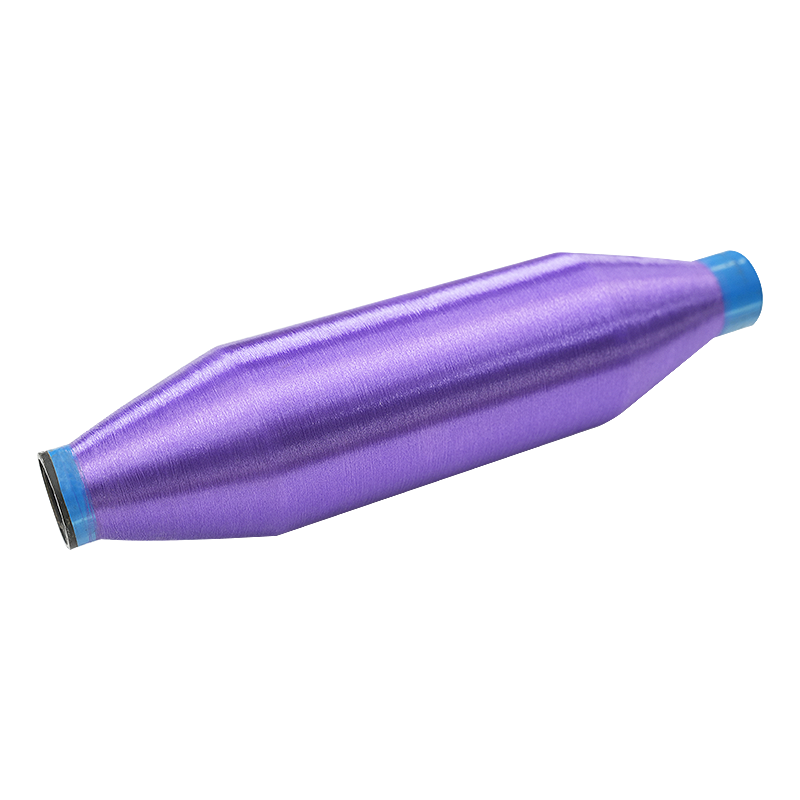
Graphene yarns can be produced by a variety of methods, including chemical vapor deposition (CVD) and wet spinning. In CVD, graphene is grown directly on a substrate, which is then removed to obtain g...
See Details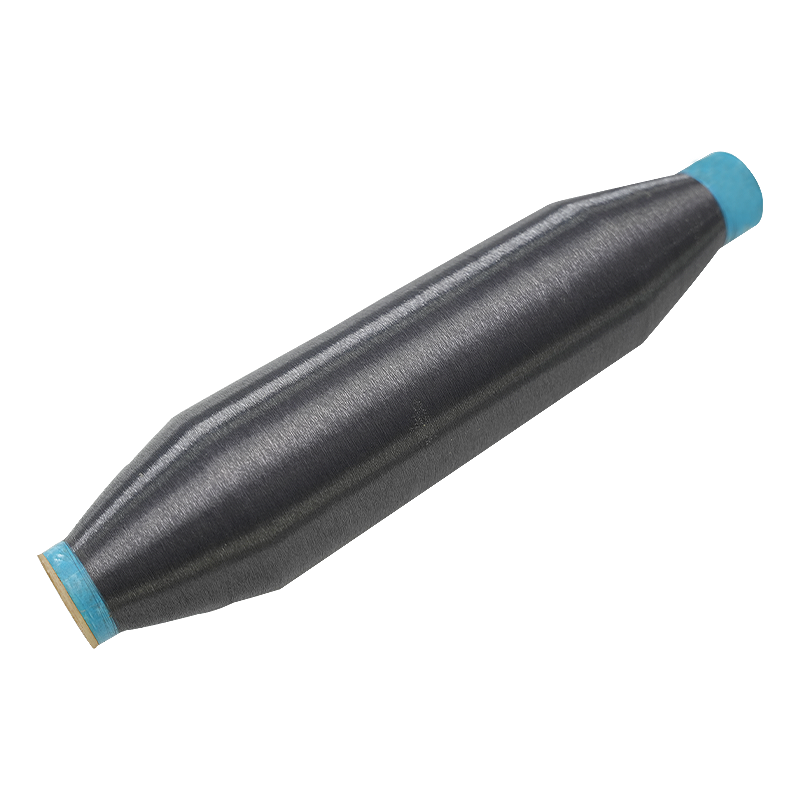
Elastic high-performance polyamide multifilament refers to a synthetic fiber made from polyamide polymer (commonly known as nylon). Resilient and high-performance properties make it suitable for a var...
See Details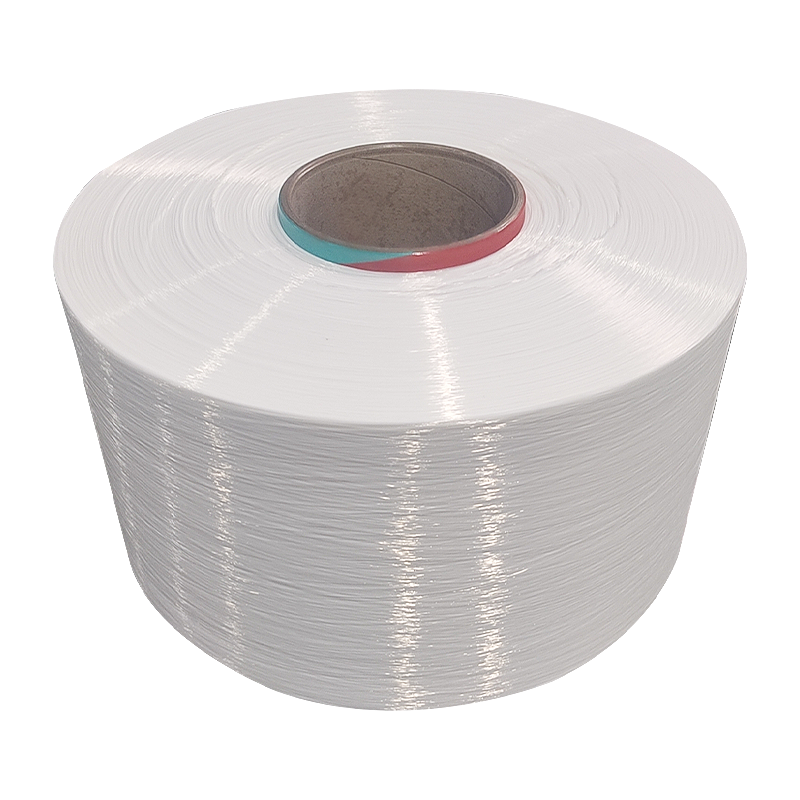
300D Nylon Mother Yarn is made of nylon material, a synthetic fiber with abrasion resistance, strength and durability. It is therefore suitable for manufacturing various types of textiles, such as clo...
See Details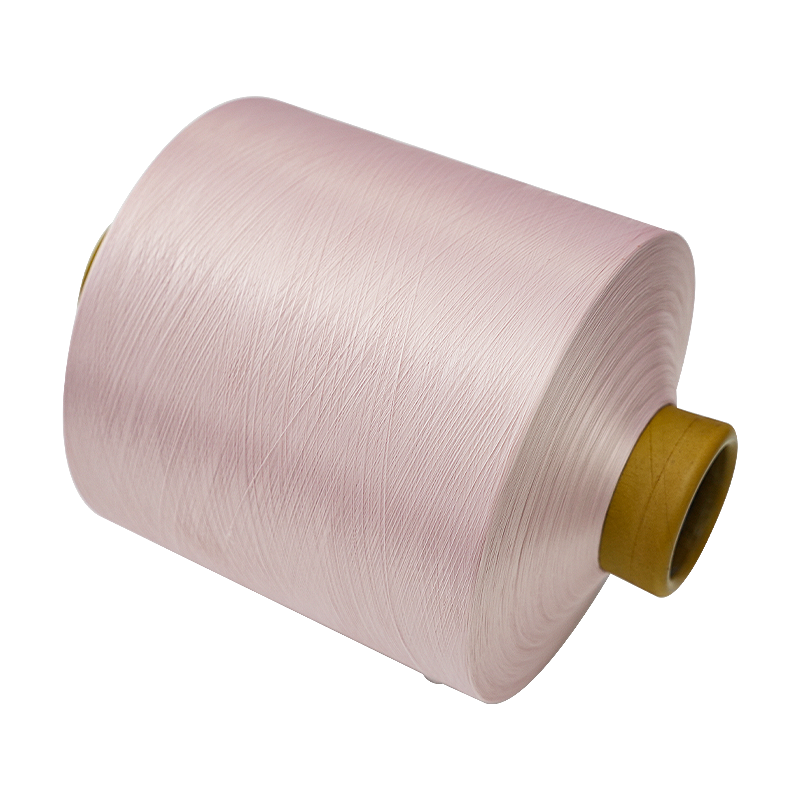
Fabrics made using Nylon elastic yarn for Weaving are lightweight, soft, comfortable and breathable, making them suitable for long-term wear. Made of high-quality nylon material with wear resistance, ...
See Details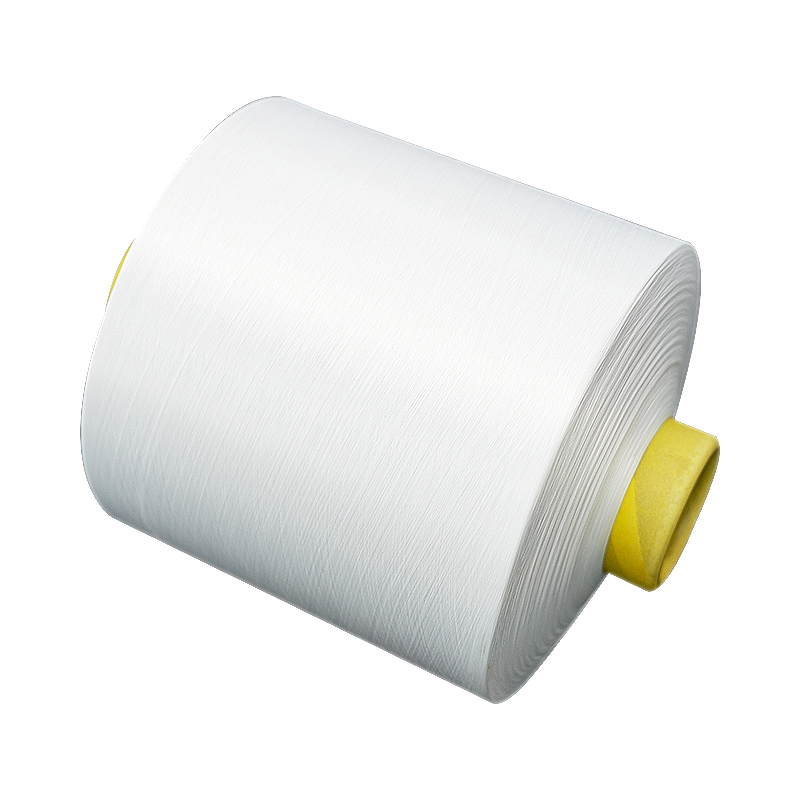
100D Nylon Elastic Yarn has a moderate thickness and good dyeing properties, which can achieve uniform and durable dyeing effects, making textiles bright and long-lasting in color. A yarn frequently u...
See Details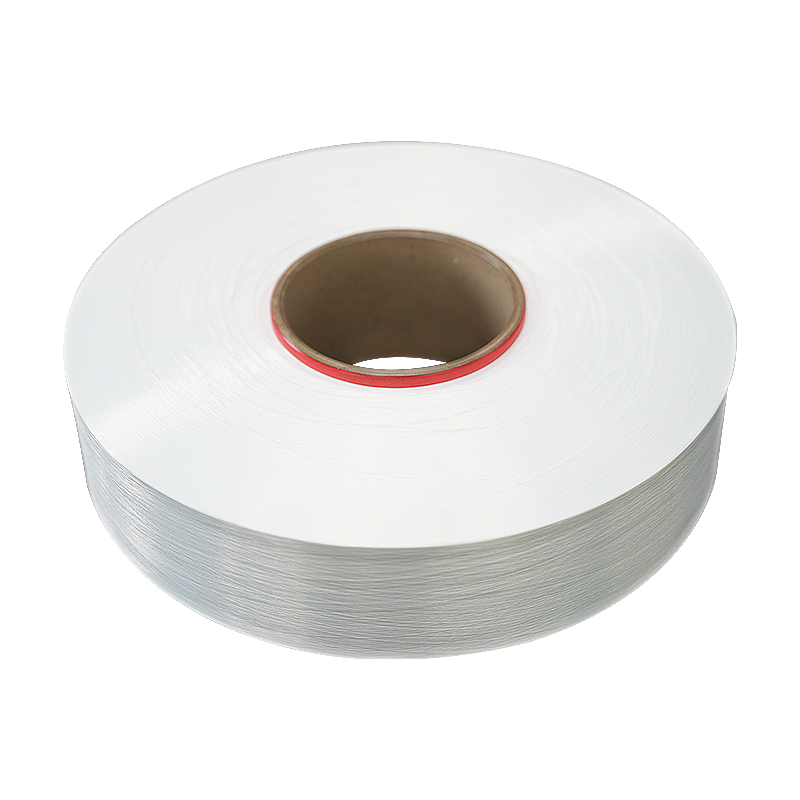
Polyester blended FDY yarn is a standard 50D yarn made from a blend of polyester and nylon. It combines the characteristics of both fibers and has durability and breathability. It has a wide range of ...
See Details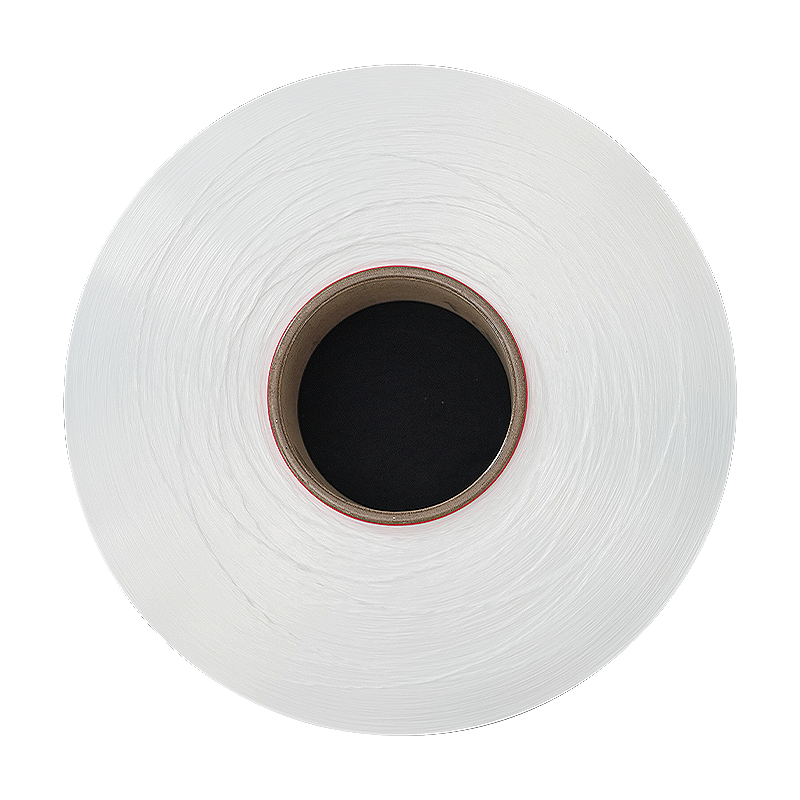
Stretch durable FDY yarn has good elasticity and can return to its original shape after being stressed, giving the textile a comfortable wearing feel and good ductility. It can fit the contours of the...
See Details
Composite fiber yarn for textile use consists of 48 monofilaments. Relatively thin and composed of multiple filaments, it adds softness and texture to the fabric. This product is suitable for the manu...
See Details
Water-repellent high Filament spun yarn has strong water resistance, providing an extremely delicate touch while retaining strength. Suitable for a wide range of applications from intricate embroidery...
See DetailsAddress: Duntou industrial park, haian county, nantong city,jiangsu province ,China.
TEL: +86 15850491859
E-mail: sales-betty@hsnylon.com
If You Are Interested In Our Products, Please Consult Us
 Wholesale Nylon Filament Yarn Manufacturers