
 English
 中文简体
中文简体
 русский
 Español
 عربى
عربى
Product Consultation
Your email address will not be published. Required fields are marked *
Nylon multifilament yarn is one of the most versatile synthetic textile materials available, offering an exceptional balance of tensile strength, abrasion resistance, and flexibility. Its construction—multiple fine continuous filaments twisted together—gives it a supple hand and high surface area, making it suitable for everything from high-performance sportswear to heavy-duty industrial fabrics. Unlike monofilament or staple-spun yarns, multifilament nylon provides superior drape and fatigue resistance, which is why it is the preferred choice for applications requiring repeated flexing and durability.
In practical terms, nylon multifilament yarn delivers tenacity values ranging from 5.5 to 9.0 grams per denier, depending on the specific polymer variant and draw ratio. This places it among the strongest commercially available textile fibers. Additionally, its elongation at break (typically 15–30%) provides excellent shock absorption, a property that makes it invaluable in products like parachute cords, seatbelts, and fishing nets. For manufacturers and product developers, understanding the nuances of nylon multifilament yarn—from denier selection to twist levels—is essential for optimizing product performance and cost.
Nylon multifilament yarn is produced by extruding molten polyamide polymer through a spinneret with multiple tiny holes, creating a bundle of continuous filaments. These filaments are then drawn (stretched) to orient the polymer molecules, significantly increasing tensile strength. The number of individual filaments within a single yarn—ranging from as few as 10 to over 100—directly affects the yarn's handle, cover, and performance.
Two primary variants of nylon polymer dominate the multifilament yarn market: Nylon 6 and Nylon 6,6. While chemically similar, their structural differences lead to distinct performance profiles. Understanding these differences is crucial for material selection.
| Property | Nylon 6 | Nylon 6,6 |
|---|---|---|
| Melting point | 215–220°C | 255–265°C |
| Tenacity (dry) | 5.5–7.5 g/den | 6.0–9.0 g/den |
| Moisture regain | 3.5–4.5% | 3.0–4.0% |
| Abrasion resistance | Good | Superior |
| Dyeability | Excellent | Good |
| Typical applications | Apparel, hosiery, lingerie | Industrial, automotive, tire cord |
Nylon 6 is generally preferred for textile applications where dyeability and cost are priorities. Nylon 6,6 offers higher heat resistance and better creep resistance, making it the choice for engineered components. In a comparative lifecycle test, Nylon 6,6 multifilament yarn exhibited 20% higher retention of tensile strength after 500 hours of UV exposure than Nylon 6, a critical factor for outdoor applications.
To select the right nylon multifilament yarn, designers and engineers must interpret the technical specifications correctly. The following metrics are the most relevant for practical decision-making.
Denier is a measure of linear density—the weight in grams of 9,000 meters of yarn. A 70/72 yarn, for example, indicates 70 denier composed of 72 individual filaments. For the same denier, a higher filament count produces a softer, more drapable fabric. A 40/10 yarn (40 denier, 10 filaments) would feel stiff and wiry, while a 40/36 would be much more supple. For hosiery, filament counts of 30–60 are common; for technical textiles, counts of 10–20 are typical to maximize strength and reduce cost.
Tenacity (breaking strength) is measured in grams per denier (g/den). Standard textile-grade nylon multifilament offers 5.5–6.5 g/den, while high-tenacity variants reach 8.0–9.0 g/den. Elongation at break—the percentage of stretch before breaking—ranges from 15% for high-tenacity yarns to 30% for regular textile yarns. The combination of high tenacity and moderate elongation gives nylon its legendary toughness.
Boiling water shrinkage (BWS) is a critical parameter for textile processing. Standard nylon multifilament has a BWS of 8–12%; low-shrink versions (<5%) are available for applications requiring dimensional stability. In a controlled weaving trial, yarns with higher shrinkage produced fabrics with 30% higher fabric density after washing, affecting both hand feel and durability.
The unique properties of nylon multifilament yarn make it indispensable across multiple sectors. Below are some of the most significant industrial applications, each leveraging specific characteristics of the yarn.
Nylon multifilament yarns are extensively used in tire cord fabrics, seatbelts, airbags, and upholstery. For tire reinforcement, high-tenacity Nylon 6,6 yarns with a 1,260 denier and 140 filaments are standard. They provide the necessary creep resistance and thermal stability to withstand sustained operation at elevated temperatures. Airbag fabrics use fine-denier (e.g., 235 denier) nylon yarns with a tight weave to achieve the required gas retention, with breaking strength exceeding 90 N per yarn.
Fishing nets, ropes, and mooring lines benefit from nylon's high strength-to-weight ratio, excellent abrasion resistance, and energy absorption. A typical fishing net uses 200–500 denier nylon multifilament with a high twist to balance strength with knot security. The yarn's ability to absorb shock loading—a key requirement in marine environments—makes it superior to polyester or polyethylene alternatives.
Cut-resistant gloves, ballistic vests, and flame-resistant clothing often incorporate nylon multifilament as a component yarn or as a carrier for high-performance fibers. In cut protection, nylon's toughness complements aramid or polyethylene fibers, improving comfort and flexibility without compromising safety.
In the apparel sector, nylon multifilament yarn is prized for its strength-to-weight ratio, quick-drying properties, and ability to hold vibrant colors. Key applications include:
The performance of the final fabric depends not only on the raw yarn but also on how it is processed. Three processing variables are particularly critical for nylon multifilament.
Twist is expressed as turns per inch (TPI) or turns per meter (TPM). Low twist (0–3 TPI) produces a soft, open structure for woven fabrics. High twist (8–12 TPI) creates a stiffer, more compact yarn with reduced pilling and increased abrasion resistance, ideal for circular knits. A 2022 study showed that increasing twist from 4 to 8 TPI increased yarn abrasion resistance by 45% but reduced tensile strength by 12% due to fiber obliquity.
Nylon is a thermoplastic, meaning it can be heat-set to stabilize its shape. Steam or dry heat setting at 180–190°C locks in crimp, reduces shrinkage, and improves fabric stability. Heat-set nylon fabrics retain their dimensions even after repeated laundering.
Nylon multifilament can be dyed with acid dyes, metal-complex dyes, or disperse dyes. Acid dyes are the most common, offering excellent washfastness and lightfastness. The dyeing temperature is typically 90–98°C, and the process must be carefully controlled to avoid "yarn distortion," where uneven dye take-up creates streaks.
For procurement professionals and quality assurance teams, testing nylon multifilament yarn against established standards ensures consistent product quality. Key parameters to test include:
Despite its robustness, nylon multifilament yarn can fail under certain conditions. Awareness of these failure modes informs better design and usage decisions.
Nylon is susceptible to UV-induced chain scission, leading to loss of strength and discoloration. In outdoor applications, the use of UV stabilizers (e.g., carbon black or hindered amine light stabilizers) is essential. Unprotected nylon can lose up to 50% of its tensile strength after 1,000 hours of continuous sunlight exposure.
In hot, humid environments, nylon is vulnerable to hydrolysis, which cleaves polymer chains and reduces molecular weight. This is especially relevant for tire cord and industrial belts. Regular monitoring of intrinsic viscosity is recommended for critical applications.
The textile industry is increasingly focused on sustainable production, and nylon multifilament is no exception. Recycled nylon (from post-industrial or post-consumer waste) is now commercially available, using depolymerization or mechanical recycling processes. Certified recycled Nylon 6 yarns can reduce the carbon footprint by up to 80% compared to virgin material, according to life-cycle assessments. Additionally, bio-based nylon precursors, derived from castor oil or other renewable feedstocks, are emerging as viable alternatives. These developments allow manufacturers to maintain the performance advantages of nylon while meeting stricter environmental regulations.
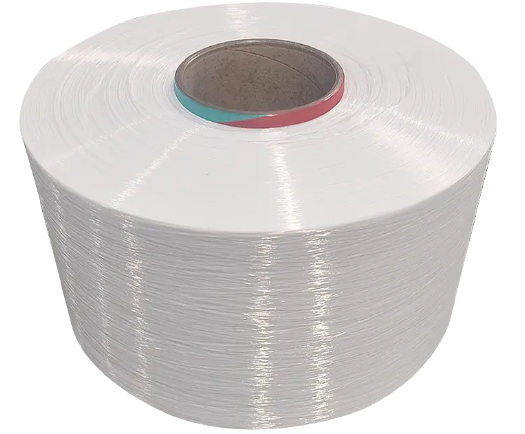
Nylon Mother Yarn: The Foundation of High-Performance Textile Production
2026-06-18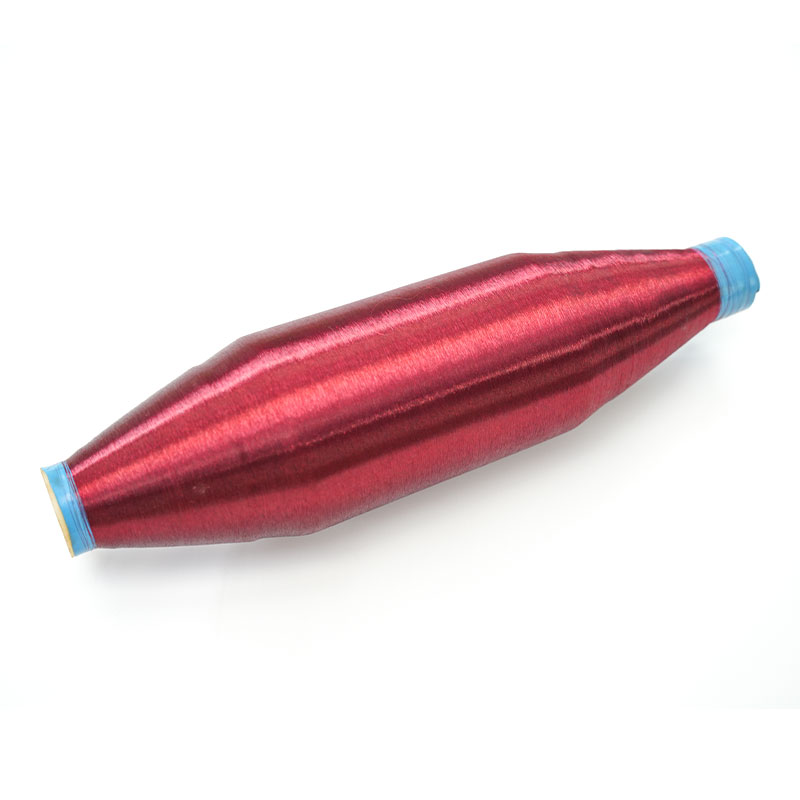
Precision Extrusion: How Custom Nylon Monofilament Yarn Driving Next-Generation Industrial Fabrics and High-Performance Textiles
2026-07-02Your email address will not be published. Required fields are marked *
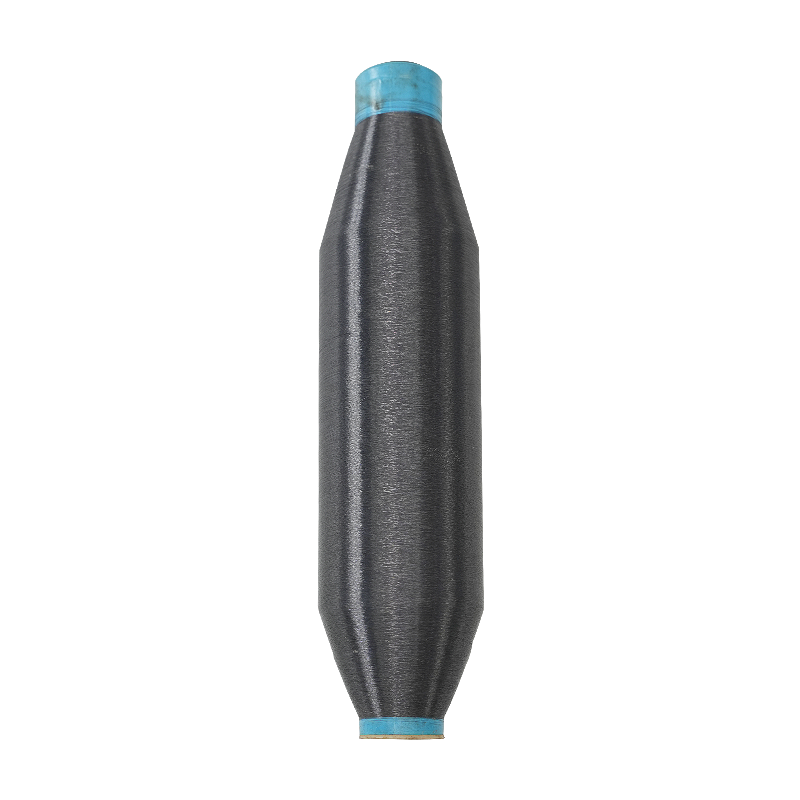
Nylon is a synthetic fiber with good strength and wear resistance, so 40D biodegradable yarn inherits the properties of nylon fiber. It has tensile strength, abrasion resistance and corrosion resistan...
See Details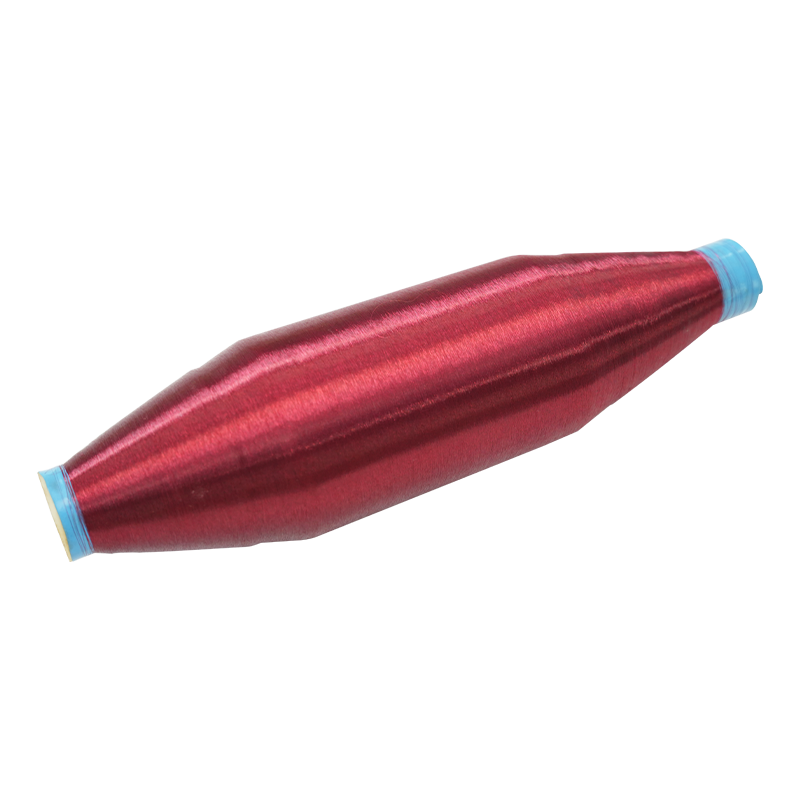
Antiviral nylon Monofilament Yarn can inhibit the survival of viruses on the surface of the yarn, which can effectively reduce the risk of virus transmission and improve user safety. The yarn has a mo...
See Details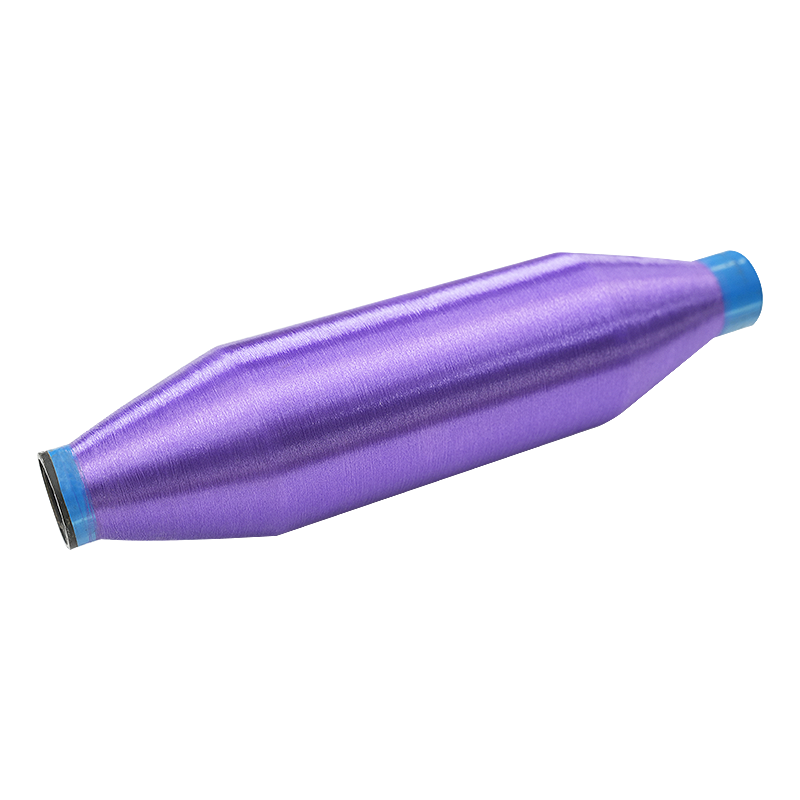
Graphene yarns can be produced by a variety of methods, including chemical vapor deposition (CVD) and wet spinning. In CVD, graphene is grown directly on a substrate, which is then removed to obtain g...
See Details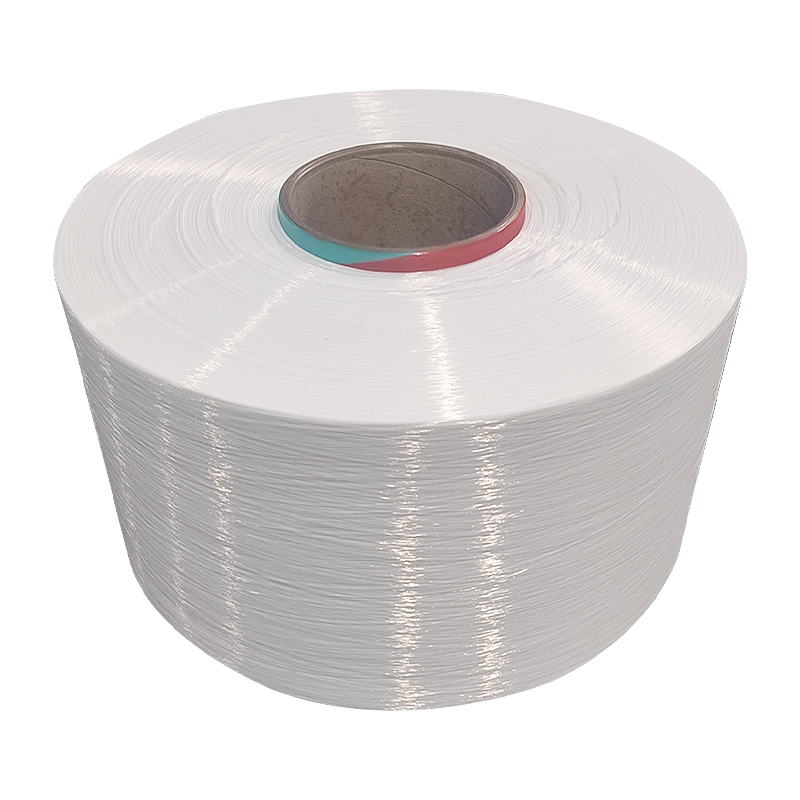
Colored Nylon Mother Yarn can be processed through spinning, drawing, dyeing and other processes to meet the needs of different textiles. It has good processing adaptability and can be made into vario...
See Details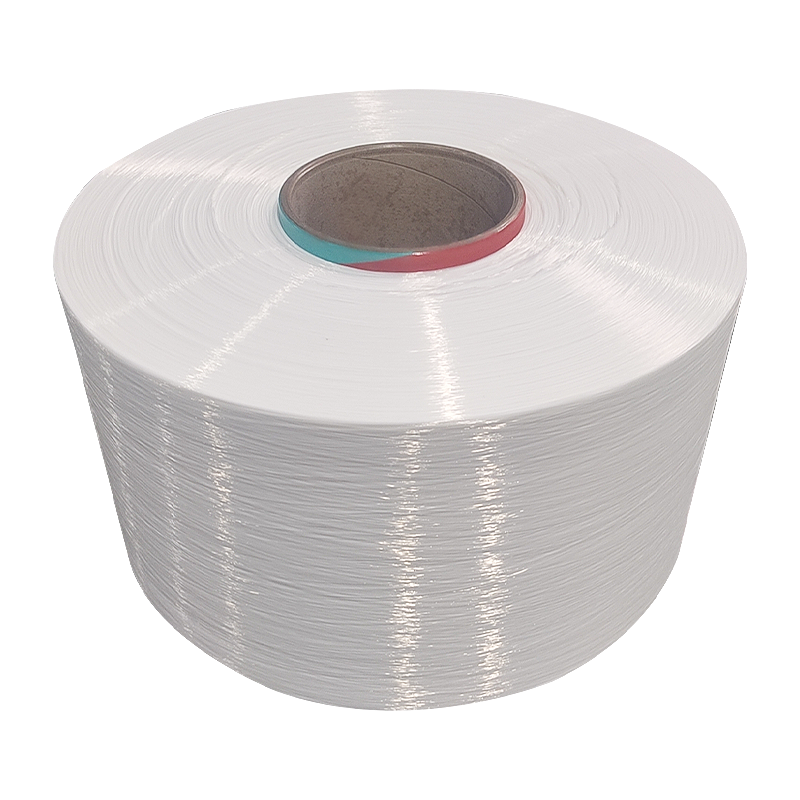
300D Nylon Mother Yarn is made of nylon material, a synthetic fiber with abrasion resistance, strength and durability. It is therefore suitable for manufacturing various types of textiles, such as clo...
See Details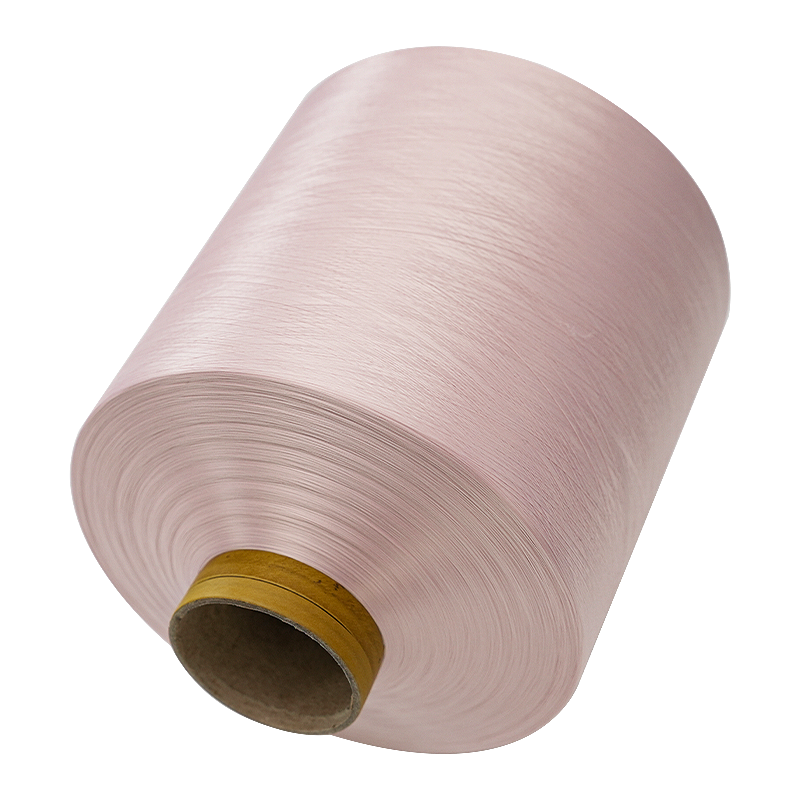
Double-strand nylon elastic yarn is a composite yarn composed of two strands of yarn. It has high strength, maintains stable performance even in a stretched state, and is not easy to break or deform. ...
See Details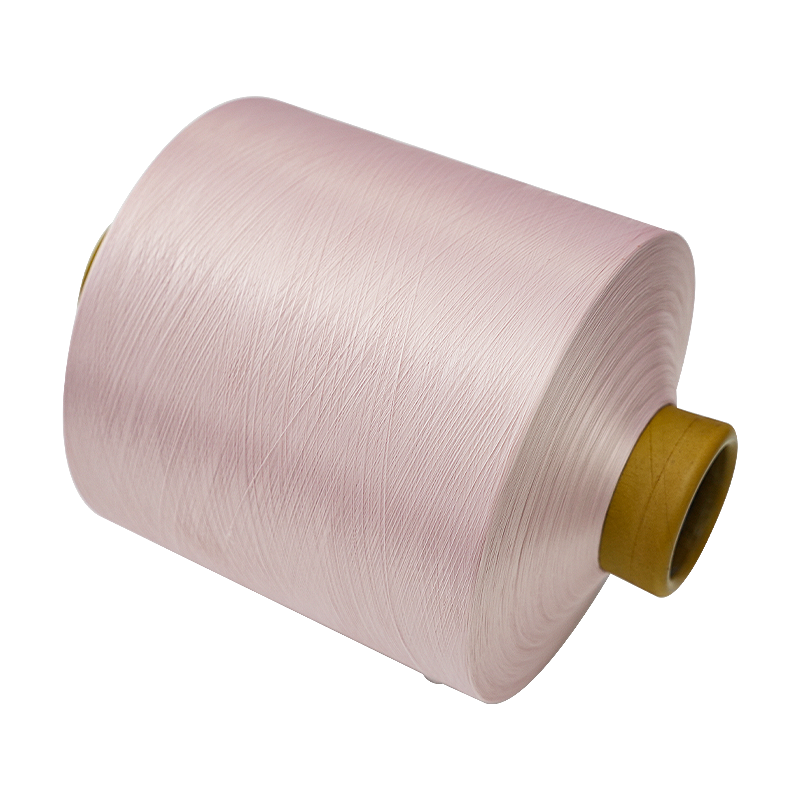
Fabrics made using Nylon elastic yarn for Weaving are lightweight, soft, comfortable and breathable, making them suitable for long-term wear. Made of high-quality nylon material with wear resistance, ...
See Details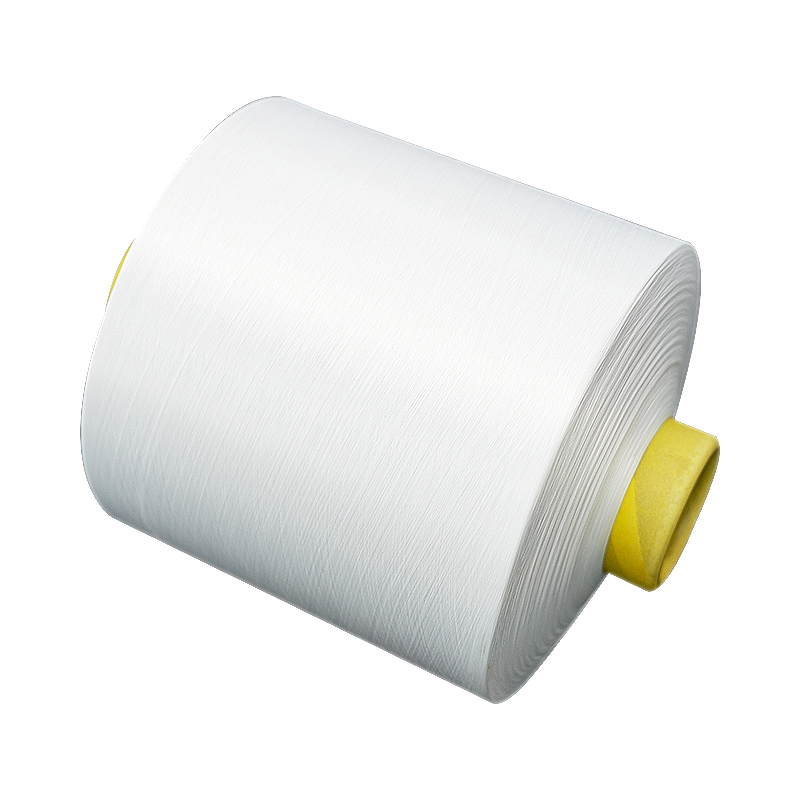
100D Nylon Elastic Yarn has a moderate thickness and good dyeing properties, which can achieve uniform and durable dyeing effects, making textiles bright and long-lasting in color. A yarn frequently u...
See Details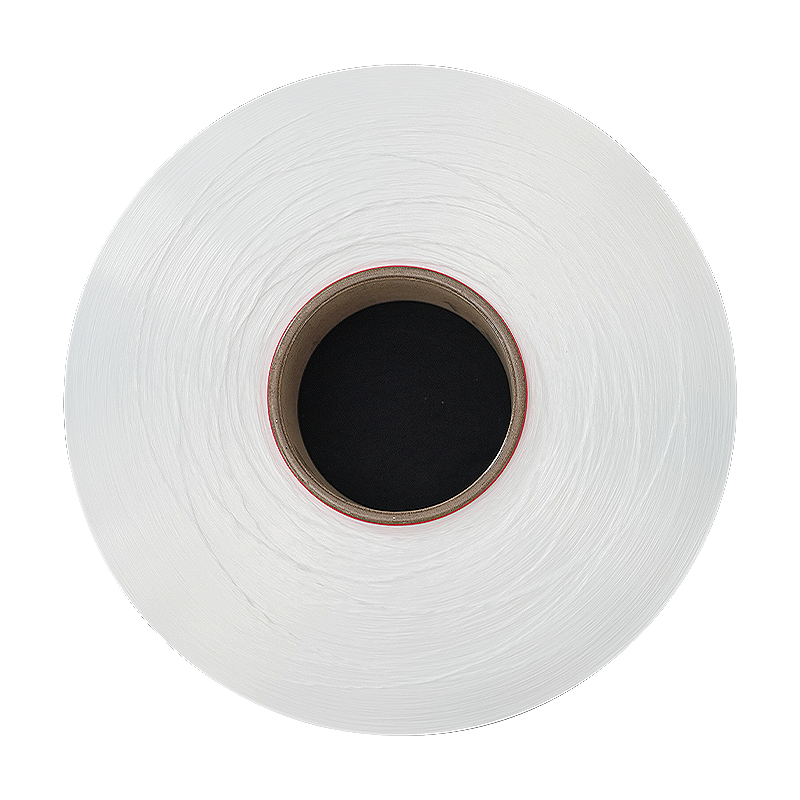
Durable composite nylon yarn has stretch and recovery properties, providing the necessary comfort, fit, and flexibility for clothing and textiles. Made of a blend of nylon fiber and polyester fiber, i...
See Details
Fully stretched polyester blended yarn is made of a blend of polyester and nylon. Polyester itself has good wear resistance. After full stretch processing, the strength and softness of the yarn increa...
See Details
High shrinkage blended polyester yarn has a high shrinkage rate and is suitable for textile manufacturing that requires shrinkage treatment, such as making pleated fabrics or textile shaping. Because ...
See Details
Composite fiber yarn for textile use consists of 48 monofilaments. Relatively thin and composed of multiple filaments, it adds softness and texture to the fabric. This product is suitable for the manu...
See DetailsAddress: Duntou industrial park, haian county, nantong city,jiangsu province ,China.
TEL: +86 15850491859
E-mail: sales-betty@hsnylon.com
If You Are Interested In Our Products, Please Consult Us
 Wholesale Nylon Filament Yarn Manufacturers