
 English
 中文简体
中文简体
 русский
 Español
 عربى
عربى
Product Consultation
Your email address will not be published. Required fields are marked *
Nylon multifilament yarn is a type of synthetic fiber made from nylon polymer, produced by extruding the material through fine holes to create multiple filaments that are twisted together. Known for its strength, elasticity, and durability, nylon multifilament yarn is widely used in the textile industry for producing a variety of fabrics. The unique properties of nylon make it suitable for applications ranging from everyday clothing to specialized fabrics used in industrial settings.
Nylon multifilament yarn is made from a polymer called polyamide, which is known for its resilience, abrasion resistance, and ability to maintain its shape under stress. The term "multifilament" refers to the fact that the yarn consists of many fine filaments rather than a single strand. This gives the yarn its characteristic smoothness and strength, making it ideal for weaving or knitting into fabrics. The filaments are often twisted together to form the yarn, which can then be processed into different fabric types depending on the intended application.
One of the main advantages of nylon multifilament yarn is its ability to be produced in varying thicknesses and textures. By adjusting the diameter of the filaments and the amount of twist applied to them, manufacturers can create yarns suitable for different fabric characteristics, such as smoothness, elasticity, or texture. This versatility makes nylon multifilament yarn a popular choice for a wide range of textile products.
In the apparel industry, nylon multifilament yarn is frequently used to produce lightweight and durable fabrics. Its inherent properties make it a popular choice for sportswear, activewear, and outerwear due to its ability to withstand wear and tear while maintaining comfort. The fabric made from nylon multifilament yarn is lightweight yet strong, offering high tensile strength and abrasion resistance.
For example, nylon is commonly used to produce fabrics for activewear such as leggings, jackets, and tracksuits. These fabrics require flexibility, durability, and moisture-wicking properties, all of which nylon multifilament yarn provides. The yarn's smooth texture contributes to the fabric’s softness and comfort, while its resilience ensures that it maintains its shape after repeated stretching and movement. Additionally, nylon fabrics are often resistant to wrinkles, making them an attractive option for clothing items that need to retain their appearance after extended use.
Another example of nylon multifilament yarn in apparel is in the production of swimwear. The yarn’s resistance to water and its quick-drying properties make it ideal for swimwear fabrics. Nylon multifilament yarn is also used in hosiery production due to its elasticity, which allows it to stretch and conform to the shape of the legs while providing comfort and support.
Nylon multifilament yarn plays a significant role in the production of industrial and technical textiles. These fabrics are used in a variety of applications, including automotive, construction, and filtration. The strength and durability of nylon make it a preferred material for creating fabrics that need to withstand harsh conditions, heavy loads, or high stress.
In the automotive industry, for example, nylon multifilament yarn is used to produce fabrics for seat covers, upholstery, and airbags. The yarn’s strength and abrasion resistance make it suitable for fabrics that are subjected to high wear, such as the seats in vehicles that experience constant use. Additionally, nylon fabrics are often used for automotive belts and hoses, where strength and resistance to wear are critical to ensuring the longevity of the parts.
In construction, nylon multifilament yarn is used to produce geotextiles, which are fabrics used for soil reinforcement, drainage, and filtration. The fabric made from nylon multifilament yarn is highly resistant to tension and pressure, making it effective in applications where durability is essential. Nylon is also used in fabrics for safety nets, ropes, and scaffolding due to its strength and ability to endure harsh outdoor conditions.
Protective fabrics made from nylon multifilament yarn are commonly used in environments where workers are exposed to hazardous conditions. These include protective clothing for industries such as mining, construction, and firefighting. Nylon’s ability to withstand abrasion, heat, and chemicals makes it an ideal choice for protective fabrics.
For example, flame-retardant fabrics used in firefighter uniforms are often made from a blend of nylon multifilament yarn and other fibers that enhance the material’s resistance to heat and fire. The nylon multifilament yarn provides the fabric with strength and durability, while the added fibers help protect the wearer from extreme temperatures. Similarly, in protective gear for industrial workers, nylon multifilament yarn is used to produce fabrics that offer protection against cuts, punctures, and other physical hazards.
Nylon multifilament yarn is also used in the production of various home textiles, such as carpets, rugs, upholstery fabrics, and draperies. In these applications, the yarn is prized for its durability, resistance to stains, and ease of maintenance. Fabrics made from nylon multifilament yarn are long-lasting and can withstand the wear and tear of everyday use in a home environment.
In carpet production, for example, nylon multifilament yarn is used to create high-density, durable carpets that can handle heavy foot traffic. Nylon is resistant to stains and has a natural ability to resist dirt, which makes it particularly useful for areas of the home that are prone to spills and stains, such as living rooms or hallways. Similarly, in upholstery fabrics, nylon multifilament yarn is used to create strong, durable fabrics that are resistant to damage from pets or children, making them an ideal choice for furniture that is subjected to frequent use.
In draperies and window coverings, nylon multifilament yarn is often used to produce lightweight yet strong fabrics that can withstand exposure to sunlight without deteriorating over time. The material’s resistance to fading and wear ensures that the fabric will remain in good condition for a long time, making it a popular choice for curtains, blinds, and other home textile applications.
The use of nylon multifilament yarn in the textile industry offers several benefits that contribute to the quality and performance of the final product. One of the key advantages of nylon is its strength. The yarn’s ability to withstand tension, abrasion, and wear makes it suitable for a wide range of applications, from clothing to industrial fabrics. Additionally, nylon is highly elastic, allowing fabrics made from nylon multifilament yarn to stretch and return to their original shape without becoming misshapen.
Another benefit of nylon multifilament yarn is its resistance to moisture. Nylon is hydrophobic, meaning it does not absorb water easily. This property makes nylon fabrics ideal for use in applications such as swimwear, outerwear, and automotive upholstery, where water resistance is important. Furthermore, nylon is resistant to mildew, mold, and fungi, which adds to its appeal in outdoor and marine textiles.
Nylon’s ability to retain color and resist fading under sunlight is another advantage. Fabrics made from nylon multifilament yarn maintain their vibrancy even after prolonged exposure to sunlight, making them suitable for use in outdoor and indoor furnishings. Nylon’s natural sheen and smooth texture also contribute to the aesthetic appeal of textiles, giving them a lustrous finish that is often desirable in apparel and home textiles.
While nylon multifilament yarn offers numerous benefits, there are some limitations to consider. One of the main disadvantages of nylon is its susceptibility to heat. Although nylon can withstand moderate temperatures, it can melt or degrade at higher temperatures, limiting its use in high-heat environments. Additionally, nylon is prone to static buildup, which can be problematic in certain applications, such as in electronics or medical textiles, where static electricity could interfere with the functionality of the fabric or device.
Another limitation of nylon is its environmental impact. Nylon is a synthetic material, and its production can contribute to pollution and energy consumption. Furthermore, nylon is not biodegradable, which can lead to environmental concerns when it comes to disposal. As a result, there is increasing interest in developing more sustainable alternatives to nylon, such as bio-based nylons or recyclable synthetic fibers, to reduce the environmental impact of nylon-based textiles.
Nylon multifilament yarn is an important material in the textile industry, valued for its strength, durability, elasticity, and resistance to moisture. It is used in a wide variety of fabrics across different industries, including apparel, home textiles, protective clothing, and industrial fabrics. Its versatility allows manufacturers to create fabrics that meet the specific requirements of each application, from high-performance activewear to durable carpets and upholstery. Despite some limitations, nylon multifilament yarn continues to be a popular choice due to its many benefits and wide range of applications in the textile industry.
Does nylon monofilament yarn have high tensile strength and elastic recovery?
2026-02-26
Nylon Monofilament Yarn: Properties, Applications & Expert Selection Guide
2026-03-12Your email address will not be published. Required fields are marked *
Antiviral nylon Monofilament Yarn can inhibit the survival of viruses on the surface of the yarn, which can effectively reduce the risk of virus transmission and improve user safety. The yarn has a mo...
See Details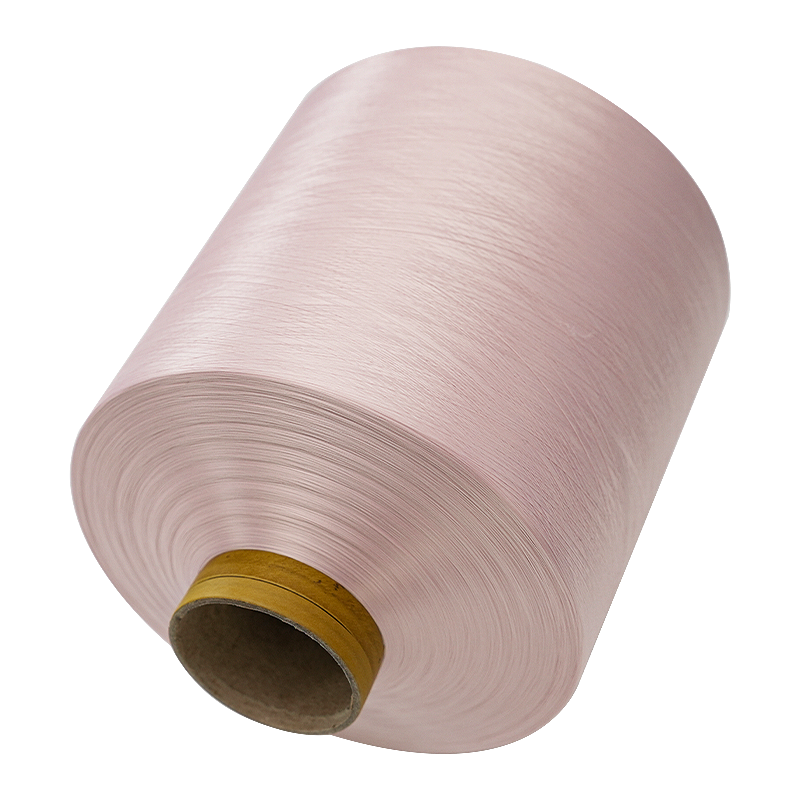
Double-strand nylon elastic yarn is a composite yarn composed of two strands of yarn. It has high strength, maintains stable performance even in a stretched state, and is not easy to break or deform. ...
See Details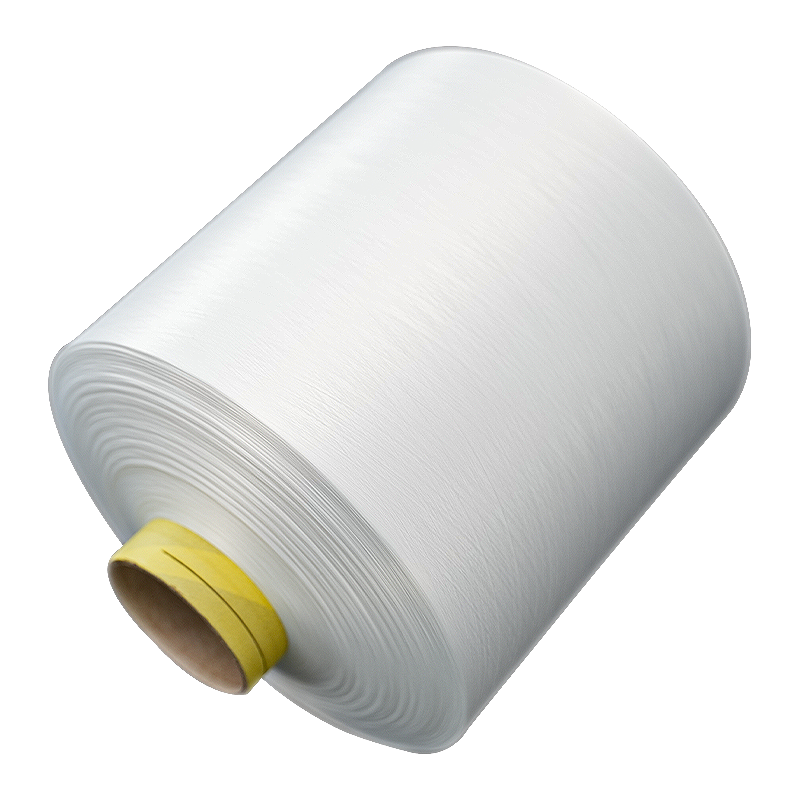
Nylon elastic yarn for textile use has a wide range of applications. Nylon elastic yarn is suitable for the manufacture of various textiles, such as underwear, socks, sportswear, swimwear, elastic fab...
See Details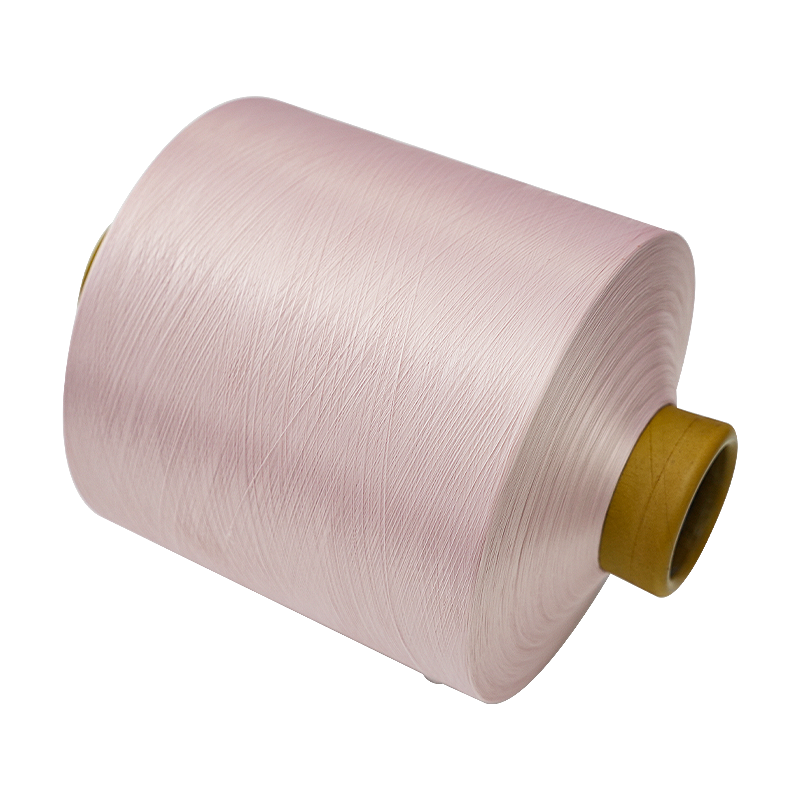
Fabrics made using Nylon elastic yarn for Weaving are lightweight, soft, comfortable and breathable, making them suitable for long-term wear. Made of high-quality nylon material with wear resistance, ...
See Details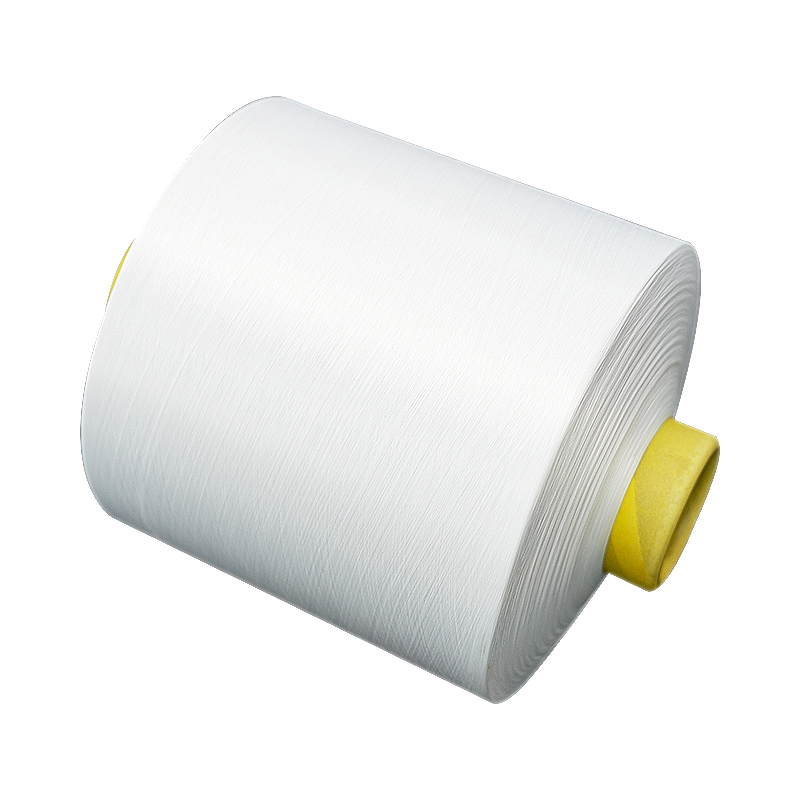
100D Nylon Elastic Yarn has a moderate thickness and good dyeing properties, which can achieve uniform and durable dyeing effects, making textiles bright and long-lasting in color. A yarn frequently u...
See Details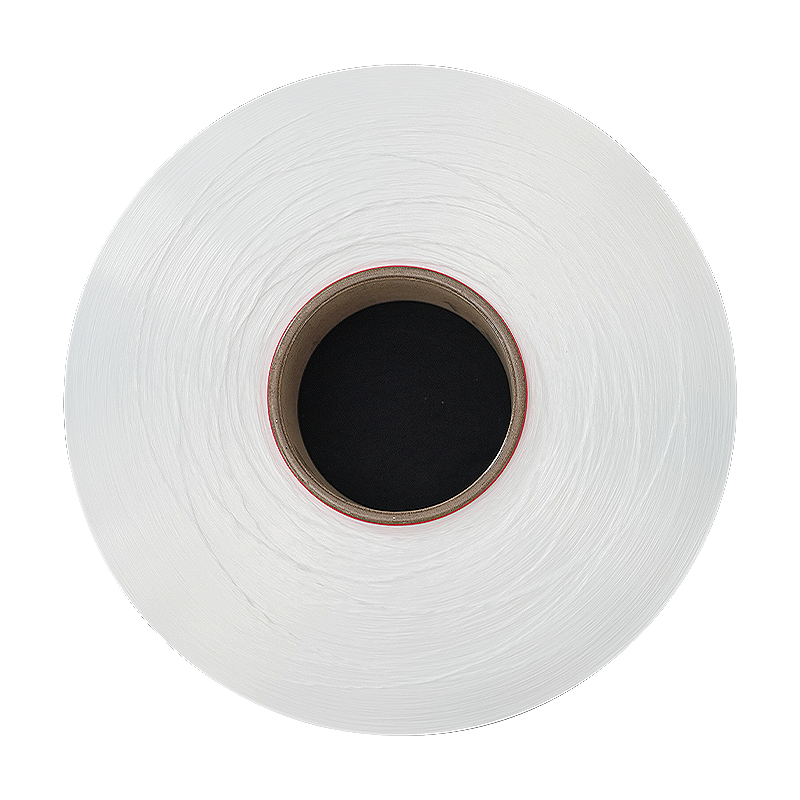
Durable composite nylon yarn has stretch and recovery properties, providing the necessary comfort, fit, and flexibility for clothing and textiles. Made of a blend of nylon fiber and polyester fiber, i...
See Details
Fully stretched polyester blended yarn is made of a blend of polyester and nylon. Polyester itself has good wear resistance. After full stretch processing, the strength and softness of the yarn increa...
See Details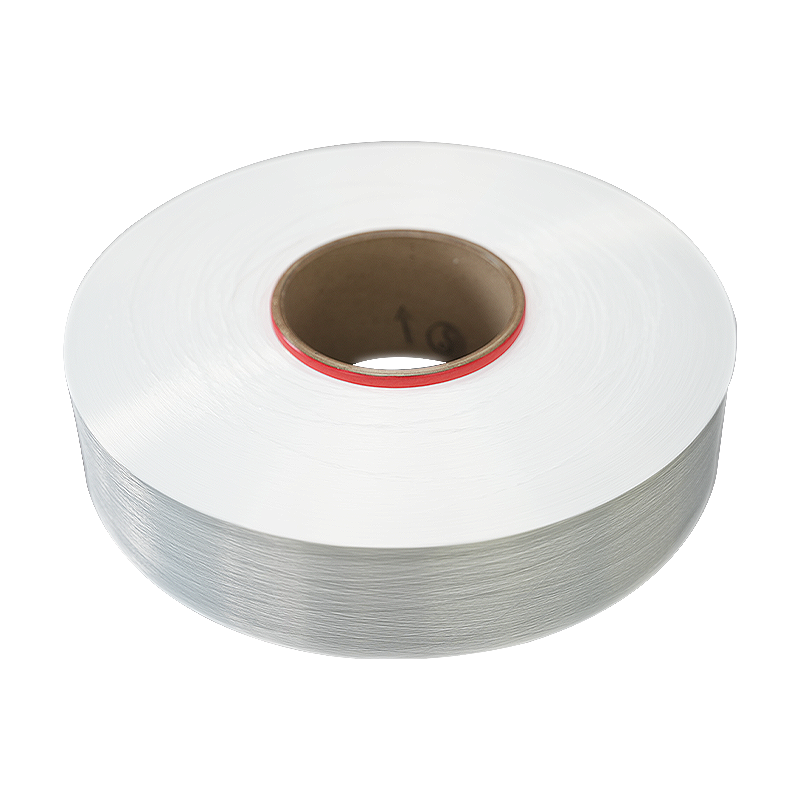
Low-melt textile FDY yarn can bond with other fibers at a certain temperature to form a strong fabric structure. This property makes it ideal for manufacturing synthetic or reinforced fabrics. This ki...
See Details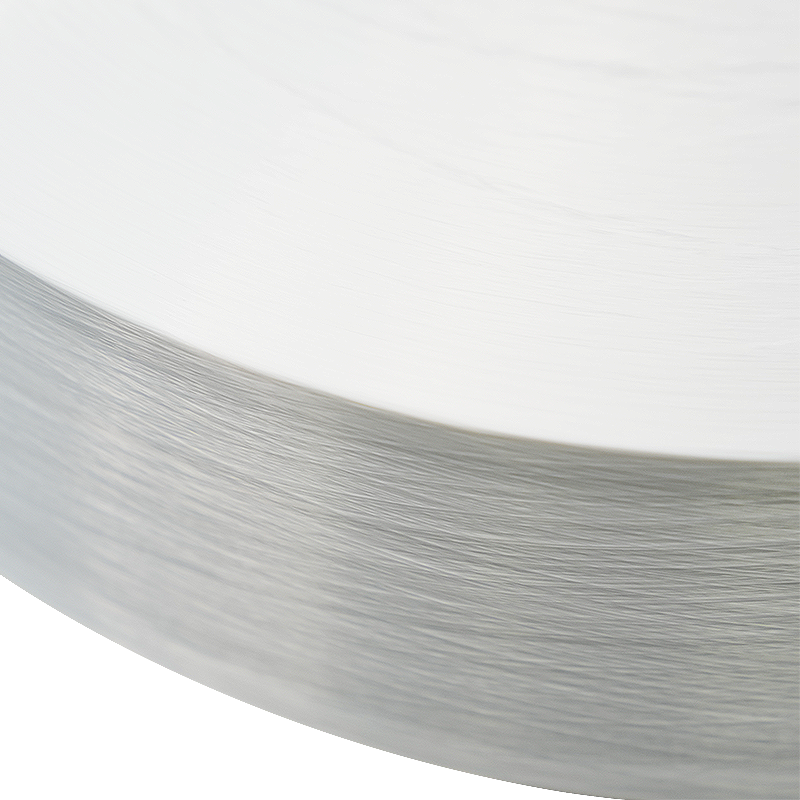
Cooling brushed durable FDY yarn has high durability and is suitable for manufacturing textiles that require wear resistance and durability. It is not easy to wear out after long-term use. Textiles of...
See Details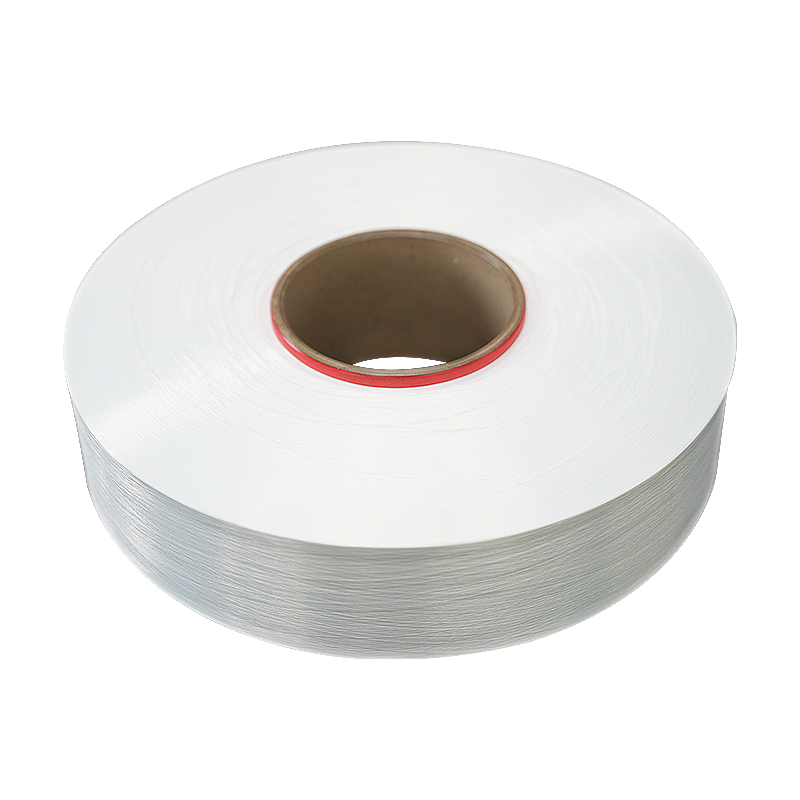
210D Permanent Cooling FDY Yarn is suitable for the manufacture of various textiles, such as sportswear, outdoor equipment, household items, etc. Textiles made of this material often have good breatha...
See Details
High shrinkage blended polyester yarn has a high shrinkage rate and is suitable for textile manufacturing that requires shrinkage treatment, such as making pleated fabrics or textile shaping. Because ...
See Details
The fibers of 210D water-repellent yarn are relatively thick, making the yarn highly wear-resistant and durable, making it suitable for long-term use. Composite fiber enables yarn to have the advantag...
See DetailsAddress: Duntou industrial park, haian county, nantong city,jiangsu province ,China.
TEL: +86 15850491859
E-mail: sales-betty@hsnylon.com
If You Are Interested In Our Products, Please Consult Us
 Wholesale Nylon Filament Yarn Manufacturers