
 English
 中文简体
中文简体
 русский
 Español
 عربى
عربى
Product Consultation
Your email address will not be published. Required fields are marked *
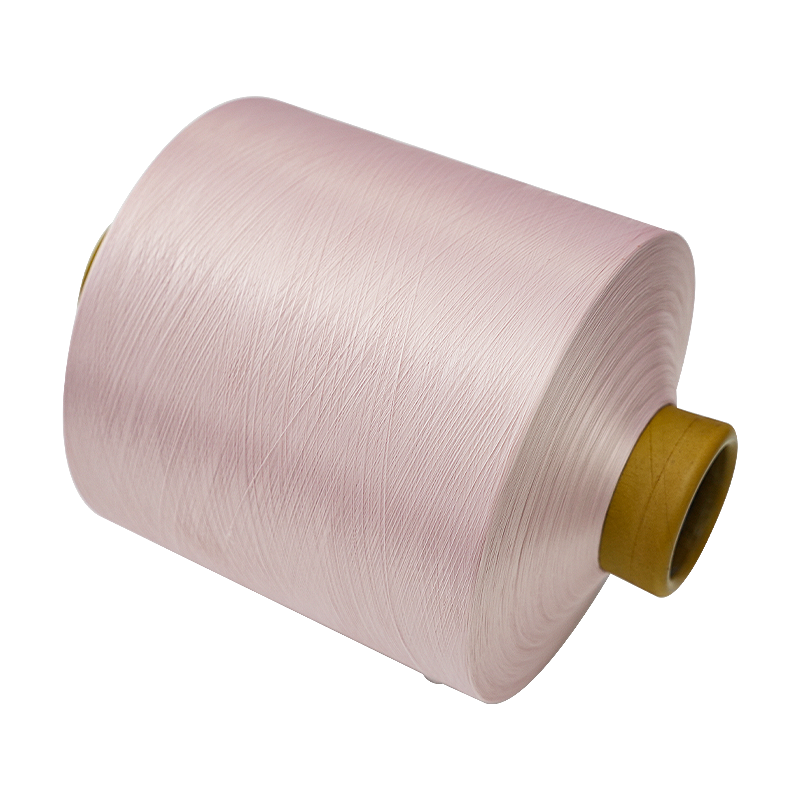
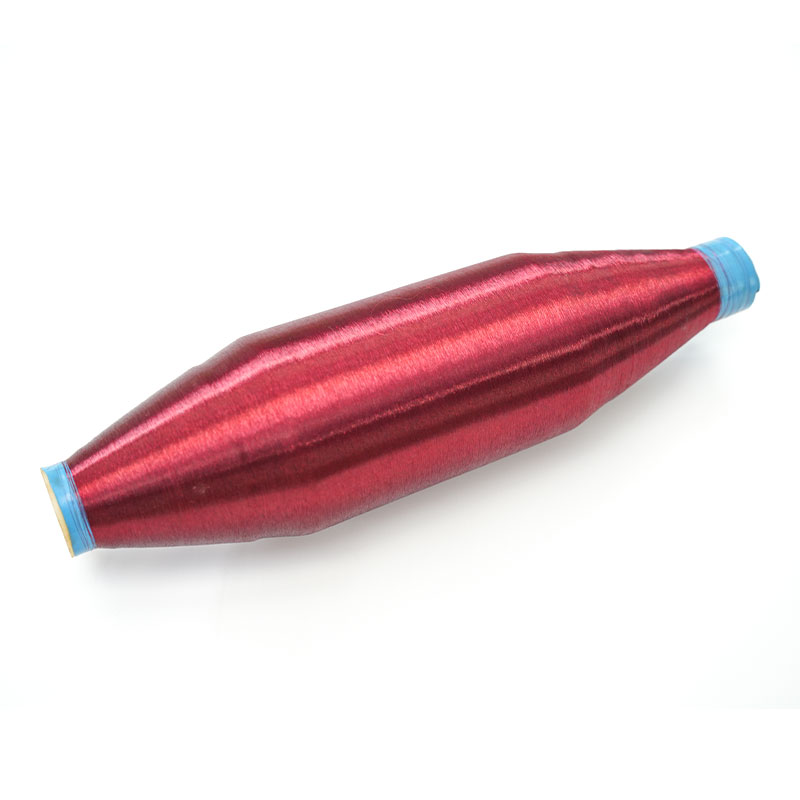
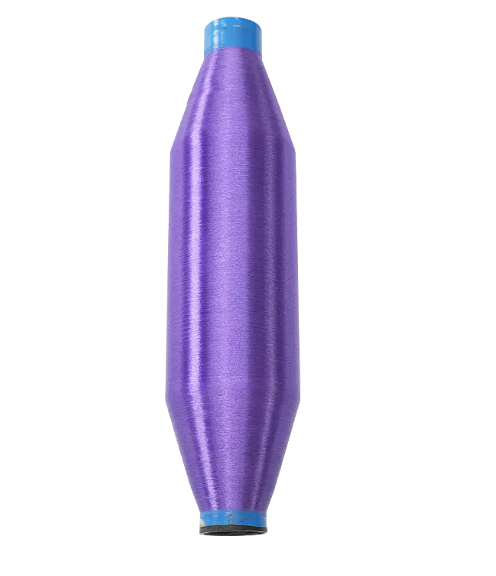
Nylon multifilament yarn has several advantages and characteristics when compared to other types of yarn, such as polyester, cotton, and wool, especially in terms of strength, durability, and elasticity.Strength:Nylon Multifilament Yarn: Known for its high tensile strength, it can withstand significant pulling forces, making it suitable for applications that require strong, durable materials (e.g., ropes, fishing lines).
Polyester: Generally strong but not as strong as nylon. It is often used in applications where moderate strength is sufficient.
Cotton: Weaker than both nylon and polyester, making it less suitable for high-stress applications.
Wool: Also weaker than nylon and polyester, with limited applications where strength is a primary concern.
Durability:Nylon Multifilament Yarn: Highly durable and resistant to abrasion, chemicals, and UV light. This makes it suitable for outdoor and industrial applications.
Polyester: Good durability, resistant to UV degradation and moisture. However, it can be less resistant to abrasion compared to nylon.
Cotton: Less durable and prone to wear and tear over time, especially when exposed to moisture.
Wool: Durable in certain contexts but can be damaged by excessive moisture and may lose strength when wet.
Elasticity:Nylon Multifilament Yarn: Excellent elasticity, allowing it to stretch without breaking and return to its original shape. This makes it ideal for applications requiring flexibility (e.g., swimwear, activewear).
Polyester: Good elasticity, though typically less than nylon, which can affect its comfort and fit in certain applications.
Cotton: Lacks significant elasticity, making it less suitable for applications where stretch is important.
Wool: Has some natural elasticity, which helps in retaining shape, but is not as elastic as nylon.
Nylon multifilament yarn stands out for its high strength, excellent durability, and superior elasticity compared to other yarn types. These properties make it a preferred choice for many demanding applications, particularly in textiles requiring resilience and flexibility.
Why is Nylon Multifilament Yarn so resistant to UV rays?
2024-10-22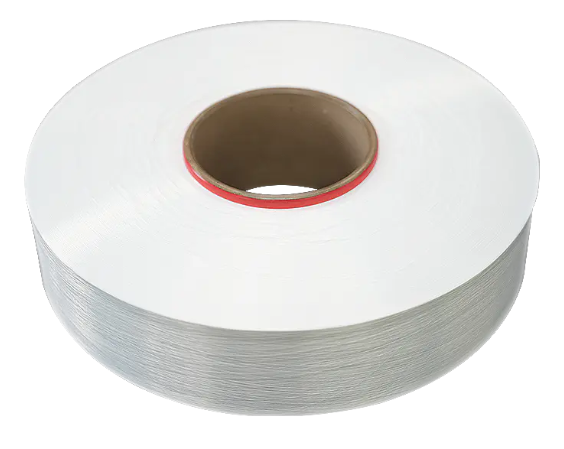
How durable is low-melt FDY yarn in textile or other applications?
2024-11-05Your email address will not be published. Required fields are marked *
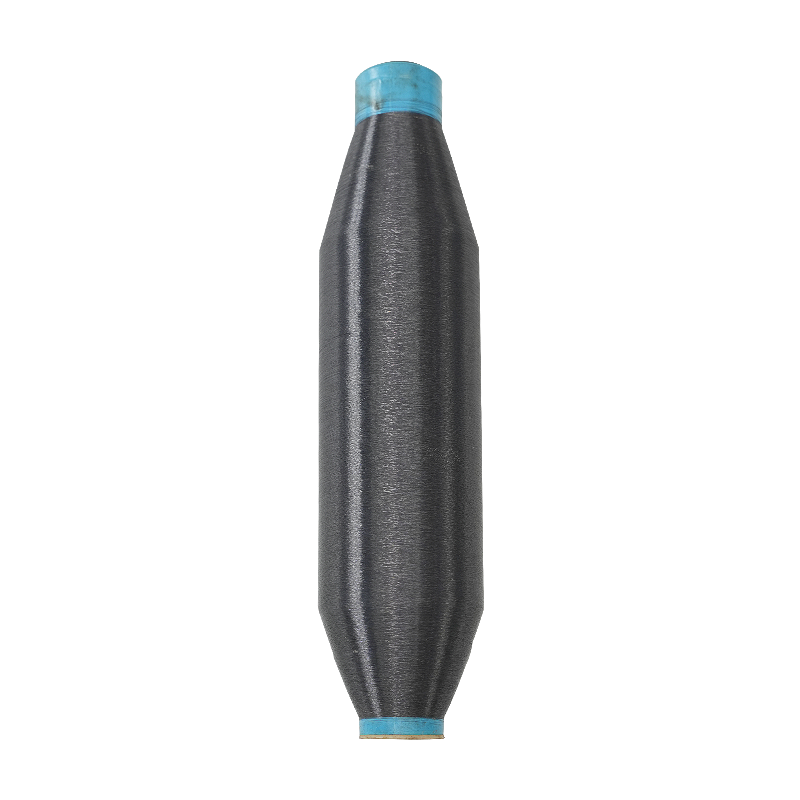
Nylon is a synthetic fiber with good strength and wear resistance, so 40D biodegradable yarn inherits the properties of nylon fiber. It has tensile strength, abrasion resistance and corrosion resistan...
See Details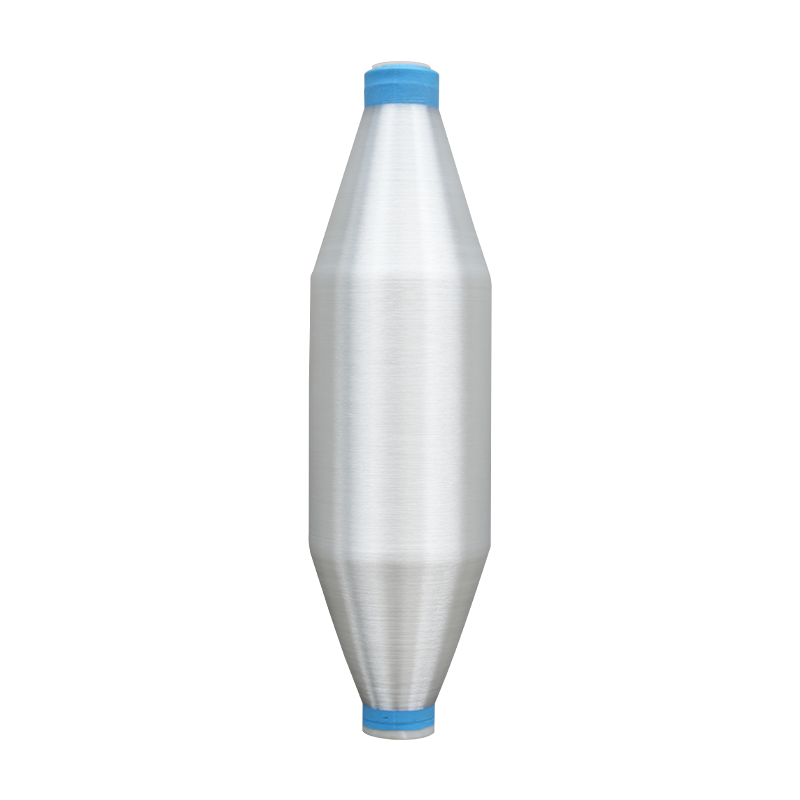
60D woven Antiviral Yarn is thin overall and suitable for making light and soft textiles. Nylon fiber has a soft feel and good breathability. This yarn is usually used to weave fabrics and can be made...
See Details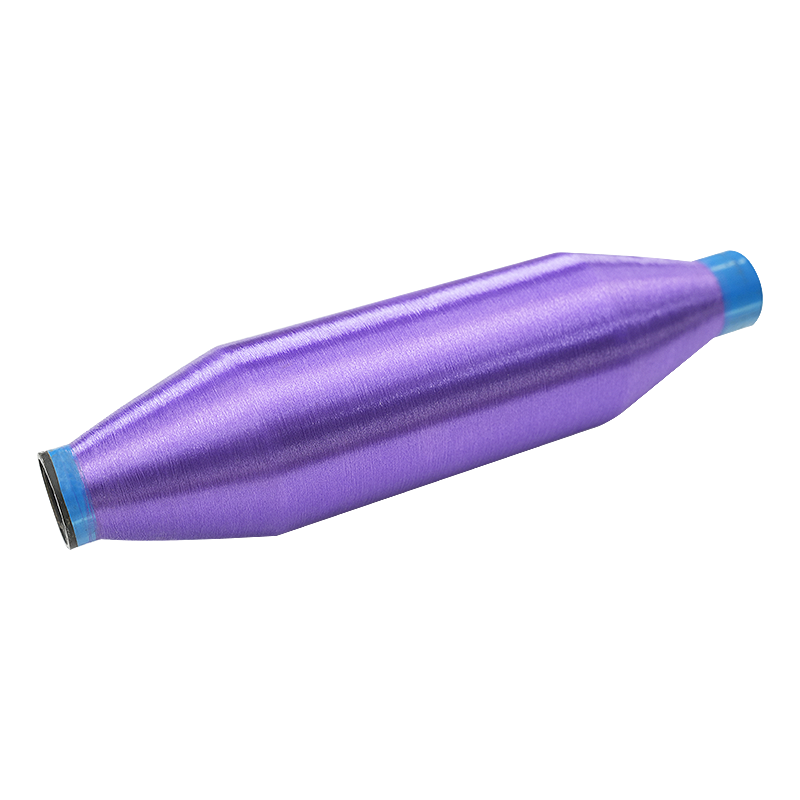
Graphene yarns can be produced by a variety of methods, including chemical vapor deposition (CVD) and wet spinning. In CVD, graphene is grown directly on a substrate, which is then removed to obtain g...
See Details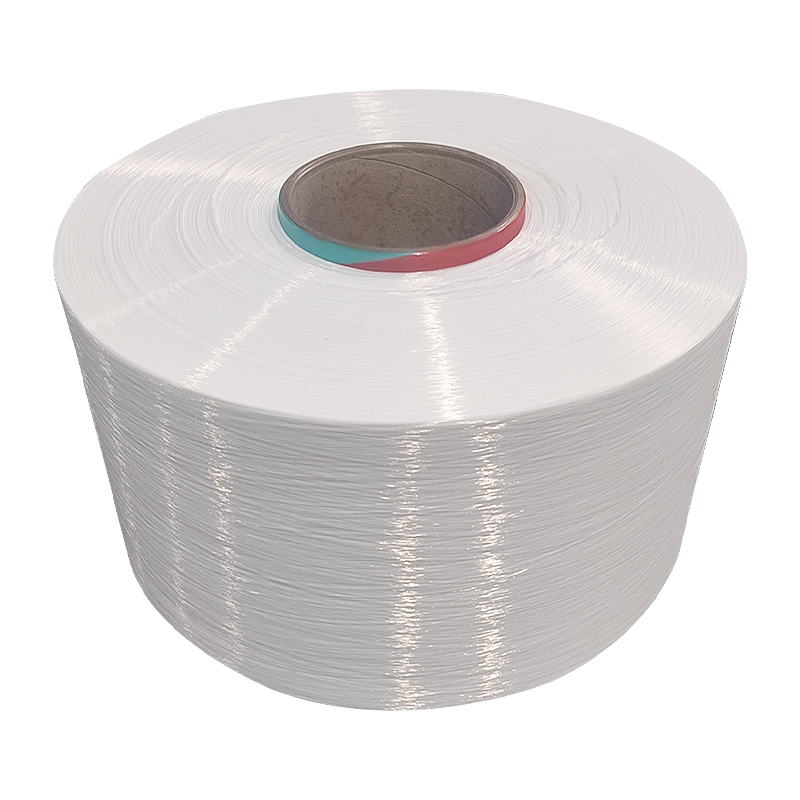
Colored Nylon Mother Yarn can be processed through spinning, drawing, dyeing and other processes to meet the needs of different textiles. It has good processing adaptability and can be made into vario...
See Details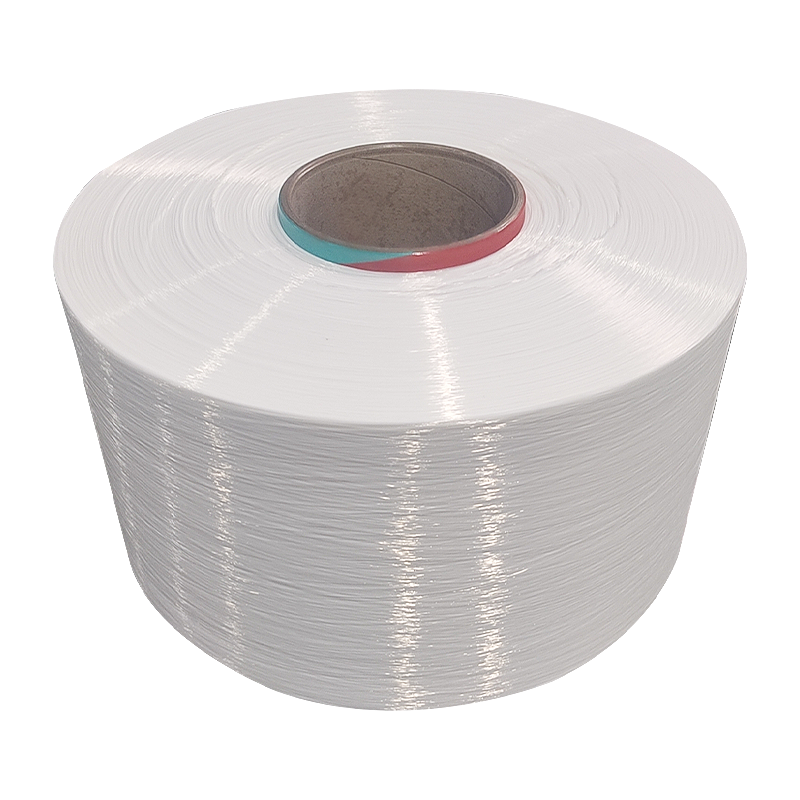
300D Nylon Mother Yarn is made of nylon material, a synthetic fiber with abrasion resistance, strength and durability. It is therefore suitable for manufacturing various types of textiles, such as clo...
See Details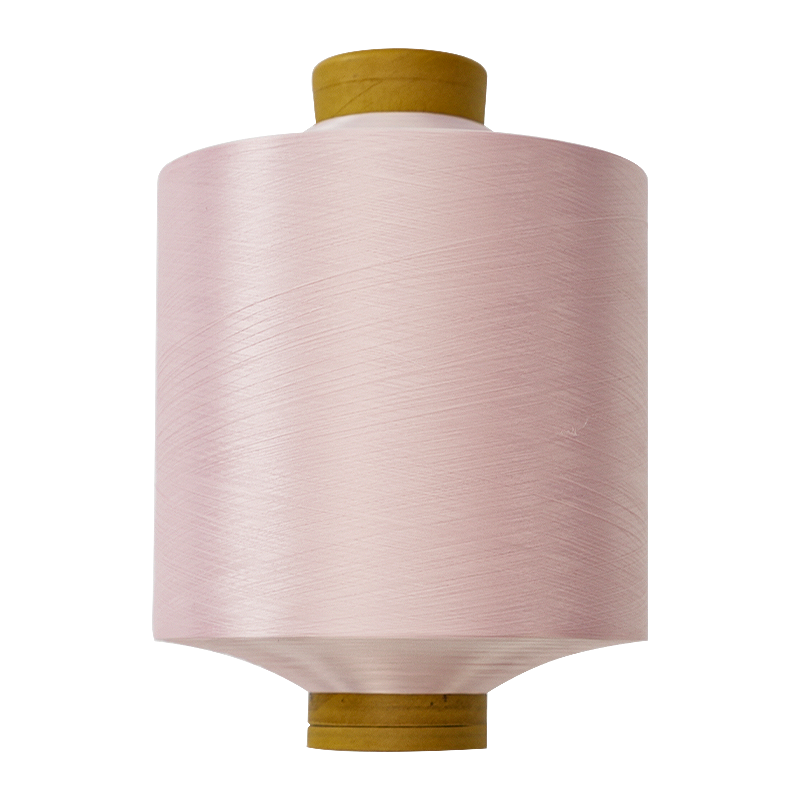
Nylon Elastic Yarn has elasticity and can quickly return to its original shape after stretching. This high elasticity makes the fabrics stretchable and comfortable. Nylon material has good wear resist...
See Details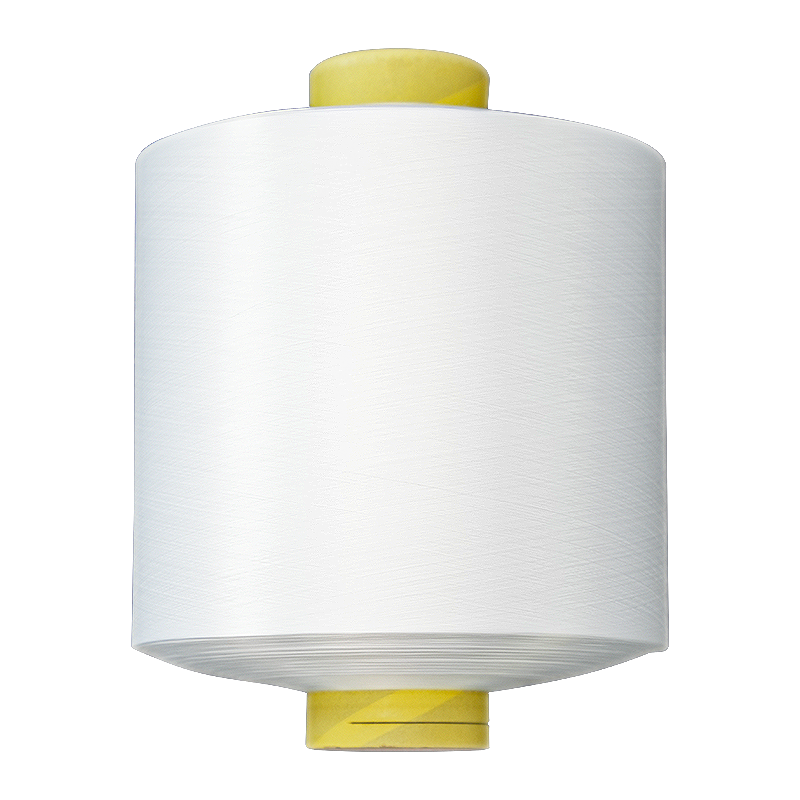
Nylon stretch sportswear yarn is a yarn used to make sportswear and other clothing that require high breathability. Nylon fiber has good breathability, which helps to wick away perspiration and keep t...
See Details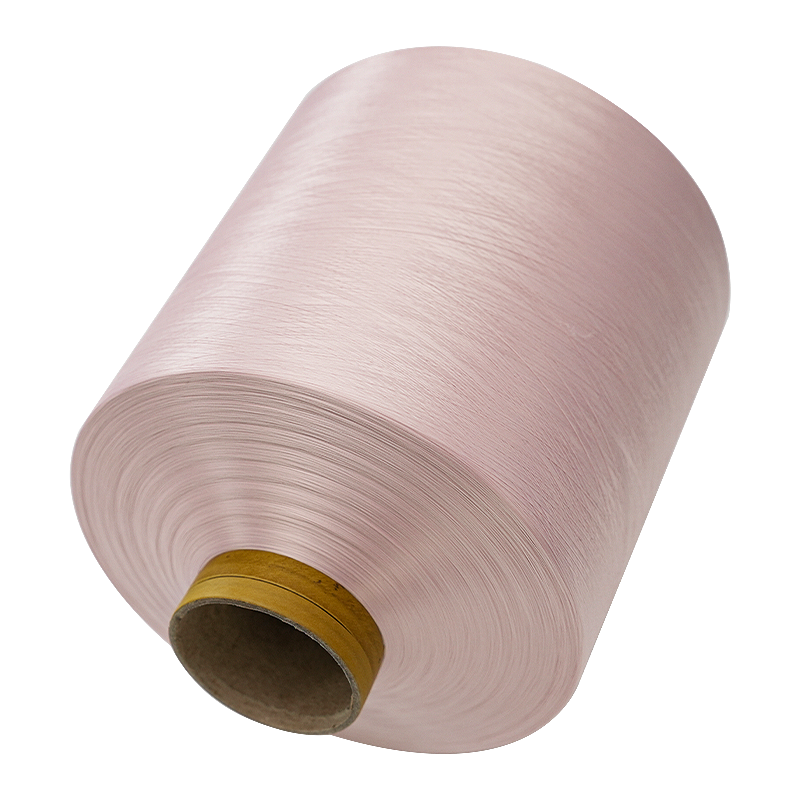
Double-strand nylon elastic yarn is a composite yarn composed of two strands of yarn. It has high strength, maintains stable performance even in a stretched state, and is not easy to break or deform. ...
See Details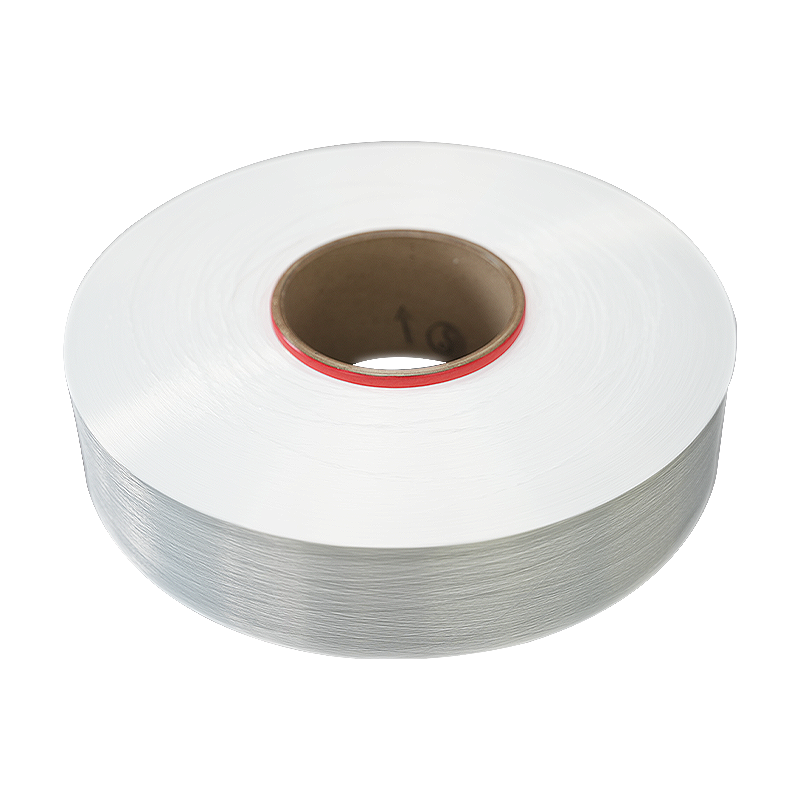
Low-melt textile FDY yarn can bond with other fibers at a certain temperature to form a strong fabric structure. This property makes it ideal for manufacturing synthetic or reinforced fabrics. This ki...
See Details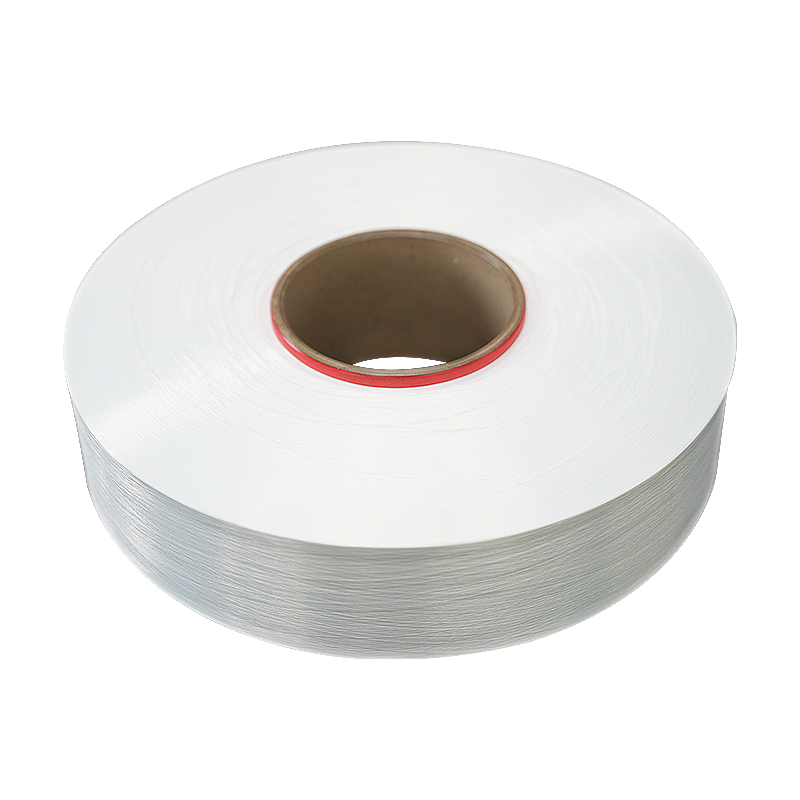
210D Permanent Cooling FDY Yarn is suitable for the manufacture of various textiles, such as sportswear, outdoor equipment, household items, etc. Textiles made of this material often have good breatha...
See Details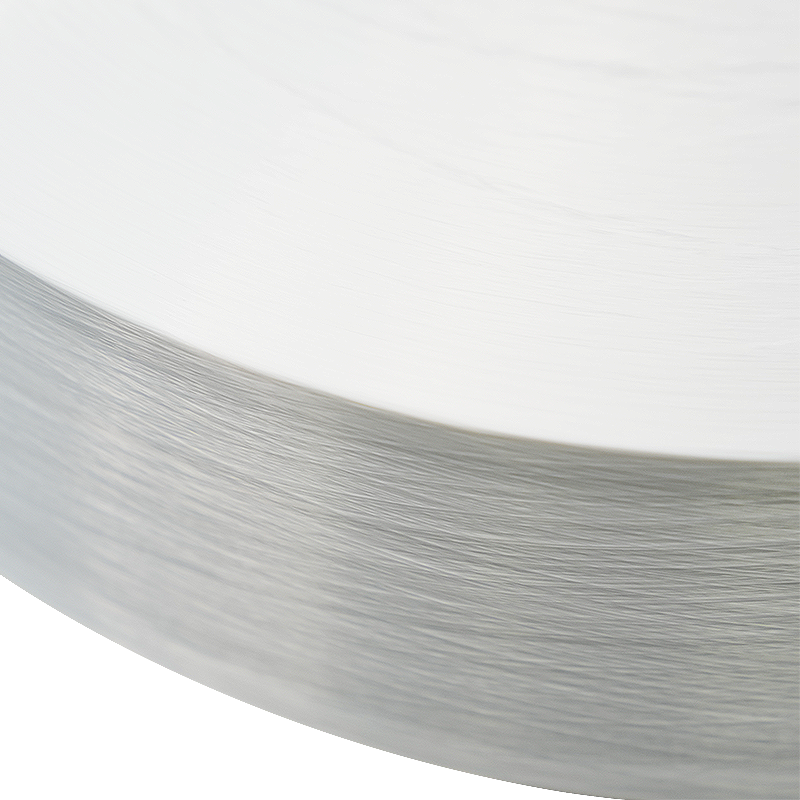
Water-repellent blended FDY yarn has good waterproof properties. This characteristic makes Water-repellent blended FDY yarn a greater advantage when making textiles with high waterproof requirements s...
See Details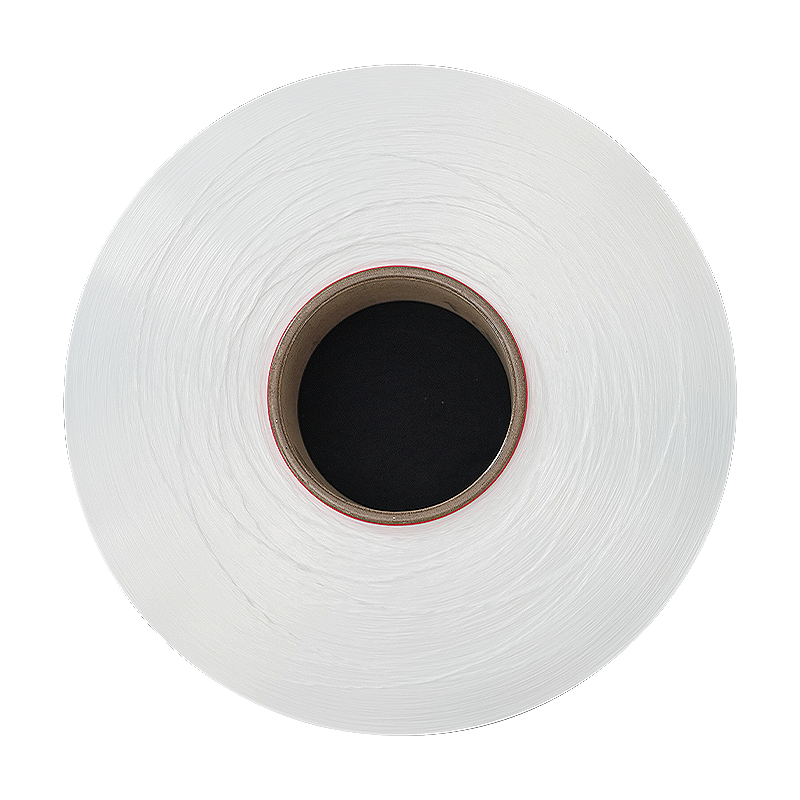
The fibers of 210D water-repellent yarn are relatively thick, making the yarn highly wear-resistant and durable, making it suitable for long-term use. Composite fiber enables yarn to have the advantag...
See DetailsAddress: Duntou industrial park, haian county, nantong city,jiangsu province ,China.
TEL: +86 15850491859
E-mail: sales-betty@hsnylon.com
If You Are Interested In Our Products, Please Consult Us
 Wholesale Nylon Filament Yarn Manufacturers