
 English
 中文简体
中文简体
 русский
 Español
 عربى
عربى
Product Consultation
Your email address will not be published. Required fields are marked *
Nylon elastic yarn is primarily made by combining nylon with elastic fibers, such as spandex or Lycra, which impart stretchability to the yarn. The structure of nylon elastic yarn typically involves a blend of high-strength nylon fibers with a core of elastic material, allowing it to stretch and recover its shape. The proportion of elastic fiber in the yarn can vary, with some products offering more stretch and others designed for minimal elongation. This type of yarn is designed to provide flexibility, comfort, and shape retention, making it ideal for applications where elasticity is crucial, such as in activewear or lingerie.
In contrast, ordinary nylon yarn is composed of 100% nylon fibers, which are derived from petroleum-based raw materials. These fibers are highly durable, abrasion-resistant, and have excellent tensile strength. However, unlike nylon elastic yarn, ordinary nylon yarn lacks the elastic component, meaning it does not have the same stretch and recovery properties. The structure of ordinary nylon yarn can vary, with it being produced in different thicknesses and textures, but it always retains the inherent strength and resistance to wear that makes nylon such a popular material for a variety of uses.
The most obvious difference between nylon elastic yarn and ordinary nylon yarn is the degree of elasticity. Nylon elastic yarn is designed to stretch and return to its original shape, thanks to the inclusion of elastic fibers. This allows it to maintain a tight fit, conform to body shapes, and retain its form even after repeated use. As a result, nylon elastic yarn is often used in garments or products that require flexibility, such as hosiery, sportswear, and swimwear. Ordinary nylon yarn, on the other hand, does not possess these stretch properties. While it is still flexible to a certain extent, it does not exhibit the same level of stretchability and will maintain its original length and form under normal conditions. This makes ordinary nylon yarn more suitable for applications where elasticity is not a primary concern.
Both nylon elastic yarn and ordinary nylon yarn are known for their strength and durability, but there are subtle differences in their performance. Ordinary nylon yarn is highly resistant to abrasion, chemicals, and UV radiation, making it ideal for products that need to withstand harsh conditions, such as outdoor gear, ropes, and industrial fabrics. The addition of elastic fibers in nylon elastic yarn can slightly affect its overall strength, as the stretchable component is generally less durable than pure nylon. However, nylon elastic yarn still offers considerable strength, and its durability is typically sufficient for the applications in which it is used, such as activewear and underwear. The overall performance in terms of durability depends on the proportion of elastic fiber used, as well as the quality of the nylon itself.
When it comes to comfort and wearability, nylon elastic yarn has a clear advantage in certain applications. The stretchability of nylon elastic yarn provides a snug fit and enhances the comfort of clothing, especially in garments that need to move with the body, such as sports bras, leggings, or performance tights. The elastic fibers allow the garment to expand and contract as the wearer moves, providing a level of comfort that would not be possible with ordinary nylon yarn. Furthermore, the stretch and recovery properties of nylon elastic yarn help garments maintain their shape, preventing sagging or distortion over time.
In comparison, ordinary nylon yarn, while strong and durable, lacks the same flexibility. This can make garments made from ordinary nylon yarn less comfortable for activities that require a high degree of movement. However, ordinary nylon is often used in applications where structure and support are more important than elasticity, such as in outerwear or bags, where a firm fit is desirable.
Both nylon elastic yarn and ordinary nylon yarn have good moisture-wicking properties, making them suitable for athletic wear and outdoor products. Nylon has an inherent ability to draw moisture away from the skin, keeping the wearer dry and comfortable. However, the addition of elastic fibers in nylon elastic yarn may slightly affect its breathability, as the elastic component can reduce the ability of the yarn to allow air to pass through it. This is particularly true in high-stretch garments where the fabric is tightly fitted to the body.
Ordinary nylon yarn, without the added stretch component, often offers better breathability and can be used in products that require both moisture-wicking and ventilation, such as lightweight jackets or athletic shirts. The absence of elastic fibers in ordinary nylon yarn allows for a more open structure, improving airflow and reducing the likelihood of heat buildup. Both types of yarn are suitable for activewear, but the choice between them will depend on the specific needs of the user.
Nylon elastic yarn is commonly used in products where elasticity is crucial. This includes items like sportswear, swimwear, activewear, leggings, socks, and underwear. The stretchable nature of nylon elastic yarn provides the flexibility and fit needed for garments that are designed to move with the body. This yarn is also popular in the production of elastic bands, waistbands, and other clothing components that require a degree of stretch and recovery. The elasticity allows these products to maintain their shape and ensure a snug fit, making them comfortable for extended wear and physical activity.
Ordinary nylon yarn is more commonly used in applications where strength and durability are more important than elasticity. It is widely used in the production of outdoor gear, industrial fabrics, ropes, and upholstery. Nylon’s resistance to abrasion and weathering makes it ideal for products exposed to harsh environmental conditions, such as tents, backpacks, and ropes. Additionally, ordinary nylon yarn is often used in the manufacturing of accessories like handbags, shoes, and belts, where structural integrity and wear resistance are essential. The material is also commonly used in carpets, fishing lines, and other applications that require long-lasting performance and strength.
In general, nylon elastic yarn tends to be more expensive than ordinary nylon yarn due to the additional processing required to incorporate elastic fibers into the material. The inclusion of elastic components increases the cost of production, as it requires additional steps in the manufacturing process. As a result, products made from nylon elastic yarn may be priced higher compared to those made from regular nylon yarn. However, the added benefits of elasticity and comfort often justify the higher cost for consumers who need the specific performance characteristics of nylon elastic yarn.
Ordinary nylon yarn, being a more straightforward material to produce, is usually less expensive and more widely available. It is a versatile and durable option that can be used in a range of applications, from industrial products to everyday clothing. The manufacturing process for ordinary nylon yarn is well-established and does not involve the added complexity of incorporating elastic fibers, making it a cost-effective choice for many users.
Both nylon elastic yarn and ordinary nylon yarn are made from synthetic materials, and thus, both have an environmental impact. Nylon is derived from petroleum-based resources, and the production process can contribute to pollution and waste. Additionally, both types of yarn are not biodegradable, meaning they can persist in the environment for extended periods if not disposed of properly.
However, some manufacturers are working to reduce the environmental impact of nylon by developing recycled nylon fibers and implementing more sustainable manufacturing practices. The use of recycled materials in both nylon elastic yarn and ordinary nylon yarn is becoming more common, as it helps reduce reliance on virgin petroleum-based resources and lowers the carbon footprint of production. Consumers who are concerned about environmental issues may want to look for products made with recycled nylon or those that adhere to sustainable production methods.
How are the heat resistance and UV resistance of nylon mother yarn?
2026-01-22
Does nylon mother yarn have problems with static electricity or moisture absorption?
2026-02-12Your email address will not be published. Required fields are marked *
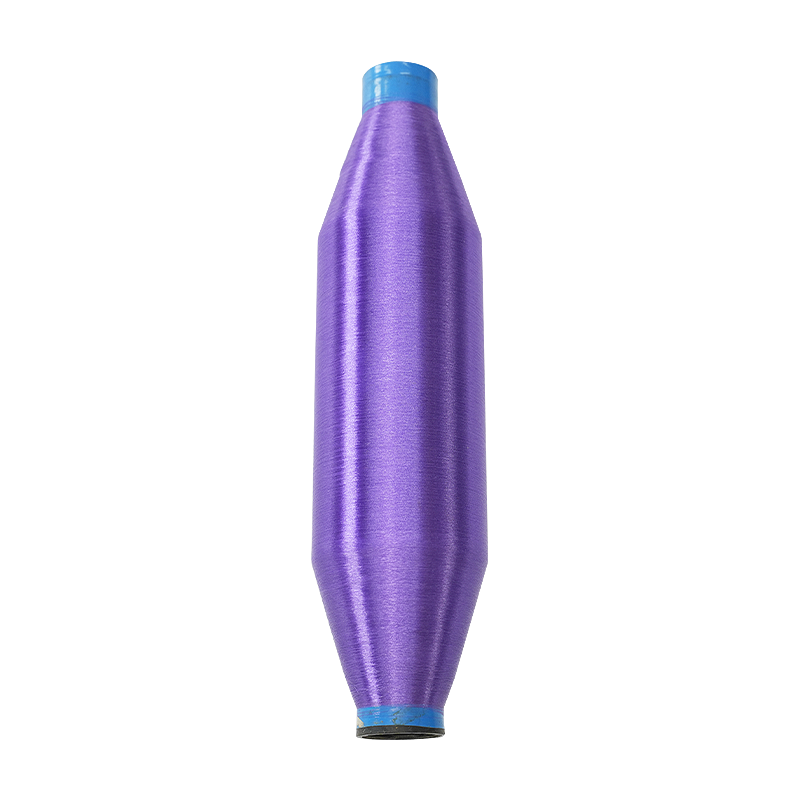
Single Strand Biodegradable Yarn is a single-strand structure, consisting of a single fiber bundle with no multiple strands tangled together. This structure makes the yarn softer, and smoother and exh...
See Details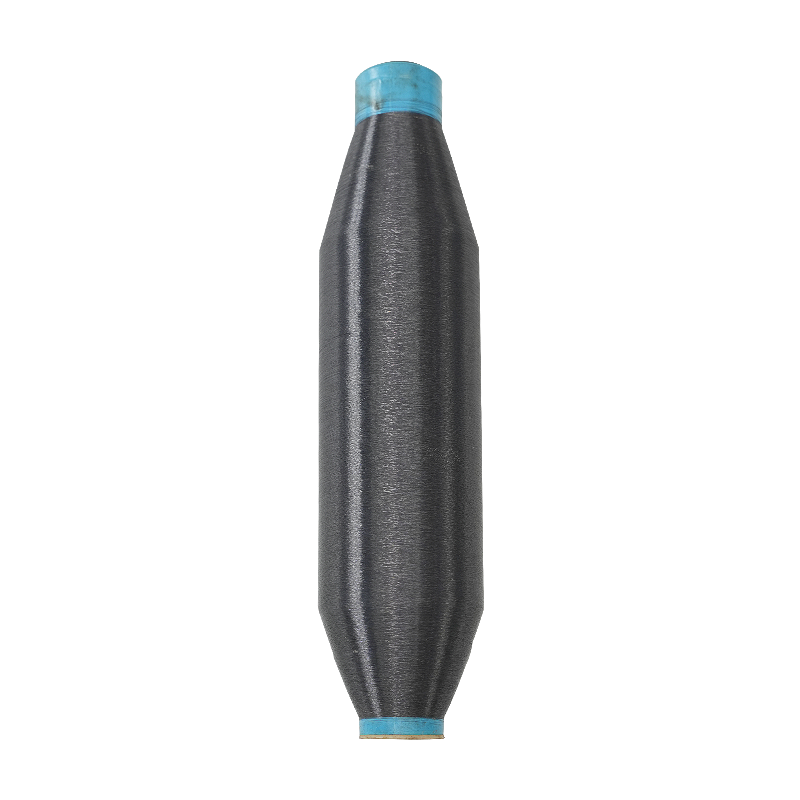
Nylon is a synthetic fiber with good strength and wear resistance, so 40D biodegradable yarn inherits the properties of nylon fiber. It has tensile strength, abrasion resistance and corrosion resistan...
See Details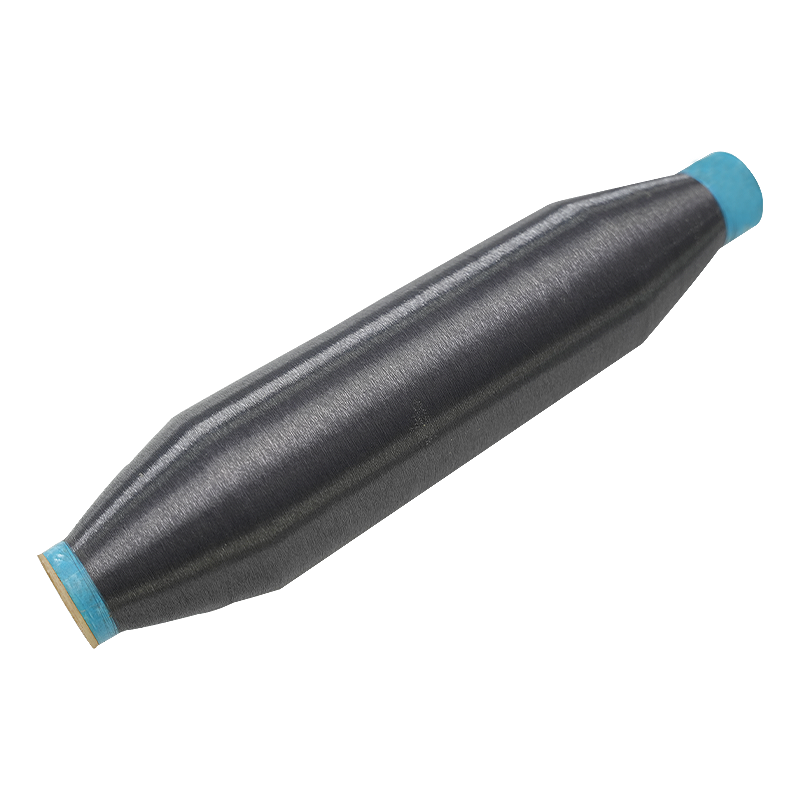
Elastic high-performance polyamide multifilament refers to a synthetic fiber made from polyamide polymer (commonly known as nylon). Resilient and high-performance properties make it suitable for a var...
See Details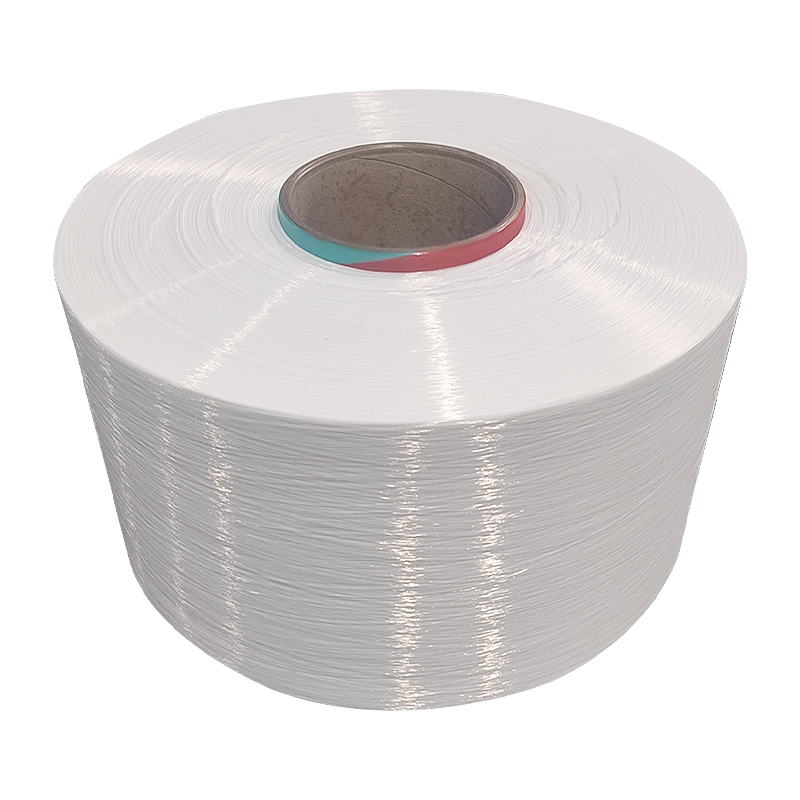
The diameter of Durable woven nylon mother yarn is 240D, the fiber thickness is medium, and it is suitable for the manufacture of a variety of textiles. This product has good tensile strength and will...
See Details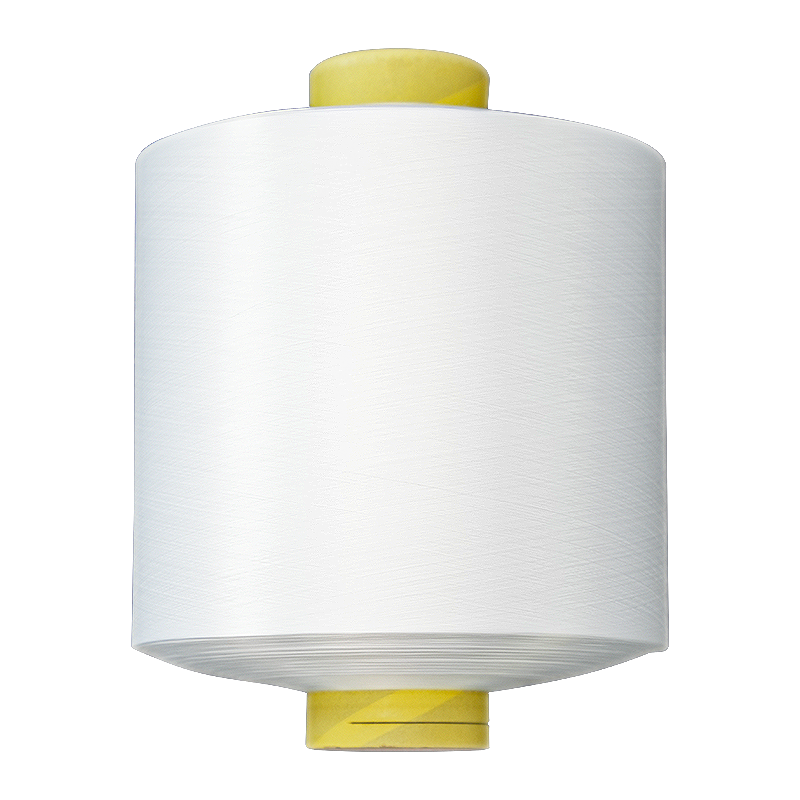
Nylon stretch sportswear yarn is a yarn used to make sportswear and other clothing that require high breathability. Nylon fiber has good breathability, which helps to wick away perspiration and keep t...
See Details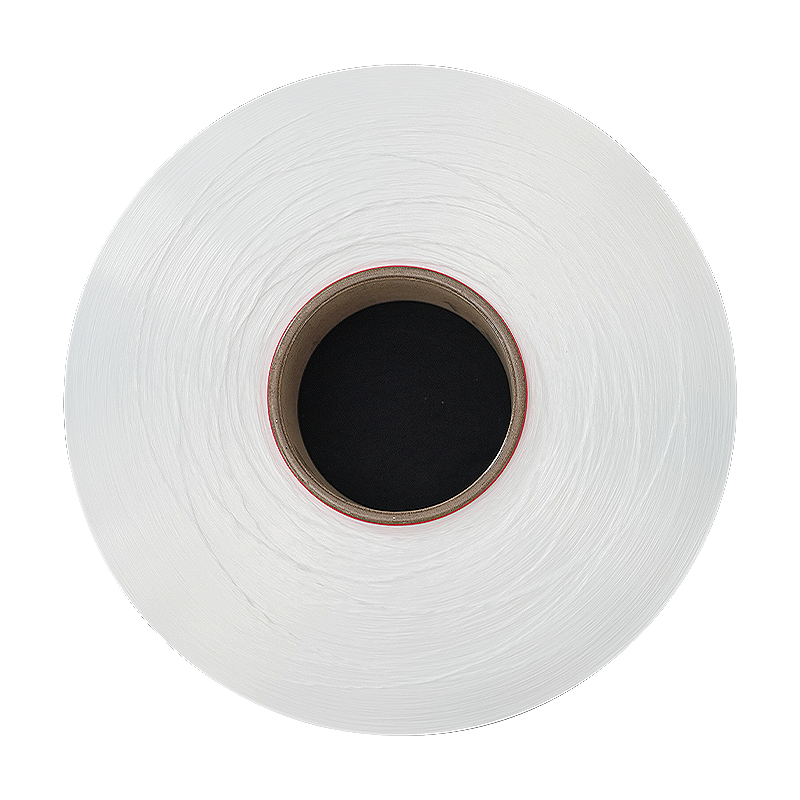
Durable composite nylon yarn has stretch and recovery properties, providing the necessary comfort, fit, and flexibility for clothing and textiles. Made of a blend of nylon fiber and polyester fiber, i...
See Details
Fully stretched polyester blended yarn is made of a blend of polyester and nylon. Polyester itself has good wear resistance. After full stretch processing, the strength and softness of the yarn increa...
See Details
140D Durable low-melt FDY yarn is suitable for the manufacture of various textiles, especially for the preparation of composite fabrics, such as polyester-cotton blended fabrics or elastic fabrics. Th...
See Details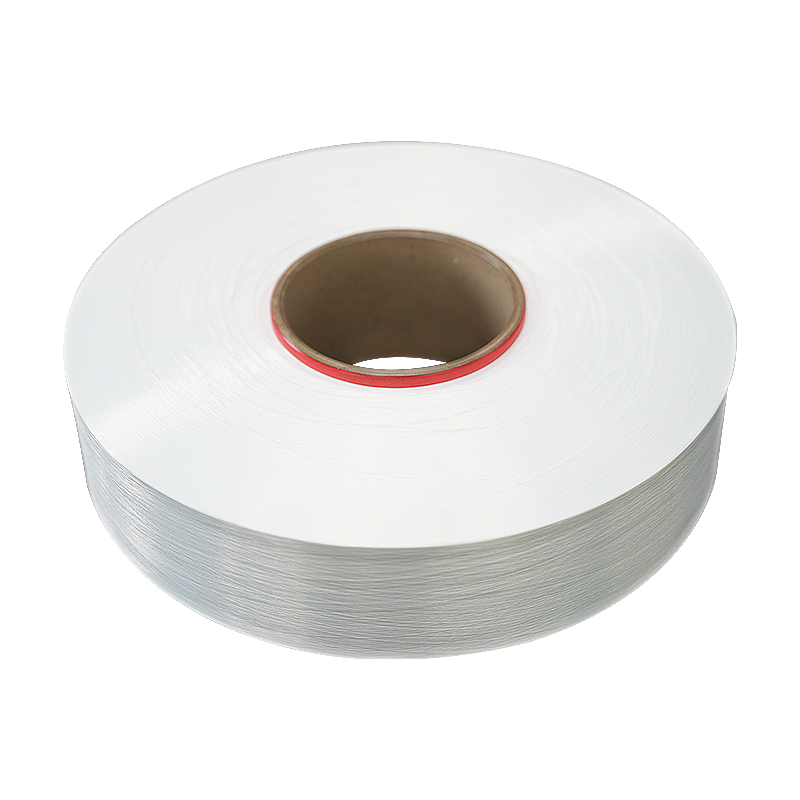
210D Permanent Cooling FDY Yarn is suitable for the manufacture of various textiles, such as sportswear, outdoor equipment, household items, etc. Textiles made of this material often have good breatha...
See Details
Composite woven FDY yarn mixes different types of fibers and has good wear resistance. The fabric made is not easy to wear and is suitable for long-term use. Composite woven FDY yarn has a wide range ...
See Details
Composite fiber yarn for textile use consists of 48 monofilaments. Relatively thin and composed of multiple filaments, it adds softness and texture to the fabric. This product is suitable for the manu...
See Details
Water-repellent high Filament spun yarn has strong water resistance, providing an extremely delicate touch while retaining strength. Suitable for a wide range of applications from intricate embroidery...
See DetailsAddress: Duntou industrial park, haian county, nantong city,jiangsu province ,China.
TEL: +86 15850491859
E-mail: sales-betty@hsnylon.com
If You Are Interested In Our Products, Please Consult Us
 Wholesale Nylon Filament Yarn Manufacturers