
 English
 中文简体
中文简体
 русский
 Español
 عربى
عربى
Product Consultation
Your email address will not be published. Required fields are marked *
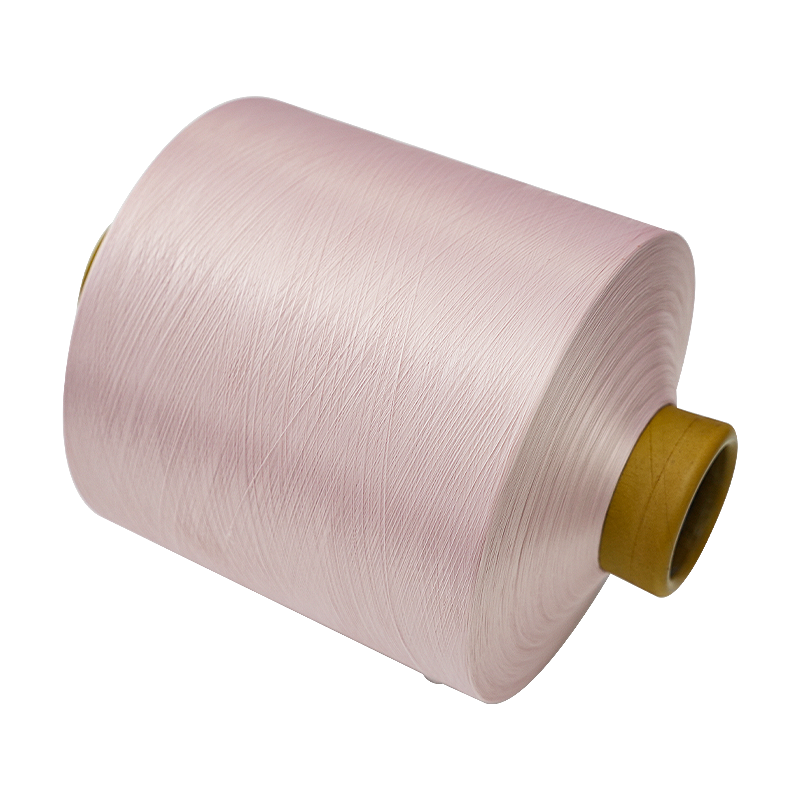
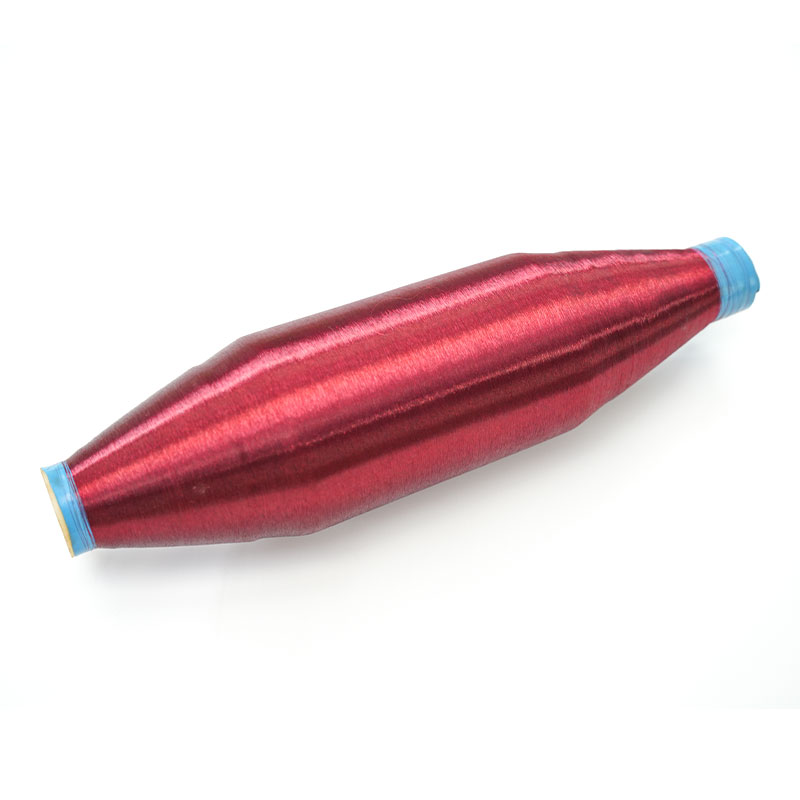
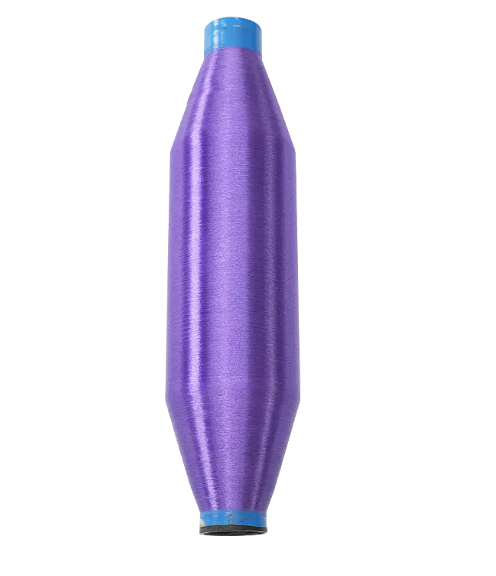
Nylon mother yarn, commonly used in the production of various textiles, is a synthetic fiber derived from polyamide. It serves as the base or "mother" yarn from which finer yarns are spun, such as those used in fabrics for apparel, upholstery, and industrial applications. Its properties, including heat resistance and UV resistance, play a significant role in determining its suitability for specific environments and uses. Understanding these characteristics helps manufacturers and consumers select the right type of nylon for their particular needs, whether for everyday wear or more specialized industrial applications.
Heat resistance refers to the ability of a material to withstand elevated temperatures without undergoing significant degradation. For nylon mother yarn, this characteristic is important because it impacts the fiber’s durability and performance when exposed to heat sources, such as in industrial processes or high-temperature environments. Nylon, as a synthetic polymer, has an inherent resistance to heat, but it does have limits. Typically, the heat resistance of standard nylon ranges between 120°C and 150°C, although modified or specially treated nylon materials can withstand higher temperatures.
When nylon mother yarn is used in applications that may be exposed to moderate heat, such as in clothing or general upholstery, it generally performs well without issues. However, for more demanding environments where exposure to high temperatures is frequent, such as in automotive or aerospace industries, higher-grade heat-resistant nylons, often enhanced with heat stabilizers or other additives, are preferred. These enhanced versions can endure temperatures above 200°C without significant breakdown, offering improved durability and performance in high-heat settings.
Several factors influence the heat resistance of nylon mother yarn. One of the most important is the specific formulation of the nylon used to create the yarn. Nylon 6 and Nylon 6,6 are two common types of nylon, and while both exhibit reasonable heat resistance, Nylon 6,6 is generally considered more heat resistant due to its higher melting point and stronger molecular structure.
The presence of additives and stabilizers in the nylon also plays a critical role in its heat resistance. Certain chemical compounds can be added to enhance the yarn's ability to withstand heat, making it more suitable for applications like high-temperature filtration or insulation. However, it's important to note that the more heat-resistant formulations may be more rigid and less flexible, which could affect their suitability for certain textile applications.
UV resistance refers to the ability of a material to withstand degradation caused by ultraviolet (UV) radiation, which is a common environmental stressor. UV rays from the sun can break down the molecular structure of many materials, leading to fading, embrittlement, and eventual failure. Nylon mother yarn, when exposed to sunlight, is susceptible to UV damage over time. This is particularly important in applications where the yarn or fabric will be used outdoors or in direct sunlight, such as in outdoor furniture, tents, or clothing for sports and leisure.
Standard nylon fibers, including mother yarn, typically degrade when exposed to UV radiation for extended periods. This degradation is a result of UV rays breaking down the polymer chains that make up the nylon, leading to a reduction in strength, elasticity, and overall lifespan. The extent of UV resistance in nylon depends on various factors, including the specific nylon formulation and any protective treatments applied to the fiber.
To improve the UV resistance of nylon mother yarn, manufacturers often add UV stabilizers or other protective additives during the production process. These chemicals work by absorbing UV radiation or by creating a protective barrier on the fiber’s surface that prevents the UV rays from penetrating and breaking down the polymer chains. The inclusion of UV stabilizers can significantly extend the lifespan of nylon products exposed to sunlight, preventing premature wear and fading.
In addition to chemical treatments, physical modifications such as incorporating pigments or dyes into the nylon mother yarn can also enhance UV resistance. Some pigments act as natural UV blockers, further reducing the risk of degradation. These additives help ensure that the yarn retains its strength, appearance, and overall performance even after prolonged exposure to UV radiation. However, the effectiveness of these modifications depends on the quality and quantity of the additives used, as well as the specific environmental conditions the yarn will be exposed to.
Both heat resistance and UV resistance are essential characteristics for nylon mother yarn used in a variety of applications. In the fashion industry, for example, nylon with enhanced heat resistance may be used for outerwear and accessories designed for cold or warm climates. These products benefit from the yarn’s ability to maintain its integrity even when exposed to varying temperatures.
UV-resistant nylon is commonly used in products that will be exposed to direct sunlight for extended periods. Outdoor furniture, tents, sails, and sunshades are all examples of applications where UV resistance is crucial. The ability of the nylon mother yarn to resist UV radiation ensures that these products maintain their strength and appearance over time, even when exposed to harsh sunlight and weather conditions. Additionally, outdoor sportswear and protective gear often incorporate UV-resistant nylon to offer both comfort and durability to the wearer during outdoor activities.
In industrial settings, heat-resistant nylon is often utilized for applications where the material will be subjected to higher temperatures, such as in conveyor belts, filters, and gaskets. These nylon components must maintain their integrity under constant exposure to heat and friction. The enhanced heat resistance of certain nylon types ensures that these parts do not deform or degrade under the stress of high temperatures.
In the automotive sector, both heat and UV resistance are crucial for components that are exposed to outdoor elements, such as seat covers, interior panels, and automotive trim. Nylon mother yarn used in automotive textiles needs to withstand not only the heat generated by the car’s interior but also the UV radiation from sunlight, which can cause fading or deterioration. To meet these demands, automotive manufacturers often rely on specially treated nylons that combine both heat and UV resistance, ensuring long-term durability and appearance retention of the materials.
While heat and UV resistance can be significantly enhanced in nylon mother yarn through the use of additives and special treatments, there are some inherent limitations to these properties. For example, even the best UV stabilizers will eventually break down under prolonged exposure to sunlight, and heat-resistant nylons can still suffer from performance degradation if exposed to temperatures far above their tolerance limit. Additionally, the cost of producing high-performance heat and UV-resistant nylons can be higher, which might limit their use in certain price-sensitive applications.
Another challenge lies in the potential trade-off between heat and UV resistance and other desirable properties such as flexibility and strength. In some cases, increasing one property can compromise another. For example, some heat-resistant nylons may become less flexible or more brittle, which can make them less suitable for applications requiring high elasticity or flexibility. Similarly, enhancing UV resistance may involve the use of certain stabilizers that could affect the yarn's softness or texture, which could be undesirable in some textile applications.
Even though nylon mother yarn with enhanced heat and UV resistance is designed to perform well in demanding environments, proper care and maintenance are still essential to maximize its lifespan. Regular cleaning of nylon textiles can help prevent the buildup of dirt, oil, or other contaminants that could potentially break down the protective treatments. For outdoor products, such as UV-resistant nylon fabrics used in tents or furniture, periodic washing can help maintain their protective coatings and prevent degradation.
For items that will be exposed to high temperatures, it is important to avoid subjecting them to extreme conditions that exceed the nylon’s heat tolerance. For example, exposing nylon textiles to open flames or extremely high temperatures could cause irreversible damage, even if the material is heat-resistant. To prevent premature wear and tear, users should follow the manufacturer's guidelines regarding temperature limits and usage conditions.
Nylon Elastic Yarn: Why It’s Suddenly a Big Topic in Textile Manufacturing
2026-01-15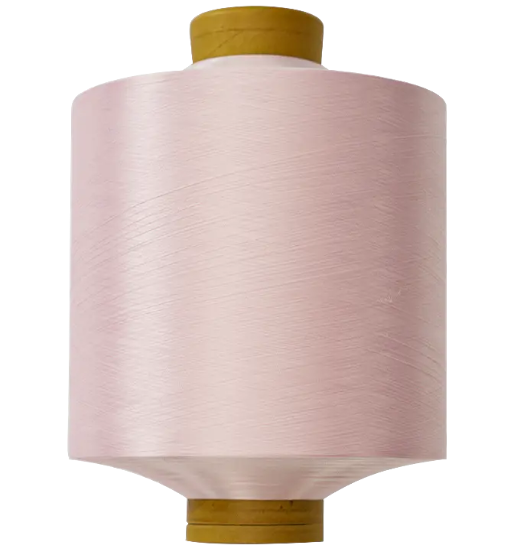
What are the differences between nylon elastic yarn and ordinary nylon yarn?
2026-02-05Your email address will not be published. Required fields are marked *
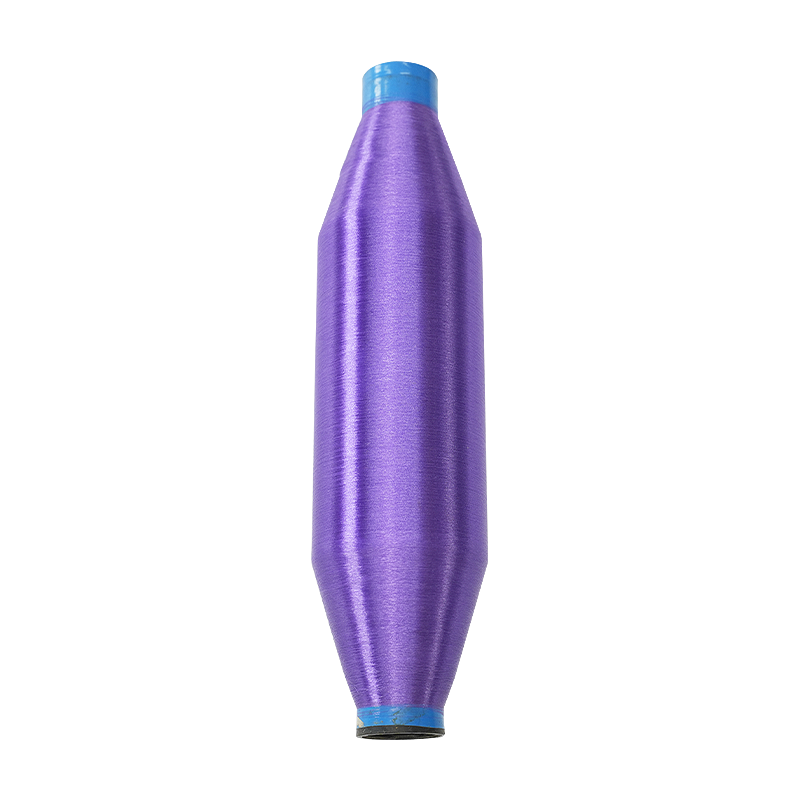
Single Strand Biodegradable Yarn is a single-strand structure, consisting of a single fiber bundle with no multiple strands tangled together. This structure makes the yarn softer, and smoother and exh...
See Details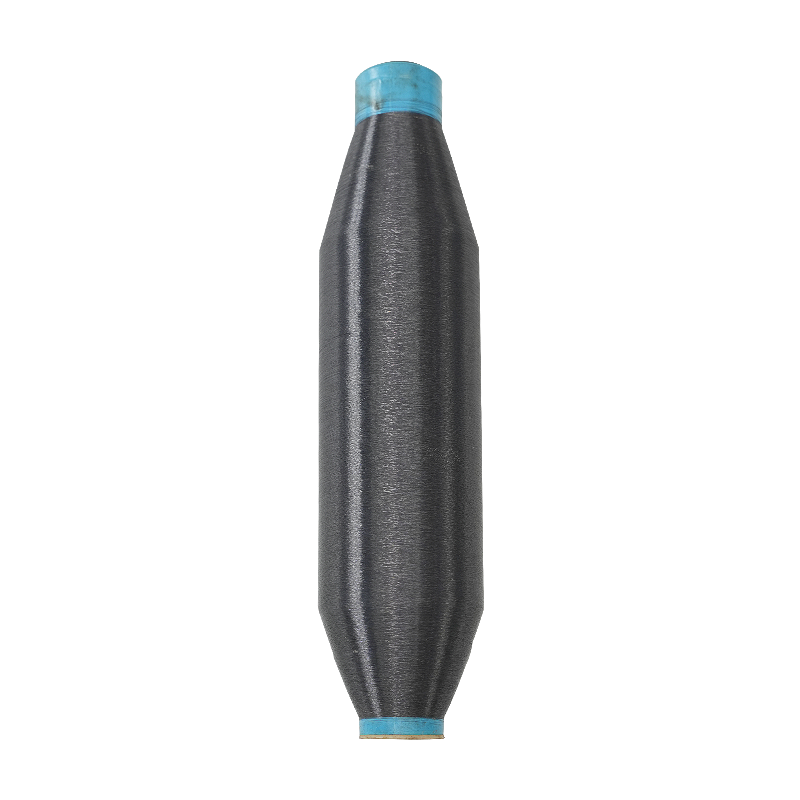
Nylon is a synthetic fiber with good strength and wear resistance, so 40D biodegradable yarn inherits the properties of nylon fiber. It has tensile strength, abrasion resistance and corrosion resistan...
See Details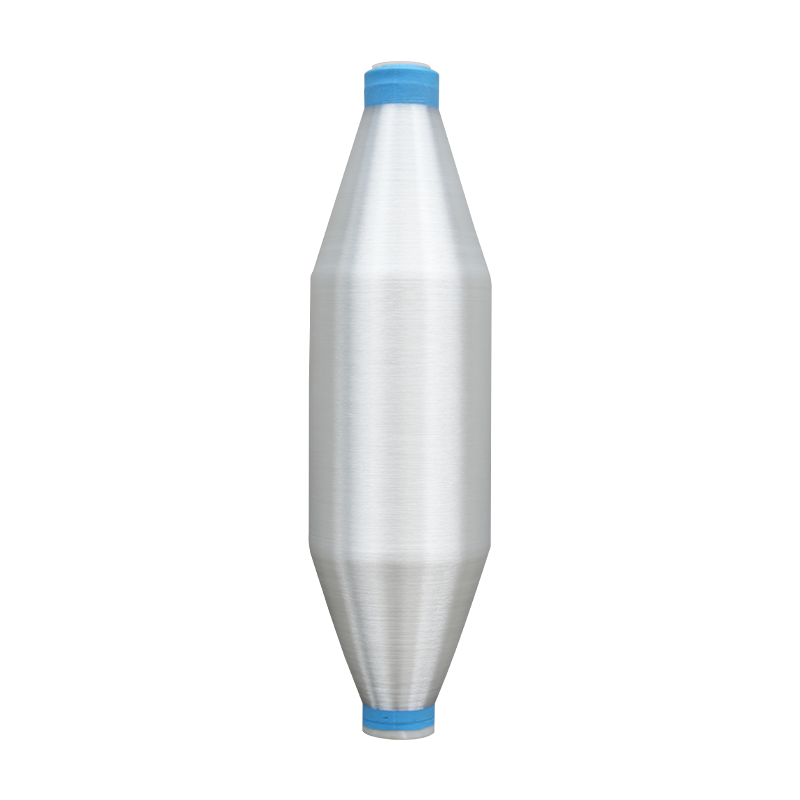
60D woven Antiviral Yarn is thin overall and suitable for making light and soft textiles. Nylon fiber has a soft feel and good breathability. This yarn is usually used to weave fabrics and can be made...
See Details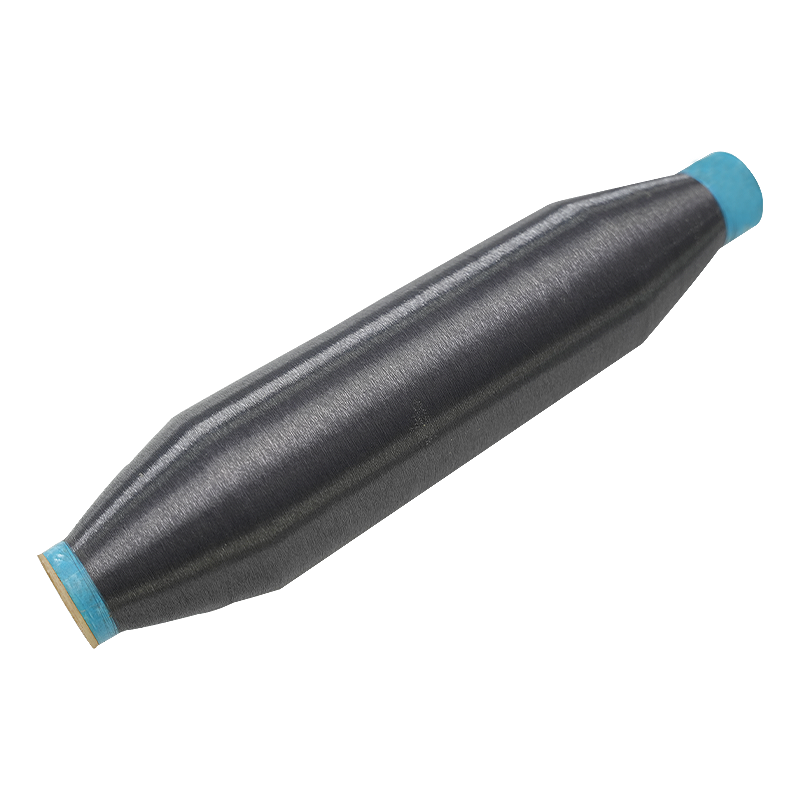
Elastic high-performance polyamide multifilament refers to a synthetic fiber made from polyamide polymer (commonly known as nylon). Resilient and high-performance properties make it suitable for a var...
See Details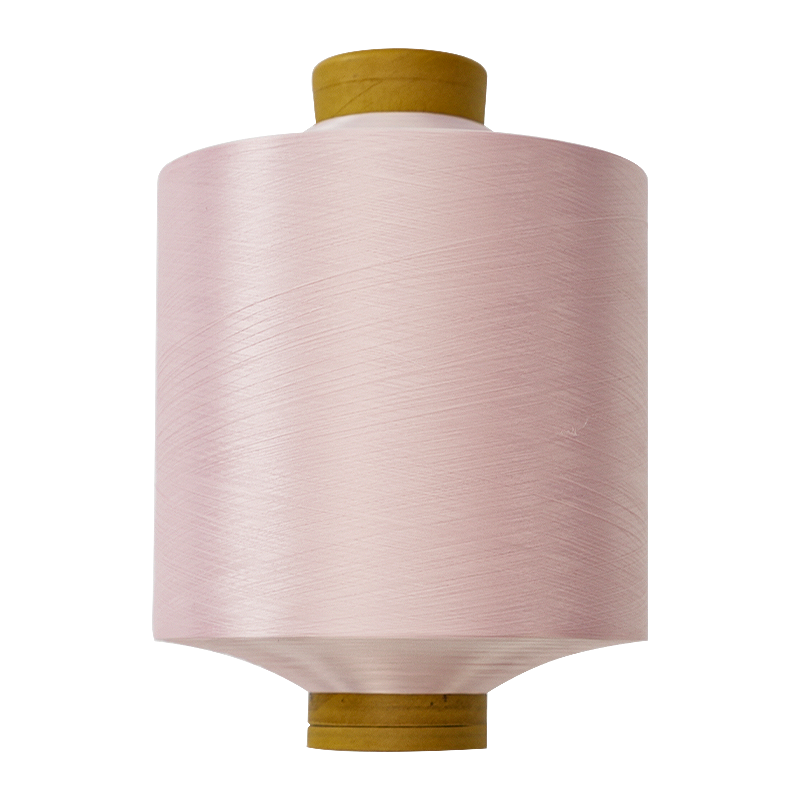
Nylon Elastic Yarn has elasticity and can quickly return to its original shape after stretching. This high elasticity makes the fabrics stretchable and comfortable. Nylon material has good wear resist...
See Details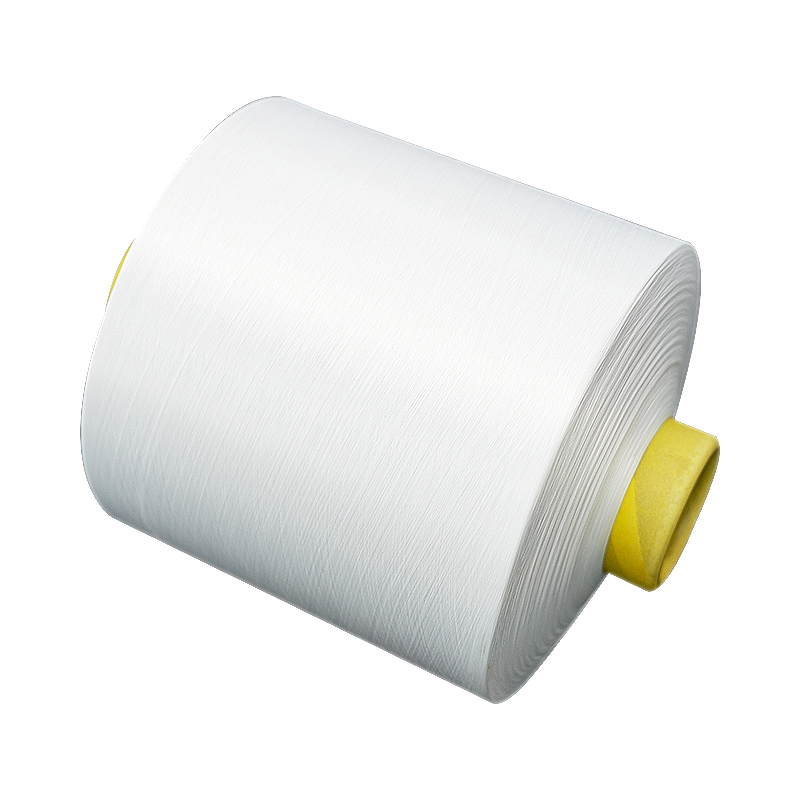
100D Nylon Elastic Yarn has a moderate thickness and good dyeing properties, which can achieve uniform and durable dyeing effects, making textiles bright and long-lasting in color. A yarn frequently u...
See Details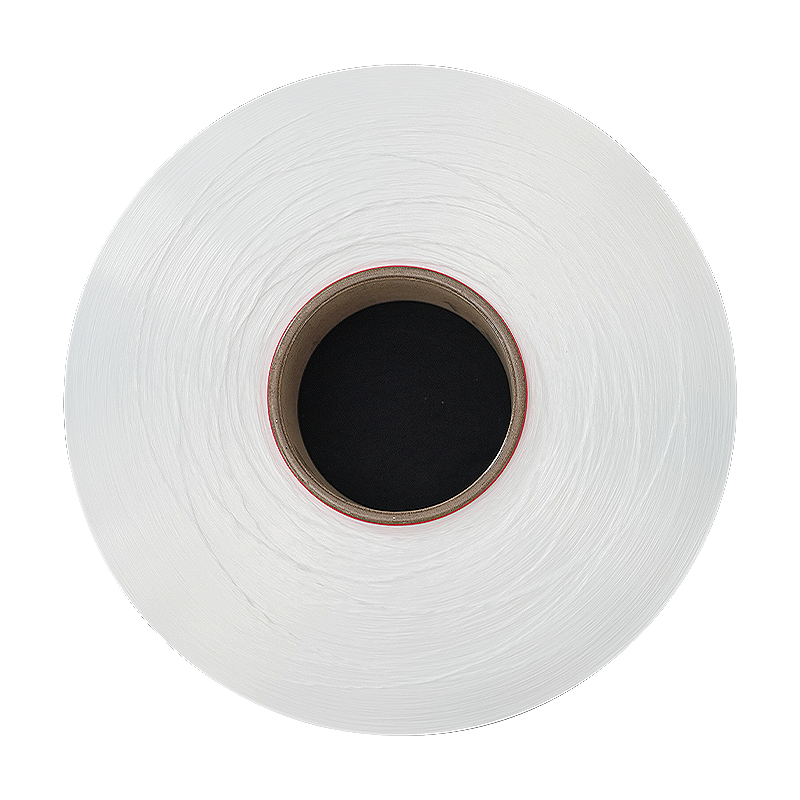
Durable composite nylon yarn has stretch and recovery properties, providing the necessary comfort, fit, and flexibility for clothing and textiles. Made of a blend of nylon fiber and polyester fiber, i...
See Details
Fully stretched polyester blended yarn is made of a blend of polyester and nylon. Polyester itself has good wear resistance. After full stretch processing, the strength and softness of the yarn increa...
See Details
140D Durable low-melt FDY yarn is suitable for the manufacture of various textiles, especially for the preparation of composite fabrics, such as polyester-cotton blended fabrics or elastic fabrics. Th...
See Details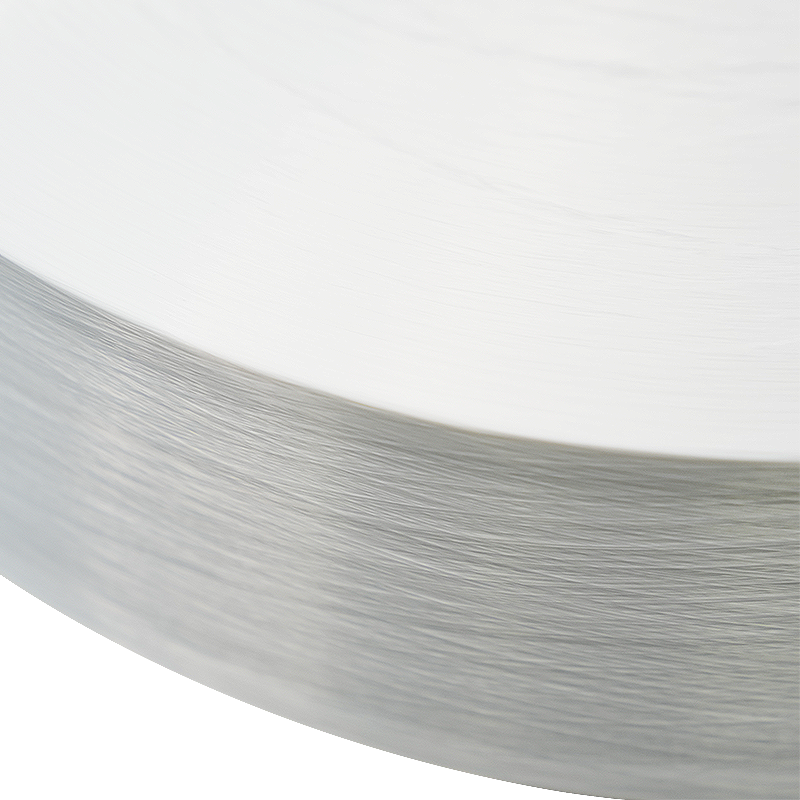
Cooling brushed durable FDY yarn has high durability and is suitable for manufacturing textiles that require wear resistance and durability. It is not easy to wear out after long-term use. Textiles of...
See Details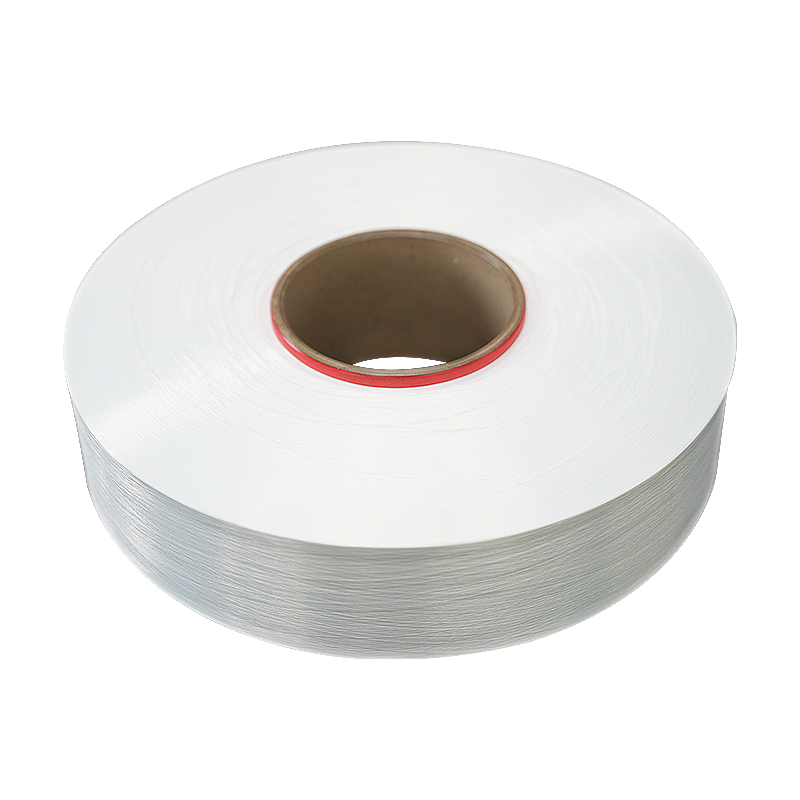
Composite woven FDY yarn mixes different types of fibers and has good wear resistance. The fabric made is not easy to wear and is suitable for long-term use. Composite woven FDY yarn has a wide range ...
See Details
Water-repellent high Filament spun yarn has strong water resistance, providing an extremely delicate touch while retaining strength. Suitable for a wide range of applications from intricate embroidery...
See DetailsAddress: Duntou industrial park, haian county, nantong city,jiangsu province ,China.
TEL: +86 15850491859
E-mail: sales-betty@hsnylon.com
If You Are Interested In Our Products, Please Consult Us
 Wholesale Nylon Filament Yarn Manufacturers