
 English
 中文简体
中文简体
 русский
 Español
 عربى
عربى
Product Consultation
Your email address will not be published. Required fields are marked *
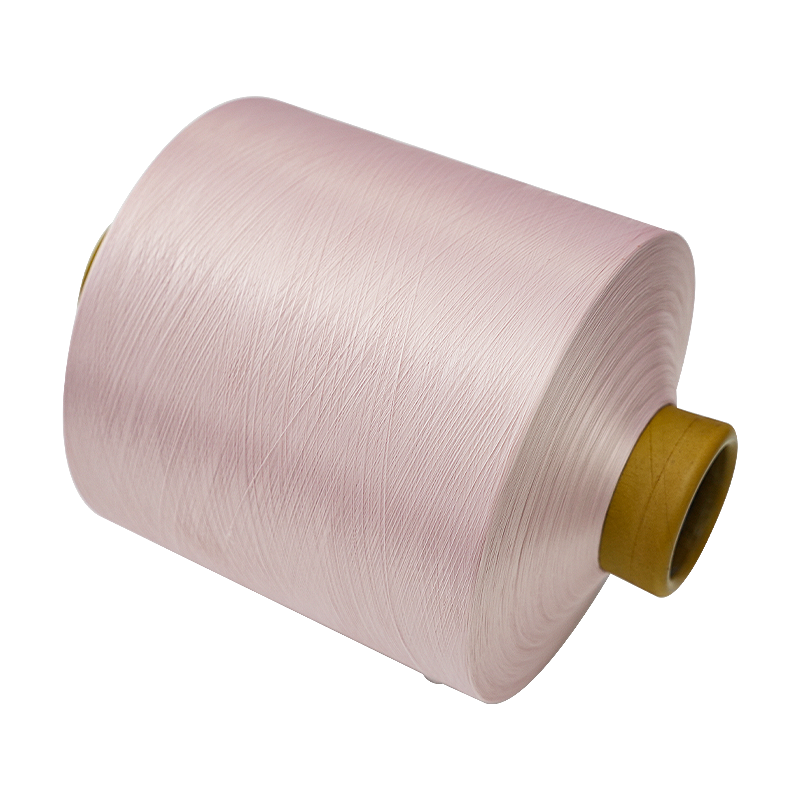
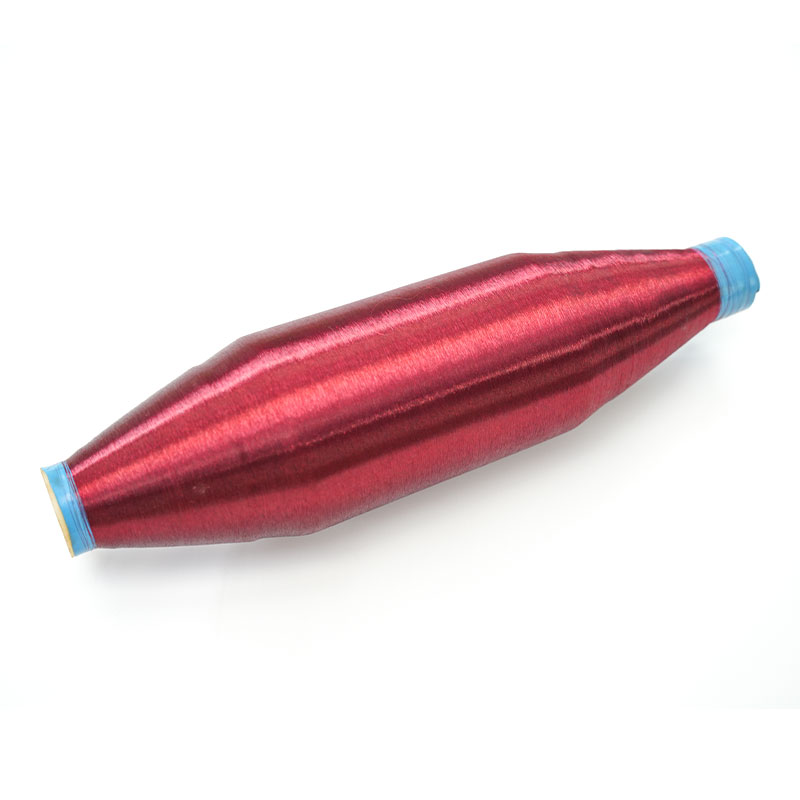
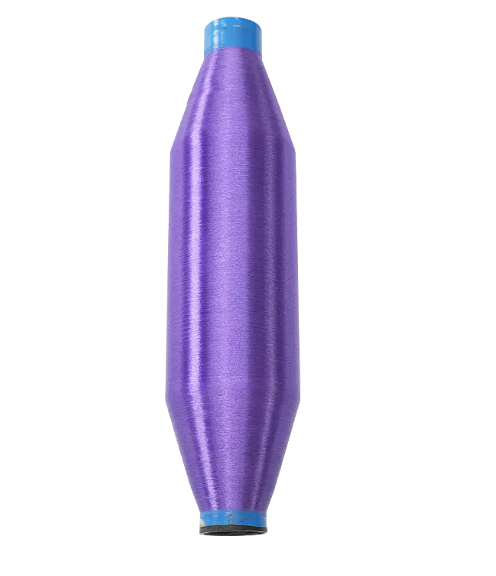
Nylon mother yarn is a high-denier, multi-filament precursor yarn engineered explicitly to be split or divided down-stream into individual, ultra-fine monofilaments for high-performance warp knitting, sheer hosiery, and specialized industrial mesh textiles. Rather than being woven or knitted directly in its raw form, this master yarn serves as a structural vehicle for high-speed fiber extrusion. By bundling anywhere from 10 to 36 distinct monofilaments loosely together during a single melt-spinning run, synthetic fiber chemical plants dramatically scale up production yields, bypassing the immense physical limitations and structural breakage risks associated with trying to extrude ultra-low denier individual lines at high manufacturing velocities.
In the global synthetic textiles and industrial filtration sectors, manufacturing efficiency depends heavily on maximizing throughput while preserving the structural integrity of the polymer. Extruding a standalone 15-denier monofilament across kilometers of continuous production lines presents significant mechanical challenges; the fine fiber possesses very little mass to dissipate thermal energy, making it prone to high aerodynamic drag, resonance vibrations, and snapping under typical drawing tensions. A dedicated nylon mother yarn production setup resolves this complication by spinning a dense, structurally stable bundle—such as a 240-denier yarn composed of 12 or 24 individual filaments (240D/12F or 240D/24F). This robust bundle moves smoothly through high-speed drawing machines before it is mechanically unraveled into pristine, uniform sub-filaments at downstream processing facilities.
The engineering footprint of this manufacturing sector combines advanced macromolecular polymer chemistry, thermodynamic melt-spinning dynamics, and high-precision mechanical tension control. The final quality of the split monofilaments relies on preventing the individual fibers within the mother yarn bundle from interlocking, twisting, or structurally fusing during the thermal drawing phase. Achieving this delicate balance requires optimizing spin-finish oil chemistry, spinneret hole layout geometry, and winding tension profiles. This establishes mother yarn technology as a foundational pillar of modern high-volume polymer processing.
The performance profile and physical properties of a nylon mother yarn are fundamentally defined by the molecular layout of its underlying polyamide chain. Industrial manufacturing facilities focus almost exclusively on two primary polymer variants: Polycaprolactam (Nylon 6) and Polyhexamethylene Adipamide (Nylon 6,6).
Nylon 6 is synthesized via the ring-opening polymerization of a single monomer: caprolactam. Because the resulting polymer chain contains repeating units with a uniform directional orientation of amide groups, Nylon 6 features an inherently high elastic elasticity and superior dye affinity. The material has a lower melting point of approximately 220°C, which translates into lower thermal energy requirements during the melt-extrusion phase.
For textile applications such as sheer curtains, bridal wear, and fashion hosiery, Nylon 6 mother yarn is highly valued for its softness, excellent drape, and deep color yield during acid dyeing cycles. The polymer's higher moisture regain percentage—around 4.0% to 4.5%—helps reduce static electricity buildup on high-speed texturing lines, minimizing static-induced fiber tangling before the splitting phase begins.
Nylon 6,6 is created through a condensation polymerization reaction combining hexamethylenediamine and adipic acid. This dual-monomer layout yields a highly symmetrical molecular chain rich in dense, tightly packed intermolecular hydrogen bonds. Consequently, Nylon 6,6 possesses a higher melting point of 260°C along with an elevated glass transition temperature.
When drawn into mother yarn, Nylon 6,6 delivers exceptional tensile strength, a high modulus of elasticity, and excellent abrasion resistance. These mechanical properties make it the ideal selection for demanding industrial applications, including high-tensile hook-and-loop fasteners, automotive hook meshes, precision screen-printing filters, and heavy-duty ribbons. Nylon 6,6 monofilaments resist structural deformation under hot wash environments, preserving precise dimensional clearances in industrial filtration fabrics.
Transforming solid polyamide pellets into a high-precision multi-filament mother yarn package requires a continuous, multi-stage melt-spinning extrusion process. Any variations in temperature, pressure, or cooling rates can create structural defects along the yarn, leading to filament breaks during downstream splitting.
The physical production sequence follows a highly controlled, automated loop:
Directly beneath the quenching chamber, the freshly solidified filament bundle passes over a spin-finish applicator roll. This roller coats the yarn bundle with a specialized emulsion of lubricating oils, antistatic agents, and mild cohesive additives. The spin-finish formula must be precisely tuned for mother yarn; it must provide enough surface cohesion to hold the filament bundle neatly together during high-speed winding, yet leave no sticky residues that would cause individual filaments to fuse or lock together during downstream mechanical splitting.
The unique value of nylon mother yarn is realized during the splitting phase, where the multi-filament master package is unreeled and divided into separate, independent monofilaments. This process can be integrated directly with a warp-knitting creel or completed on a high-speed splitting-warping machine that winds the separated strands onto sectional beams.
During a high-speed splitting operation, the mother yarn package is mounted onto a specialized unrolling creel. The yarn bundle passes through a series of tension-leveling rollers before encountering a precision splitting reed or a comb-like separator array. Because the spin-finish oil prevents the fibers from interlocking, the bundle divides cleanly under light mechanical tension. Each isolated monofilament is then routed through its own ceramic guide eyelet directly onto a rotating take-up beam or into active knitting needles.
Managing the mechanical tension ($T_s$) during this separation step is vital. If the splitting tension is set too high, the fine monofilaments will stretch unevenly, causing variations in denier thickness along the line, or snap entirely, forcing an immediate line halt. Modern splitting lines utilize closed-loop servo-driven tension controllers capable of maintaining variances to within ±0.1 grams of force. This ultra-precise control ensures that all separated monofilaments maintain identical physical characteristics, preventing the appearance of structural streaks or uneven stripes in the final knit fabric.
Selecting or specifying a nylon mother yarn configuration requires matching the total denier and internal filament count to the final monofilament target dimensions and downstream equipment capabilities. The table below details the performance profiles of standard industry configurations.
| Mother Yarn Denier Profile | Filament Count (F-Number) | Resulting Monofilament Yield | Target Breaking Tenacity ($\text{cN/dtex}$) | Primary Textile / Industrial End-Use |
|---|---|---|---|---|
| 180D (180 Denier) | 9 F | 20 Denier Monofilament | 4.2 - 4.8 $\text{cN/dtex}$ | Ultra-Sheer Premium Pantyhose / Hosiery |
| 240D (240 Denier) | 12 F | 20 Denier Monofilament | 4.5 - 5.2 $\text{cN/dtex}$ | Standard Warp-Knit Organza & Tulle Fabrics |
| 300D (300 Denier) | 10 F | 30 Denier Monofilament | 5.0 - 5.8 $\text{cN/dtex}$ | Mosquito Netting / Wedding Gown Mesh |
| 420D (420 Denier) | 14 F | 30 Denier Monofilament | 5.5 - 6.4 $\text{cN/dtex}$ (High Strength) | Industrial Filtration Sieve Screens / Hook-and-Loop |
The technical data shows that higher-denier mother yarns engineered for industrial applications deliver elevated breaking tenacities exceeding 6.0 cN/dtex. This increased tenacity is achieved by raising the mechanical draw ratio on the factory floor, which aligns the internal nylon polymer crystals tightly along the longitudinal axis of each filament before winding.
To maintain high operational yields and minimize yarn breakage rates down-stream, mother yarn packages must pass strict quality-assurance testing. Because a single minor physical defect can propagate across multiple separated monofilaments, quality parameters are held to exceptionally tight tolerances.
Every production lot is sampled using automated capacitive testing machinery to calculate the Coefficient of Variation (CV%) of the yarn mass. A high CV% signifies significant mass fluctuations along the yarn length, pointing to issues like uneven cooling air currents in the quench cabinet or pulsing melt-pump pressures.
Premium-grade nylon mother yarn must maintain an Uster CV% of under 1.2%. If the mass variation exceeds this threshold, the resulting monofilaments will exhibit varying dye absorption rates. This defect manifests as highly visible, alternating dark and light horizontal bands in the finished sheer fabrics—a cosmetic flaw known in the textile industry as "barré."
The primary structural failure mode unique to mother yarn is partial inter-filament fusion. If extrusion temperatures run too high, or if the spin-finish layer drops below its target coating weight, adjacent filaments can partially melt together on the take-up bobbin.
To detect this issue, online laser inspection systems monitor the moving threadline before the winder. These sensors instantly flag any stray loose fibers or micro-fusions. Bundles showing inter-filament fusions are automatically downgraded to sub-premium tiers, as forcing a fused bundle through a splitting reed will cause immediate fiber tearing and costly line stoppages.
The final step in mother yarn production is winding the extruded filament bundle onto a paper or aluminum tube core to create a stable, transportable package. Because mother yarns are loosely bundled and lack defensive inter-filament entanglement, they are vulnerable to collapsing or sloughing off the bobbin if the winding geometry is configured incorrectly.
The yarn bundle is guided onto the rotating bobbin using a high-speed computerized traverse cam. The system maintains a precise cross-winding angle—typically between 12 and 15 degrees. This angle profile prevents parallel yarn wraps from burying into one another, ensuring the bundle can unreel smoothly at high speeds during splitting without snagging or catching.
As the yarn package grows in outer diameter, the inner layers experience increasing compressive forces from the outer wraps. If winding tension remains completely constant, this pressure will crush the inner core layers, causing the yarn to kink and creating permanent structural loops that cannot be split cleanly.
To counter this, winding computers apply a precise, decaying tension profile:
Once wound to a standard weight of 8.0 to 12.0 kilograms, the finished mother yarn packages are carefully removed from the winders. Nylon is naturally hygroscopic and will swell as it absorbs ambient moisture. To ensure stability, the bobbins are placed into climate-controlled equilibration rooms maintained at 65% relative humidity and 22°C for a minimum of 24 hours before packing. This step allows the internal stresses within the yarn package to normalize completely, protecting the precise physical geometry of the bundle for transit.
As environmental regulations become stricter worldwide, the nylon mother yarn manufacturing sector is introducing advanced sustainability protocols. Because conventional nylon synthesis relies on petroleum-derived intermediates, transitioning toward a circular lifecycle is essential for lowering the carbon footprint of modern synthetic textiles.
Modern fiber plants are modifying their extrusion setups to process 100% post-industrial and post-consumer recycled nylon chips (such as reclaimed fishing nets and factory yarn waste). Chemical recycling plants depolymerize this nylon scrap back into its original monomer form—purifying the caprolactam through multiple distillation stages before re-polymerizing it into spinning-grade resin. This recycled resin matches the molecular weight and purity of virgin oil-based polymers, allowing factories to extrude eco-friendly mother yarns that deliver high breaking tenacities and clean splitting performance.
Furthermore, factories are adopting energy-efficient direct-spinning configurations. Instead of cooling the synthesized nylon into solid chips and shipping them to secondary spinning plants to be re-melted, direct-spinning systems route the molten polymer straight from the polymerization reactor into the spin-pack metering pumps. This configuration eliminates an entire heating and cooling cycle, cutting factory carbon emissions by up to 30% and establishing an efficient, eco-friendly framework for the future of synthetic monofilament manufacturing.
Polymer Kinematics: Mechanical Properties, Texturing Synthesis, and Tensile Performance Metrics of Nylon Elastic Yarn
2026-05-28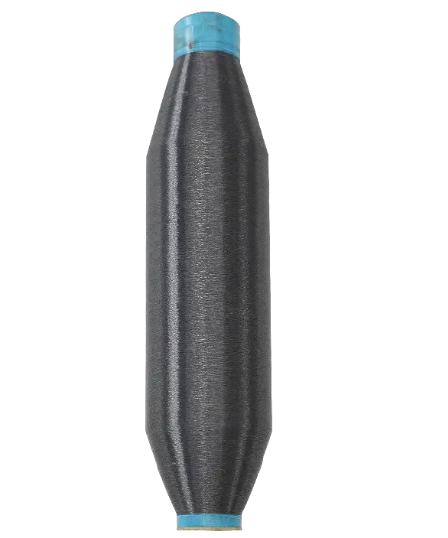
One Continuous Thread: The Engineering of Nylon Monofilament Yarn
2026-06-11Your email address will not be published. Required fields are marked *
60D woven Antiviral Yarn is thin overall and suitable for making light and soft textiles. Nylon fiber has a soft feel and good breathability. This yarn is usually used to weave fabrics and can be made...
See Details
Colored Nylon Mother Yarn can be processed through spinning, drawing, dyeing and other processes to meet the needs of different textiles. It has good processing adaptability and can be made into vario...
See Details
Nylon Elastic Yarn has elasticity and can quickly return to its original shape after stretching. This high elasticity makes the fabrics stretchable and comfortable. Nylon material has good wear resist...
See Details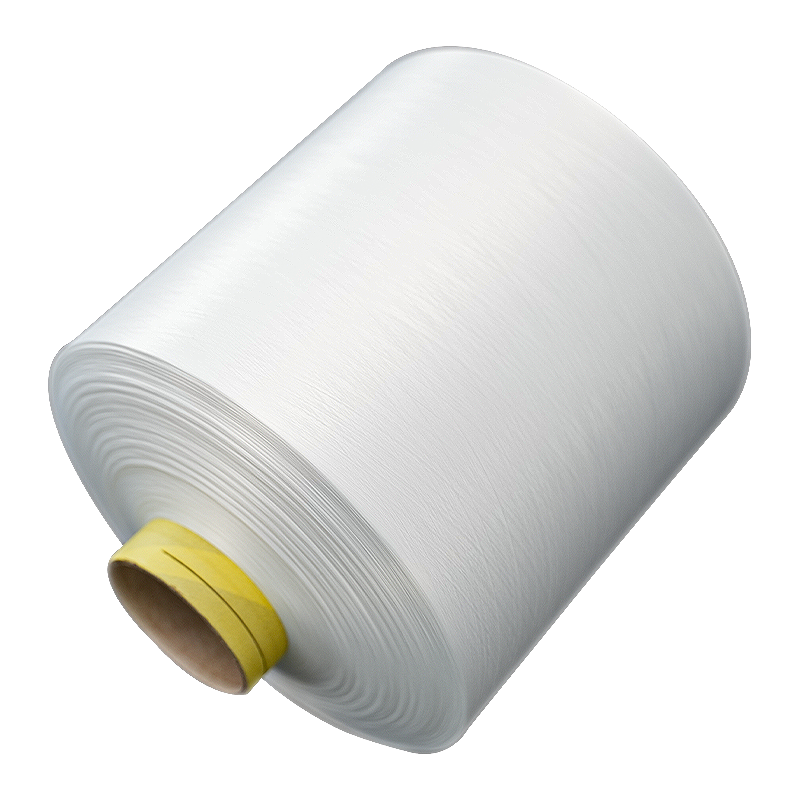
Nylon elastic yarn for textile use has a wide range of applications. Nylon elastic yarn is suitable for the manufacture of various textiles, such as underwear, socks, sportswear, swimwear, elastic fab...
See Details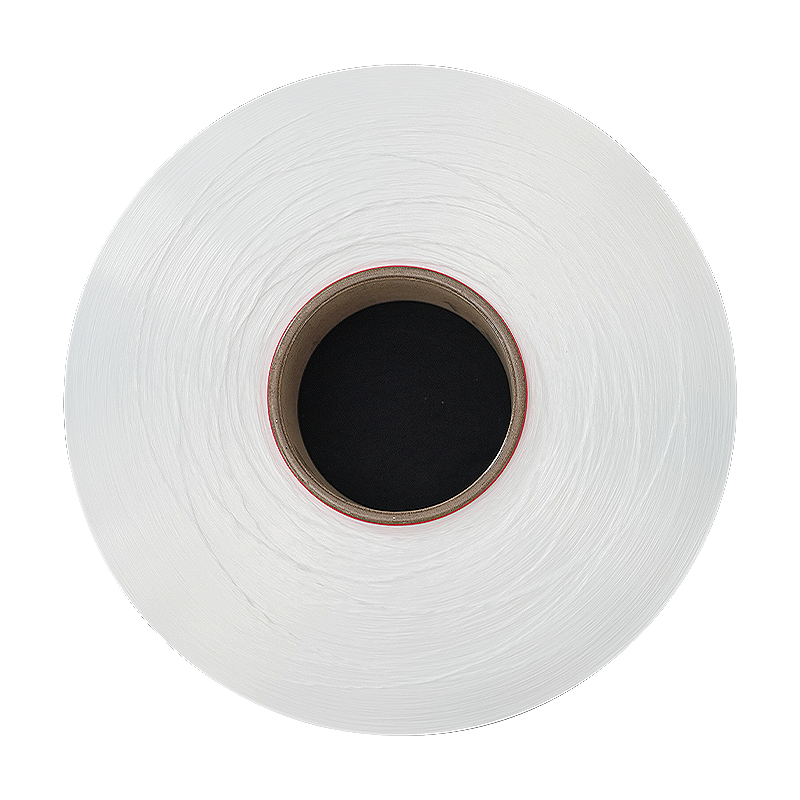
Durable composite nylon yarn has stretch and recovery properties, providing the necessary comfort, fit, and flexibility for clothing and textiles. Made of a blend of nylon fiber and polyester fiber, i...
See Details
Fully stretched polyester blended yarn is made of a blend of polyester and nylon. Polyester itself has good wear resistance. After full stretch processing, the strength and softness of the yarn increa...
See Details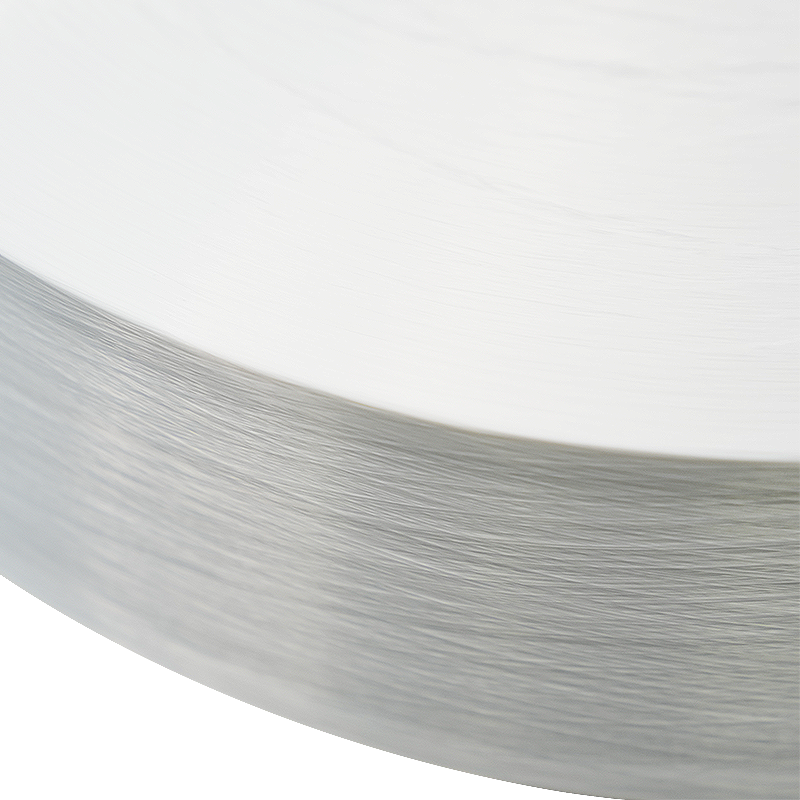
210D Polyester Nylon Composite FDY yarn is a composite fiber yarn. FDY is a mixture of polyester and nylon fibers. It combines the advantages of the two fibers, the abrasion resistance of polyester an...
See Details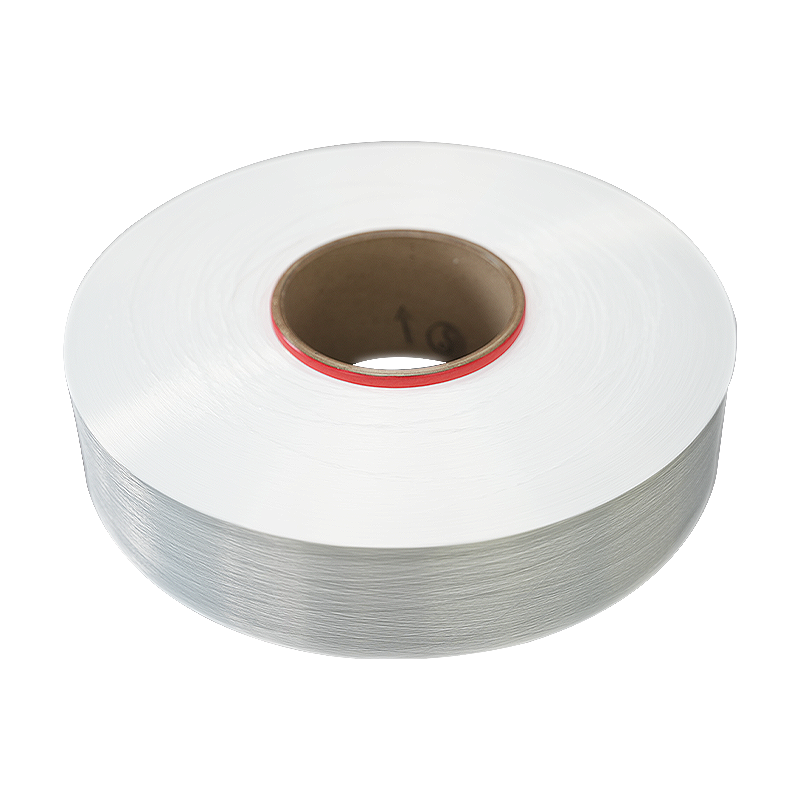
Low-melt textile FDY yarn can bond with other fibers at a certain temperature to form a strong fabric structure. This property makes it ideal for manufacturing synthetic or reinforced fabrics. This ki...
See Details
Cooling brushed durable FDY yarn has high durability and is suitable for manufacturing textiles that require wear resistance and durability. It is not easy to wear out after long-term use. Textiles of...
See Details
Water-repellent blended FDY yarn has good waterproof properties. This characteristic makes Water-repellent blended FDY yarn a greater advantage when making textiles with high waterproof requirements s...
See Details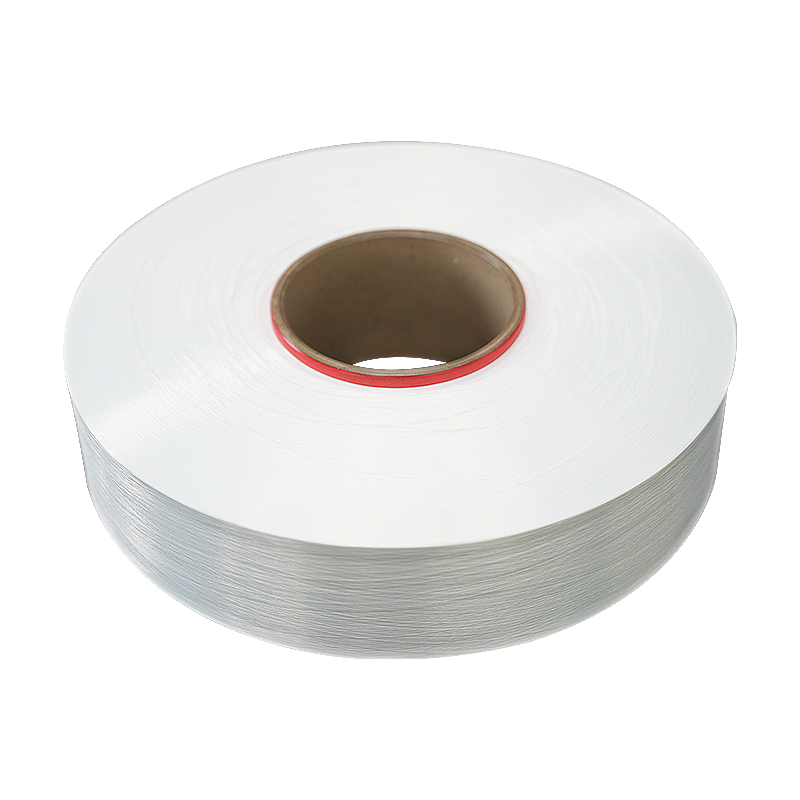
Composite woven FDY yarn mixes different types of fibers and has good wear resistance. The fabric made is not easy to wear and is suitable for long-term use. Composite woven FDY yarn has a wide range ...
See Details
The fibers of 210D water-repellent yarn are relatively thick, making the yarn highly wear-resistant and durable, making it suitable for long-term use. Composite fiber enables yarn to have the advantag...
See DetailsAddress: Duntou industrial park, haian county, nantong city,jiangsu province ,China.
TEL: +86 15850491859
E-mail: sales-betty@hsnylon.com
If You Are Interested In Our Products, Please Consult Us
 Wholesale Nylon Filament Yarn Manufacturers