
 English
 中文简体
中文简体
 русский
 Español
 عربى
عربى
Product Consultation
Your email address will not be published. Required fields are marked *
Optimizing tactile comfort, structural resilience, and long-term shape retention in commercial textiles requires synthetic fibers engineered with highly responsive macromolecular memory. High-performance nylon elastic yarn serves as the core material solution for high-recovery textile applications, successfully replacing heavy, degradable natural rubber threads. By combining the exceptional tensile strength and abrasion resistance of polyamide crystals with advanced thermo-mechanical texturing methods, this engineered yarn achieves an elastic recovery rate exceeding 98% under repeated elongation cycles, making it the essential foundation for modern performance sportswear, medical compression garments, seamless underwear, and technical hosiery.
The remarkable physical performance of nylon elastic yarn stems directly from the molecular structure of its underlying synthetic polymers. Industrially produced elastic yarns are primarily synthesized from Polyamide 6 (PA6) or Polyamide 66 (PA66) resins. These chemical structures are composed of long-chain carbon molecules linked together by tough amide functional groups.
Within the extruded filament strand, the polymer layout is divided into two distinct zones: highly structured crystalline regions and loose, flexible amorphous regions. The dense crystalline segments provide the fiber with its excellent base tensile strength, chemical resistance, and melting point stability. Meanwhile, the relaxed, tangled carbon paths within the amorphous zones give the yarn its flexible elongation properties. When the yarn is pulled, these amorphous carbon chains uncoil smoothly, absorbing the physical tension. Once the pulling force is released, the internal chemical bonds pull the chains back to their original tangled shapes instantly, providing the yarn with its characteristic elastic springback.
Selecting the right polymer base is a critical engineering decision that dictates the final properties of the textile product. Polyamide 66 features a highly symmetrical molecular structure that results in a higher melting point of 250°C to 260°C, along with excellent elastic modulus recovery and a crisper hand feel. In contrast, Polyamide 6 possesses a lower melting point of 215°C to 220°C but accepts disperse and acid dyes at lower temperatures, yielding deeper color saturation and a significantly softer tactile feel against human skin.
Raw, unrefined nylon filaments exit the melt-spinning extrusion head as straight, flat, non-extensible plastic lines known as Fully Drawn Yarn (FDY). To convert these rigid fibers into high-stretch nylon elastic yarn, the material must pass through a multi-stage thermo-mechanical processing matrix called Draw Texturing Picking (DTP) or False Twist Texturing (FTT).
During the false-twist texturing sequence, the flat nylon strand is fed at high speeds through a primary electric heater shaft that warms the fiber to its plastic deformation threshold of 160°C to 190°C. While in this heated, softened state, the filament bundle passes through a high-speed friction disk spindle that twists the fibers tightly at rates exceeding 3,000 revolutions per minute. This intense mechanical twisting forces the straight crystalline blocks into a tight, spiral spring configuration.
The highly twisted yarn immediately enters a cooling zone where the temperature drops rapidly below the glass transition point of the polyamide. This sudden cooling locks the helical crinkle shape permanently into the polymer structure. Finally, the yarn passes through a untwisting step. Because the spiral memory is locked in, untwisting the yarn causes the individual filaments to burst outward into a highly elastic, bulked structure, converting the flat plastic line into a soft, highly stretchable textured yarn.
Adjusting the tension settings on the second heater roller allows manufacturers to produce two distinct variations of the fiber. High-stretch yarns (often called Single Heater STY) pass through only one heating phase, preserving maximum spiral springiness and crimp force for high-compression apparel. Alternatively, Draw Textured Yarn (Double Heater DTY) passes through a second heating chamber under controlled tension, lowering the structural springiness slightly to create a highly dimensional, bulked yarn with excellent drape and minimal fabric torque.
Integrating nylon elastic yarn into industrial weaving, circular knitting, or warp knitting machines requires precise balancing of denier weight ratings and filament counts. Improperly matching yarn tension settings to the machine speed can snap the fiber or cause uneven fabric lines across the finished textile rolls.
The table below outlines the standard mechanical dimensions, physical weights, elongation limits, and primary industrial applications for structured polyamide elastic yarns:
| Yarn Structural Specification | Filament Count Profile | Elongation at Break % | Tenacity Strength Rating | Target Textile End-Use |
|---|---|---|---|---|
| 20 Denier / 1 Ply (Ultra-Fine) | 7 to 12 Filaments | 60% to 85% Elongation | 3.8 to 4.5 cN/dtex | Sheer hosiery, veil weaving, lace trim |
| 40 Denier / 2 Ply (Mid-Weight) | 34 to 48 Filaments | 80% to 110% Elongation | 4.0 to 4.8 cN/dtex | Seamless activewear, yoga apparel |
| 70 Denier / 2 Ply (Heavy-Duty) | 48 to 68 Filaments | 95% to 130% Elongation | 4.2 to 5.2 cN/dtex | Medical compression socks, athletic braces |
| 100 Denier / 2 Ply (Industrial) | 96 to 144 Micro-Filaments | 110% to 145% Elongation | 4.5 to 5.5 cN/dtex | Upholstery fabrics, structural elastic bands |
To meet the rigorous demands of medical-grade compression stockings and professional cycling apparel, textile engineers frequently combine nylon elastic yarn with elastane (spandex) cores to create high-performance hybrid composite yarns.
In an automated air-covering or mechanical single/double covering machine, a pre-stretched elastane strand serves as the central elastic core. High-speed spinning spindles wrap multiple strands of textured nylon yarn around this inner core, encasing it completely. The inner elastane core provides exceptional, long-stroke stretch and rebound characteristics. At the same time, the outer nylon shield wraps the core safely away from environmental hazards, protecting the delicate elastane from body oils, pool chlorine, skin friction, and light exposure. This composite structure ensures the fabric maintains its compression performance across hundreds of wash cycles.
For high-speed garment production, Air Intermingled Yarn (ACY) offers a cost-effective alternative to mechanical wrapping. The elastane core and textured nylon filaments are drawn together through a specialized pneumatic nozzle block. High-pressure compressed air jets blast the fibers at frequencies exceeding 10 kHz, creating tightly tangled interlock knots along the line. These air-punched knots prevent the fibers from slipping during high-speed knitting, avoiding split stitches and keeping the production line running efficiently.
Processing elastic polyamide fibers on industrial circular knitting machines or high-speed air-jet looms requires strict quality control protocols. Because textured yarns change length under physical stress, slight tension errors can warp the fabric structure or cause thin spots in the finished rolls.
When a textile factory experiences a drop in fabric yield or a rise in quality rejections during finishing audits, operators can analyze fabric defects to trace and correct the underlying equipment issue.
A common problem is the appearance of rhythmic horizontal dark lines or shadows across dyed circular-knit panels, a defect often called barre. This cosmetic issue is usually caused by uneven texturing heat in the yarn processing tower. If a heater bay drops even 3°C below the target setpoint, the polyamide crystals in that batch will not set correctly, causing that specific cone to absorb dye differently than the others. To resolve this, technicians use online optical sensors to trace the faulty yarn back to its source feed, check the heating elements with thermal cameras, and adjust the electronic controllers to restore uniform crystalline properties.
Another common issue is a high rate of micro-filament fuzzing and yarn breaks right at the knitting feed guides. This mechanical abrasion typically points to crystallized wax or finish buildup inside the ceramic guide rings. Over processing millions of meters of fiber, spinning lubricants can dry out and form hard, abrasive scales that scratch the fast-moving filaments, causing individual micro-strands to fray and snap. To fix this, maintenance teams use ultrasonic cleaning baths to clear out the guide ports, inspect the ceramic surfaces with magnifying loops for microscopic grooves, and install high-purity zirconia inserts to ensure a smooth, friction-free yarn path.
How Nylon Monofilament Yarn Is Advancing High-Performance Textile Applications
2026-05-21
The Master Filament of Modern Textiles: How High-Throughput Nylon Mother Yarn Engineering Shapes the Precision Monofilament Supply Chain
2026-06-04Your email address will not be published. Required fields are marked *
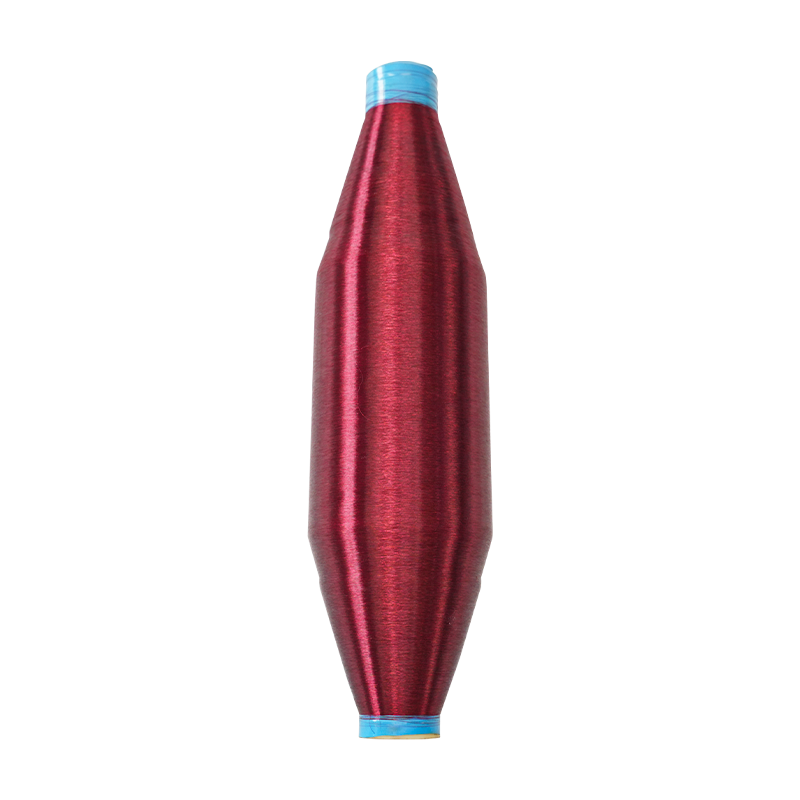
Biodegradable nylon yarn biodegrades faster in the environment than traditional synthetic fibers, helping to reduce negative environmental impacts. It also has the properties of nylon fiber, such as h...
See Details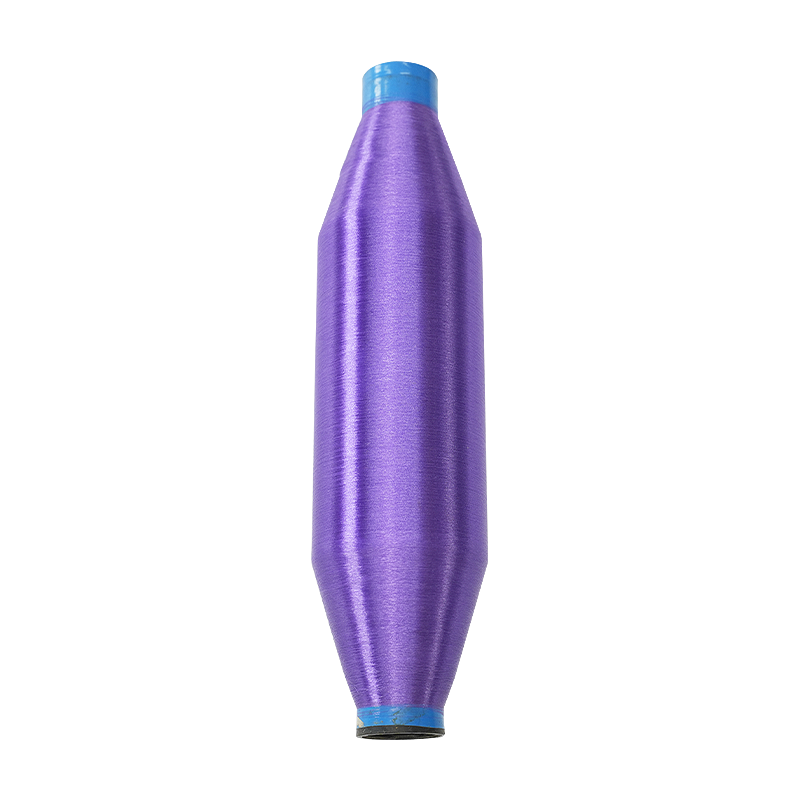
Single Strand Biodegradable Yarn is a single-strand structure, consisting of a single fiber bundle with no multiple strands tangled together. This structure makes the yarn softer, and smoother and exh...
See Details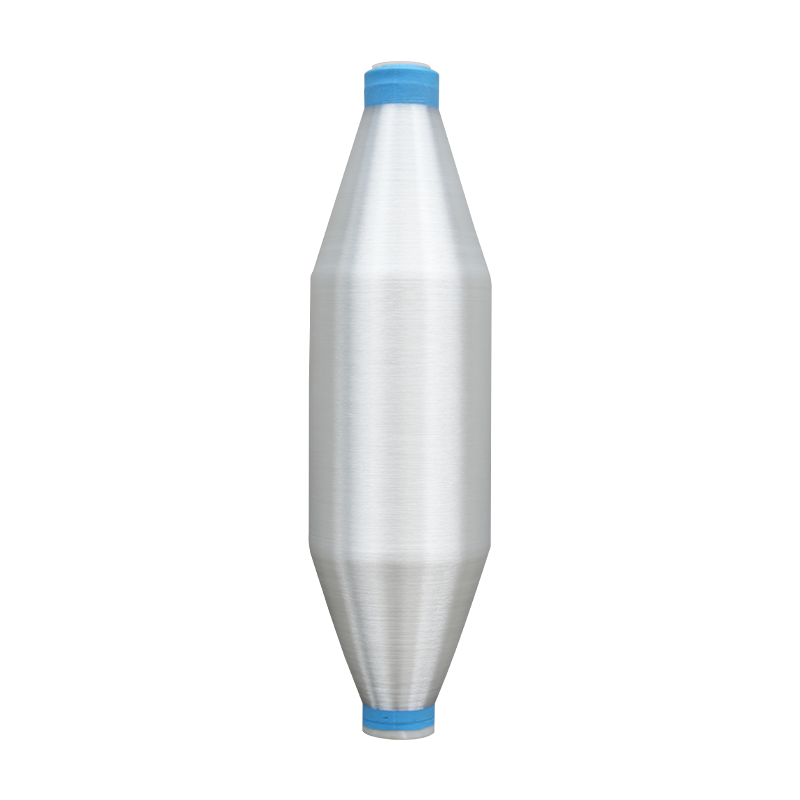
60D woven Antiviral Yarn is thin overall and suitable for making light and soft textiles. Nylon fiber has a soft feel and good breathability. This yarn is usually used to weave fabrics and can be made...
See Details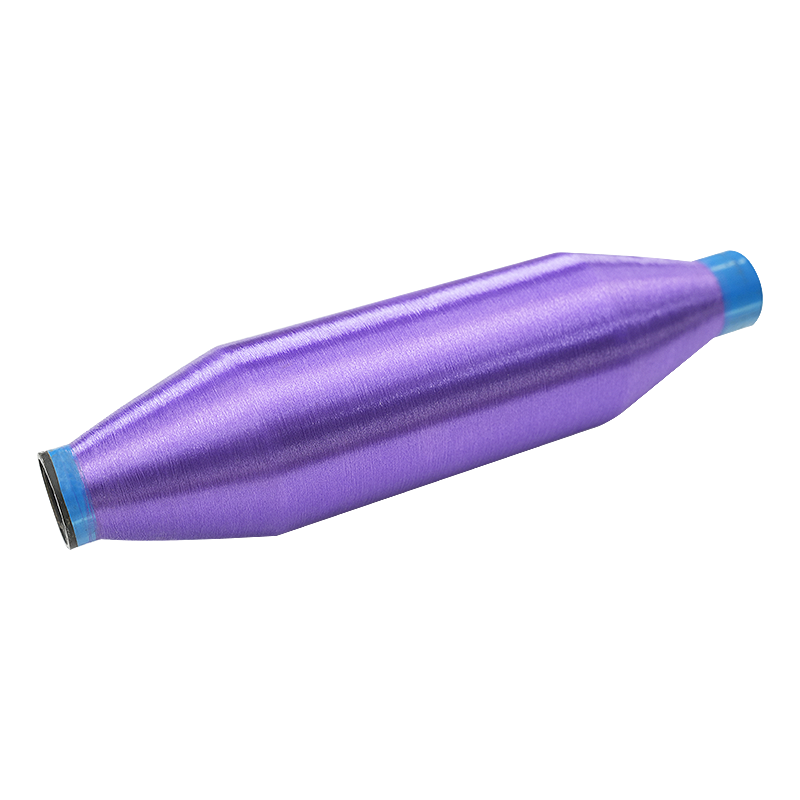
Graphene yarns can be produced by a variety of methods, including chemical vapor deposition (CVD) and wet spinning. In CVD, graphene is grown directly on a substrate, which is then removed to obtain g...
See Details
The diameter of Durable woven nylon mother yarn is 240D, the fiber thickness is medium, and it is suitable for the manufacture of a variety of textiles. This product has good tensile strength and will...
See Details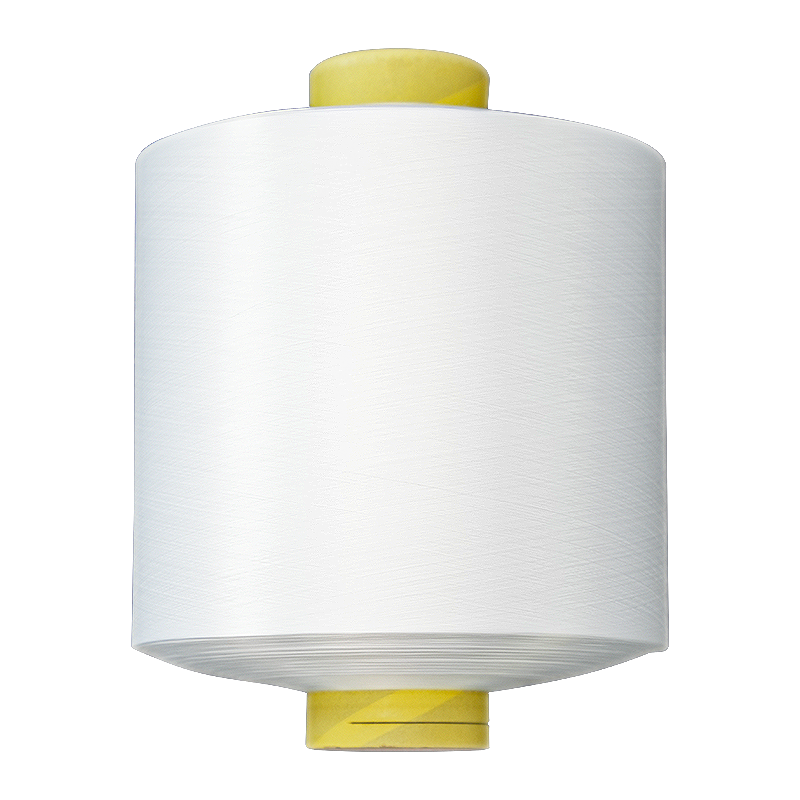
Nylon stretch sportswear yarn is a yarn used to make sportswear and other clothing that require high breathability. Nylon fiber has good breathability, which helps to wick away perspiration and keep t...
See Details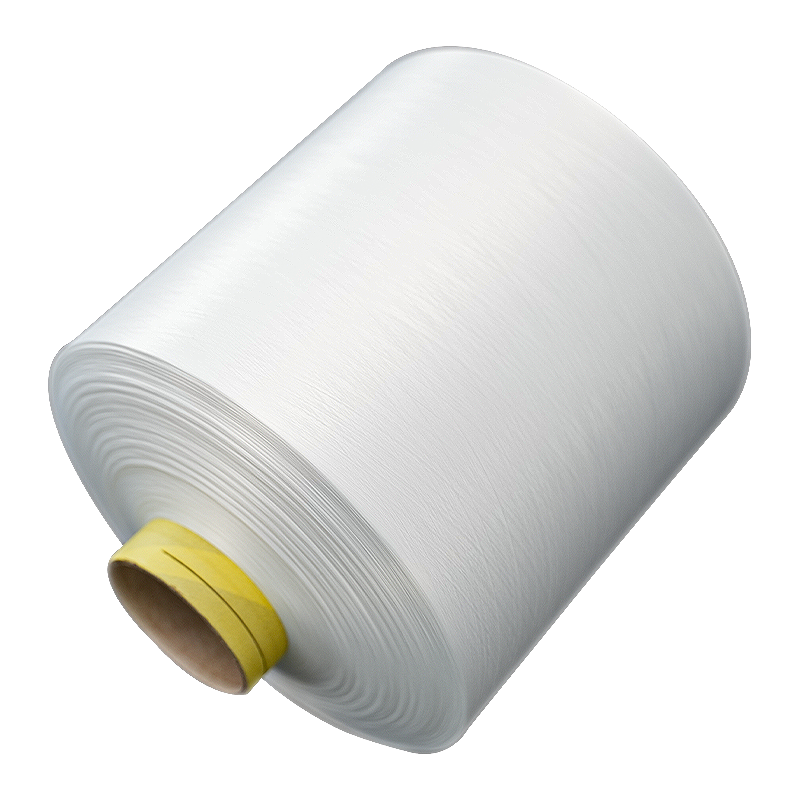
Nylon elastic yarn for textile use has a wide range of applications. Nylon elastic yarn is suitable for the manufacture of various textiles, such as underwear, socks, sportswear, swimwear, elastic fab...
See Details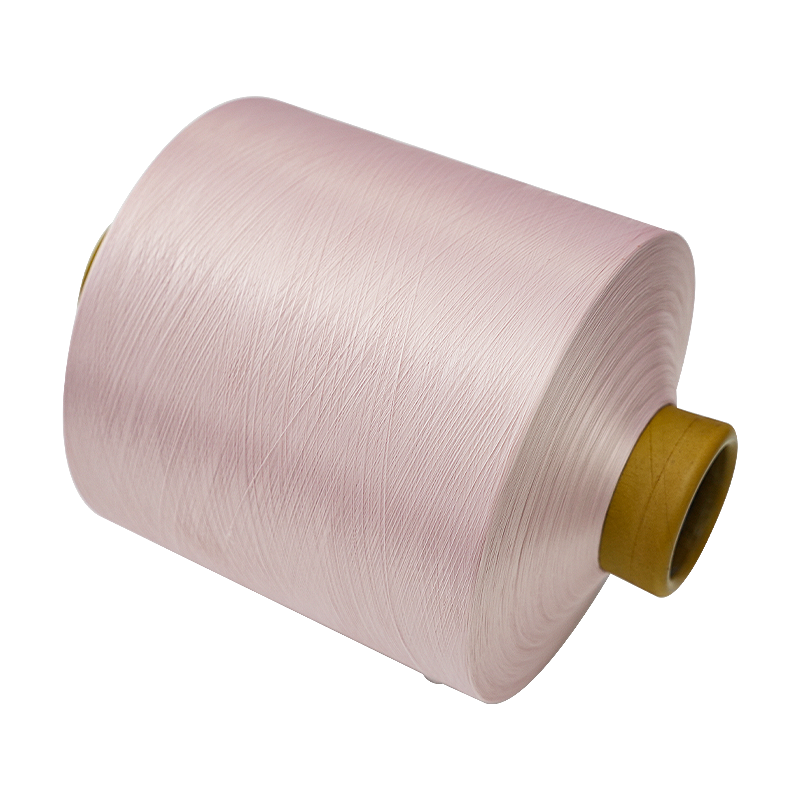
Fabrics made using Nylon elastic yarn for Weaving are lightweight, soft, comfortable and breathable, making them suitable for long-term wear. Made of high-quality nylon material with wear resistance, ...
See Details
Fully stretched polyester blended yarn is made of a blend of polyester and nylon. Polyester itself has good wear resistance. After full stretch processing, the strength and softness of the yarn increa...
See Details
140D Durable low-melt FDY yarn is suitable for the manufacture of various textiles, especially for the preparation of composite fabrics, such as polyester-cotton blended fabrics or elastic fabrics. Th...
See Details
Cooling brushed durable FDY yarn has high durability and is suitable for manufacturing textiles that require wear resistance and durability. It is not easy to wear out after long-term use. Textiles of...
See Details
The fibers of 210D water-repellent yarn are relatively thick, making the yarn highly wear-resistant and durable, making it suitable for long-term use. Composite fiber enables yarn to have the advantag...
See DetailsAddress: Duntou industrial park, haian county, nantong city,jiangsu province ,China.
TEL: +86 15850491859
E-mail: sales-betty@hsnylon.com
If You Are Interested In Our Products, Please Consult Us
 Wholesale Nylon Filament Yarn Manufacturers