
 English
 中文简体
中文简体
 русский
 Español
 عربى
عربى
Product Consultation
Your email address will not be published. Required fields are marked *
Nylon monofilament yarn has become one of the most widely used synthetic filament materials in industrial textiles, filtration systems, fishing products, mesh fabrics, medical applications, and precision weaving because it combines durability, flexibility, chemical resistance, and dimensional stability in a single continuous filament structure. Compared with many traditional textile materials, nylon monofilament yarn offers higher tensile strength, excellent abrasion resistance, and long operational lifespan under repeated mechanical stress.
Unlike multifilament yarns that consist of multiple fine fibers twisted together, monofilament yarn is manufactured as a single continuous strand. This structure gives the yarn smoother surfaces, lower moisture absorption compared with natural fibers, and improved resistance to contamination accumulation in industrial environments.
The increasing demand for lightweight engineered materials has expanded the use of nylon monofilament yarn across modern manufacturing sectors. Industries requiring precise mesh openings, controlled flexibility, or long-term fatigue resistance continue to adopt advanced monofilament technologies to improve product reliability and operational efficiency.
The manufacturing process of nylon monofilament yarn involves polymer melting, extrusion, cooling, stretching, and winding operations designed to achieve consistent filament diameter and mechanical performance.
Production begins with nylon polymer pellets that are heated until molten. The material is then forced through precision spinnerets that determine the filament diameter.
Extrusion temperature control is extremely important because variations can affect filament uniformity, tensile strength, and surface quality.
After extrusion, the molten filament passes through cooling systems where it solidifies into a stable continuous strand. Controlled cooling helps maintain dimensional consistency and minimizes internal stress.
The filament is stretched during drawing operations to align molecular chains and improve strength. This process significantly increases tensile performance and abrasion resistance.
Proper molecular orientation can dramatically improve the mechanical stability of nylon monofilament yarn during repetitive industrial use.
Some monofilament yarns receive additional surface treatments to improve dyeability, friction control, or UV resistance before final winding onto spools for transportation and downstream processing.
| Production Stage | Primary Function | Key Performance Goal |
|---|---|---|
| Polymer Melting | Material preparation | Stable viscosity |
| Extrusion | Filament shaping | Diameter consistency |
| Drawing | Molecular alignment | Higher tensile strength |
| Surface Treatment | Performance enhancement | Improved functionality |
The popularity of nylon monofilament yarn is closely related to its unique combination of strength, flexibility, and resistance properties.
Nylon monofilament yarn can withstand substantial pulling forces without breaking. This makes it suitable for demanding industrial and mechanical applications.
Repeated friction exposure can rapidly damage weaker fibers. Nylon monofilament yarn maintains structural integrity even in environments involving continuous movement or contact.
The material offers a balanced combination of stiffness and flexibility, allowing manufacturers to optimize performance for different applications.
Nylon monofilament yarn performs well against oils, fuels, and many industrial chemicals, although exposure tolerance varies depending on nylon formulation and operating conditions.
| Property | Performance Characteristic | Industrial Benefit |
|---|---|---|
| Tensile Strength | High load resistance | Improved durability |
| Abrasion Resistance | Low wear rate | Longer lifespan |
| Flexibility | Controlled bending | Application versatility |
| Chemical Stability | Resistance to contaminants | Industrial reliability |
The versatility of nylon monofilament yarn has enabled its use across a wide range of industries that require precise mechanical and structural performance.
Monofilament yarn is widely used in filtration fabrics because the smooth single-filament structure allows controlled mesh openings and improved particle separation efficiency.
Precise opening uniformity is especially important in liquid filtration, chemical processing, and industrial dust collection systems.
Fishing nets, aquaculture cages, and fishing lines frequently rely on nylon monofilament yarn because of its excellent strength-to-weight ratio and water resistance.
Screen printing applications require stable mesh geometry and consistent tension properties. Nylon monofilament yarn helps maintain accurate printing patterns and uniform ink transfer.
Some precision textile applications use monofilament yarns for surgical mesh, medical fabrics, and specialized industrial textiles requiring controlled flexibility and structural consistency.
Diameter consistency and denier selection are among the most important technical factors in nylon monofilament yarn performance.
Thin monofilaments are often used in precision applications requiring flexibility, transparency, or fine mesh structures.
Larger diameter yarns provide increased tensile capacity and structural rigidity for industrial applications involving higher mechanical loads.
Diameter inconsistency can negatively affect weaving accuracy, filtration precision, and mechanical reliability. Advanced extrusion controls help maintain uniform filament dimensions throughout production.
Even small variations in filament diameter may significantly influence mesh opening accuracy and tensile distribution in technical textile applications.
Elastic recovery refers to the material’s ability to return to its original shape after stretching. This property is important in applications exposed to repeated tension cycles.
Nylon monofilament yarn competes with polyester, polypropylene, and metal-based materials in various industrial sectors. Each material offers unique strengths, but nylon remains highly versatile.
Nylon monofilament yarn provides strong mechanical performance while remaining relatively lightweight compared with some metallic alternatives.
Repeated bending and movement can weaken certain materials over time. Nylon demonstrates good fatigue resistance under cyclic loading conditions.
The smooth surface of monofilament yarn reduces friction accumulation and contamination retention compared with rougher fiber structures.
Manufacturers can modify filament size, additives, and processing conditions to optimize nylon monofilament yarn for highly specialized applications.
| Performance Area | Nylon Monofilament Yarn | Industrial Benefit |
|---|---|---|
| Abrasion Resistance | High | Extended service life |
| Flexibility | Balanced | Versatile applications |
| Weight | Lightweight | Lower structural load |
| Chemical Stability | Good | Industrial durability |
Consistent quality is essential because monofilament yarn performance directly affects downstream textile and industrial product reliability.
Laser-based monitoring systems are often used to measure filament diameter continuously during production.
Manufacturers perform tensile tests to verify strength, elongation, and elasticity characteristics under controlled conditions.
Surface irregularities can interfere with weaving performance and filtration accuracy. Inspection systems help identify defects before shipment.
Yarns intended for outdoor or industrial use may undergo testing for UV resistance, humidity tolerance, and thermal stability.
Technological innovation continues to expand the performance capabilities and industrial applications of nylon monofilament yarn.
Advanced extrusion systems are enabling tighter diameter tolerances and more consistent mechanical properties for precision industrial applications.
Improved additive technologies are helping monofilament yarn maintain performance in demanding outdoor and chemical processing environments.
Manufacturers are increasingly exploring lower-energy processing systems, recycled polymer integration, and waste reduction methods to improve sustainability performance.
The growth of precision filtration, engineered fabrics, smart textiles, and industrial automation is expected to create additional demand for highly specialized monofilament yarn products.
The continued advancement of extrusion precision, polymer engineering, durability enhancement, and sustainable manufacturing practices is positioning nylon monofilament yarn as an increasingly important material across future industrial textile and technical fabric industries.
Industrial vs. Textile-Grade Nylon Mother Yarn: Which Delivers Superior Performance?
2026-05-14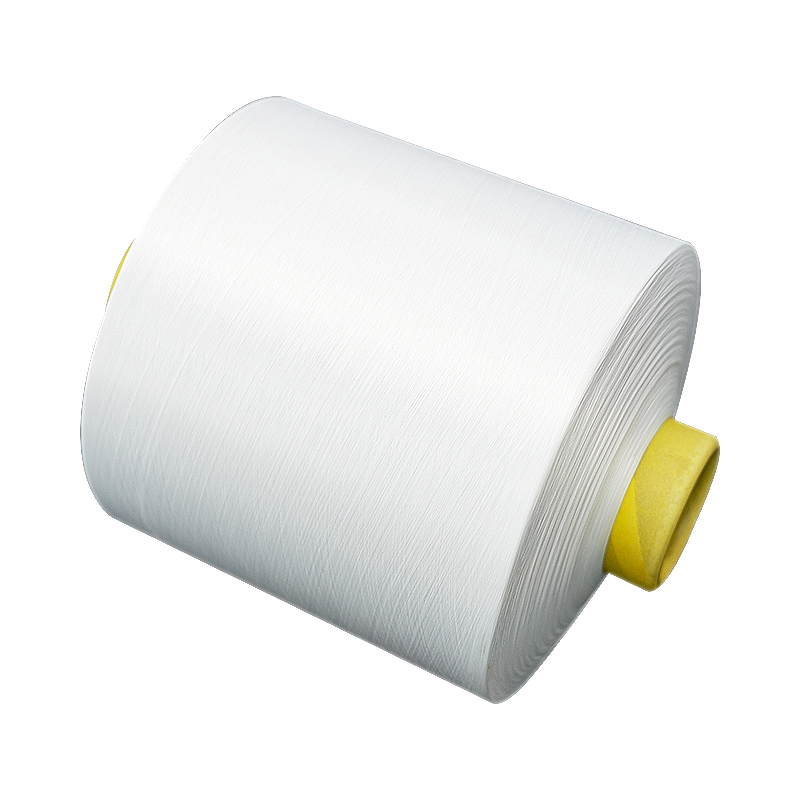
Polymer Kinematics: Mechanical Properties, Texturing Synthesis, and Tensile Performance Metrics of Nylon Elastic Yarn
2026-05-28Your email address will not be published. Required fields are marked *
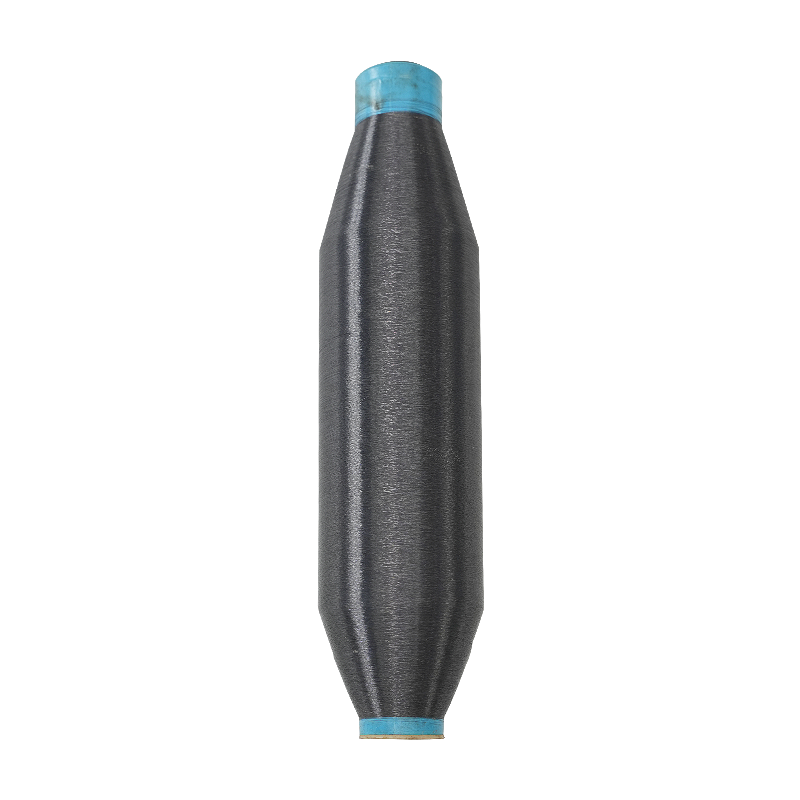
Nylon is a synthetic fiber with good strength and wear resistance, so 40D biodegradable yarn inherits the properties of nylon fiber. It has tensile strength, abrasion resistance and corrosion resistan...
See Details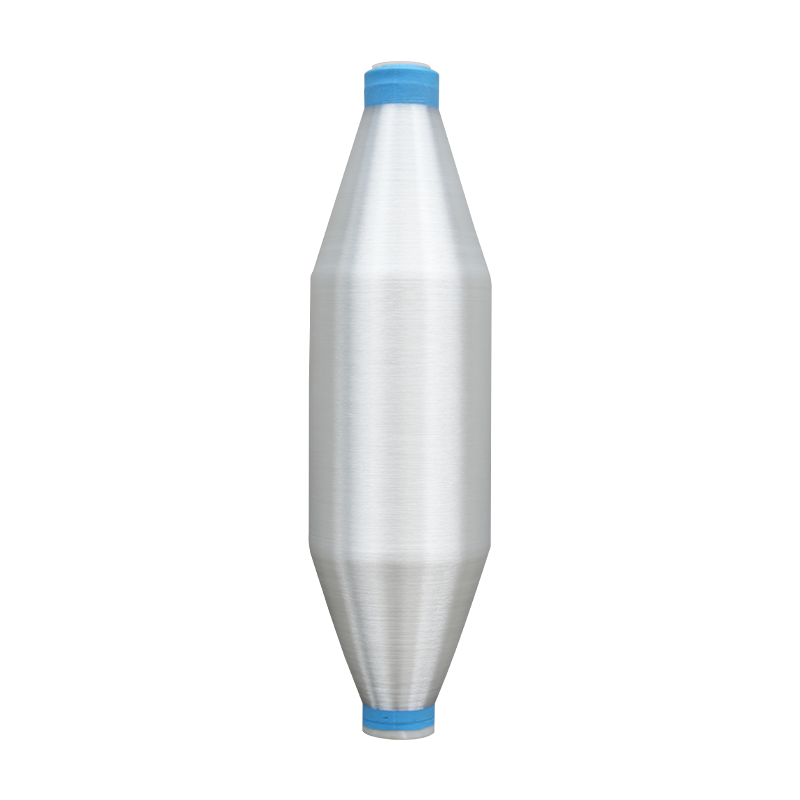
60D woven Antiviral Yarn is thin overall and suitable for making light and soft textiles. Nylon fiber has a soft feel and good breathability. This yarn is usually used to weave fabrics and can be made...
See Details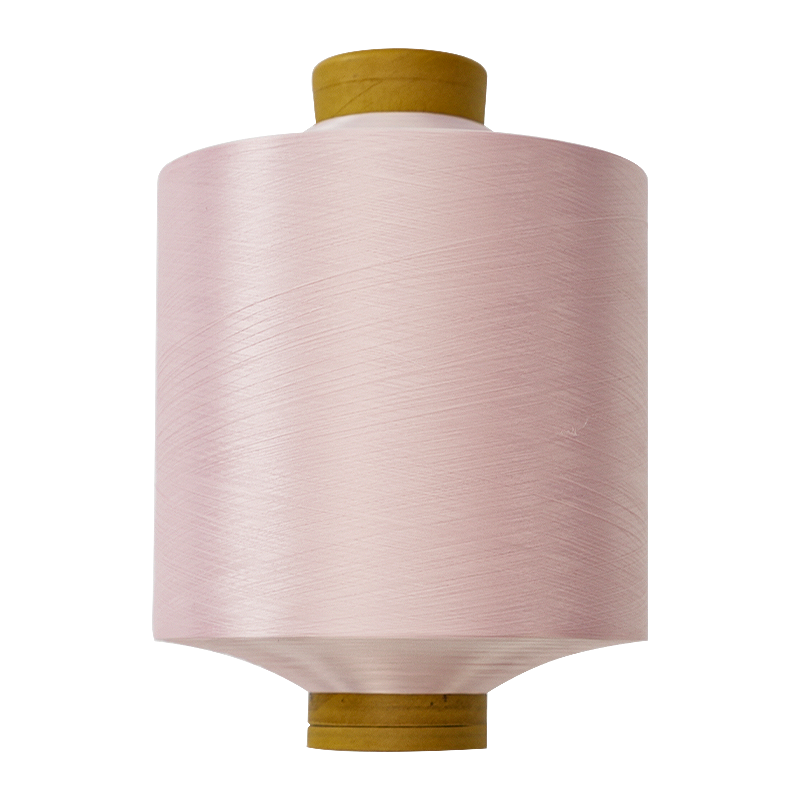
Nylon Elastic Yarn has elasticity and can quickly return to its original shape after stretching. This high elasticity makes the fabrics stretchable and comfortable. Nylon material has good wear resist...
See Details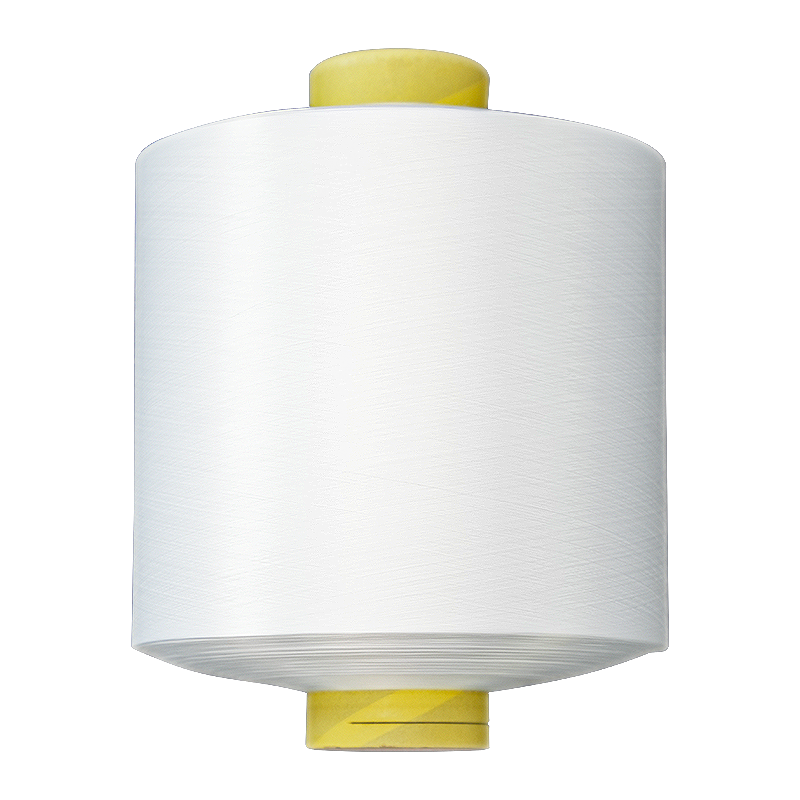
Nylon stretch sportswear yarn is a yarn used to make sportswear and other clothing that require high breathability. Nylon fiber has good breathability, which helps to wick away perspiration and keep t...
See Details
100D Nylon Elastic Yarn has a moderate thickness and good dyeing properties, which can achieve uniform and durable dyeing effects, making textiles bright and long-lasting in color. A yarn frequently u...
See Details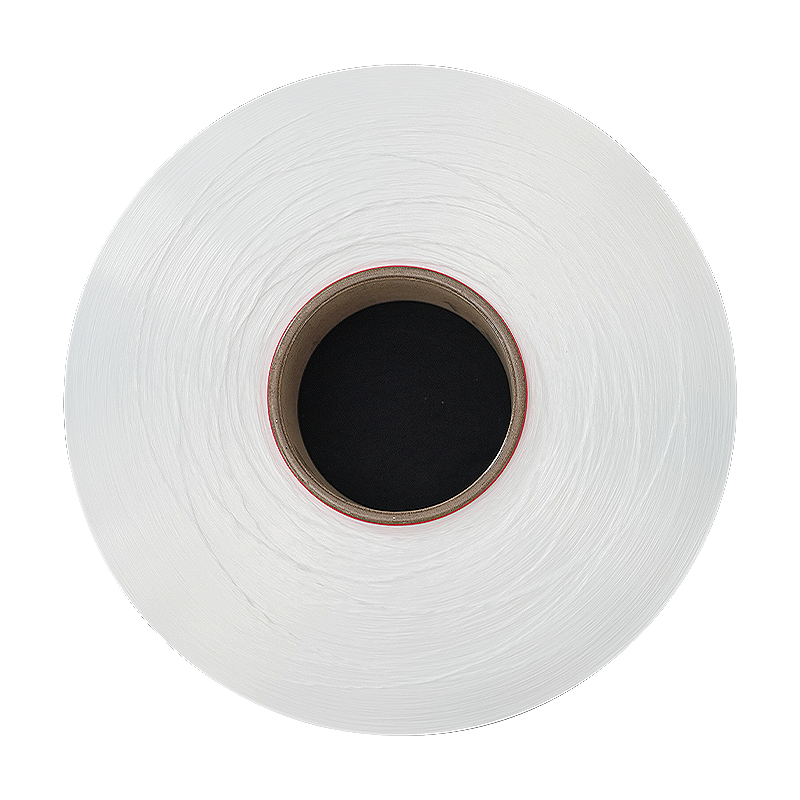
Durable composite nylon yarn has stretch and recovery properties, providing the necessary comfort, fit, and flexibility for clothing and textiles. Made of a blend of nylon fiber and polyester fiber, i...
See Details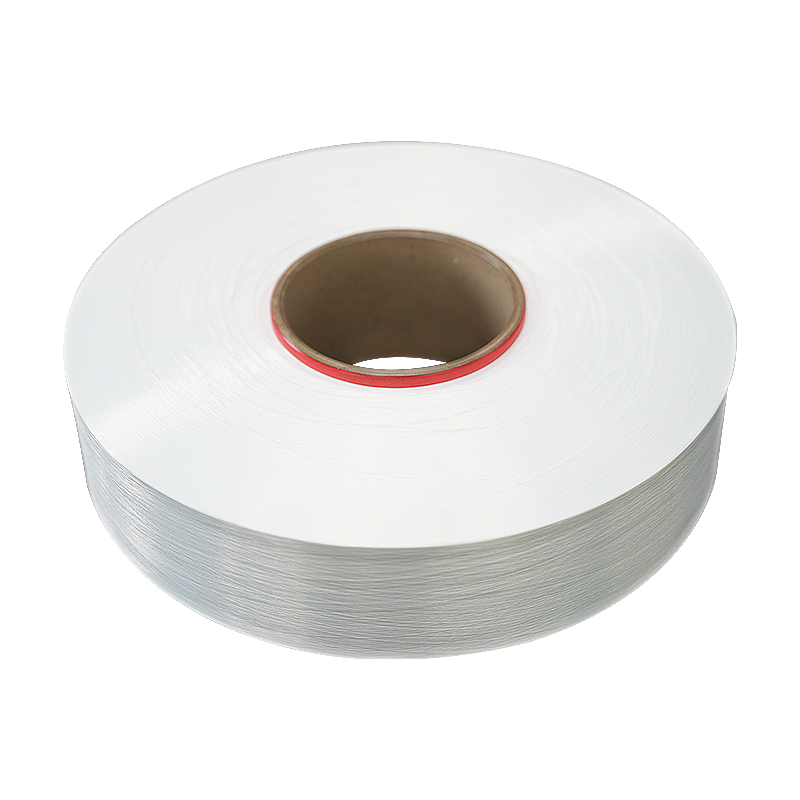
Nylon composite yarn has high strength and toughness. Textiles made with Nylon composite yarn have good stretch resistance and tear resistance. This yarn has a wide range of applications and can be us...
See Details
Cooling brushed durable FDY yarn has high durability and is suitable for manufacturing textiles that require wear resistance and durability. It is not easy to wear out after long-term use. Textiles of...
See Details
High shrinkage blended polyester yarn has a high shrinkage rate and is suitable for textile manufacturing that requires shrinkage treatment, such as making pleated fabrics or textile shaping. Because ...
See Details
Water-repellent blended FDY yarn has good waterproof properties. This characteristic makes Water-repellent blended FDY yarn a greater advantage when making textiles with high waterproof requirements s...
See Details
Composite fiber yarn for textile use consists of 48 monofilaments. Relatively thin and composed of multiple filaments, it adds softness and texture to the fabric. This product is suitable for the manu...
See Details
The fibers of 210D water-repellent yarn are relatively thick, making the yarn highly wear-resistant and durable, making it suitable for long-term use. Composite fiber enables yarn to have the advantag...
See DetailsAddress: Duntou industrial park, haian county, nantong city,jiangsu province ,China.
TEL: +86 15850491859
E-mail: sales-betty@hsnylon.com
If You Are Interested In Our Products, Please Consult Us
 Wholesale Nylon Filament Yarn Manufacturers