
 English
 中文简体
中文简体
 русский
 Español
 عربى
عربى
Product Consultation
Your email address will not be published. Required fields are marked *
Nylon elastic yarn is used in many textile applications where stretch, strength, and comfort are required, but its performance against chlorine and ultraviolet (UV) exposure depends on its intrinsic polymer structure and any additional treatments applied during manufacturing. Nylon fibers generally have strong mechanical stability and reliable elasticity, making them suitable for clothing, accessories, and industrial products. However, when nylon elastic yarn is exposed to chlorine found in pool water or cleaning solutions, its molecular chains can gradually change, affecting elasticity and long-term durability. UV exposure from sunlight can also influence the yarn’s surface condition over time, especially in environments where textiles are frequently worn outdoors. Because nylon absorbs moisture more readily than some synthetic fibers, environmental exposure can combine with UV radiation to alter surface texture or color. Understanding how the material responds under different environmental conditions supports informed decisions in product design and fiber selection.
Chlorine exposure, particularly in swimming pools, laundry sanitizers, and disinfecting solutions, can gradually influence the integrity of nylon elastic yarn. The chlorine molecules may interact with the amino groups within the nylon polymer chain, which can contribute to a gradual reduction in tensile strength if exposure is continuous. In swimwear or sports textiles, where fabric may come into contact with chlorinated water multiple times per week, this interaction can be more noticeable. The yarn may retain its flexibility during early stages of exposure, but over time, repeated contact can contribute to changes in stretch recovery or mild surface fading. Manufacturers sometimes apply chlorine-resistant finishes that stabilize the polymer chain and limit the interaction between chlorine and the yarn. Even with such treatments, careful rinsing after chlorine exposure remains a practical way to maintain performance across repeated use.
UV radiation consists of wavelengths that carry enough energy to influence the molecular bonds within synthetic fibers. In the case of nylon elastic yarn, prolonged sunlight exposure can gradually affect the polymer’s chain structure, potentially reducing elasticity or altering color uniformity. This effect becomes more noticeable when garments are used outdoors for extended periods, such as in activewear, outdoor gear, or accessories exposed to direct sunlight. Nylon tends to absorb UV radiation more readily than some other synthetics, although stabilizers can be added during production to reduce the rate of UV-induced aging. UV stabilizers absorb or scatter harmful wavelengths before they can influence the fiber, helping the nylon elastic yarn maintain appearance and stretch properties. The extent of resistance depends on stabilizer concentration, environmental conditions, and the intensity of UV exposure in the textile’s daily use.
The performance of nylon elastic yarn regarding chlorine and UV resistance varies based on the spinning processes, additives, and finishing treatments used during production. Yarn manufacturers may incorporate stabilizers, coatings, or surface treatments that improve resistance to chemical and environmental stress. For chlorine resistance, some finishes create a protective layer that reduces direct interaction between chlorine molecules and the nylon polymer chain. For UV resistance, stabilizers can be blended into the yarn or applied externally to reduce the rate at which UV radiation penetrates the fiber. Texturing processes, which add elasticity and loft to the yarn, can also influence how the fiber reacts to environmental factors. The density of filaments, level of twist, and type of core-spun structure may all play roles in determining long-term stability under chemical or UV exposure. Because different applications require distinct performance characteristics, manufacturers often customize nylon elastic yarn formulations to meet the needs of swimwear, sportswear, or industrial textiles.
When evaluating the chlorine and UV resistance of nylon elastic yarn, it is helpful to compare its performance with other commonly used elastic fibers. Some fibers exhibit different reactions due to their polymer structures and chemical compositions. Polyester elastics, for example, often show more stable resistance to chlorine but may react differently to UV radiation. Spandex, known for high stretch capacity, may experience changes in chlorine environments unless treated with stabilizing additives. Rubber-based elastic materials can show quick reactions to chlorine but may remain less influenced by UV exposure. Comparing nylon elastic yarn with these alternatives helps determine the best material for clothing or products used in water-related or outdoor settings. The table below highlights general characteristics among common elastic fibers.
| Fiber Type | Reaction to Chlorine | Reaction to UV Exposure | General Application Notes |
|---|---|---|---|
| Nylon Elastic Yarn | May gradually change with repeated exposure | Can be influenced without stabilizers | Common in apparel and accessories |
| Polyester Elastic | Generally more stable in chlorinated water | Shows moderate reaction over time | Used in swimwear and activewear |
| Spandex | Requires stabilizing finishes | Can be sensitive to direct sunlight | Offers significant stretch capability |
| Rubber-Based Elastic | Often reacts quickly to chlorine | Less affected by UV radiation | Used in industrial and functional textiles |
Environmental factors play a significant role in determining how long nylon elastic yarn maintains its performance when exposed to chlorine or sunlight. Conditions such as humidity, temperature, and drying methods directly influence yarn behavior. In humid environments, moisture absorption may accelerate UV reaction rates because water molecules can interact with the fiber surface. High temperatures, whether from sunlight or washing cycles, can also amplify the effects of chlorine and UV exposure by increasing molecular mobility within the fiber. Fast drying in direct sunlight may increase surface aging, whereas air-drying in shade may help preserve elasticity. Detergent choice further affects fiber behavior, as some detergents contain chlorine-based compounds that can interact with the yarn. Combining these environmental elements provides insight into how nylon elastic yarn responds across real-world conditions.
Chemical finishes are commonly used to enhance the performance of nylon elastic yarn in demanding environments. For chlorine resistance, stabilizing coatings reduce the direct chemical reaction between chlorine molecules and the polymer chain. These coatings may consist of hydrophobic compounds that repel water-based chlorine solutions or barrier layers that slow down chlorine diffusion. For UV resistance, finishing formulations often include absorbers, blockers, or reflectors that target specific UV wavelengths. Some UV finishes form a thin protective film on the yarn surface, while others penetrate the polymer matrix for longer-lasting effects. These finishes can be tailored for specific product categories such as swimwear, sports apparel, elastic bands, or technical textiles. While chemical treatments can improve performance, the yarn’s behavior still depends on exposure frequency, washing routines, and storage methods.
Many households use chlorine-based cleaning products or bleaches, which can incidentally affect textiles during washing. When nylon elastic yarn is included in garments that undergo chlorine-based laundering, the exposure may lead to gradual changes in fiber strength and elasticity. Even diluted bleach solutions can interact with the fiber’s surface, especially if garments are soaked or washed at higher temperatures. This does not immediately damage the yarn but may contribute to long-term changes after repeated cycles. Washing with non-chlorine detergents or using milder cleaning methods can help reduce this effect. Additionally, ensuring thorough rinsing after chlorine exposure supports longer-lasting performance by removing residual molecules that may remain on the fiber after washing.
Products made with nylon elastic yarn are sometimes used in settings where outdoor exposure is frequent. This includes sportswear, marine textiles, outdoor accessories, and adjustable straps. When subjected to regular sunlight, the yarn may experience gradual surface aging unless UV stabilizers are incorporated during manufacturing. In applications such as outdoor gear or straps exposed to continuous sunlight, UV resistance becomes a critical factor for maintaining elasticity and dimensional stability. Designers often select yarns with enhanced UV additives for these applications to reduce fading, maintain appearance, and preserve stretching capability. The amount of UV exposure varies depending on geographical location, altitude, and season, all of which influence how quickly environmental effects become noticeable.
Proper maintenance can significantly extend the functional lifespan of textiles containing nylon elastic yarn in environments involving chlorine or sunlight. Rinsing garments in fresh water immediately after pool use reduces the duration of chlorine contact. Washing with mild detergents and avoiding prolonged soaking in chlorine-based solutions helps maintain the polymer structure. When drying clothing or textiles, placing them in shaded areas rather than direct sunlight reduces UV exposure and slows surface aging. Storing items in cool, dry conditions away from direct light also supports material stability. These maintenance habits help retain elasticity, color consistency, and surface appearance over time, allowing nylon elastic yarn to perform reliably in daily use.
Selecting nylon elastic yarn for applications involving frequent chlorine or UV exposure requires evaluating yarn type, applied finishes, and environmental demands. For swimwear or products used near chlorinated water, choosing yarn specifically treated for chlorine resistance can help preserve elasticity. For outdoor textiles, UV-stabilized yarns are more suitable due to their ability to maintain surface condition and stretch properties under sunlight. Manufacturers may provide specifications detailing chlorine and UV testing, allowing designers to match yarn selection with expected conditions. The balance between flexibility, durability, and environmental resistance determines the overall performance of the textile product. Taking these considerations into account ensures that nylon elastic yarn supports functional and aesthetic requirements over extended periods of use.
Are the strength and elongation at break of low melt FDY yarn stable?
2025-11-26
Is nylon mother yarn suitable for high abrasion resistance or high strength applications?
2025-12-11Your email address will not be published. Required fields are marked *
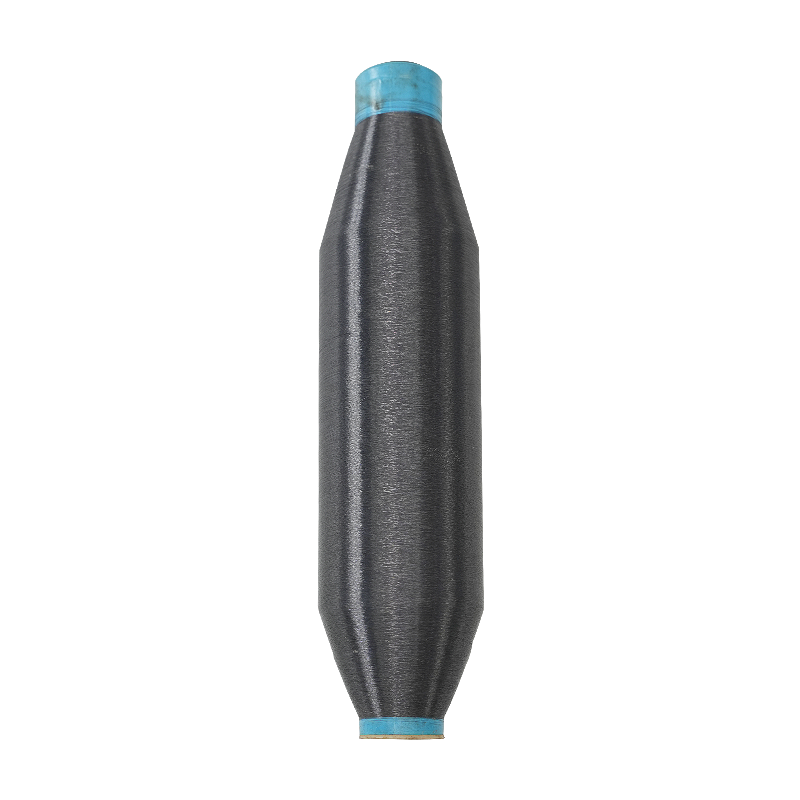
Nylon is a synthetic fiber with good strength and wear resistance, so 40D biodegradable yarn inherits the properties of nylon fiber. It has tensile strength, abrasion resistance and corrosion resistan...
See Details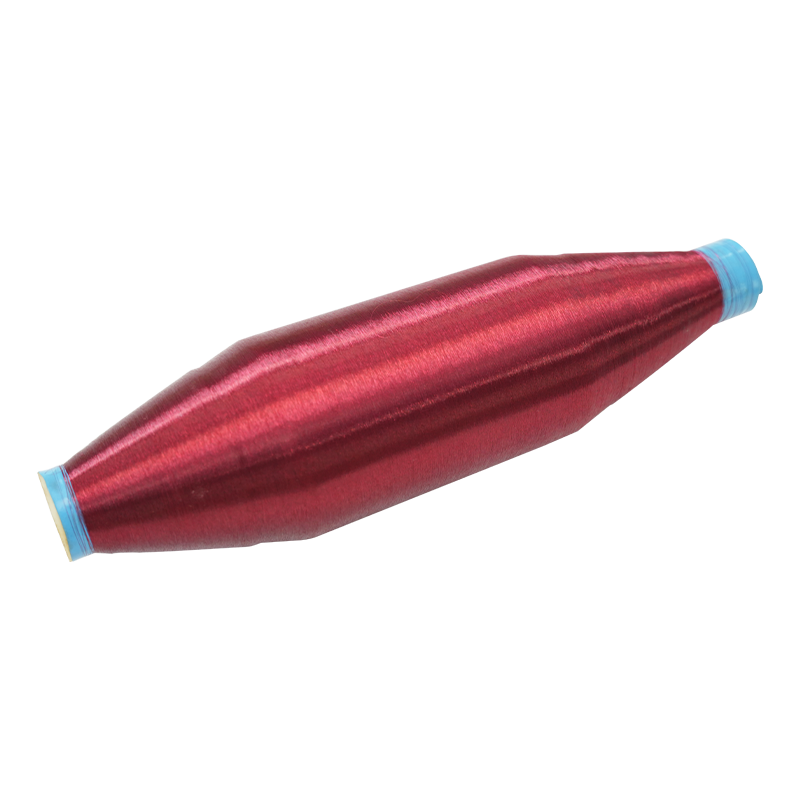
Antiviral nylon Monofilament Yarn can inhibit the survival of viruses on the surface of the yarn, which can effectively reduce the risk of virus transmission and improve user safety. The yarn has a mo...
See Details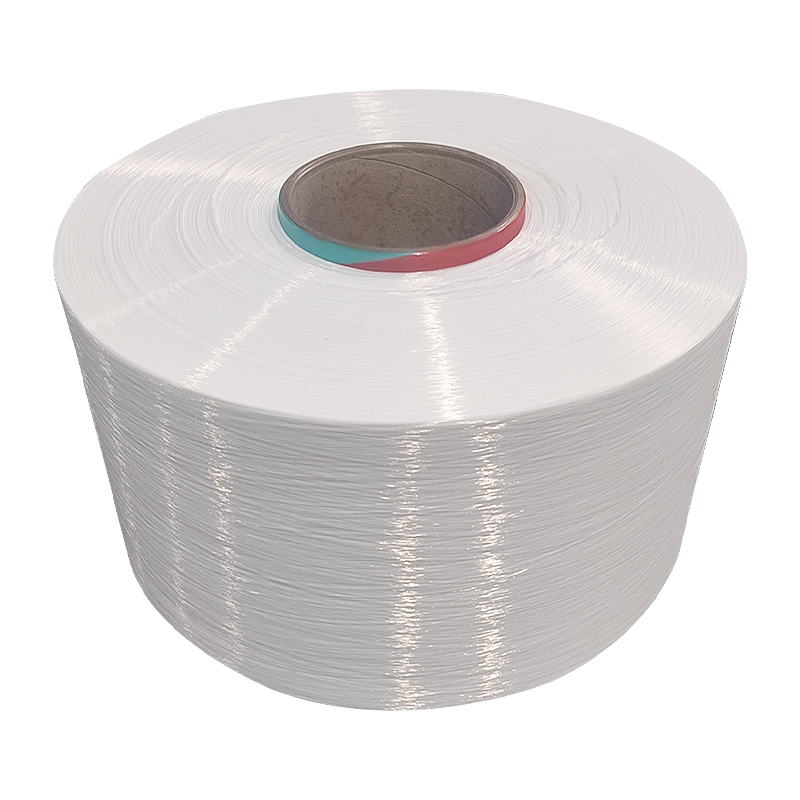
Colored Nylon Mother Yarn can be processed through spinning, drawing, dyeing and other processes to meet the needs of different textiles. It has good processing adaptability and can be made into vario...
See Details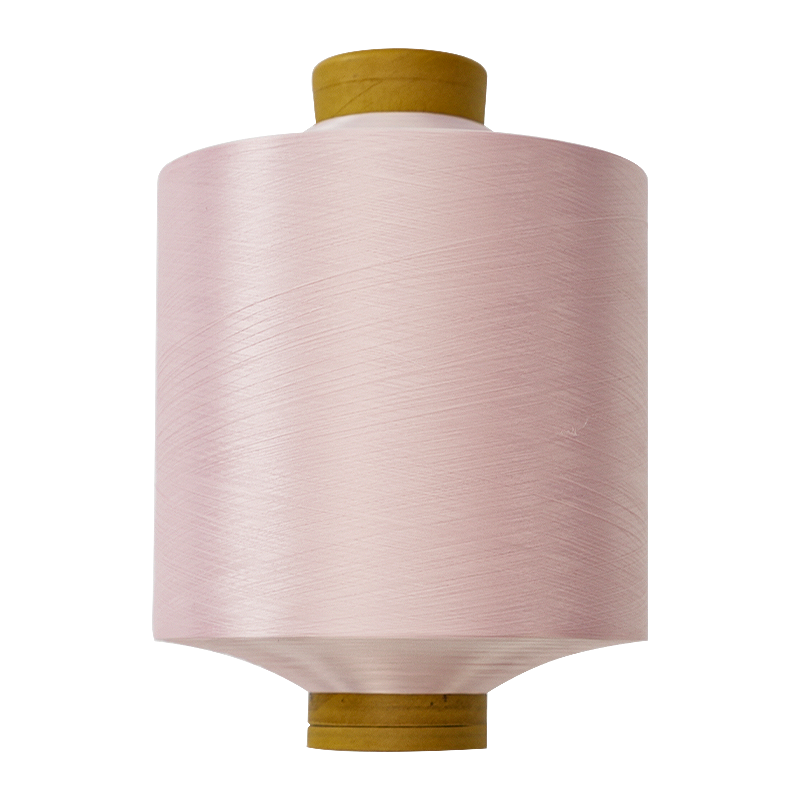
Nylon Elastic Yarn has elasticity and can quickly return to its original shape after stretching. This high elasticity makes the fabrics stretchable and comfortable. Nylon material has good wear resist...
See Details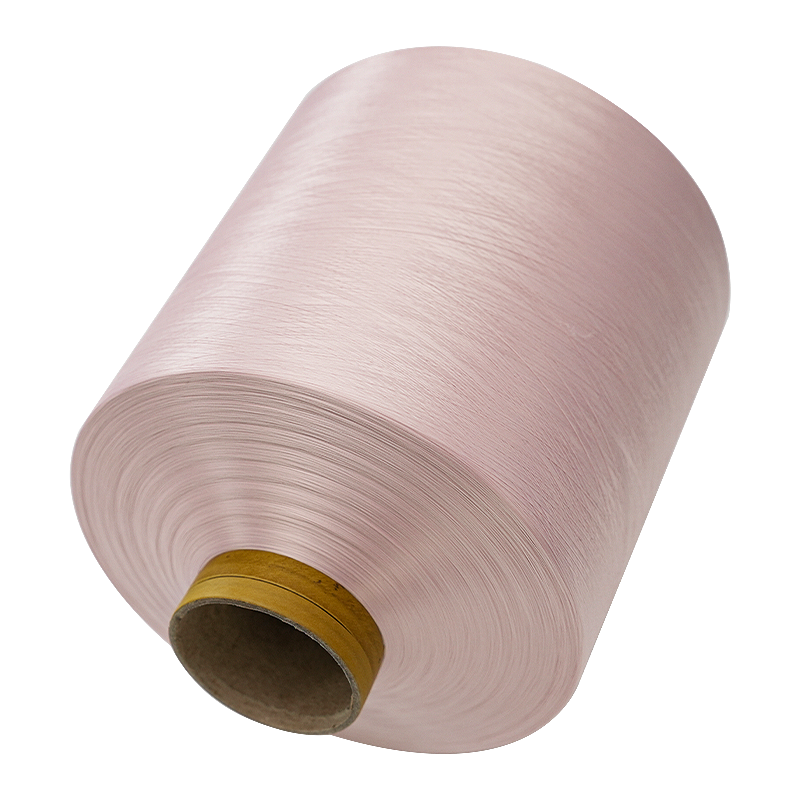
Double-strand nylon elastic yarn is a composite yarn composed of two strands of yarn. It has high strength, maintains stable performance even in a stretched state, and is not easy to break or deform. ...
See Details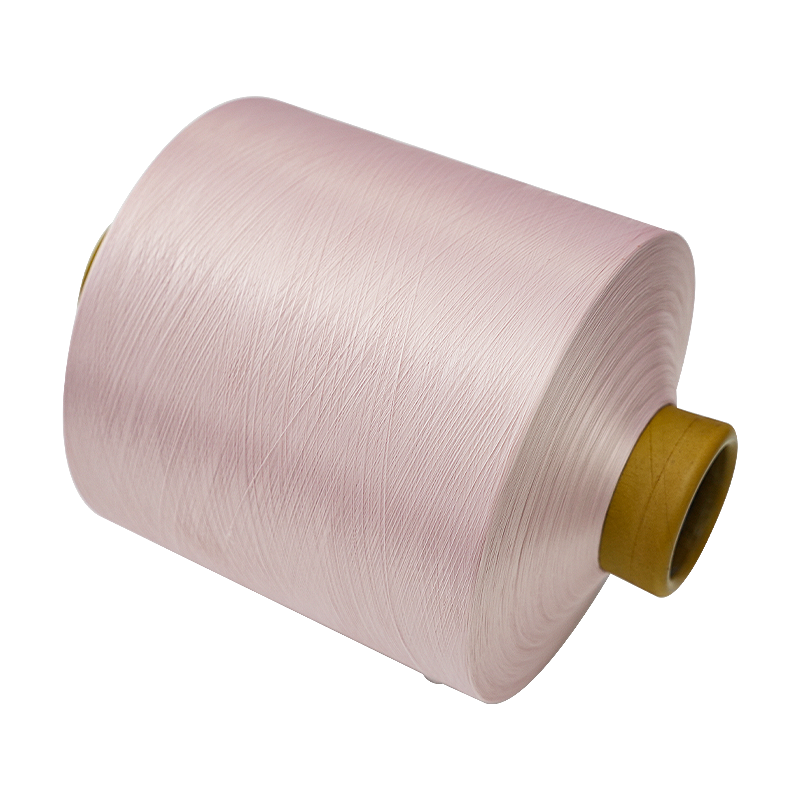
Fabrics made using Nylon elastic yarn for Weaving are lightweight, soft, comfortable and breathable, making them suitable for long-term wear. Made of high-quality nylon material with wear resistance, ...
See Details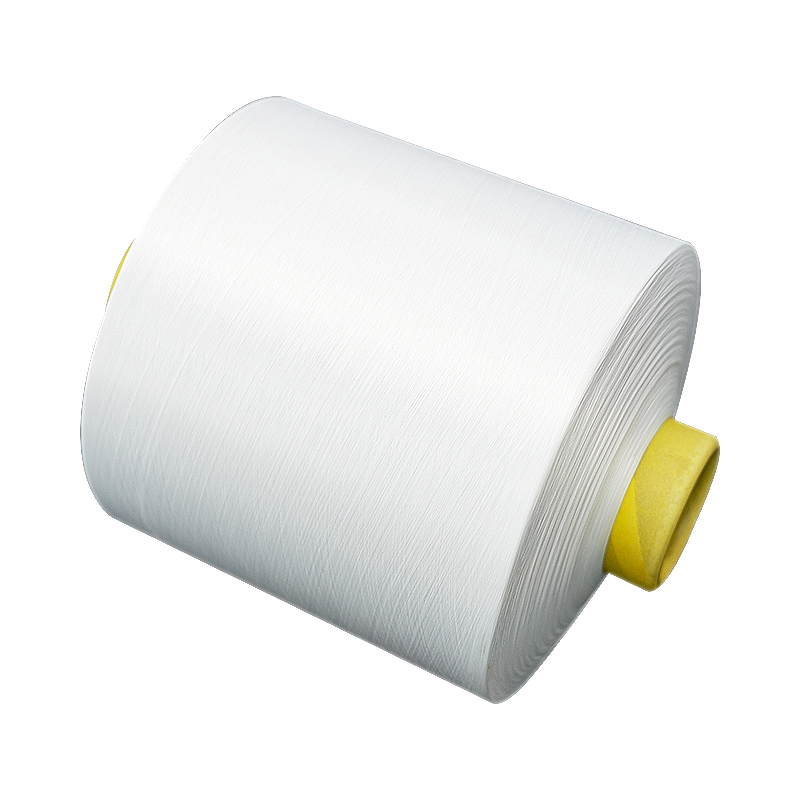
100D Nylon Elastic Yarn has a moderate thickness and good dyeing properties, which can achieve uniform and durable dyeing effects, making textiles bright and long-lasting in color. A yarn frequently u...
See Details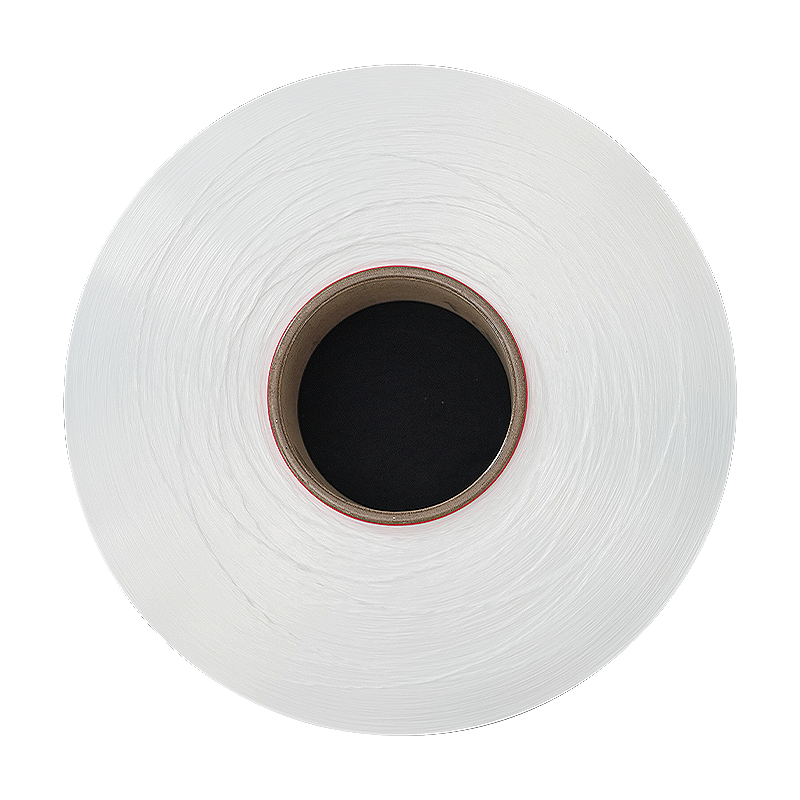
Durable composite nylon yarn has stretch and recovery properties, providing the necessary comfort, fit, and flexibility for clothing and textiles. Made of a blend of nylon fiber and polyester fiber, i...
See Details
Nylon composite yarn has high strength and toughness. Textiles made with Nylon composite yarn have good stretch resistance and tear resistance. This yarn has a wide range of applications and can be us...
See Details
Fully stretched polyester blended yarn is made of a blend of polyester and nylon. Polyester itself has good wear resistance. After full stretch processing, the strength and softness of the yarn increa...
See Details
210D Polyester Nylon Composite FDY yarn is a composite fiber yarn. FDY is a mixture of polyester and nylon fibers. It combines the advantages of the two fibers, the abrasion resistance of polyester an...
See Details
Stretch durable FDY yarn has good elasticity and can return to its original shape after being stressed, giving the textile a comfortable wearing feel and good ductility. It can fit the contours of the...
See DetailsAddress: Duntou industrial park, haian county, nantong city,jiangsu province ,China.
TEL: +86 15850491859
E-mail: sales-betty@hsnylon.com
If You Are Interested In Our Products, Please Consult Us
 Wholesale Nylon Filament Yarn Manufacturers