
 English
 中文简体
中文简体
 русский
 Español
 عربى
عربى
Product Consultation
Your email address will not be published. Required fields are marked *
Nylon multifilament yarn is a widely used synthetic fiber composed of numerous fine filaments twisted together to form a single strand. Its unique structure provides a combination of flexibility, strength, and durability. The performance of nylon multifilament yarn under high-strength stretching or prolonged use is a critical consideration for industries such as textiles, ropes, industrial fabrics, and sports equipment, where consistent mechanical properties are essential for reliability and safety.
Nylon fibers are polyamide-based polymers known for their high tensile strength and resistance to abrasion. The multifilament construction increases the surface area and distributes stress across numerous filaments, enhancing overall durability. Each filament contributes to load-bearing capacity, while the collective arrangement allows the yarn to withstand stretching without breaking. The chemical structure of nylon provides resistance to environmental factors such as moisture, temperature variation, and UV exposure, which contributes to stable performance during prolonged use.
When subjected to high-strength stretching, nylon multifilament yarn exhibits elongation followed by recovery, allowing it to absorb mechanical stress without permanent deformation. The multifilament structure permits individual filaments to share the load, preventing failure of a single strand from compromising the entire yarn. Tensile tests indicate that the yarn can maintain a significant portion of its original strength under repeated stretching cycles. This property is particularly important for applications such as climbing ropes, seat belts, and industrial fabrics where repeated load-bearing is expected.
Repeated stress over time can cause fatigue in fibers, potentially leading to reduced strength or elongation. Nylon multifilament yarn demonstrates resilience against fatigue due to the distribution of stress among filaments and its inherent polymer properties. While individual filaments may experience minor wear, the overall structure remains stable, providing long-term performance. Prolonged use in textile applications, industrial cords, and sports equipment indicates that nylon multifilament yarn retains mechanical integrity even after extensive cycles of stretching and tension.
Environmental conditions such as humidity, temperature fluctuations, and UV exposure can influence nylon multifilament yarn. Nylon absorbs a small amount of moisture, which can slightly reduce stiffness but does not significantly compromise strength. Temperature variations affect elongation and flexibility, and exposure to sunlight over extended periods may gradually degrade surface filaments. Protective coatings, additives, or incorporation into fabrics can mitigate environmental effects, ensuring the yarn maintains performance under varied conditions.
The multifilament structure enhances resistance to abrasion, as the load is distributed among multiple filaments, reducing the risk of breakage in high-friction environments. Prolonged use in ropes, nets, and industrial fabrics exposes the yarn to rubbing and contact with surfaces, yet its structural design minimizes filament damage. Regular inspection and maintenance, such as trimming frayed ends or cleaning debris, help preserve the yarn’s integrity during extended service life.
Nylon multifilament yarn demonstrates elastic recovery after stretching, returning to near-original length after load removal. This characteristic contributes to dimensional stability in fabrics and products that undergo frequent stretching. Consistent recovery ensures that knitted or woven textiles maintain shape and prevents sagging or distortion over time. Elastic recovery is influenced by filament quality, twisting technique, and yarn density, which can be adjusted according to application requirements.
Nylon fibers exhibit resistance to many chemicals, including oils, solvents, and mild acids or bases. This property allows multifilament yarn to maintain performance in industrial environments where exposure to chemicals or cleaning agents occurs. Chemical resistance also contributes to prolonged durability, preventing degradation that could compromise tensile strength or elongation characteristics. Ensuring compatibility with intended chemical environments enhances the long-term reliability of nylon multifilament yarn.
The stability of nylon multifilament yarn under high-strength stretching and prolonged use depends on its intended application. In ropes and cords, high tensile strength and abrasion resistance are crucial. In textiles, dimensional stability, elasticity, and hand feel are important. Industrial fabrics require a balance between strength, flexibility, and environmental resistance. Adjusting filament diameter, twisting method, and yarn density allows manufacturers to optimize performance for specific operational conditions while maintaining overall durability and stability.
To ensure consistent performance, nylon multifilament yarn undergoes rigorous quality control during production. Tensile strength tests, elongation measurements, and abrasion resistance assessments verify that the yarn meets specified standards. Long-term testing simulates repeated stretching and environmental exposure, providing insight into expected lifespan and reliability. Quality control ensures that variations in filament diameter, twisting tension, or chemical composition do not compromise performance under high-stress conditions or prolonged use.
Proper handling and maintenance of nylon multifilament yarn can further enhance its stability under repeated use. Avoiding excessive tension during storage, minimizing sharp bends, and keeping the yarn clean from abrasive particles or chemical residues help maintain integrity. In industrial applications, periodic inspections and replacement of worn sections prevent failures. Adhering to recommended storage conditions, such as temperature and humidity control, also supports consistent performance over time.
| Factor | Impact on Performance | Recommended Practices |
|---|---|---|
| Tensile strength | Determines ability to withstand stretching without breakage | Ensure yarn meets required strength specifications for the application |
| Elastic recovery | Influences dimensional stability in textiles and ropes | Select appropriate filament density and twisting technique |
| Abrasion resistance | Reduces filament wear during prolonged use | Maintain clean surfaces; minimize friction exposure |
| Environmental resistance | Maintains performance under moisture, temperature, and UV exposure | Use protective coatings or additives when necessary |
| Chemical resistance | Prevents degradation in industrial or cleaning environments | Verify chemical compatibility with intended usage |
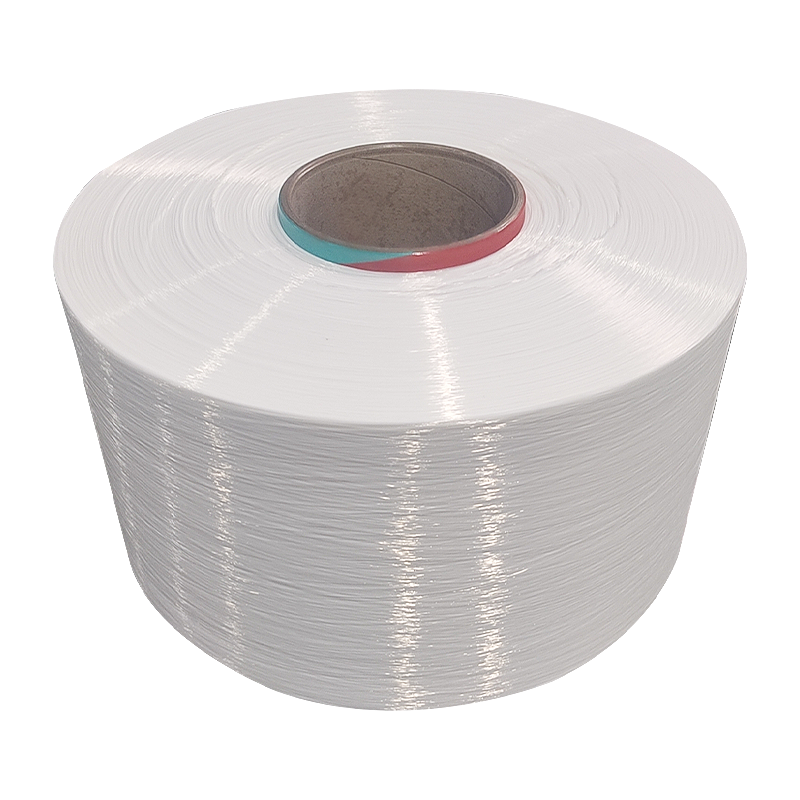
How is nylon mother yarn different from regular nylon yarn?
2025-12-25
Are the diameter and surface quality of the nylon monofilament yarn uniform and consistent?
2026-01-08Your email address will not be published. Required fields are marked *
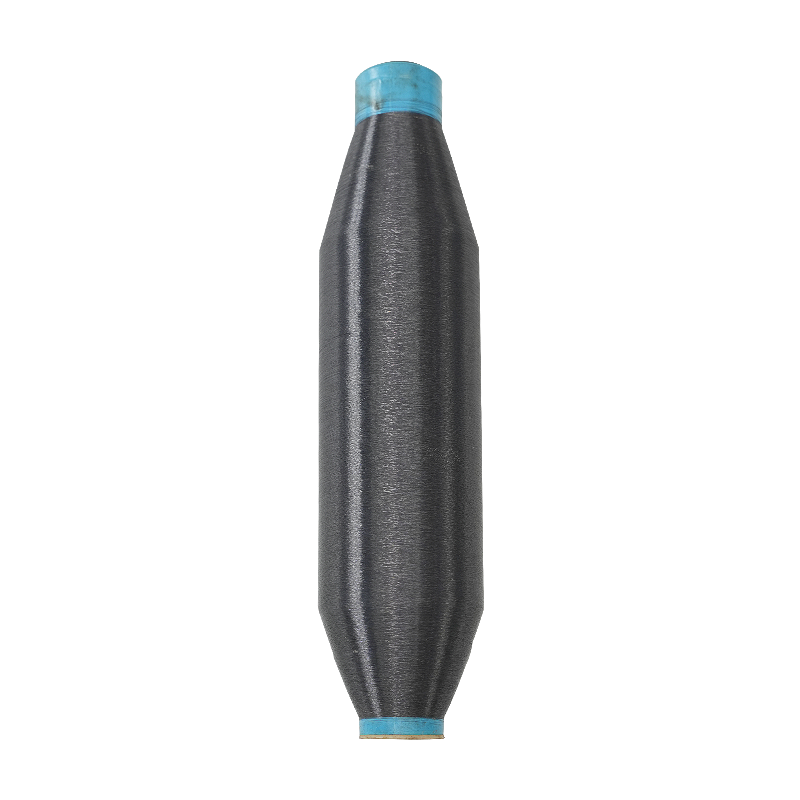
Nylon is a synthetic fiber with good strength and wear resistance, so 40D biodegradable yarn inherits the properties of nylon fiber. It has tensile strength, abrasion resistance and corrosion resistan...
See Details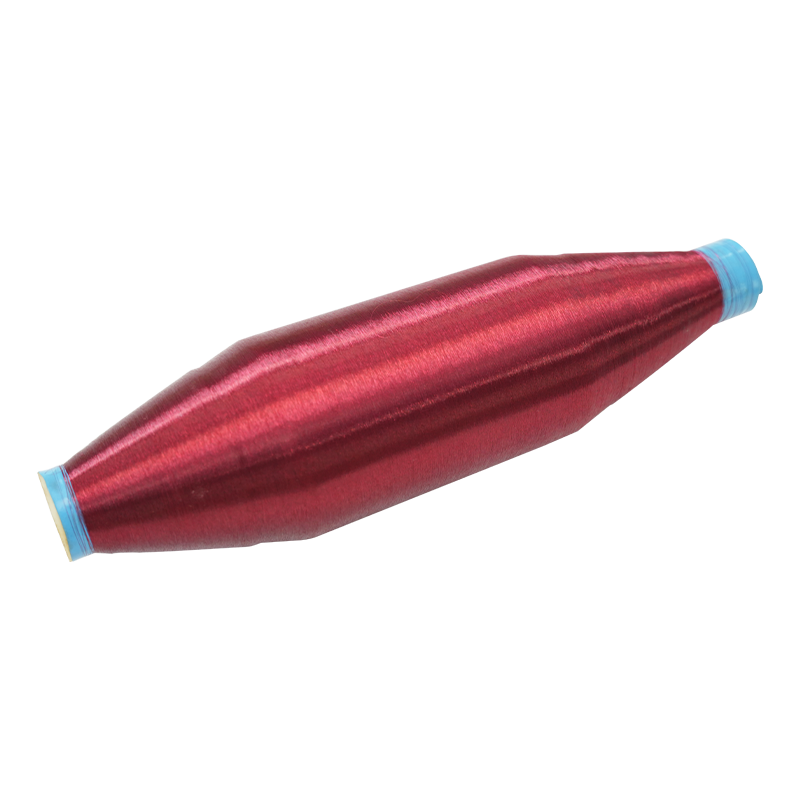
Antiviral nylon Monofilament Yarn can inhibit the survival of viruses on the surface of the yarn, which can effectively reduce the risk of virus transmission and improve user safety. The yarn has a mo...
See Details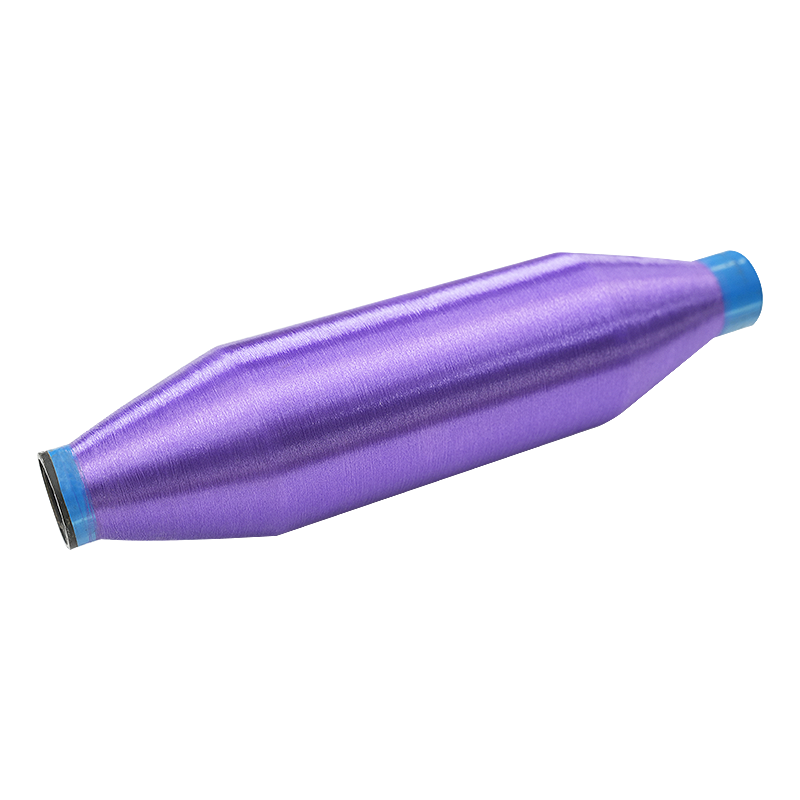
Graphene yarns can be produced by a variety of methods, including chemical vapor deposition (CVD) and wet spinning. In CVD, graphene is grown directly on a substrate, which is then removed to obtain g...
See Details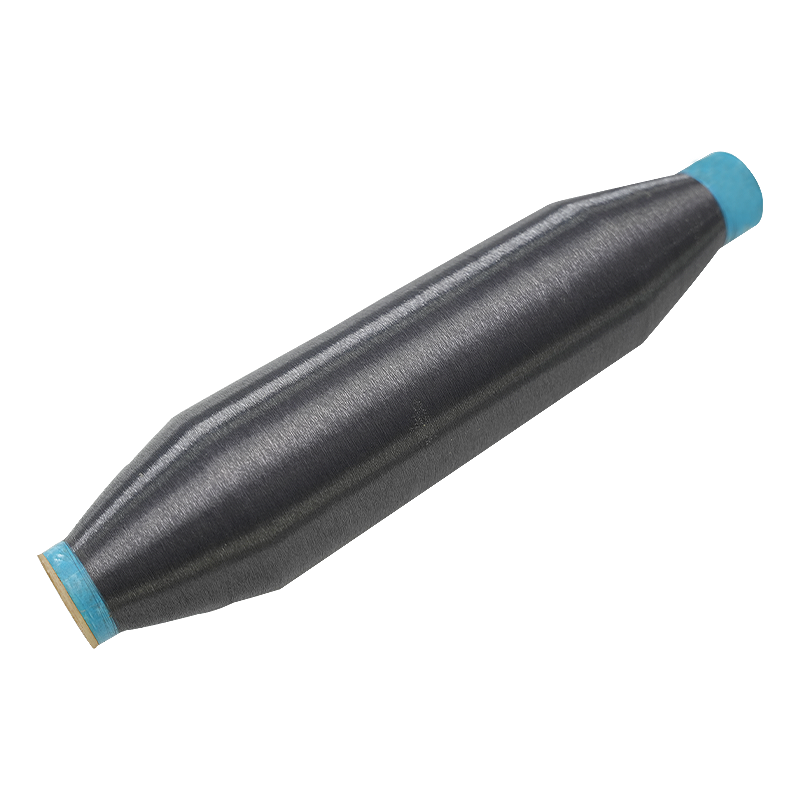
Elastic high-performance polyamide multifilament refers to a synthetic fiber made from polyamide polymer (commonly known as nylon). Resilient and high-performance properties make it suitable for a var...
See Details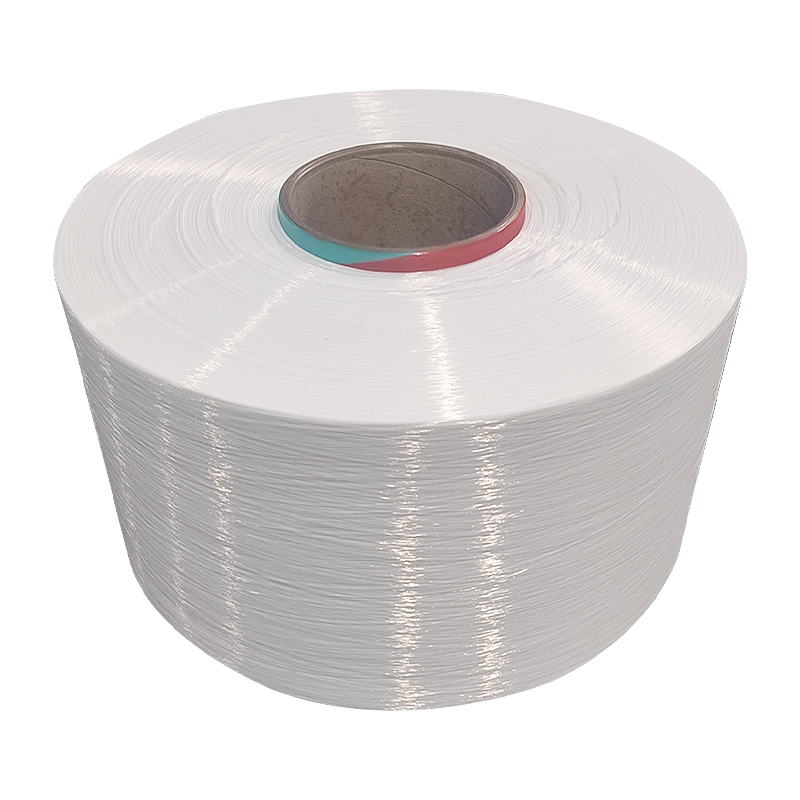
Colored Nylon Mother Yarn can be processed through spinning, drawing, dyeing and other processes to meet the needs of different textiles. It has good processing adaptability and can be made into vario...
See Details
The diameter of Durable woven nylon mother yarn is 240D, the fiber thickness is medium, and it is suitable for the manufacture of a variety of textiles. This product has good tensile strength and will...
See Details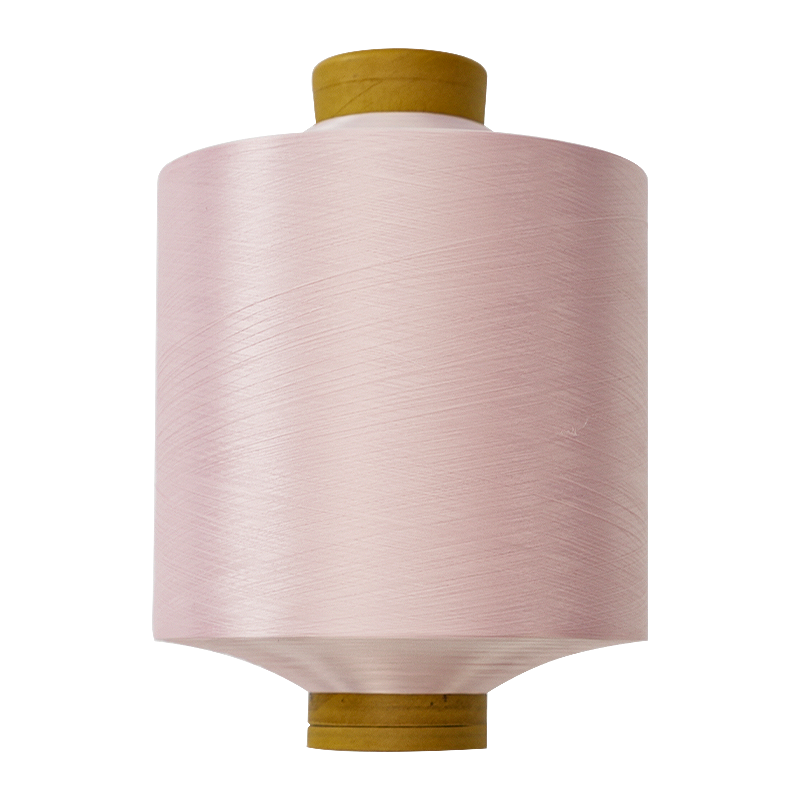
Nylon Elastic Yarn has elasticity and can quickly return to its original shape after stretching. This high elasticity makes the fabrics stretchable and comfortable. Nylon material has good wear resist...
See Details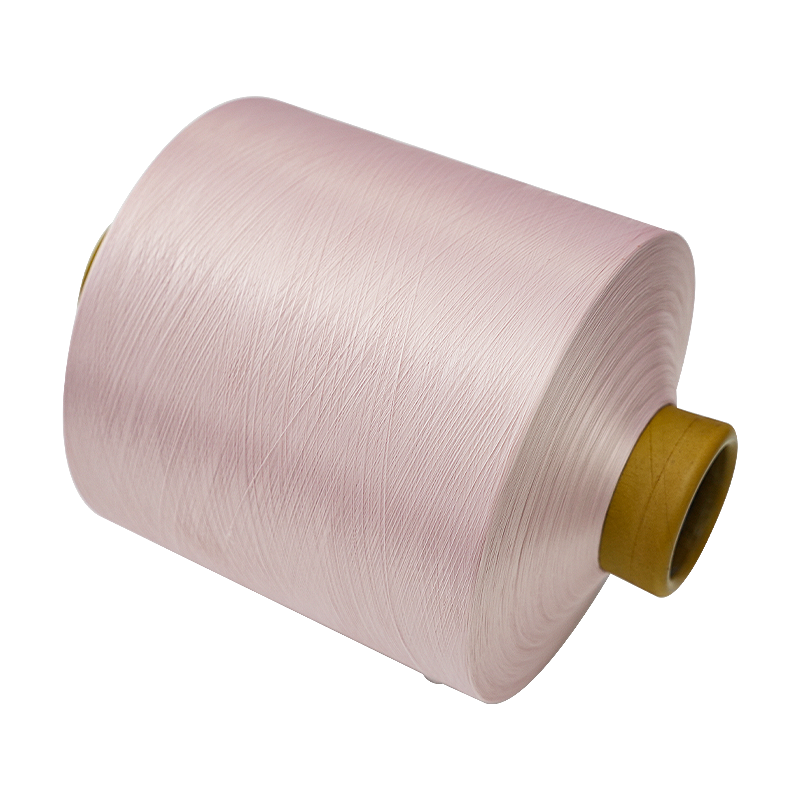
Fabrics made using Nylon elastic yarn for Weaving are lightweight, soft, comfortable and breathable, making them suitable for long-term wear. Made of high-quality nylon material with wear resistance, ...
See Details
Durable composite nylon yarn has stretch and recovery properties, providing the necessary comfort, fit, and flexibility for clothing and textiles. Made of a blend of nylon fiber and polyester fiber, i...
See Details
Polyester FDY yarn for weaving has high strength. After FDY yarn is fully stretched, the strength is even better and is suitable for manufacturing fabrics requiring high strength. The fabric made usin...
See Details
210D Permanent Cooling FDY Yarn is suitable for the manufacture of various textiles, such as sportswear, outdoor equipment, household items, etc. Textiles made of this material often have good breatha...
See Details
The fibers of 210D water-repellent yarn are relatively thick, making the yarn highly wear-resistant and durable, making it suitable for long-term use. Composite fiber enables yarn to have the advantag...
See DetailsAddress: Duntou industrial park, haian county, nantong city,jiangsu province ,China.
TEL: +86 15850491859
E-mail: sales-betty@hsnylon.com
If You Are Interested In Our Products, Please Consult Us
 Wholesale Nylon Filament Yarn Manufacturers