
 English
 中文简体
中文简体
 русский
 Español
 عربى
عربى
Product Consultation
Your email address will not be published. Required fields are marked *
Nylon monofilament yarn is a single-strand synthetic fiber widely used in textiles, industrial applications, fishing lines, and technical fabrics. Its properties, such as strength, elasticity, and chemical resistance, make it suitable for both functional and decorative purposes. The uniformity of its diameter and surface quality is critical for consistent performance in various applications, as any variations can affect mechanical properties, weaving efficiency, and product appearance. Understanding the factors that influence diameter and surface quality helps manufacturers ensure stable production outcomes.
The diameter of nylon monofilament yarn directly affects its tensile strength, flexibility, and performance during processing. Inconsistent diameters can lead to uneven tension in weaving, knitting, or extrusion processes, causing defects in the finished product. High-quality monofilament yarn production requires precise control of extrusion parameters, cooling rates, and stretching processes. Stable diameter ensures predictable behavior during downstream applications, including textile fabrication, netting, and industrial filters. Manufacturers often use laser micrometers or optical inspection systems to monitor diameter throughout production to maintain uniformity.
Several factors influence the uniformity of nylon monofilament yarn diameter. Temperature fluctuations during extrusion can cause expansion or contraction of the molten polymer, resulting in variable thickness. Inconsistent polymer feed rates may create irregular strands, while uneven stretching or cooling can affect filament geometry. Machine precision and maintenance are also critical, as worn dies or rollers can introduce diameter variations. Process optimization, including consistent polymer viscosity and controlled drawing tension, helps produce yarn with minimal variation and predictable performance.
Surface quality of nylon monofilament yarn includes smoothness, absence of nicks or pits, and uniform appearance. High surface quality is essential for applications where friction, abrasion, or optical clarity is important, such as in fishing lines, brush filaments, or industrial filters. Surface irregularities can lead to weak points, reduce tensile performance, or cause uneven interactions with other materials. Ensuring consistent surface quality involves careful control of extrusion temperatures, die surface condition, cooling methods, and post-processing steps like heat setting or polishing.
To maintain uniform diameter and surface quality, manufacturers employ various inspection and quality control methods. Optical and laser-based measurement systems provide real-time monitoring of filament diameter, detecting deviations early in the production process. Surface inspection cameras can identify scratches, bulges, or other defects. Sampling methods, including micrometer checks and visual evaluations, complement automated systems. Data collected during production allows for adjustments to extrusion speed, draw ratio, and cooling conditions, ensuring consistent filament characteristics across large batches.
| Property | Range | Measurement Method | Importance |
|---|---|---|---|
| Diameter | 0.10–2.00 mm | Laser micrometer | Ensures uniform strength and processability |
| Tensile Strength | 5–150 cN/tex | Single filament tensile tester | Measures load capacity and consistency |
| Elongation at Break | 15–40% | Tensile testing | Indicates flexibility and deformation behavior |
| Surface Smoothness | Minimal nicks or roughness | Visual or optical inspection | Reduces abrasion and friction issues |
The production of nylon monofilament yarn typically involves extrusion of molten polymer through a die, followed by stretching or drawing to achieve the desired mechanical properties. Control of extrusion temperature, pressure, and die design directly impacts both diameter and surface quality. Uneven drawing tension can lead to variations in filament thickness and surface irregularities. Proper alignment of rollers, uniform cooling, and controlled drawing ratios are essential to maintain consistent filament dimensions and smooth surface texture. Adjustments during these stages can correct deviations and enhance overall uniformity.
Uniform diameter and smooth surface quality of nylon monofilament yarn influence its performance in end-use applications. In textiles, inconsistent diameter can cause variations in fabric density, strength, and appearance. In industrial applications, such as brushes, fishing nets, or filtration membranes, surface defects can compromise mechanical strength or reduce product efficiency. Maintaining high-quality standards in diameter and surface characteristics ensures reliable behavior under operational stresses, consistent visual appearance, and predictable interaction with other materials in composite structures.
Continuous monitoring and maintenance of extrusion equipment are necessary for producing consistent nylon monofilament yarn. Regular cleaning of dies, calibration of measurement devices, and inspection of rollers prevent contamination or mechanical issues that could affect diameter uniformity. Stable polymer supply with consistent viscosity and additives ensures smooth extrusion. Operators can implement real-time adjustments based on monitoring data to maintain both diameter consistency and surface quality during long production runs, reducing the risk of defective batches.
Nylon monofilament yarn manufacturers often adhere to international quality standards and certifications, which specify acceptable ranges for diameter tolerance, surface smoothness, tensile properties, and elongation. Compliance with standards such as ISO or ASTM ensures that yarn meets customer expectations and performs reliably in various applications. Documented quality control procedures and certification records provide assurance to buyers that the yarn maintains uniformity and surface integrity across different production lots, which is particularly important for technical and industrial uses.
Does nylon multifilament yarn maintain stable performance under high-strength stretching or prolonged use?
2026-01-01
Nylon Elastic Yarn: Why It’s Suddenly a Big Topic in Textile Manufacturing
2026-01-15Your email address will not be published. Required fields are marked *
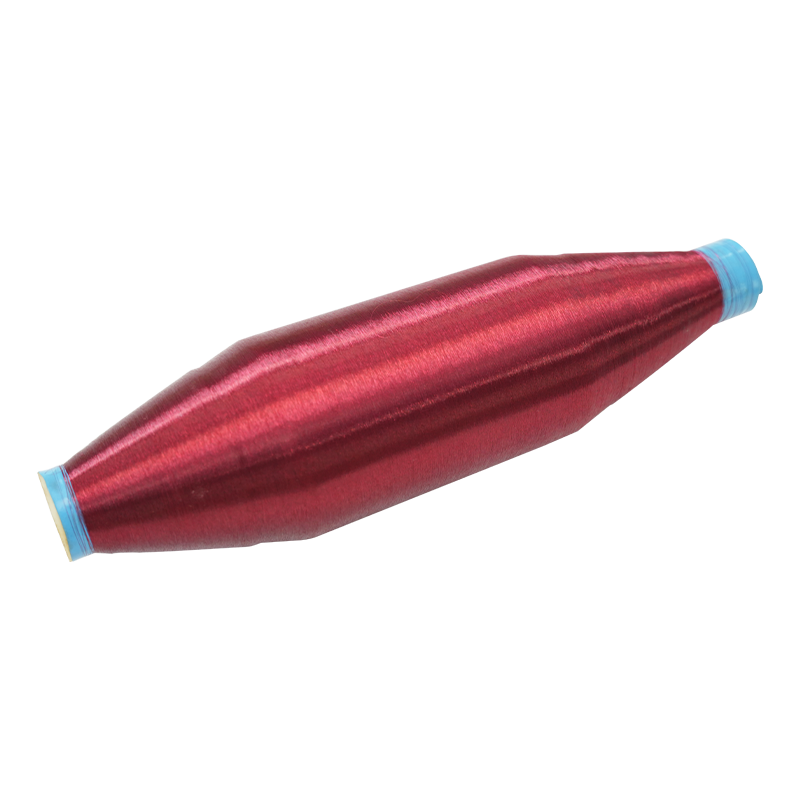
Antiviral nylon Monofilament Yarn can inhibit the survival of viruses on the surface of the yarn, which can effectively reduce the risk of virus transmission and improve user safety. The yarn has a mo...
See Details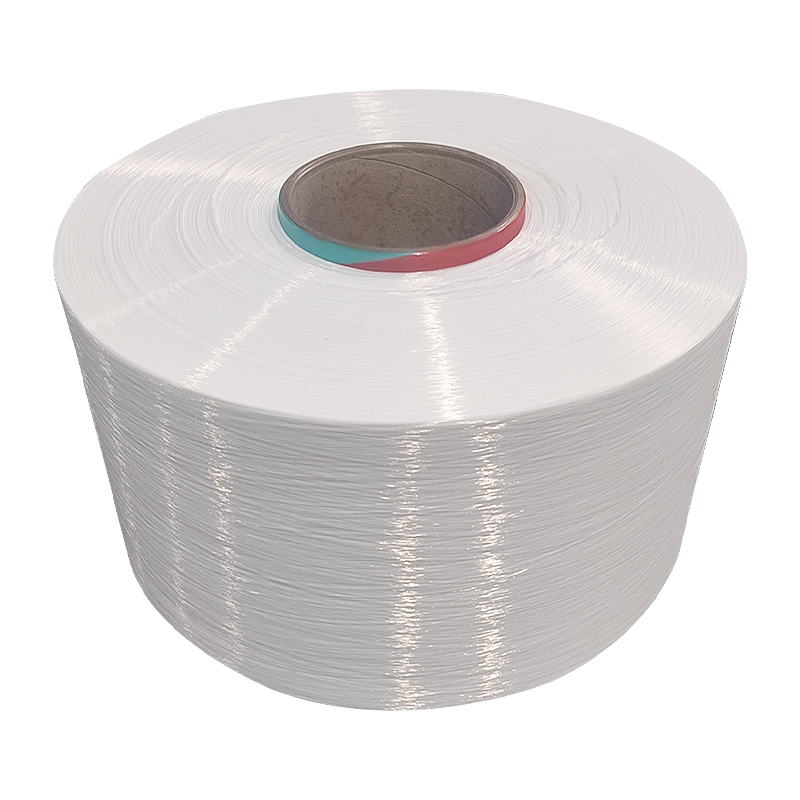
Colored Nylon Mother Yarn can be processed through spinning, drawing, dyeing and other processes to meet the needs of different textiles. It has good processing adaptability and can be made into vario...
See Details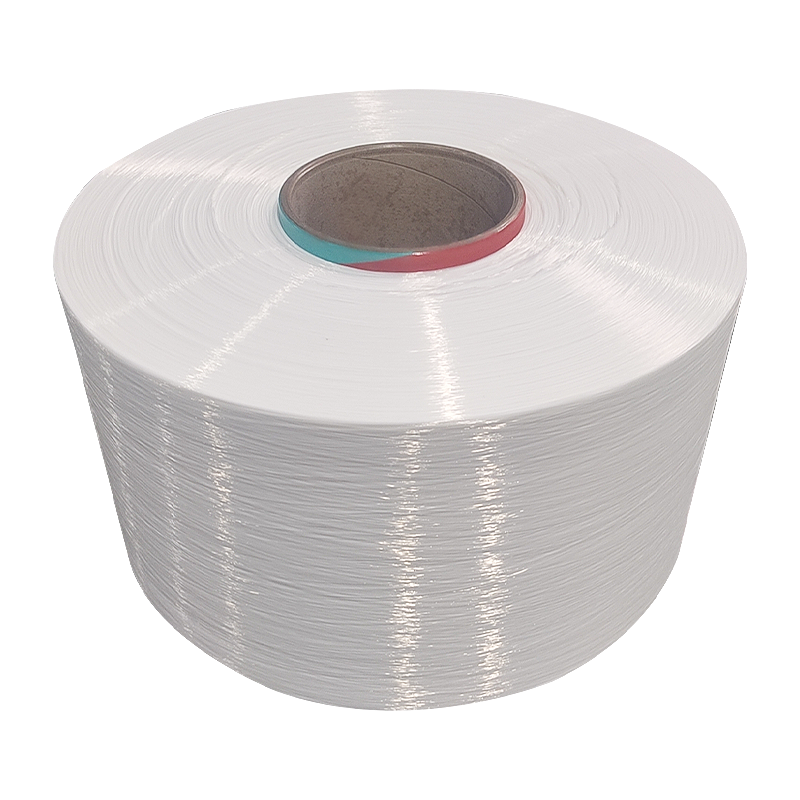
300D Nylon Mother Yarn is made of nylon material, a synthetic fiber with abrasion resistance, strength and durability. It is therefore suitable for manufacturing various types of textiles, such as clo...
See Details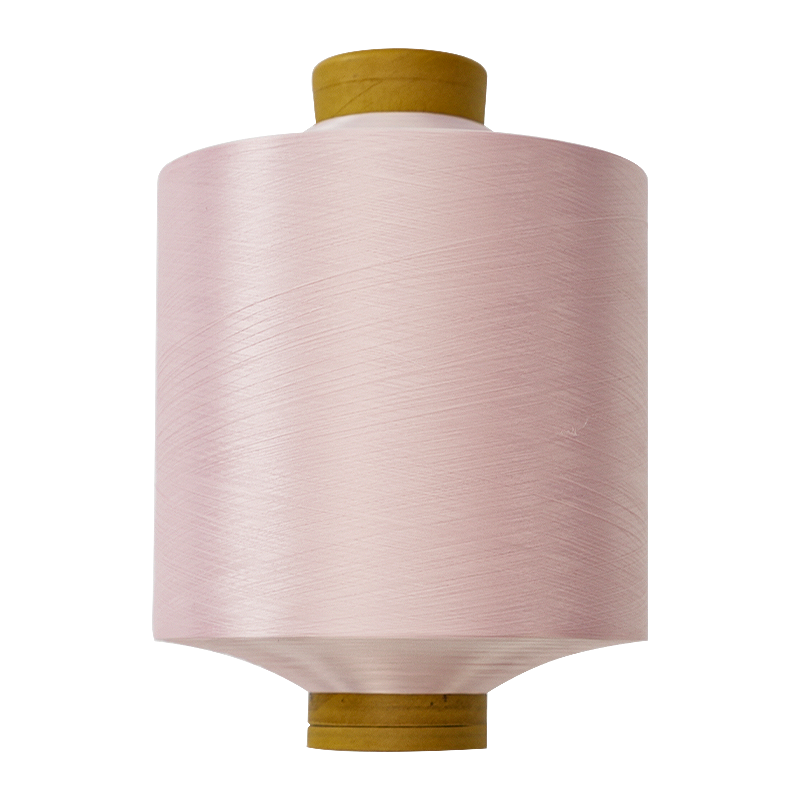
Nylon Elastic Yarn has elasticity and can quickly return to its original shape after stretching. This high elasticity makes the fabrics stretchable and comfortable. Nylon material has good wear resist...
See Details
Nylon stretch sportswear yarn is a yarn used to make sportswear and other clothing that require high breathability. Nylon fiber has good breathability, which helps to wick away perspiration and keep t...
See Details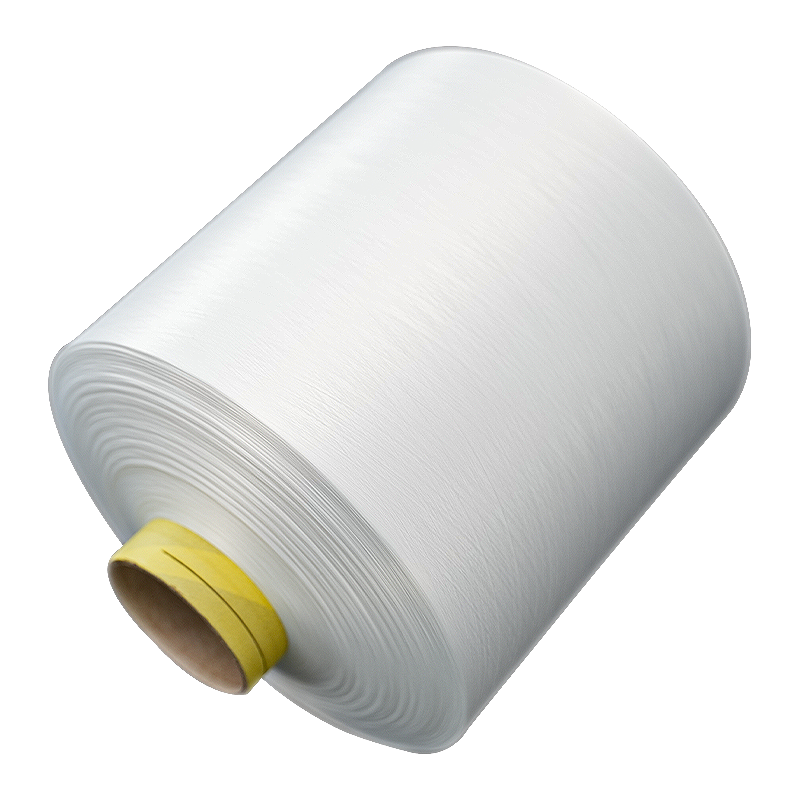
Nylon elastic yarn for textile use has a wide range of applications. Nylon elastic yarn is suitable for the manufacture of various textiles, such as underwear, socks, sportswear, swimwear, elastic fab...
See Details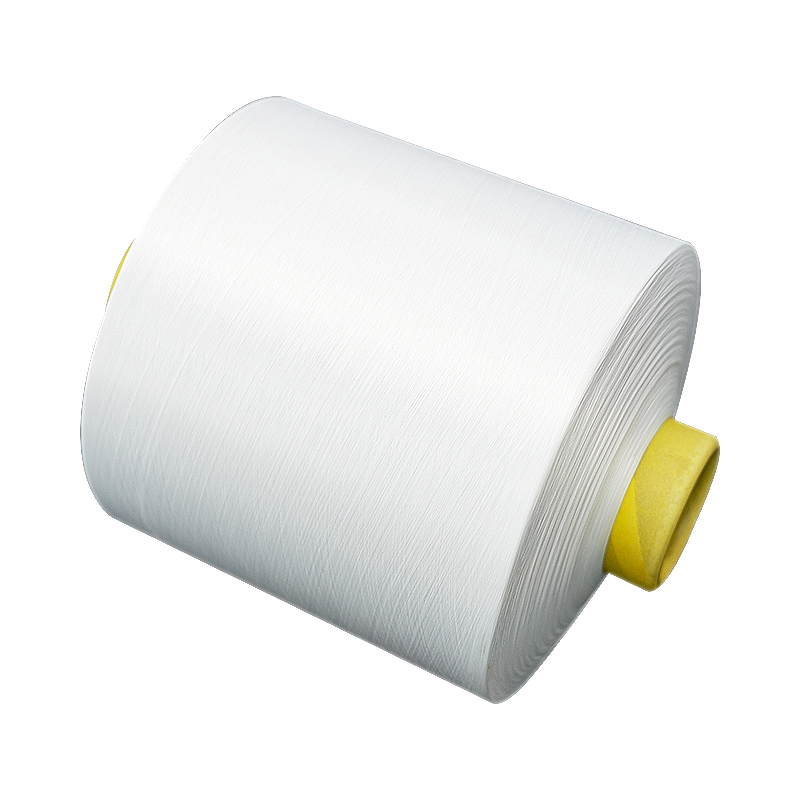
100D Nylon Elastic Yarn has a moderate thickness and good dyeing properties, which can achieve uniform and durable dyeing effects, making textiles bright and long-lasting in color. A yarn frequently u...
See Details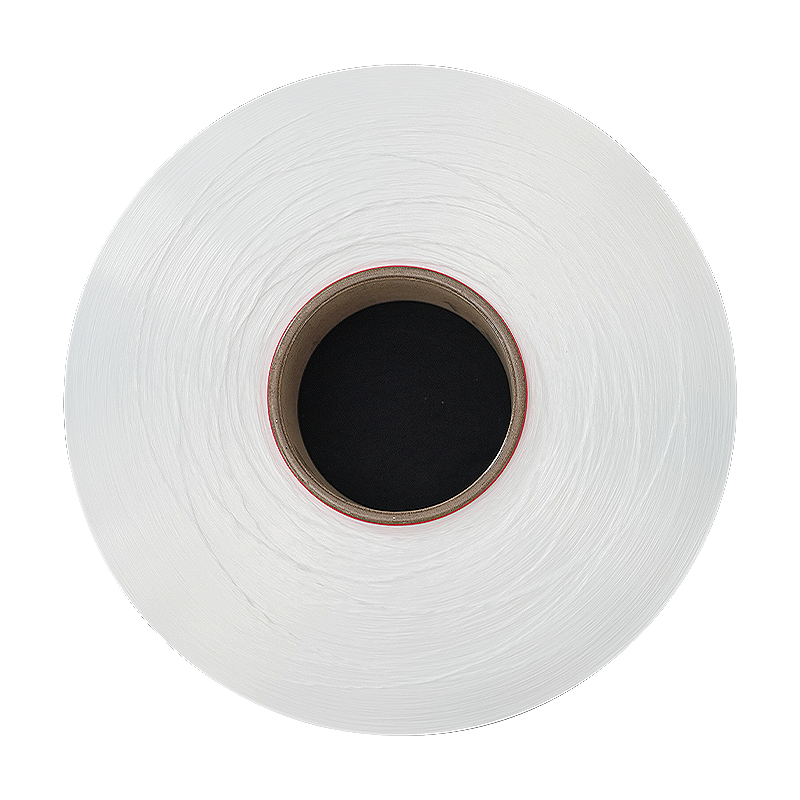
Fully stretched polyester blended yarn is made of a blend of polyester and nylon. Polyester itself has good wear resistance. After full stretch processing, the strength and softness of the yarn increa...
See Details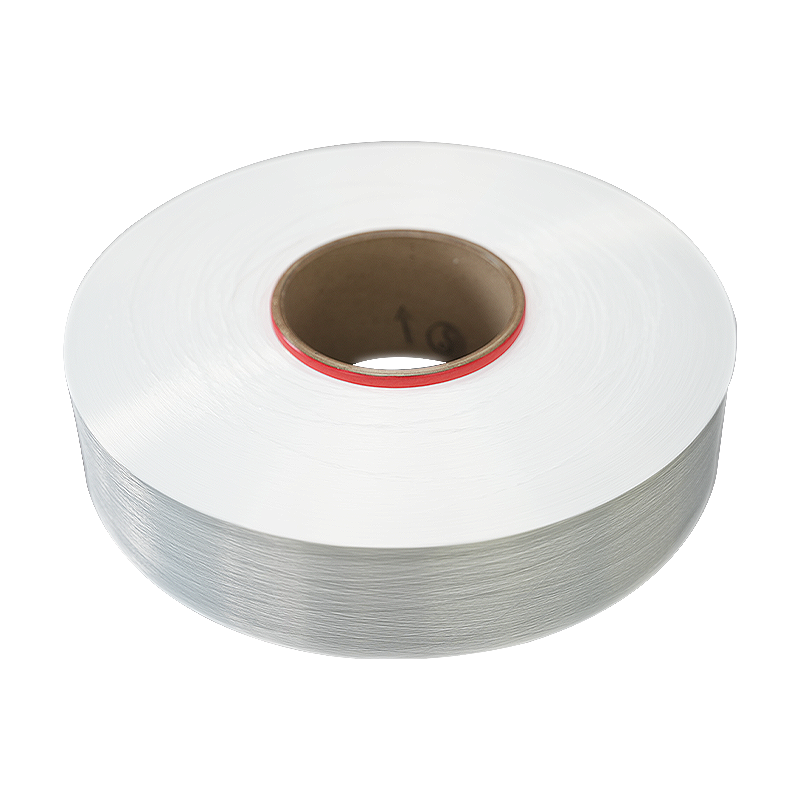
Low-melt textile FDY yarn can bond with other fibers at a certain temperature to form a strong fabric structure. This property makes it ideal for manufacturing synthetic or reinforced fabrics. This ki...
See Details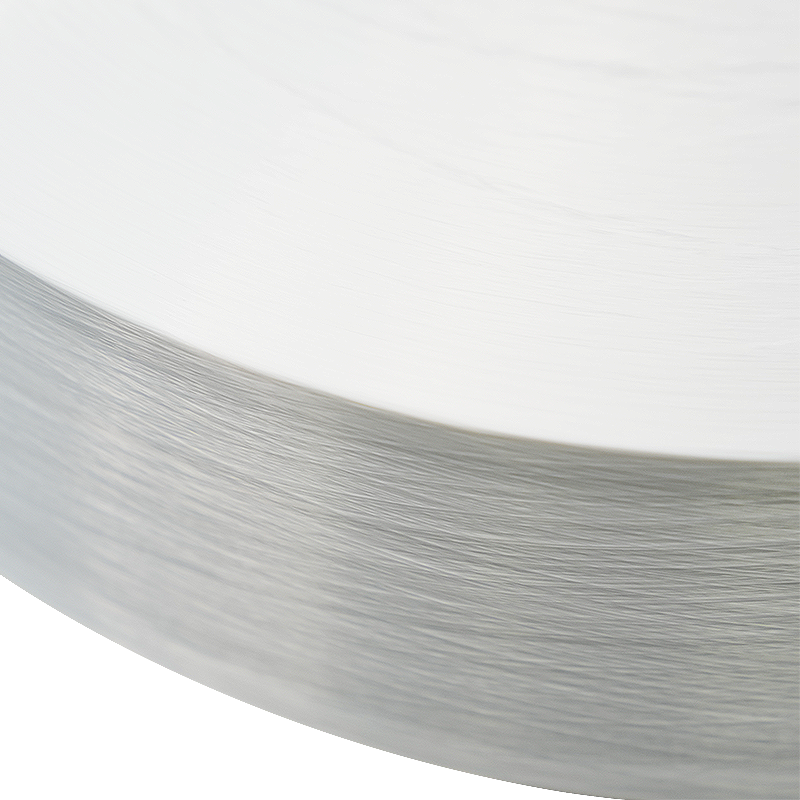
Cooling brushed durable FDY yarn has high durability and is suitable for manufacturing textiles that require wear resistance and durability. It is not easy to wear out after long-term use. Textiles of...
See Details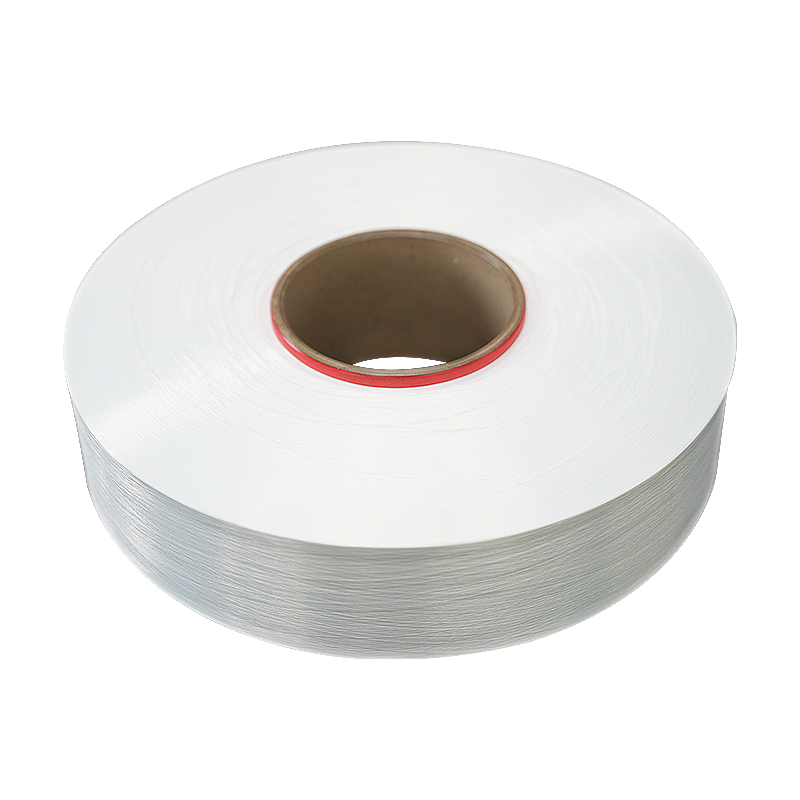
210D Permanent Cooling FDY Yarn is suitable for the manufacture of various textiles, such as sportswear, outdoor equipment, household items, etc. Textiles made of this material often have good breatha...
See Details
Stretch durable FDY yarn has good elasticity and can return to its original shape after being stressed, giving the textile a comfortable wearing feel and good ductility. It can fit the contours of the...
See DetailsAddress: Duntou industrial park, haian county, nantong city,jiangsu province ,China.
TEL: +86 15850491859
E-mail: sales-betty@hsnylon.com
If You Are Interested In Our Products, Please Consult Us
 Wholesale Nylon Filament Yarn Manufacturers