
 English
 中文简体
中文简体
 русский
 Español
 عربى
عربى
Product Consultation
Your email address will not be published. Required fields are marked *
Low melt FDY yarn is used in a wide range of textile processing environments where bonding, composite formation, and thermal adhesion are required. Its performance is often evaluated based on strength and elongation at break, as these two indicators reflect how the yarn behaves during stretching, weaving, or thermoforming. The stability of these properties determines whether the yarn can maintain consistent performance when used in apparel accessories, industrial fabrics, interlinings, filtration textiles, and composite materials. Many manufacturers rely on controlled polymer formulations and process optimization to maintain predictable behavior in different operating environments.
The tensile strength of low melt FDY yarn is dependent on a combination of polymer composition, molecular structure, draw ratio, quenching conditions, and spinning speed. During production, stability is influenced by how consistently each of these factors is controlled. A steady draw ratio ensures the polymer chains are oriented evenly, while stable cooling conditions help create uniform crystallization. If processing fluctuations occur, the yarn structure may become uneven, leading to variations in strength. Therefore, modern production systems often incorporate temperature control, spinning pressure stability, and online quality monitoring to limit unexpected variations in tensile properties. These measures help maintain steady force resistance when the yarn is used in weaving, knitting, or bonding applications.
Elongation at break reflects how far the yarn can stretch before failure. In low melt FDY yarn, this parameter is largely affected by polymer molecular weight distribution, chain mobility, and the thermal profile used during spinning. A balanced polymer structure with controlled chain flexibility helps maintain uniform elongation behavior. If molecular weight distribution is too broad, sections with different flexibility may form, leading to inconsistent elongation rates. Additionally, spinning temperature influences chain alignment; precise thermal control supports stable molecular arrangement. By optimizing polymer structure and processing conditions, manufacturers aim to maintain elongation stability suitable for applications such as laminating, composite reinforcement, and adhesive bonding where predictable deformation is essential.
The following table outlines common process parameters and material characteristics that influence the stability of both strength and elongation at break in low melt FDY yarn.
| Influencing Factor | Impact on Strength | Impact on Elongation at Break |
|---|---|---|
| Polymer Molecular Structure | Affects chain orientation and resistance to breakage | Impacts flexibility and stretchability |
| Spinning Temperature | Supports consistent polymer flow and crystallization | Influences chain mobility and elongation stability |
| Draw Ratio | Higher consistency improves tensile uniformity | Excessive draw may reduce elastic behavior |
| Cooling and Quenching Control | Affects crystallinity and structural uniformity | Helps maintain even molecular distribution |
| Material Purity | Reduces defects that weaken the yarn | Minimizes weak points affecting stretch behavior |
Production consistency plays a major role in determining whether low melt FDY yarn maintains stable strength and elongation values. Stable tension control during winding prevents micro-defects that could lower strength. Precise metering pumps ensure that polymer flow remains steady, avoiding variations in yarn diameter. Moreover, the filtration system affects purity: when contaminants or gels are removed effectively, the yarn’s structural integrity becomes more stable. Advanced spinning lines use automated control loops that adjust heating, pressure, and quenching parameters in real time. These systems help minimize fluctuations, allowing the yarn to achieve more predictable performance during downstream textile operations.
Environmental conditions during storage and use may also influence the stability of strength and elongation. Low melt FDY yarn is sensitive to temperature, humidity, and UV exposure. Excessive moisture may soften the polymer temporarily, altering its tensile properties. Temperature changes can influence molecular relaxation, which may slightly shift elongation behavior. Although these effects are usually temporary, long-term exposure to high humidity or elevated temperatures may lead to gradual property changes. Manufacturers often pack the yarn in moisture-resistant materials and recommend controlled storage environments to maintain stability before processing.
To confirm stability, standardized tensile tests are performed on samples produced under identical conditions. Tests typically involve measuring the force required to break the yarn and the strain at which it fails. Multiple samples from different production batches help evaluate whether variations are within acceptable limits. Testing machines maintain fixed temperature and humidity to avoid external influences on results. These controlled tests provide data on process reliability and help verify whether the yarn meets specifications required in bonding, reinforcement, or composite applications. Stable test results indicate that the production process is well-managed and that the yarn is likely to perform predictably.
The table below lists standard parameters used in tensile testing to assess strength and elongation stability in low melt FDY yarn.
| Testing Parameter | Description |
|---|---|
| Gauge Length | Distance between clamps, adjusted based on yarn type |
| Extension Rate | Speed at which the yarn is stretched during testing |
| Temperature and Humidity | Controlled environment to prevent external influence on results |
| Sample Conditioning Time | Period allowing yarn to equilibrate before testing |
| Number of Test Samples | Used to determine consistency and detect variability |
Material formulation is important when assessing the stability of tensile strength and elongation. Additives such as stabilizers, lubricants, and anti-static agents influence the polymer's mechanical behavior. A balanced formulation supports stable structural characteristics, while inconsistent additive distribution may cause property variations. Some formulations incorporate copolymers to adjust melting point and flexibility, which can enhance stability during thermal bonding. Understanding the interaction between these additives and the polymer matrix helps manufacturers create yarns with more consistent performance across different processing environments.
Low melt FDY yarn is often exposed to heat during bonding, lamination, or composite formation. The stability of strength and elongation depends on how the yarn responds to these thermal conditions. If the yarn is heated near its melting range, partial softening may occur, influencing its ability to maintain tensile resistance. Controlled heating helps retain structural reliability, while excessive heat may lead to shrinkage or changes in elongation characteristics. Understanding these thermal influences is important for applications where the yarn functions as a bonding layer or reinforcement material.
The stability of strength and elongation at break in low melt FDY yarn depends on polymer structure, processing conditions, material purity, storage environment, and end-use thermal exposure. When production systems maintain stable parameters and testing confirms consistent results, the yarn can generally deliver predictable performance in bonding and composite applications. Stability is particularly important for industries that require reliable deformation behavior and consistent bonding strength. Through controlled manufacturing and careful handling, low melt FDY yarn can maintain mechanical performance aligned with specified requirements.
Does antiviral yarn affect the softness, breathability, or comfort of fabrics?
2025-11-19
Does nylon elastic yarn have chlorine and UV resistance properties?
2025-12-04Your email address will not be published. Required fields are marked *
Biodegradable nylon yarn biodegrades faster in the environment than traditional synthetic fibers, helping to reduce negative environmental impacts. It also has the properties of nylon fiber, such as h...
See Details
Single Strand Biodegradable Yarn is a single-strand structure, consisting of a single fiber bundle with no multiple strands tangled together. This structure makes the yarn softer, and smoother and exh...
See Details
60D woven Antiviral Yarn is thin overall and suitable for making light and soft textiles. Nylon fiber has a soft feel and good breathability. This yarn is usually used to weave fabrics and can be made...
See Details
Elastic high-performance polyamide multifilament refers to a synthetic fiber made from polyamide polymer (commonly known as nylon). Resilient and high-performance properties make it suitable for a var...
See Details
Colored Nylon Mother Yarn can be processed through spinning, drawing, dyeing and other processes to meet the needs of different textiles. It has good processing adaptability and can be made into vario...
See Details
The diameter of Durable woven nylon mother yarn is 240D, the fiber thickness is medium, and it is suitable for the manufacture of a variety of textiles. This product has good tensile strength and will...
See Details
Nylon stretch sportswear yarn is a yarn used to make sportswear and other clothing that require high breathability. Nylon fiber has good breathability, which helps to wick away perspiration and keep t...
See Details
Nylon composite yarn has high strength and toughness. Textiles made with Nylon composite yarn have good stretch resistance and tear resistance. This yarn has a wide range of applications and can be us...
See Details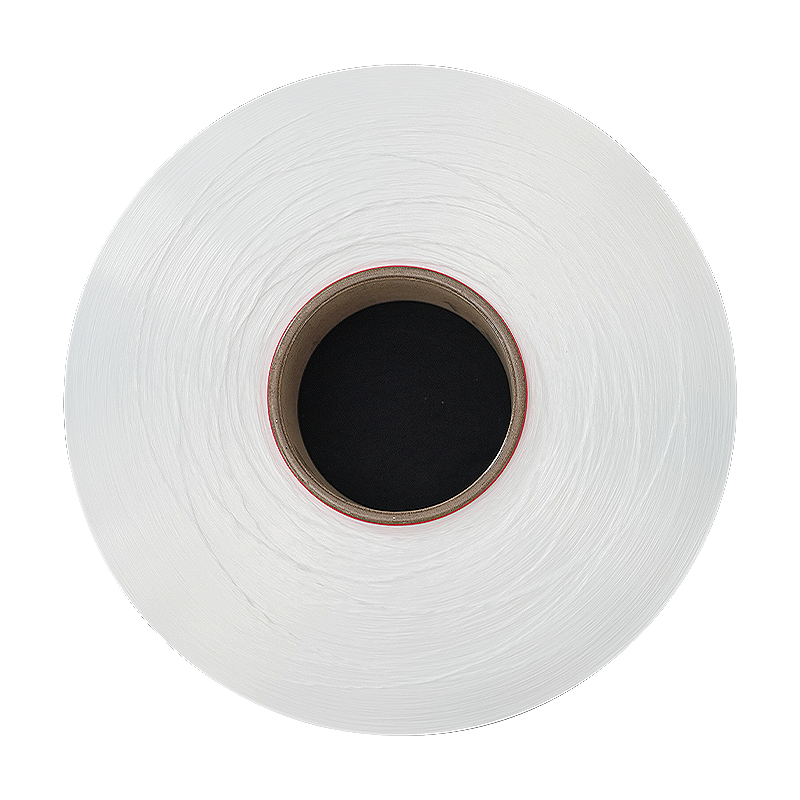
Fully stretched polyester blended yarn is made of a blend of polyester and nylon. Polyester itself has good wear resistance. After full stretch processing, the strength and softness of the yarn increa...
See Details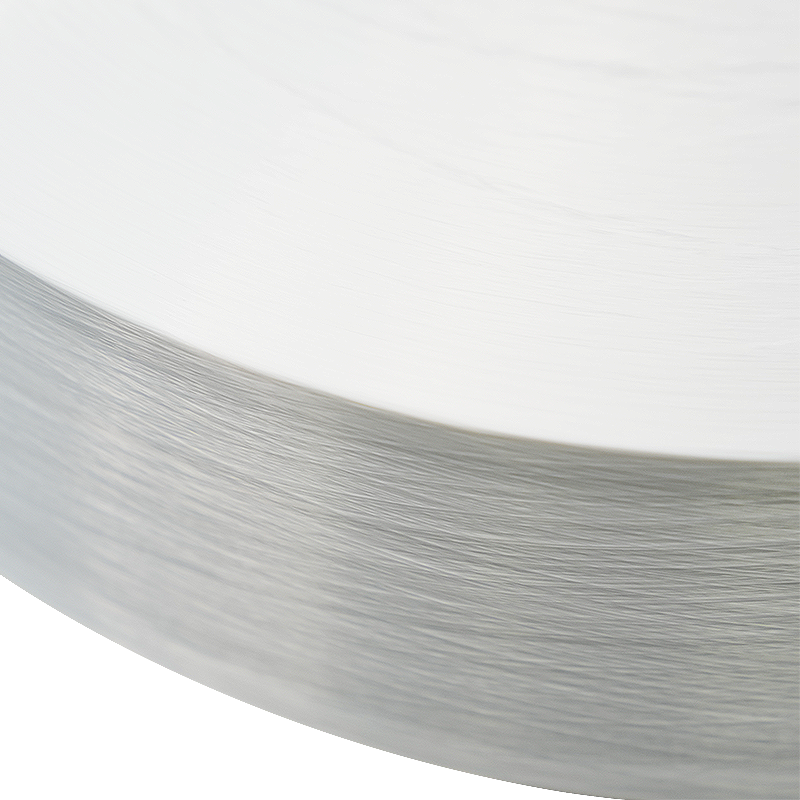
Cooling brushed durable FDY yarn has high durability and is suitable for manufacturing textiles that require wear resistance and durability. It is not easy to wear out after long-term use. Textiles of...
See Details
210D Permanent Cooling FDY Yarn is suitable for the manufacture of various textiles, such as sportswear, outdoor equipment, household items, etc. Textiles made of this material often have good breatha...
See Details
The fibers of 210D water-repellent yarn are relatively thick, making the yarn highly wear-resistant and durable, making it suitable for long-term use. Composite fiber enables yarn to have the advantag...
See DetailsAddress: Duntou industrial park, haian county, nantong city,jiangsu province ,China.
TEL: +86 15850491859
E-mail: sales-betty@hsnylon.com
If You Are Interested In Our Products, Please Consult Us
 Wholesale Nylon Filament Yarn Manufacturers