
 English
 中文简体
中文简体
 русский
 Español
 عربى
عربى
Product Consultation
Your email address will not be published. Required fields are marked *
Antiviral yarn is a relatively new concept in the textile industry, designed to reduce the spread of viruses and bacteria on fabrics. The yarns are typically treated with antiviral agents that can inhibit the growth and transmission of harmful microorganisms. With growing concerns over hygiene, especially in the context of global health issues, antiviral yarn has become an appealing option for a wide range of applications, including medical textiles, clothing, and home fabrics. However, as with any new technology, it’s important to examine how the inclusion of antiviral properties affects the overall performance of the fabric, particularly in areas like softness, breathability, and comfort. This article explores whether antiviral yarn impacts these key fabric characteristics and how it compares to traditional yarns used in fabrics.
Antiviral yarn is yarn that has been treated or infused with substances that prevent or reduce the activity of viruses on fabric surfaces. These treatments are typically based on chemical agents like silver ions, copper, or other antimicrobial substances that have been shown to have antiviral properties. The idea is that by integrating these agents into the yarn, the fabric will inhibit the growth of viruses and bacteria, making it a more hygienic material. Antiviral yarn is commonly used in medical textiles, protective clothing, and products like face masks, bedding, and upholstery. The main advantage of antiviral yarn is that it provides a layer of protection against harmful pathogens, helping to reduce the risk of infections and illnesses that can be spread through surface contact.
Softness is one of the most important factors when it comes to choosing fabrics for everyday use, especially in clothing and bedding. Fabrics that are too stiff or uncomfortable are likely to be avoided, no matter how functional they may be. When antiviral treatments are applied to yarn, there is a common concern that the process may negatively affect the softness of the fabric. Some antiviral treatments, especially those involving metallic compounds like silver or copper, can cause yarns to feel firmer or more rigid due to the nature of the chemicals involved. This is because certain antiviral agents might bond to the yarn fibers, potentially altering their texture.
However, advancements in the textile industry have led to the development of antiviral yarns that maintain a high level of softness. Many manufacturers use nanoscale treatments or coatings that do not overly impact the fiber’s natural feel. Additionally, some antiviral yarns are blended with softer, natural fibers like cotton or silk to ensure that the antiviral treatment does not compromise the softness of the fabric. In these cases, the antiviral properties are integrated without significantly altering the inherent softness of the material. The final softness of a fabric made with antiviral yarn often depends on the type of yarn used and the method of treatment applied.
Breathability is another critical property of fabric, particularly in items such as activewear, undergarments, and bedding. Fabrics that lack breathability can lead to discomfort, heat buildup, and the growth of bacteria, which is counterproductive in the context of hygiene. The introduction of antiviral agents into yarn could potentially affect the breathability of the fabric. Some antiviral treatments can coat the yarn fibers in a way that may reduce the air permeability of the fabric, making it less breathable and more prone to trapping heat and moisture.
That said, the impact on breathability largely depends on the type of antiviral treatment used. For example, some silver-based treatments are designed to be microencapsulated, which means they are coated in such a way that they do not block the air pathways of the fabric. In these cases, the fabric can maintain its natural breathability while still providing antiviral protection. Similarly, antiviral yarns that are used in blends with natural fibers such as cotton or wool tend to retain their breathability due to the porous nature of these fibers. Research and development in the textile industry are focused on optimizing antiviral treatments to ensure they can be effective without compromising important fabric properties like breathability.
Comfort is a key consideration in the selection of fabrics, particularly when it comes to clothing and textiles that are in constant contact with the skin. The inclusion of antiviral treatments can sometimes raise concerns about the overall comfort of fabrics, as some treatments may result in fabrics that feel harsher or less flexible. The comfort of a fabric is influenced not only by its softness and breathability but also by how well it stretches and conforms to the body.
While antiviral yarns have the potential to affect the feel of the fabric, it is important to note that many antiviral yarns are engineered to retain their comfort characteristics. For instance, some antiviral yarns are made by combining synthetic fibers with natural fibers that have inherent softness, stretch, and flexibility. This allows the fabric to maintain its comfort level while still offering the added benefit of antiviral properties. Additionally, because the antiviral agents are often applied in microscopic quantities, they do not interfere significantly with the fabric’s ability to stretch, move, or feel comfortable on the skin.
Durability is another important factor to consider when evaluating fabrics made with antiviral yarn. Fabrics that undergo frequent washing and wear, such as clothing or bedding, need to maintain their strength and effectiveness over time. The durability of antiviral yarn can vary depending on the type of treatment used and how well it integrates into the fiber. Some antiviral treatments may degrade over time with repeated washing, reducing the effectiveness of the yarn in preventing the spread of viruses and bacteria.
However, many manufacturers design antiviral yarns with long-lasting properties in mind. Some treatments are applied in a way that ensures they remain effective for hundreds of washes, without significant loss of antiviral efficacy. This can be particularly important for fabrics used in healthcare settings or other environments where hygiene is critical. Additionally, the durability of the fabric itself will depend on the quality of the base fibers used, with stronger, more resilient fibers providing better overall durability. Overall, when choosing antiviral yarn fabrics, it is essential to consider not only the effectiveness of the treatment but also how well the fabric will hold up to regular use and cleaning.
When comparing fabrics made with antiviral yarn to traditional fabrics, the main difference lies in the added protection against microorganisms. Traditional fabrics, such as cotton, polyester, or nylon, are typically not treated with antimicrobial or antiviral agents, meaning they can harbor bacteria, viruses, and other pathogens over time. While these fabrics can still be comfortable, breathable, and soft, they do not offer the same level of hygiene protection as antiviral yarn fabrics.
In terms of softness, breathability, and comfort, many antiviral yarn fabrics can perform similarly to their traditional counterparts, especially when the antiviral treatment is properly engineered. However, the key advantage of antiviral yarn lies in its ability to provide an extra layer of protection against harmful microorganisms without significantly compromising other fabric properties. With advancements in textile technology, antiviral yarn fabrics are increasingly being designed to maintain the same high levels of comfort, softness, and breathability found in non-treated fabrics.
| Fabric Property | Antiviral Yarn Fabrics | Traditional Fabrics |
|---|---|---|
| Softness | Can be soft, especially with proper blending and treatment | Varies by material (cotton, silk, etc.) |
| Breathability | Maintained with certain treatments (e.g., microencapsulation) | Generally high in natural fabrics (cotton, linen) |
| Comfort | Maintained with proper design and fiber blend | Highly comfortable depending on fabric type |
| Durability | Long-lasting if treated properly, may lose efficacy with excessive washing | Varies by fabric, generally durable for everyday use |
| Hygiene Protection | Provides protection against viruses and bacteria | No built-in antimicrobial or antiviral properties |
How to test the durability and long-term performance of nylon multifilament yarn?
2025-11-12
Are the strength and elongation at break of low melt FDY yarn stable?
2025-11-26Your email address will not be published. Required fields are marked *
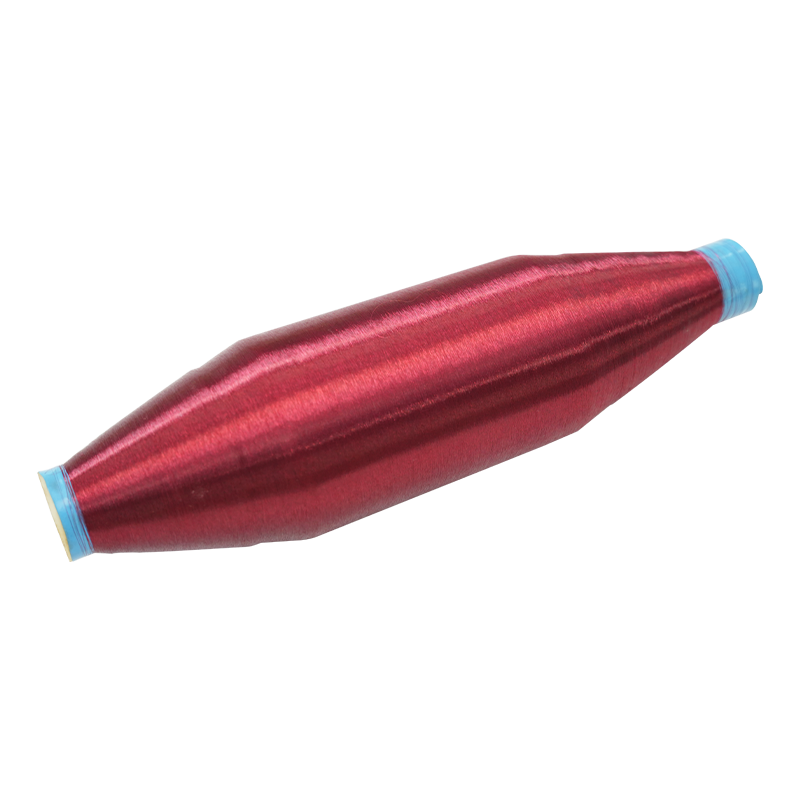
Antiviral nylon Monofilament Yarn can inhibit the survival of viruses on the surface of the yarn, which can effectively reduce the risk of virus transmission and improve user safety. The yarn has a mo...
See Details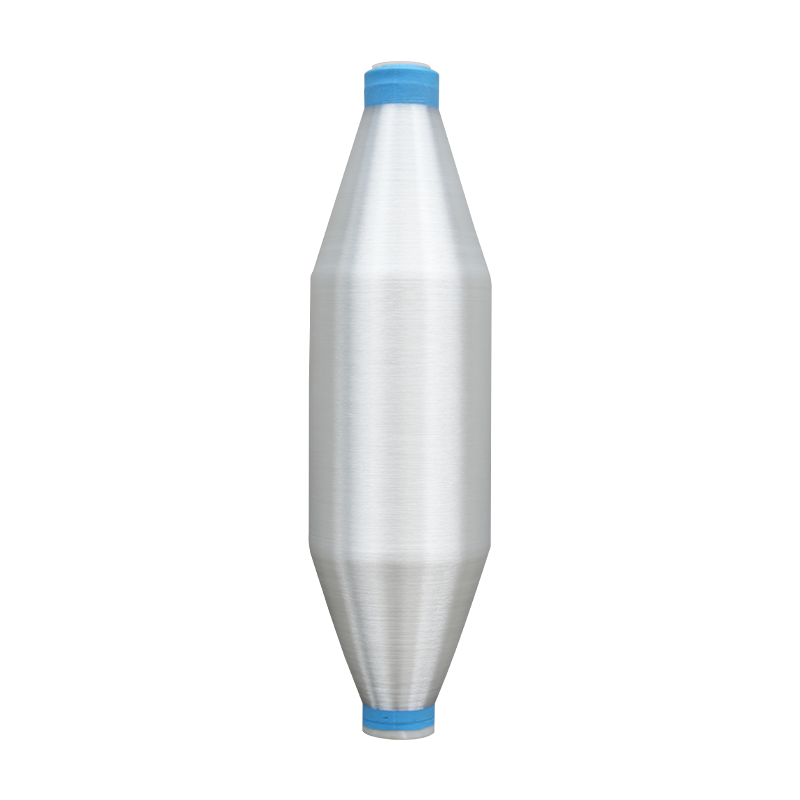
60D woven Antiviral Yarn is thin overall and suitable for making light and soft textiles. Nylon fiber has a soft feel and good breathability. This yarn is usually used to weave fabrics and can be made...
See Details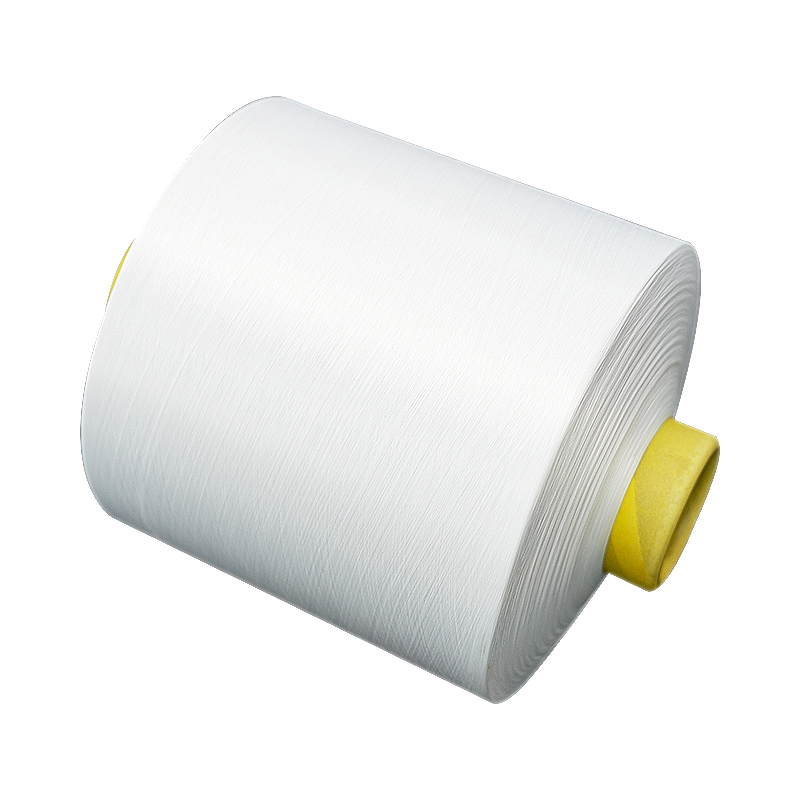
100D Nylon Elastic Yarn has a moderate thickness and good dyeing properties, which can achieve uniform and durable dyeing effects, making textiles bright and long-lasting in color. A yarn frequently u...
See Details
Polyester blended FDY yarn is a standard 50D yarn made from a blend of polyester and nylon. It combines the characteristics of both fibers and has durability and breathability. It has a wide range of ...
See Details
Polyester FDY yarn for weaving has high strength. After FDY yarn is fully stretched, the strength is even better and is suitable for manufacturing fabrics requiring high strength. The fabric made usin...
See Details
Nylon composite yarn has high strength and toughness. Textiles made with Nylon composite yarn have good stretch resistance and tear resistance. This yarn has a wide range of applications and can be us...
See Details
Fully stretched polyester blended yarn is made of a blend of polyester and nylon. Polyester itself has good wear resistance. After full stretch processing, the strength and softness of the yarn increa...
See Details
210D Polyester Nylon Composite FDY yarn is a composite fiber yarn. FDY is a mixture of polyester and nylon fibers. It combines the advantages of the two fibers, the abrasion resistance of polyester an...
See Details
Low-melt textile FDY yarn can bond with other fibers at a certain temperature to form a strong fabric structure. This property makes it ideal for manufacturing synthetic or reinforced fabrics. This ki...
See Details
High shrinkage blended polyester yarn has a high shrinkage rate and is suitable for textile manufacturing that requires shrinkage treatment, such as making pleated fabrics or textile shaping. Because ...
See Details
Composite fiber yarn for textile use consists of 48 monofilaments. Relatively thin and composed of multiple filaments, it adds softness and texture to the fabric. This product is suitable for the manu...
See Details
Water-repellent high Filament spun yarn has strong water resistance, providing an extremely delicate touch while retaining strength. Suitable for a wide range of applications from intricate embroidery...
See DetailsAddress: Duntou industrial park, haian county, nantong city,jiangsu province ,China.
TEL: +86 15850491859
E-mail: sales-betty@hsnylon.com
If You Are Interested In Our Products, Please Consult Us
 Wholesale Nylon Filament Yarn Manufacturers