
 English
 中文简体
中文简体
 русский
 Español
 عربى
عربى
Product Consultation
Your email address will not be published. Required fields are marked *
Definition and basic properties of nylon monofilament yarn
Nylon monofilament yarn is a type of yarn made of nylon (polyamide) material, which usually has high strength and elasticity. It is made by high-temperature melt spinning technology to make nylon material into long and thin monofilaments, which are widely used in the manufacture of various industrial and consumer products. Due to its characteristics, nylon monofilament yarn shows unique advantages and disadvantages compared with other yarn materials in many application fields.
Advantages of nylon monofilament yarn
High strength and durability
Nylon monofilament yarn is generally superior to many other yarns, such as cotton yarn and some polyester yarns in terms of tensile strength. Nylon itself has a high tensile strength, which makes the monofilament yarn made from it show strong durability in applications, especially suitable for scenes that require high strength and wear resistance, such as fishing nets, screens, etc.
Good elasticity and recovery
Nylon monofilament yarn has good elasticity and can recover its original shape well after being stretched by external force. This feature makes it often more durable and resistant to deformation than cotton yarn, polyester yarn, etc. in the production of fabrics. For example, nylon is often used to make sports equipment, elastic fabrics, etc.
Strong wear resistance
The molecular structure of nylon material gives it extremely strong wear resistance. Compared with other natural fibers (such as cotton fibers) or some synthetic fibers (such as polyester fibers), nylon monofilament yarn is not easy to wear during long-term use, and is particularly suitable for use in high-friction environments, such as mechanical filtration and transportation equipment.
High chemical resistance
Nylon monofilament yarn has good chemical corrosion resistance and can withstand the erosion of some weak acids and weak bases. This makes it suitable for some special environments in the industrial field, such as chemical transportation, cleaning equipment, etc.
Good UV resistance
Although nylon monofilament yarn will age when exposed to sunlight for a long time, it has stronger UV resistance than cotton yarn and can be used outdoors for a longer time. It is particularly suitable for manufacturing outdoor products such as tents, sunshade nets, etc.
Disadvantages of nylon monofilament yarn
Hygroscopicity and water absorption
Nylon monofilament yarn has a certain degree of hygroscopicity, which may affect its performance especially when used in a humid environment. In contrast, polyester and polypropylene yarns have poor hygroscopicity, so nylon monofilament yarn may not be as stable as other yarns in high humidity environments.
Poor high temperature resistance
Nylon fiber has poor high temperature resistance, and general nylon monofilament yarn is easy to deform or melt at temperatures above 150°C. Polyester yarn and some other synthetic fibers (such as aramid fiber) have stronger high temperature resistance, which limits the application of nylon monofilament yarn in high temperature environments.
Relatively high price
Nylon monofilament yarn is more expensive than other fiber materials (such as cotton yarn and polyester yarn). Due to the complex production process of nylon fiber and the high price of raw materials, the price of the final product is also relatively expensive. Therefore, in some products that require a large amount of textile materials, nylon may not be as cost-effective as other synthetic fibers.
Degradation after long-term exposure to ultraviolet rays
Although nylon monofilament yarn has certain UV resistance, it will degrade after long-term exposure to sunlight, resulting in reduced strength and embrittlement. In contrast, some synthetic fibers such as polyester have stronger UV resistance and can maintain good performance under long-term exposure.
Susceptible to oxidation and aging
Nylon fibers are sensitive to oxygen and humidity in the air. They are prone to oxidation and aging during long-term storage or use, which can cause the fibers to become fragile and break. This makes nylon monofilament yarn less performant than other materials, such as polypropylene or polyester, in some situations where long-term stability is required.
Comparison of nylon monofilament yarn with other yarns
Comparison with cotton yarn
Compared with cotton yarn, nylon monofilament yarn has higher strength, elasticity and abrasion resistance, and is suitable for more demanding industrial environments. However, cotton yarn has better moisture absorption and is suitable for the production of clothing with higher comfort requirements. Nylon yarn has poor heat resistance, while cotton yarn is more stable in hot environments.
Comparison with polyester yarn
Polyester yarn has many similarities with nylon monofilament yarn, such as higher strength and abrasion resistance. However, polyester yarn has worse moisture absorption and is suitable for environments with greater humidity. In addition, polyester has better high temperature resistance than nylon monofilament yarn, especially in high temperature environments, polyester yarn is more stable.
Comparison with polypropylene yarn
Polypropylene yarn generally has lower density, better chemical resistance and corrosion resistance, and is superior to nylon monofilament yarn in some applications that require lighter weight and corrosion resistance. However, polypropylene generally has lower strength and abrasion resistance, so nylon monofilament yarn performs better in some occasions that need to withstand larger loads.
How does bicomponent FDY yarn perform in terms of fabric functionality?
2025-06-24
What is the heat and chemical resistance of nylon monofilament yarn?
2025-07-09Your email address will not be published. Required fields are marked *
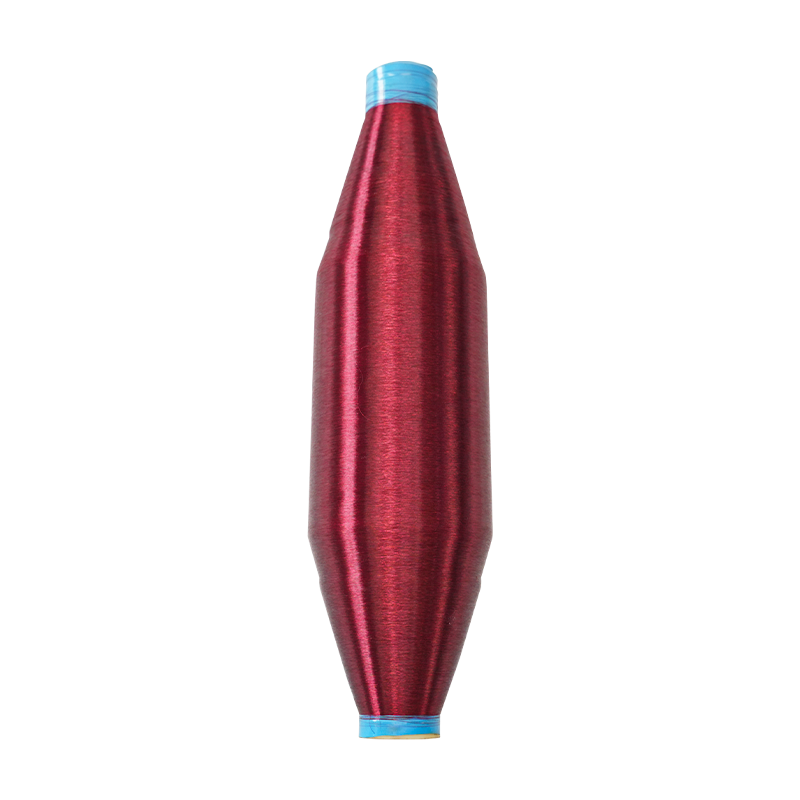
Biodegradable nylon yarn biodegrades faster in the environment than traditional synthetic fibers, helping to reduce negative environmental impacts. It also has the properties of nylon fiber, such as h...
See Details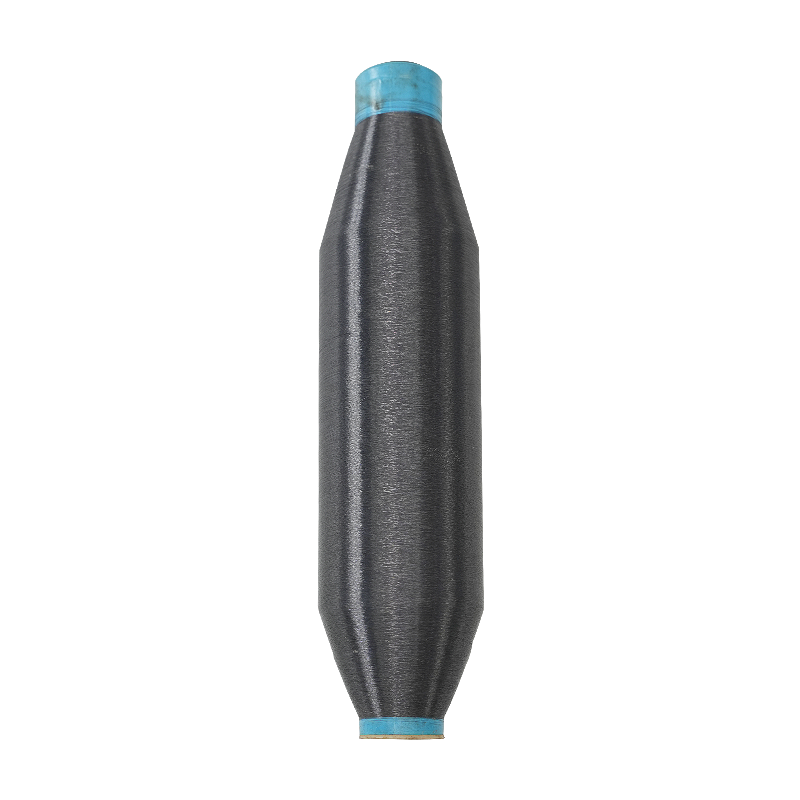
Nylon is a synthetic fiber with good strength and wear resistance, so 40D biodegradable yarn inherits the properties of nylon fiber. It has tensile strength, abrasion resistance and corrosion resistan...
See Details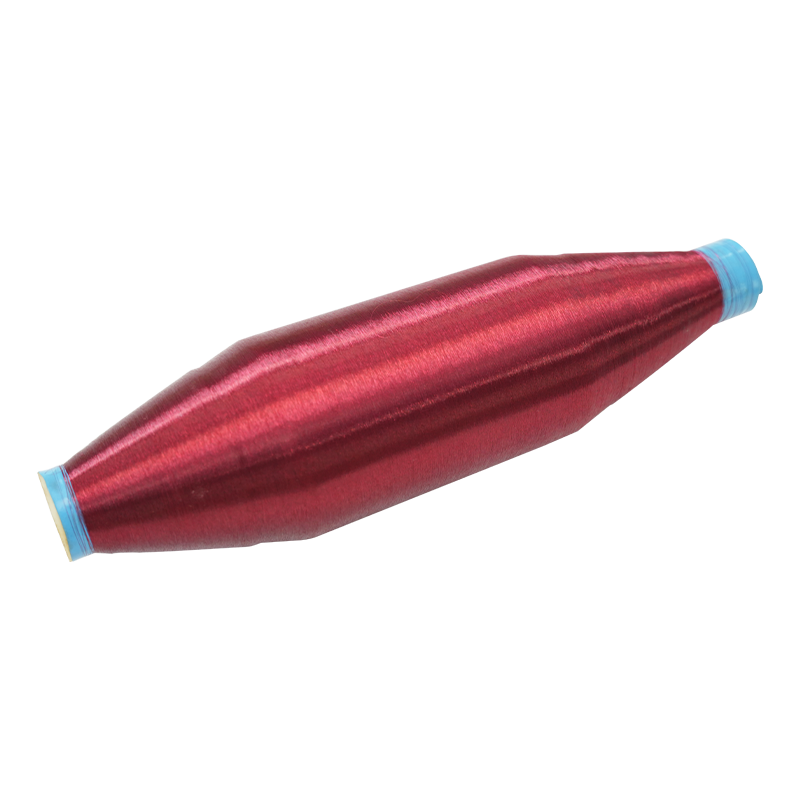
Antiviral nylon Monofilament Yarn can inhibit the survival of viruses on the surface of the yarn, which can effectively reduce the risk of virus transmission and improve user safety. The yarn has a mo...
See Details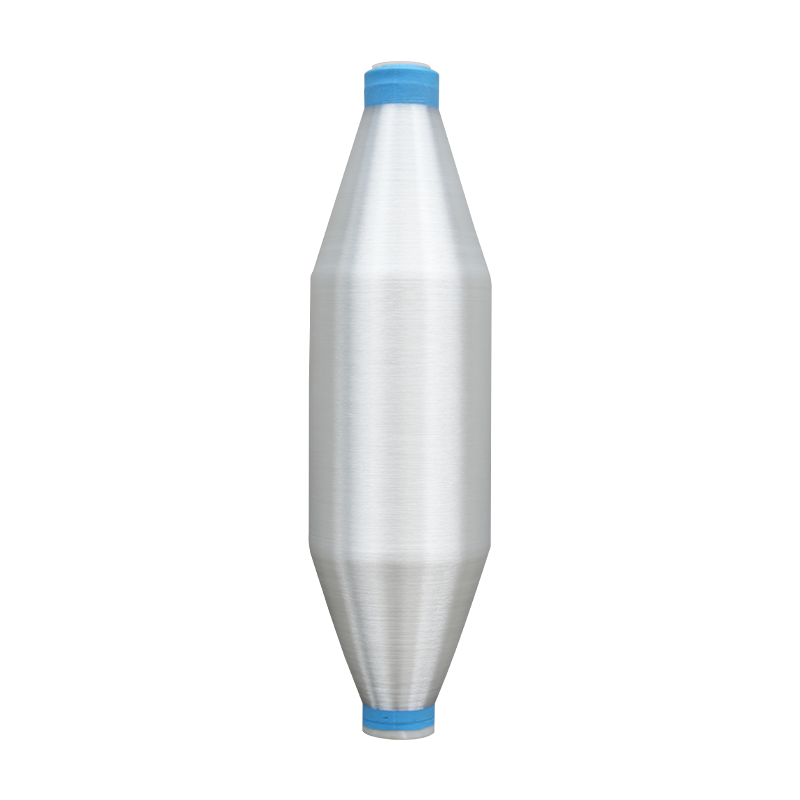
60D woven Antiviral Yarn is thin overall and suitable for making light and soft textiles. Nylon fiber has a soft feel and good breathability. This yarn is usually used to weave fabrics and can be made...
See Details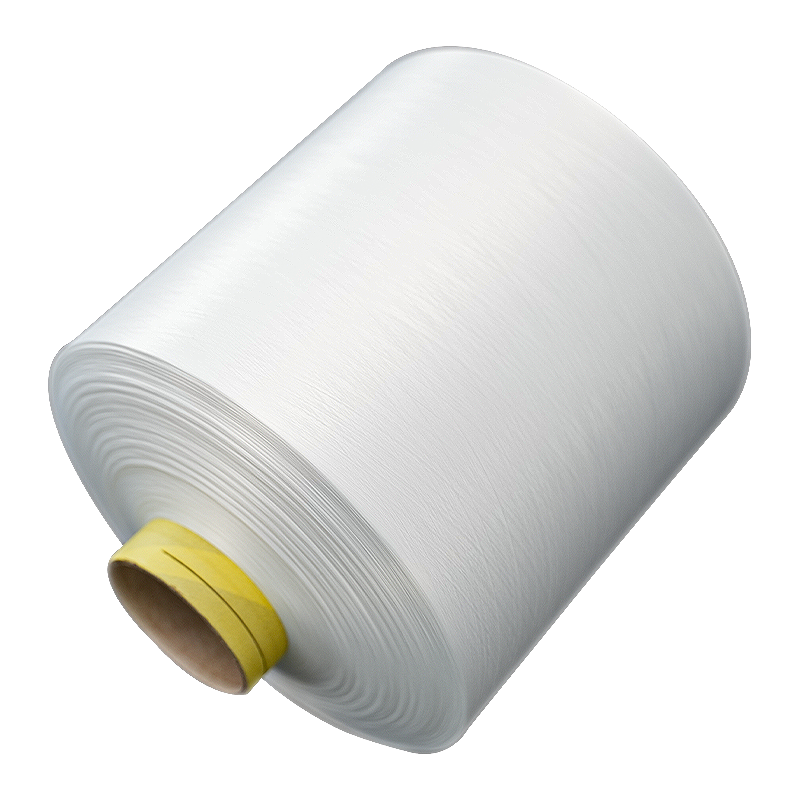
Nylon elastic yarn for textile use has a wide range of applications. Nylon elastic yarn is suitable for the manufacture of various textiles, such as underwear, socks, sportswear, swimwear, elastic fab...
See Details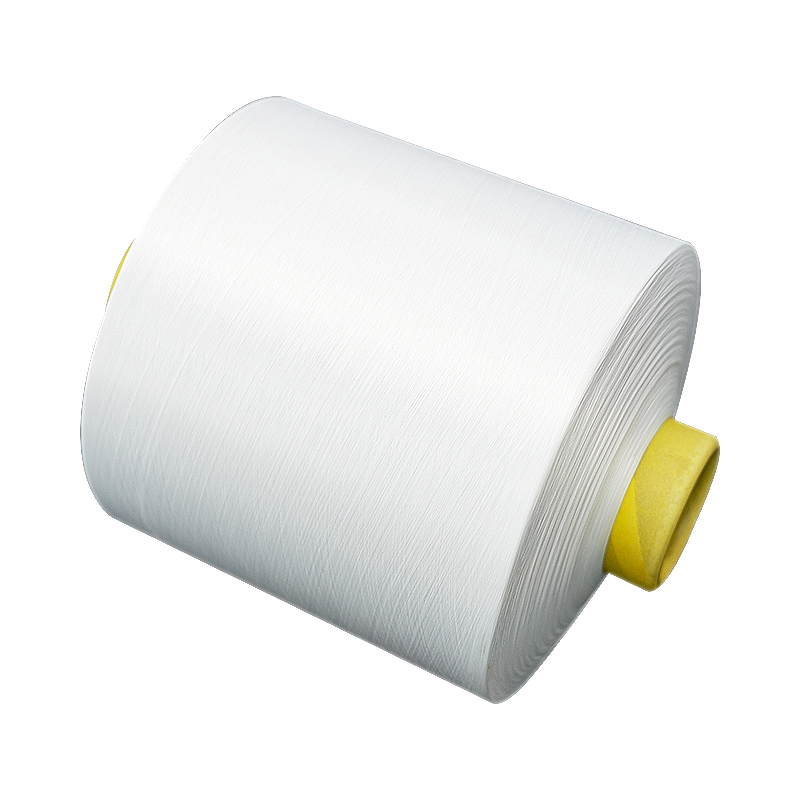
100D Nylon Elastic Yarn has a moderate thickness and good dyeing properties, which can achieve uniform and durable dyeing effects, making textiles bright and long-lasting in color. A yarn frequently u...
See Details
Fully stretched polyester blended yarn is made of a blend of polyester and nylon. Polyester itself has good wear resistance. After full stretch processing, the strength and softness of the yarn increa...
See Details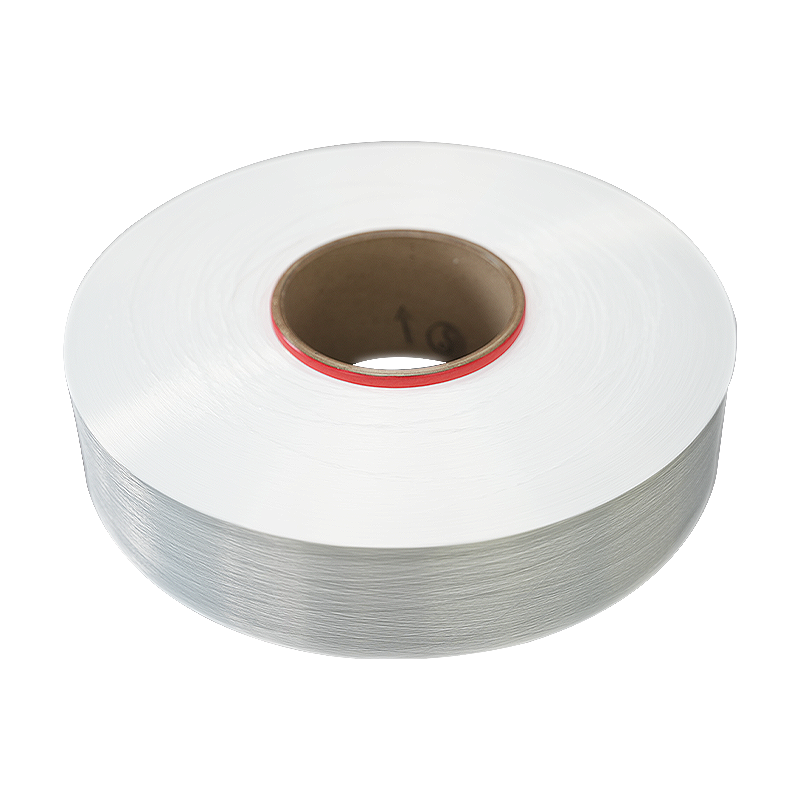
Low-melt textile FDY yarn can bond with other fibers at a certain temperature to form a strong fabric structure. This property makes it ideal for manufacturing synthetic or reinforced fabrics. This ki...
See Details
140D Durable low-melt FDY yarn is suitable for the manufacture of various textiles, especially for the preparation of composite fabrics, such as polyester-cotton blended fabrics or elastic fabrics. Th...
See Details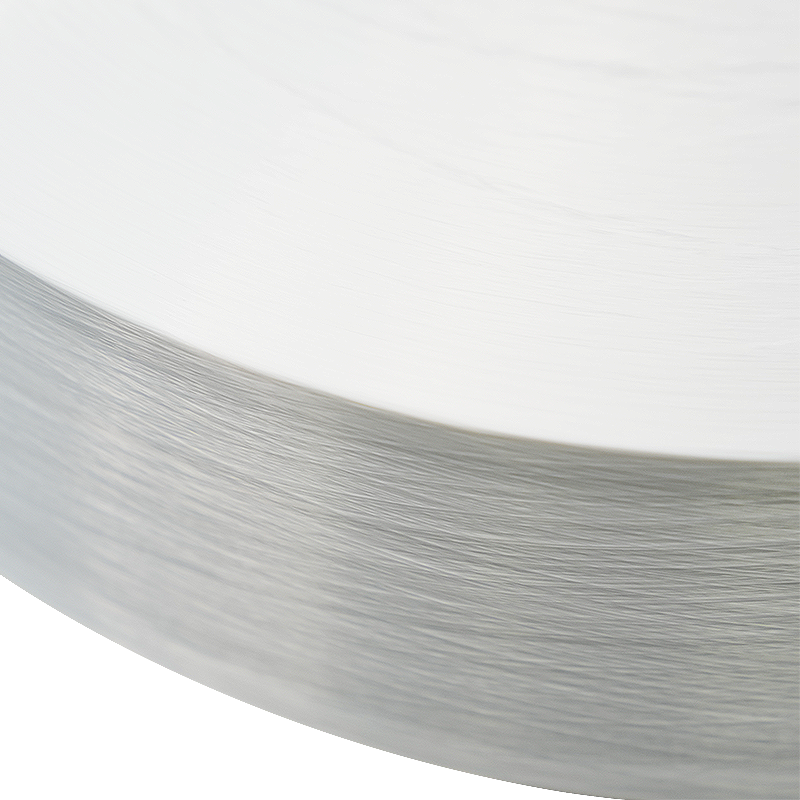
Composite fiber yarn for textile use consists of 48 monofilaments. Relatively thin and composed of multiple filaments, it adds softness and texture to the fabric. This product is suitable for the manu...
See Details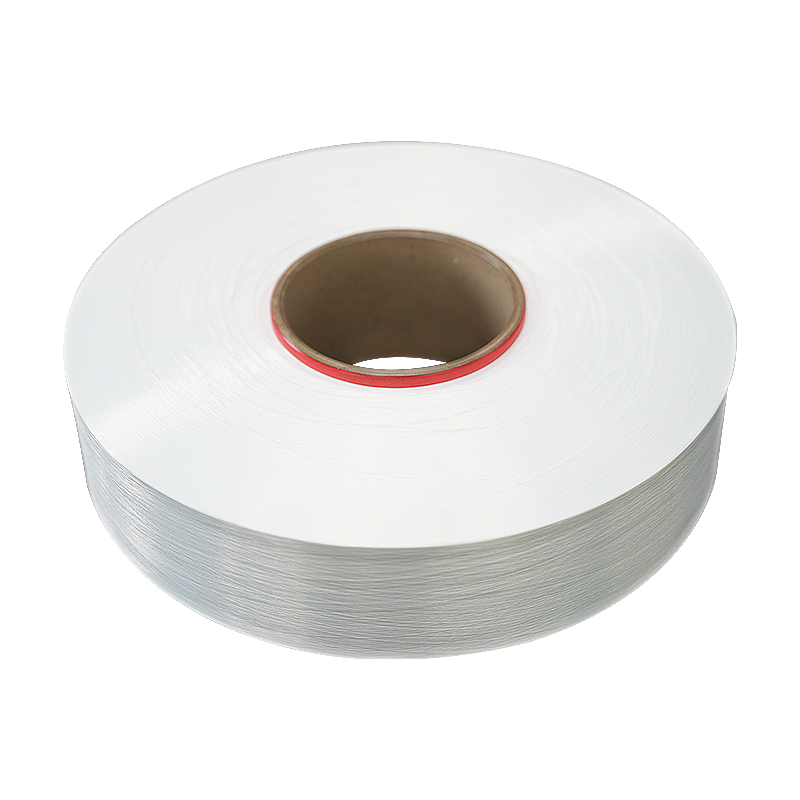
Water-repellent high Filament spun yarn has strong water resistance, providing an extremely delicate touch while retaining strength. Suitable for a wide range of applications from intricate embroidery...
See Details
The fibers of 210D water-repellent yarn are relatively thick, making the yarn highly wear-resistant and durable, making it suitable for long-term use. Composite fiber enables yarn to have the advantag...
See DetailsAddress: Duntou industrial park, haian county, nantong city,jiangsu province ,China.
TEL: +86 15850491859
E-mail: sales-betty@hsnylon.com
If You Are Interested In Our Products, Please Consult Us
 Wholesale Nylon Filament Yarn Manufacturers