
 English
 中文简体
中文简体
 русский
 Español
 عربى
عربى
Product Consultation
Your email address will not be published. Required fields are marked *
Basic concept of bi-component FDY yarn
Bi-component FDY yarn refers to fully drawn filament (FDY) spun from two different polymer materials through composite spinning technology. This filament is stretched and shaped during the spinning process, and can be directly used in weaving or knitting production without subsequent stretching process. The main feature of bi-component FDY yarn is that its fiber contains two polymer components of different properties. These components are distributed inside the fiber in a certain structural form, so that the fiber presents diversified functions in terms of physical properties, chemical properties and processing adaptability.
Common main components
The main components of bi-component FDY yarn depend on the combination of polymer materials selected during spinning. The following are some common component pairing forms:
Polyester and polyamide combination
This combination is often used to improve the elasticity, strength and dyeing properties of the fiber. Polyester provides better stability and durability, while polyamide improves the softness and dyeing affinity of the fiber.
Combination of two polyesters with different viscosities or different melting points
This type of bi-component FDY yarn is often used to develop fibers with self-curling or thermal bonding functions. For example, self-curling fibers can be used to produce high-elastic fabrics. The difference in heat shrinkage of different polyester components can form a curled structure in subsequent processing.
Combination of polypropylene and polyethylene
This type of combination is mostly used in industrial fibers, such as filter materials or composite substrates. Its advantages are light weight, chemical corrosion resistance and convenient processing.
Typical structural forms of two-component FDY yarns
The structural forms of two-component FDY yarns are diverse, and different structural forms enable the fibers to have different functions in use. The following are several common structural forms:
Core-sheath structure
The core-sheath structure refers to one component as the inner core of the fiber, and the other component is wrapped in its outer layer to form a "sheath". This structure is often used in fiber designs that require surface functions or processing characteristics, such as the sheath layer has good dyeability or hydrophilicity, while the core layer provides support or elasticity.
Parallel structure
Parallel two-component FDY yarn refers to two components arranged side by side along the fiber axis. This structure is easy to form curled fibers after heat treatment because the two components have different heat shrinkage rates, which produces internal stress in the fiber and forms a self-curling effect. Parallel fibers are mostly used to produce elastic fabrics or thermal insulation materials.
Sea-island structure
The sea-island structure is to use one component as an "island" and evenly distribute it in another component "sea". This structure is mainly used in the production of ultrafine fibers. In the subsequent processing, the "sea" component can be dissolved, and only the "island" component is retained to obtain extremely fine denier fibers for high-density fabrics or ultrafine fiber products.
Asymmetric core-skin distribution structure
The asymmetric core-skin distribution type bi-component FDY yarn is a fiber cross section in which the two components are distributed in an asymmetric manner. This type of structure can give the fiber a special bending or curling directionality, which is used to make special fabric structures or functional fabrics.
The effect of bi-component FDY yarn structure on performance
Different component combinations and structural forms will directly affect the physical and chemical properties of the fiber. For example, due to the large difference in thermal shrinkage of the components, the parallel bi-component FDY yarn will naturally form a curling structure during the heating process, giving the fabric a certain elasticity; the core-sheath bi-component FDY yarn can give the fiber surface functions through the sheath component, such as easy dyeing, anti-ultraviolet or anti-static. The island-type structure is more suitable for making ultrafine fibers in the post-processing process, which is used in the field of cleaning materials or high-density fabrics.
In dyeing, printing, finishing and other processes, due to the differences in the chemical properties of different components, the two-component FDY yarn can present effects such as color separation, differential dyeing or different shrinkage rates, providing more room for variation in textile fabric design.
Application scenarios and development trends
Two-component FDY yarn is widely used in clothing, home textiles, industrial textiles and other fields. In the field of clothing, it is used to produce elastic fabrics, functional fabrics, etc.; in the field of home textiles, it can be used for decorative materials such as curtains and sofa fabrics; in industrial textiles, it can be used for filter materials, medical non-woven fabrics, etc. With the increase in demand for functional fibers, the material combination and structural form of two-component FDY yarn are also constantly innovating to meet the development needs of differentiation and multifunctionality.
Does nylon monofilament yarn have better resistance to aging or UV rays?
2025-06-10
How does bicomponent FDY yarn perform in terms of fabric functionality?
2025-06-24Your email address will not be published. Required fields are marked *
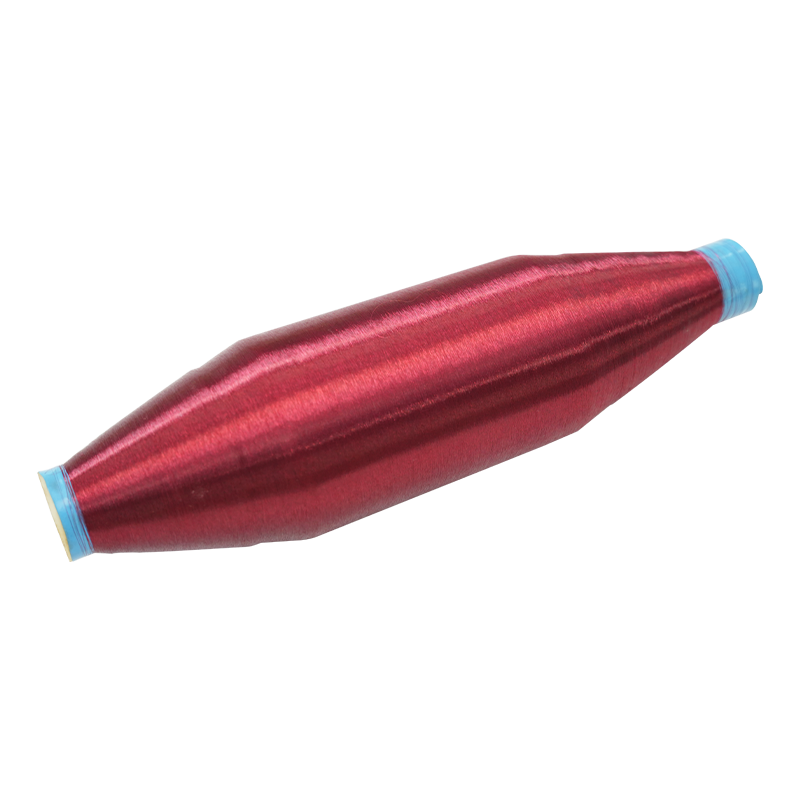
Antiviral nylon Monofilament Yarn can inhibit the survival of viruses on the surface of the yarn, which can effectively reduce the risk of virus transmission and improve user safety. The yarn has a mo...
See Details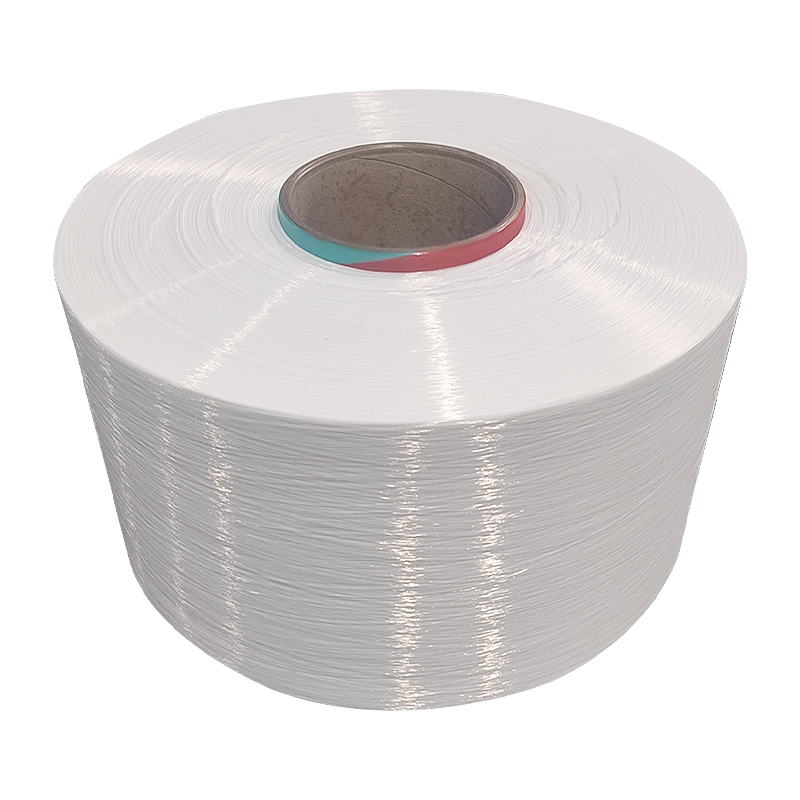
Colored Nylon Mother Yarn can be processed through spinning, drawing, dyeing and other processes to meet the needs of different textiles. It has good processing adaptability and can be made into vario...
See Details
The diameter of Durable woven nylon mother yarn is 240D, the fiber thickness is medium, and it is suitable for the manufacture of a variety of textiles. This product has good tensile strength and will...
See Details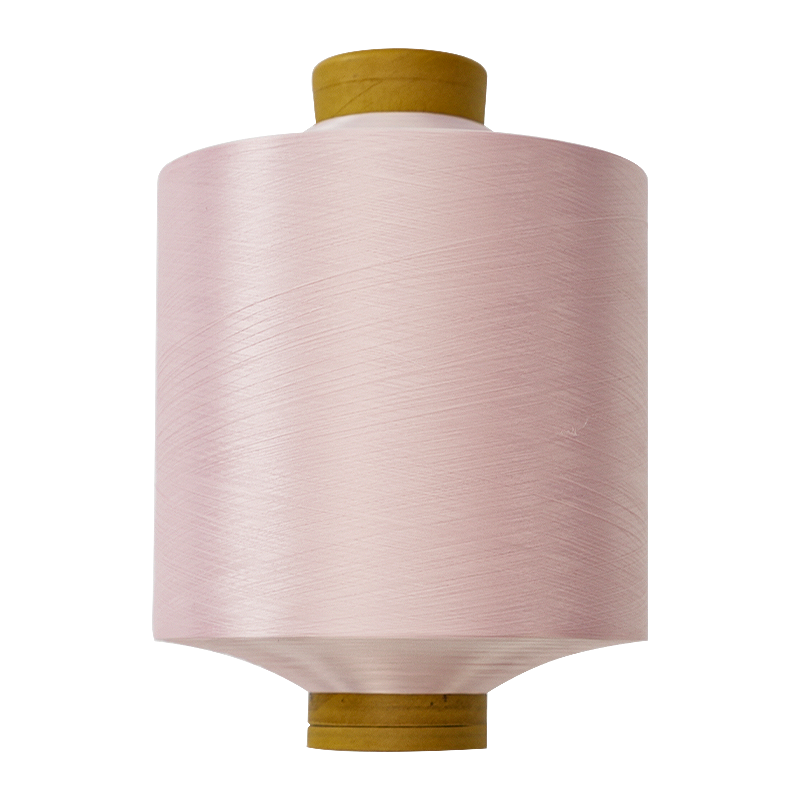
Nylon Elastic Yarn has elasticity and can quickly return to its original shape after stretching. This high elasticity makes the fabrics stretchable and comfortable. Nylon material has good wear resist...
See Details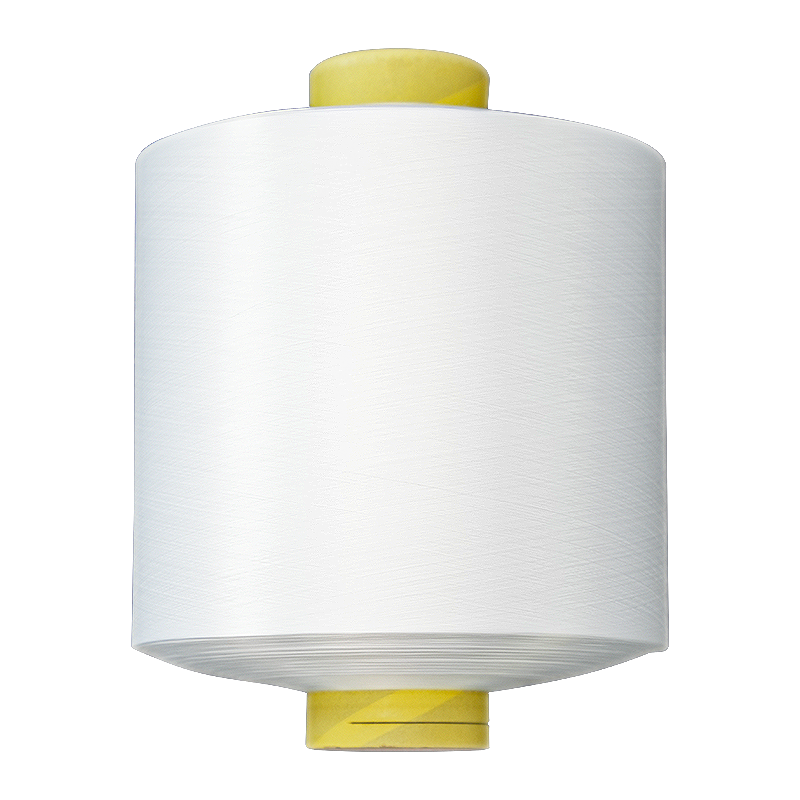
Nylon stretch sportswear yarn is a yarn used to make sportswear and other clothing that require high breathability. Nylon fiber has good breathability, which helps to wick away perspiration and keep t...
See Details
Double-strand nylon elastic yarn is a composite yarn composed of two strands of yarn. It has high strength, maintains stable performance even in a stretched state, and is not easy to break or deform. ...
See Details
Nylon elastic yarn for textile use has a wide range of applications. Nylon elastic yarn is suitable for the manufacture of various textiles, such as underwear, socks, sportswear, swimwear, elastic fab...
See Details
Fabrics made using Nylon elastic yarn for Weaving are lightweight, soft, comfortable and breathable, making them suitable for long-term wear. Made of high-quality nylon material with wear resistance, ...
See Details
100D Nylon Elastic Yarn has a moderate thickness and good dyeing properties, which can achieve uniform and durable dyeing effects, making textiles bright and long-lasting in color. A yarn frequently u...
See Details
Fully stretched polyester blended yarn is made of a blend of polyester and nylon. Polyester itself has good wear resistance. After full stretch processing, the strength and softness of the yarn increa...
See Details
High shrinkage blended polyester yarn has a high shrinkage rate and is suitable for textile manufacturing that requires shrinkage treatment, such as making pleated fabrics or textile shaping. Because ...
See Details
Water-repellent high Filament spun yarn has strong water resistance, providing an extremely delicate touch while retaining strength. Suitable for a wide range of applications from intricate embroidery...
See DetailsAddress: Duntou industrial park, haian county, nantong city,jiangsu province ,China.
TEL: +86 15850491859
E-mail: sales-betty@hsnylon.com
If You Are Interested In Our Products, Please Consult Us
 Wholesale Nylon Filament Yarn Manufacturers