
 English
 中文简体
中文简体
 русский
 Español
 عربى
عربى
Product Consultation
Your email address will not be published. Required fields are marked *
Polyester nylon high shrinkage fibers exhibit specific behaviors in response to temperature and humidity, which are critical factors in their performance and application.
Thermal Shrinkage Activation:High shrinkage fibers are engineered to contract when exposed to heat. The degree of shrinkage depends on the fiber's composition and the temperature applied.Shrinkage typically occurs within a specific temperature range, such as 80°C to 200°C, depending on the fiber's formulation.At temperatures below the activation threshold, the fibers remain stable with minimal shrinkage.
Structural Changes:Heat causes the molecular chains within the fiber to relax and rearrange into a denser configuration, leading to shrinkage.Excessive heat beyond the recommended limit can degrade the fiber, causing a loss of strength, elasticity, or color.
Impact on Fabric Properties:Controlled thermal shrinkage enhances fabric density, elasticity, and surface texture, which is desirable in applications like stretch fabrics or textured yarns.Improper heat settings during processing can lead to uneven shrinkage or damage.
Moisture Absorption:Nylon, being a hygroscopic material, absorbs more moisture than polyester. This can lead to slight dimensional changes, but typically less significant than those caused by heat.
Polyester’s hydrophobic nature minimizes moisture uptake, maintaining dimensional stability under varying humidity.
Shrinkage Behavior:In high humidity combined with heat (e.g., steam finishing processes), the fiber’s shrinkage may accelerate due to the combined plasticizing effect of moisture and thermal activation.
Under low humidity conditions, the fiber remains dimensionally stable unless heat is also applied.
Impact on Processing:High humidity during storage or processing can cause temporary softening or swelling of the fiber, impacting tension during spinning or weaving.Proper environmental control ensures consistent behavior during textile production.
Steam Processes:High shrinkage fibers are often exposed to steam for controlled shrinkage during fabric finishing. This process uses both heat and moisture to activate shrinkage uniformly.Steam treatment improves fabric texture and eliminates wrinkles or stresses from earlier production stages.
Stability in Extreme Conditions:Fibers designed for high-performance applications can maintain their properties in extreme temperature and humidity conditions, provided they are within the fiber’s tolerance range.Extended exposure to fluctuating conditions can lead to fatigue or weakening of the fiber over time.
Processing Temperature: Always adhere to the manufacturer’s specified temperature range to prevent over-shrinking or damage.
Storage Conditions: Store fibers in dry, controlled environments to avoid changes in moisture content that could affect processing uniformity.
Application Environment: Textiles made with high shrinkage fibers should be used in conditions where heat or humidity will not inadvertently trigger unwanted shrinkage.
Polyester nylon high shrinkage fibers are sensitive to temperature, which activates their shrinkage, and moderately influenced by humidity, which can complement or slightly alter their behavior. Understanding these responses ensures optimal performance during production and in final applications.
How does the stretchability of nylon elastic yarn affect its use in fabrics and garments?
2024-11-11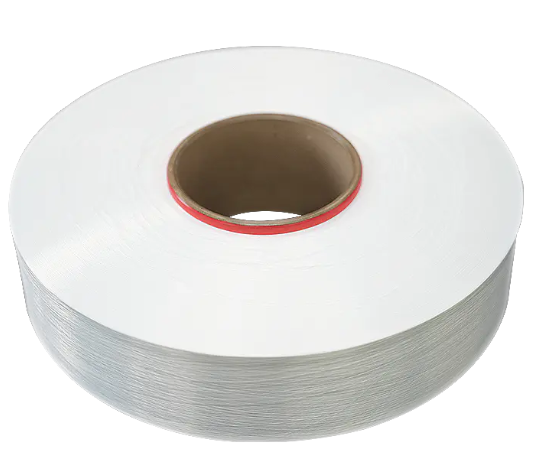
What is the difference between symmetrical and asymmetrical bi-component FDY yarns?
2024-11-25Your email address will not be published. Required fields are marked *
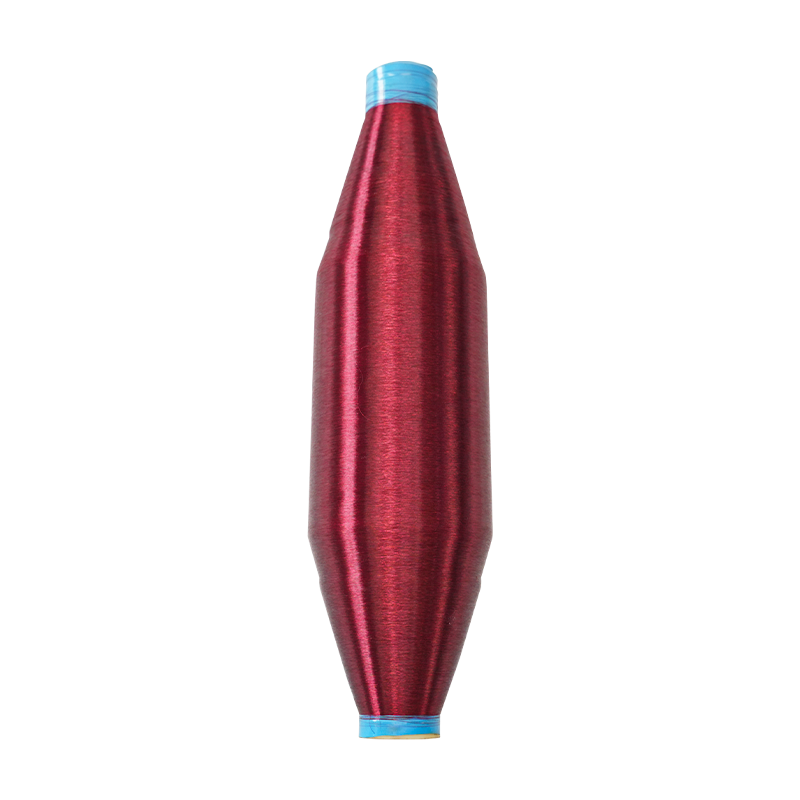
Biodegradable nylon yarn biodegrades faster in the environment than traditional synthetic fibers, helping to reduce negative environmental impacts. It also has the properties of nylon fiber, such as h...
See Details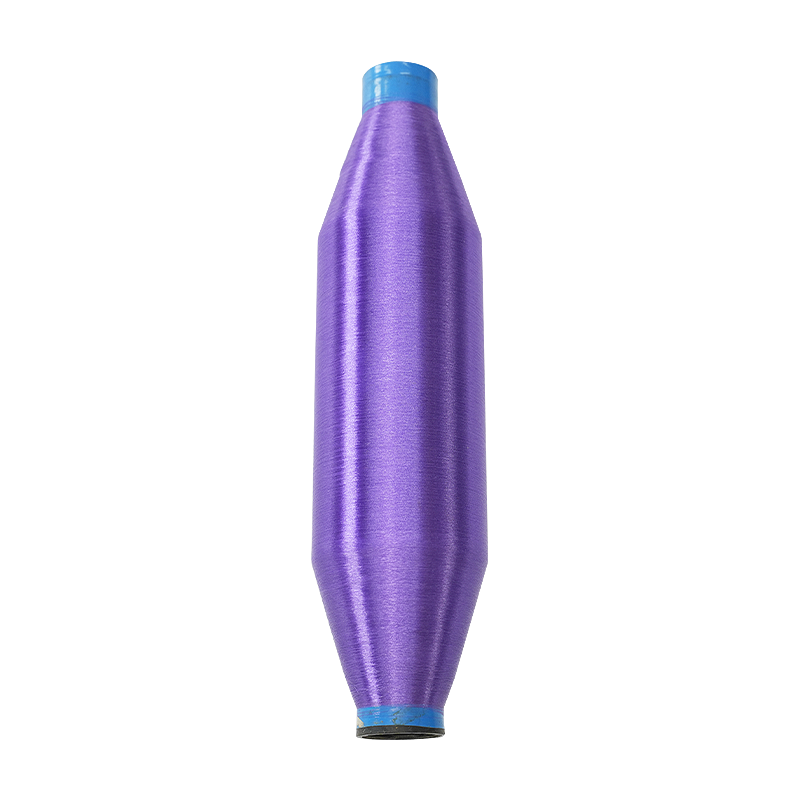
Single Strand Biodegradable Yarn is a single-strand structure, consisting of a single fiber bundle with no multiple strands tangled together. This structure makes the yarn softer, and smoother and exh...
See Details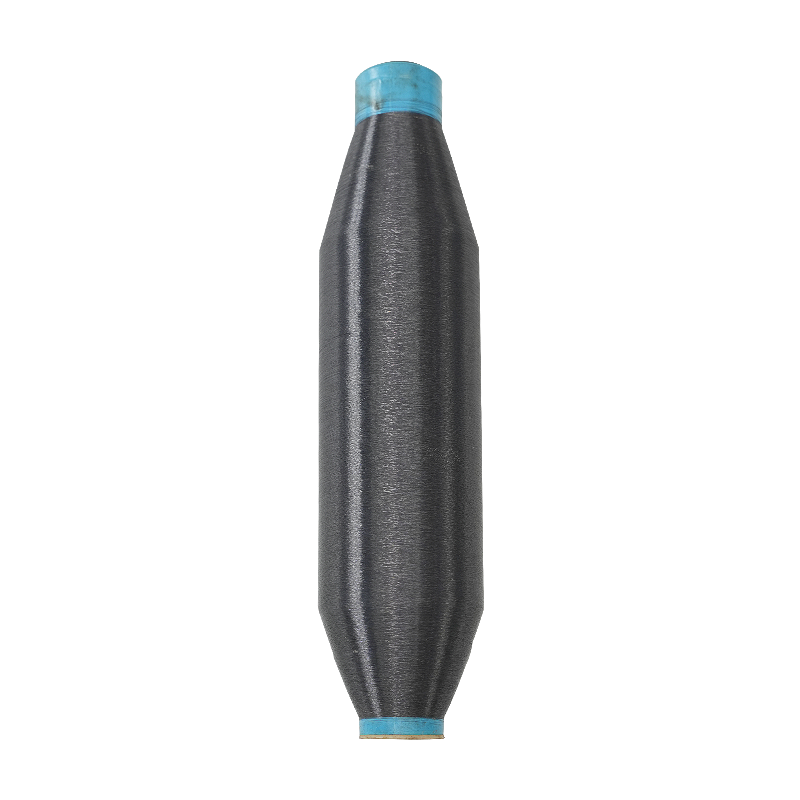
Nylon is a synthetic fiber with good strength and wear resistance, so 40D biodegradable yarn inherits the properties of nylon fiber. It has tensile strength, abrasion resistance and corrosion resistan...
See Details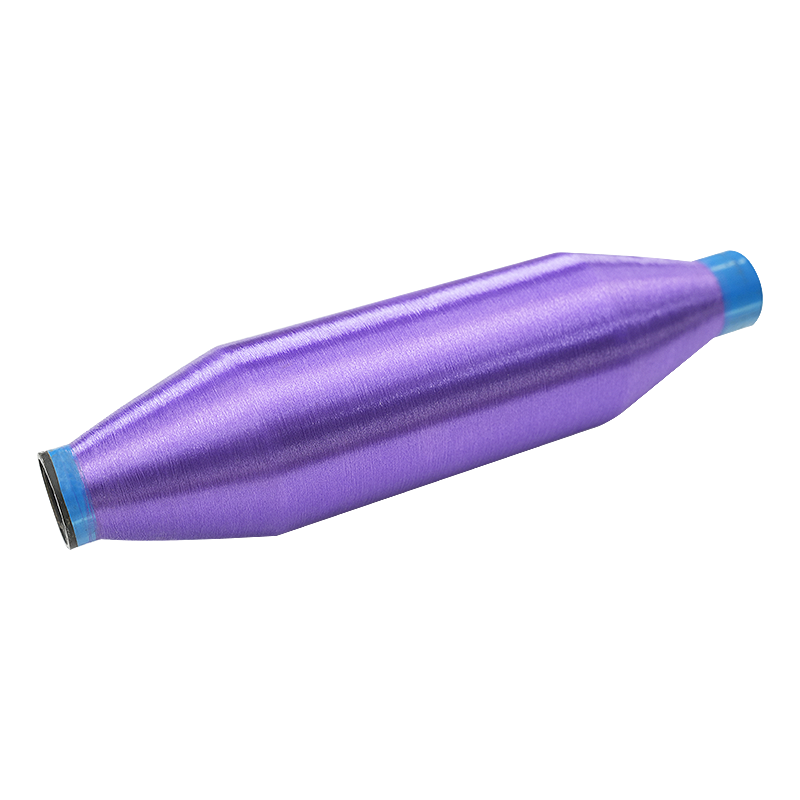
Graphene yarns can be produced by a variety of methods, including chemical vapor deposition (CVD) and wet spinning. In CVD, graphene is grown directly on a substrate, which is then removed to obtain g...
See Details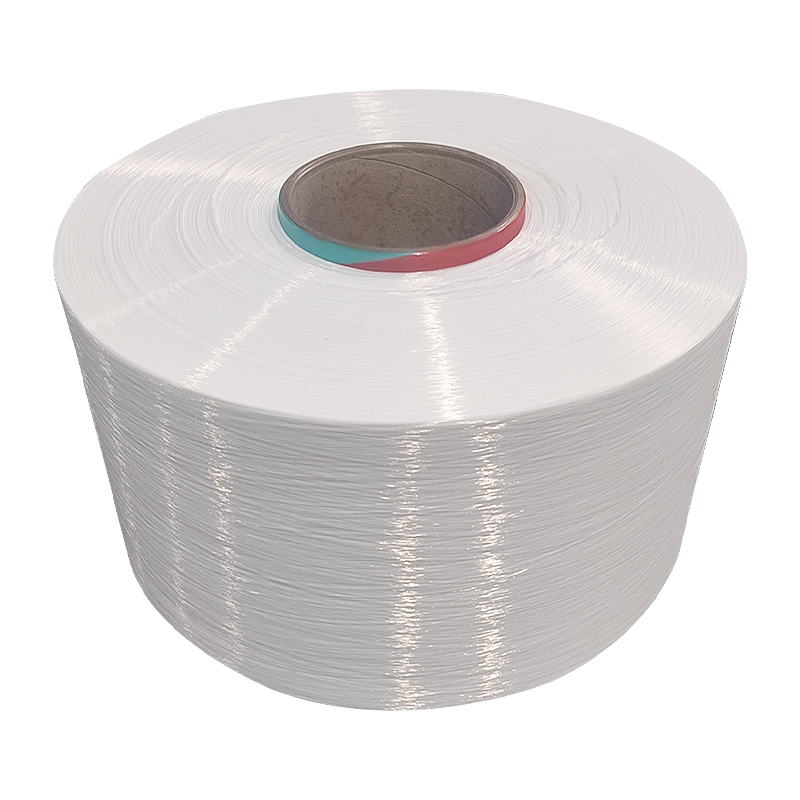
Colored Nylon Mother Yarn can be processed through spinning, drawing, dyeing and other processes to meet the needs of different textiles. It has good processing adaptability and can be made into vario...
See Details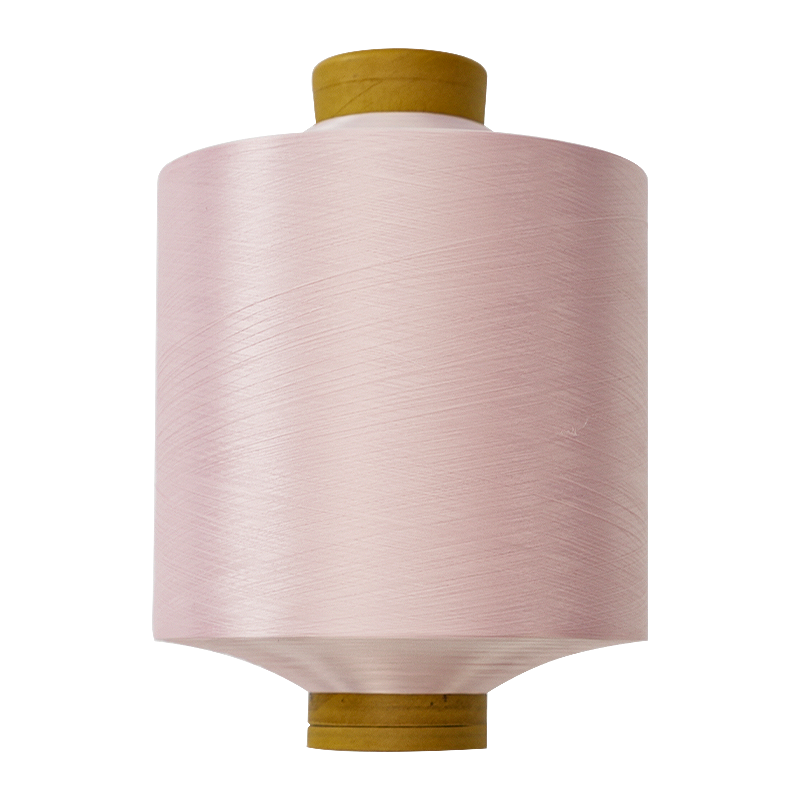
Nylon Elastic Yarn has elasticity and can quickly return to its original shape after stretching. This high elasticity makes the fabrics stretchable and comfortable. Nylon material has good wear resist...
See Details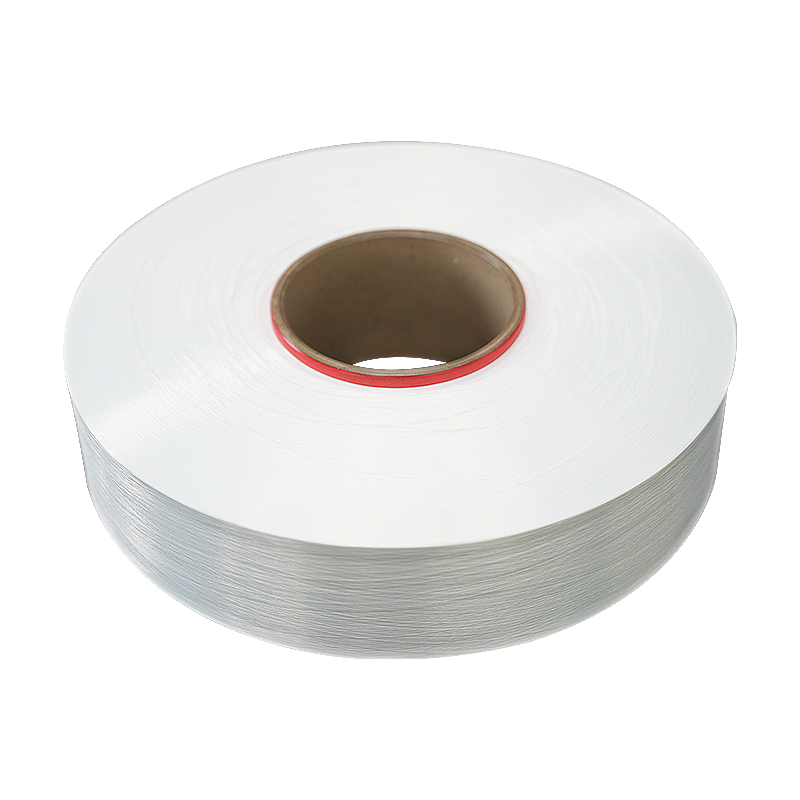
Polyester blended FDY yarn is a standard 50D yarn made from a blend of polyester and nylon. It combines the characteristics of both fibers and has durability and breathability. It has a wide range of ...
See Details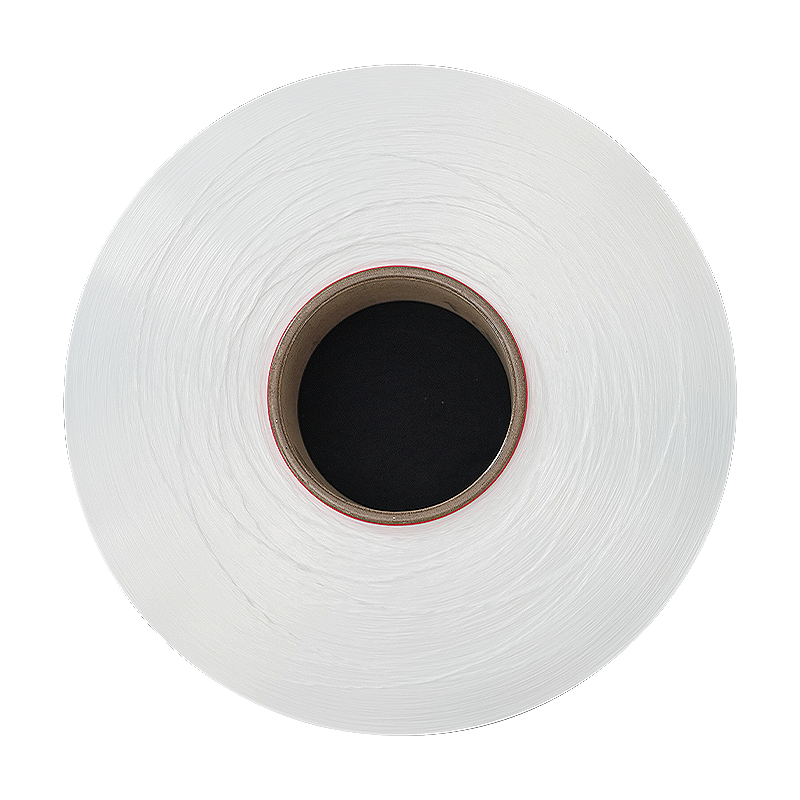
Durable composite nylon yarn has stretch and recovery properties, providing the necessary comfort, fit, and flexibility for clothing and textiles. Made of a blend of nylon fiber and polyester fiber, i...
See Details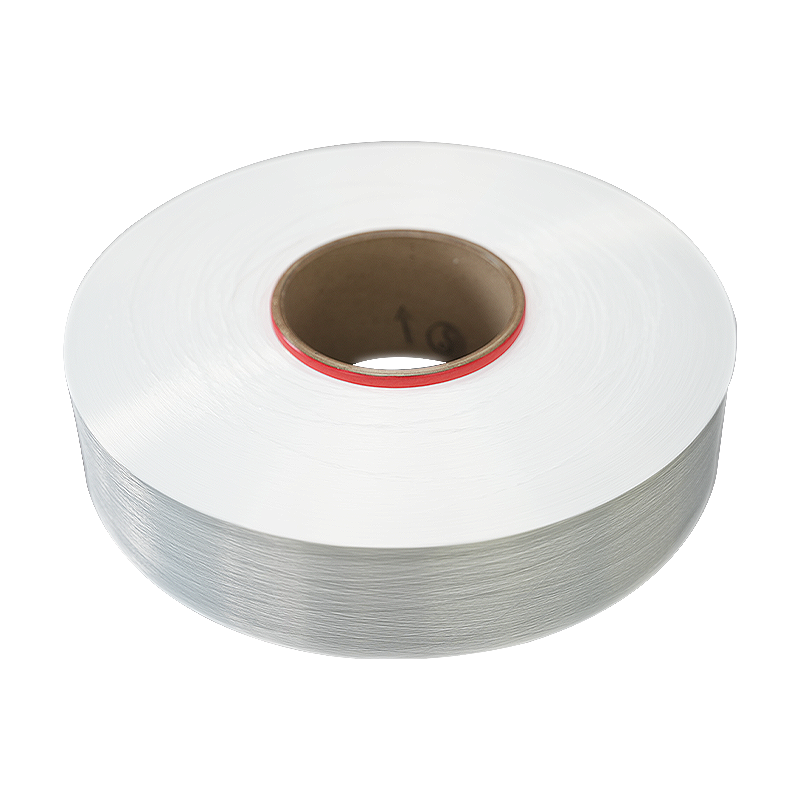
Low-melt textile FDY yarn can bond with other fibers at a certain temperature to form a strong fabric structure. This property makes it ideal for manufacturing synthetic or reinforced fabrics. This ki...
See Details
High shrinkage blended polyester yarn has a high shrinkage rate and is suitable for textile manufacturing that requires shrinkage treatment, such as making pleated fabrics or textile shaping. Because ...
See Details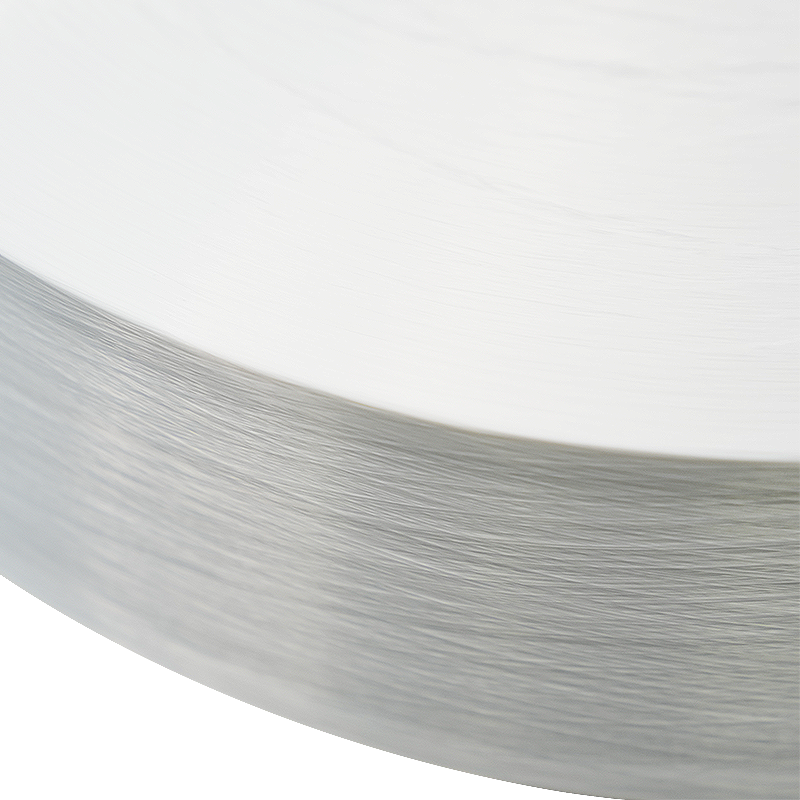
Water-repellent blended FDY yarn has good waterproof properties. This characteristic makes Water-repellent blended FDY yarn a greater advantage when making textiles with high waterproof requirements s...
See Details
Composite woven FDY yarn mixes different types of fibers and has good wear resistance. The fabric made is not easy to wear and is suitable for long-term use. Composite woven FDY yarn has a wide range ...
See DetailsAddress: Duntou industrial park, haian county, nantong city,jiangsu province ,China.
TEL: +86 15850491859
E-mail: sales-betty@hsnylon.com
If You Are Interested In Our Products, Please Consult Us
 Wholesale Nylon Filament Yarn Manufacturers