
 English
 中文简体
中文简体
 русский
 Español
 عربى
عربى
Product Consultation
Your email address will not be published. Required fields are marked *
The difference between symmetrical and asymmetrical bi-component Fully Drawn Yarns (FDY) lies in the distribution and arrangement of the two polymer components in the yarn's cross-section, which impacts their physical properties and applications.
Symmetrical Bi-Component FDY Yarns
Definition: In symmetrical bi-component FDY yarns, the two polymers are distributed evenly and uniformly across the cross-section.Structure: Examples include:Side-by-Side: The two polymers are placed adjacent to each other in equal proportions.Core-Sheath (Symmetrical): The core is centered, and the sheath uniformly surrounds the core.Properties:Uniform properties throughout the yarn.Predictable and stable behavior in processing and final applications.Often provides balanced strength, elasticity, and thermal properties.
Applications:Widely used in applications requiring consistent performance, such as clothing fabrics, upholstery, and industrial textiles.
Asymmetrical Bi-Component FDY Yarns
Definition: In asymmetrical bi-component FDY yarns, the two polymers are distributed unevenly or irregularly across the cross-section.Structure: Examples include:Eccentric Core-Sheath: The core is off-center, causing uneven stress distribution during processing or use.Irregular Shapes: One polymer may occupy more space or form unique patterns, such as islands-in-the-sea or triangular sections.
Properties:Enhanced functionalities due to deliberate imbalances, such as differential shrinkage, crimping, or elasticity.
Can create unique fabric textures or properties when processed (e.g., curling or self-texturing).Typically more complex to produce and may require specialized processing techniques.Applications:Specialty textiles, such as stretch fabrics, textured yarns, or functional garments.Applications where unique surface finishes, elasticity, or shrinkage effects are desirable.
Symmetrical Bi-Component FDY Yarns
These are ideal for applications where consistency, durability, and straightforward processing are essential. Their uniform properties make them suitable for high-volume production of everyday fabrics.
Asymmetrical Bi-Component FDY Yarns
These yarns are preferred for niche applications where specific performance enhancements or aesthetic effects are required. For instance:In sportswear, the yarn's ability to shrink or stretch in targeted ways can enhance fit and comfort.
In decorative textiles, the unique textures or patterns achieved through asymmetrical designs can add visual appeal.
The choice between symmetrical and asymmetrical bi-component FDY yarn depends on factors such as:End-use Requirements: Standard fabrics versus functional or decorative textiles.Cost Considerations: Symmetrical yarns are typically more economical, while asymmetrical yarns offer specialized benefits at a higher cost.Processing Capabilities: Manufacturers need advanced equipment to handle asymmetrical yarns effectively.
Symmetrical and asymmetrical bi-component FDY yarns serve distinct purposes in the textile industry. Symmetrical yarns provide uniformity and reliability for general applications, while asymmetrical yarns offer innovative solutions for advanced textile needs. Understanding these differences helps manufacturers, designers, and engineers select the appropriate yarn for their specific projects.
How do polyester nylon high shrinkage fibers change with temperature and humidity conditions?
2024-11-18
How is nylon elastic yarn incorporated into products like stretch fabrics, waistbands, or cuffs?
2024-12-06Your email address will not be published. Required fields are marked *
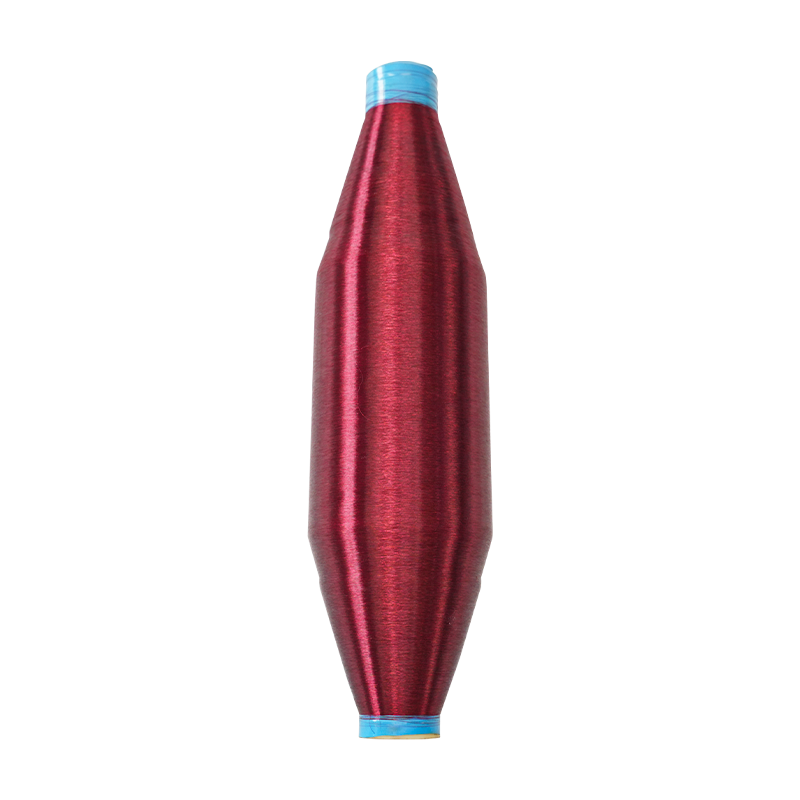
Biodegradable nylon yarn biodegrades faster in the environment than traditional synthetic fibers, helping to reduce negative environmental impacts. It also has the properties of nylon fiber, such as h...
See Details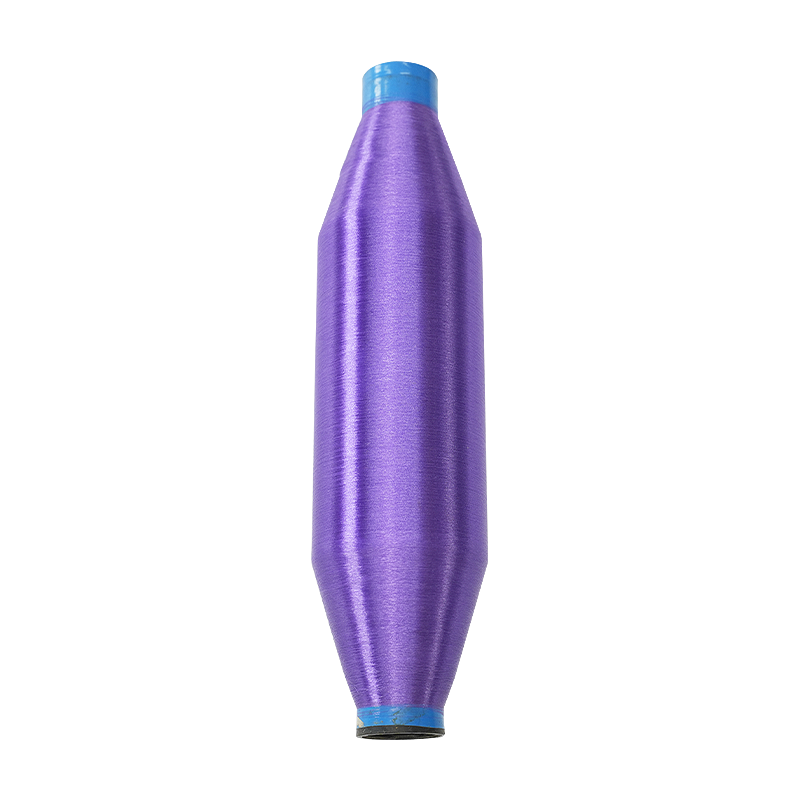
Single Strand Biodegradable Yarn is a single-strand structure, consisting of a single fiber bundle with no multiple strands tangled together. This structure makes the yarn softer, and smoother and exh...
See Details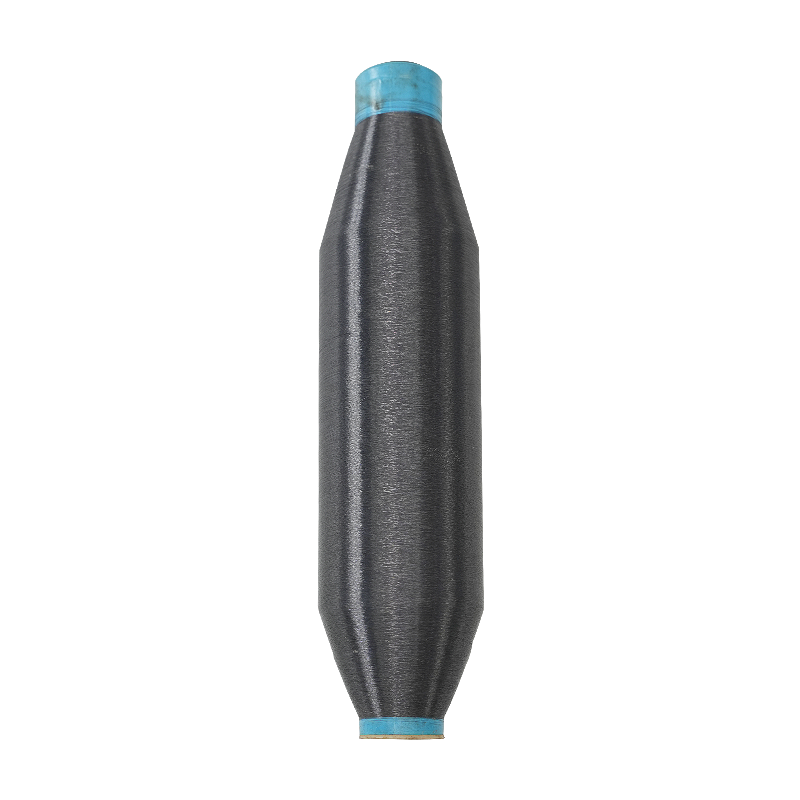
Nylon is a synthetic fiber with good strength and wear resistance, so 40D biodegradable yarn inherits the properties of nylon fiber. It has tensile strength, abrasion resistance and corrosion resistan...
See Details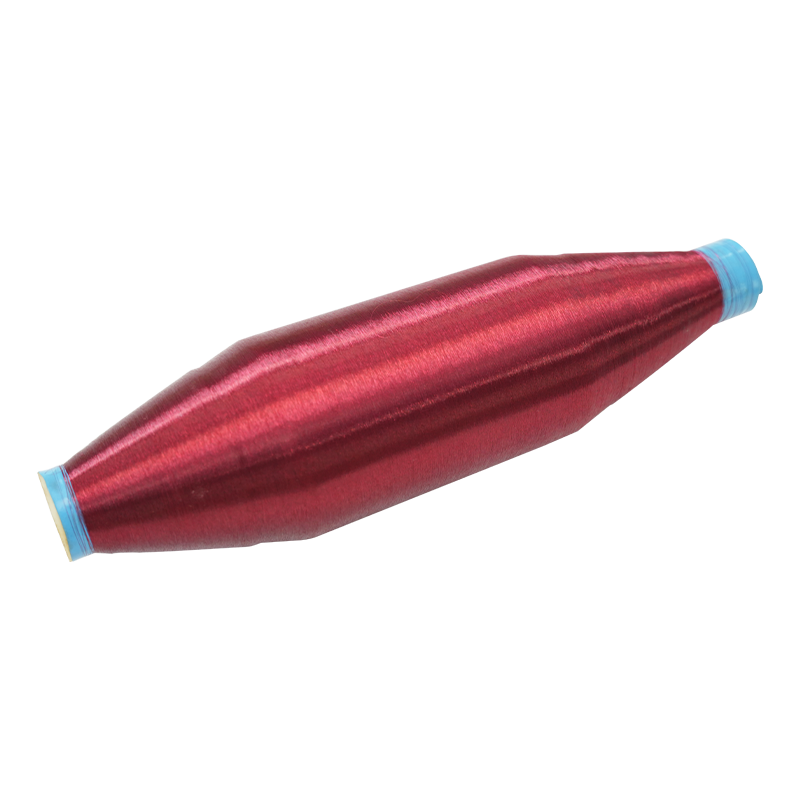
Antiviral nylon Monofilament Yarn can inhibit the survival of viruses on the surface of the yarn, which can effectively reduce the risk of virus transmission and improve user safety. The yarn has a mo...
See Details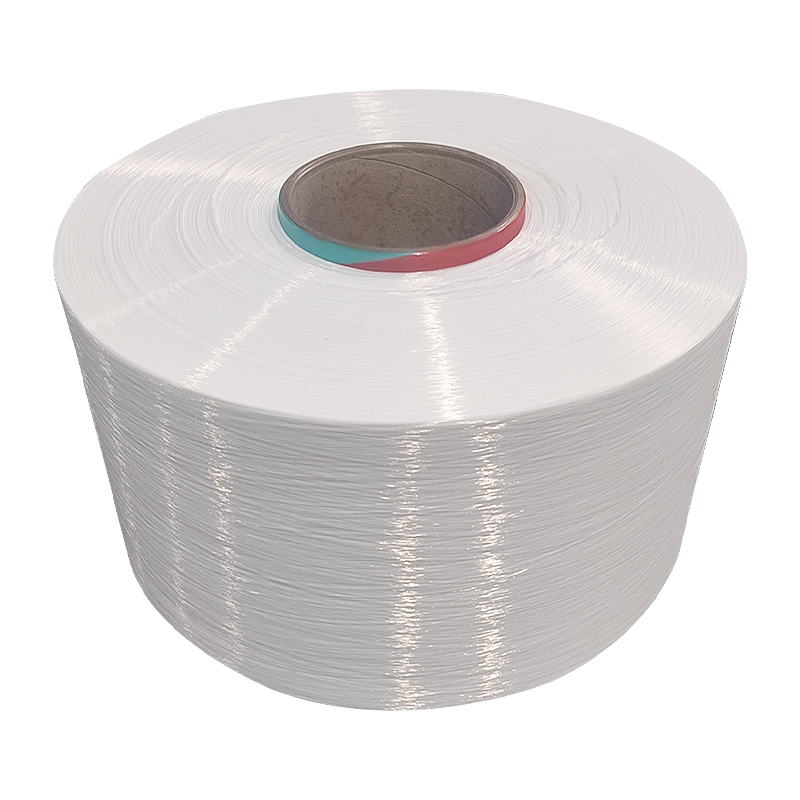
The diameter of Durable woven nylon mother yarn is 240D, the fiber thickness is medium, and it is suitable for the manufacture of a variety of textiles. This product has good tensile strength and will...
See Details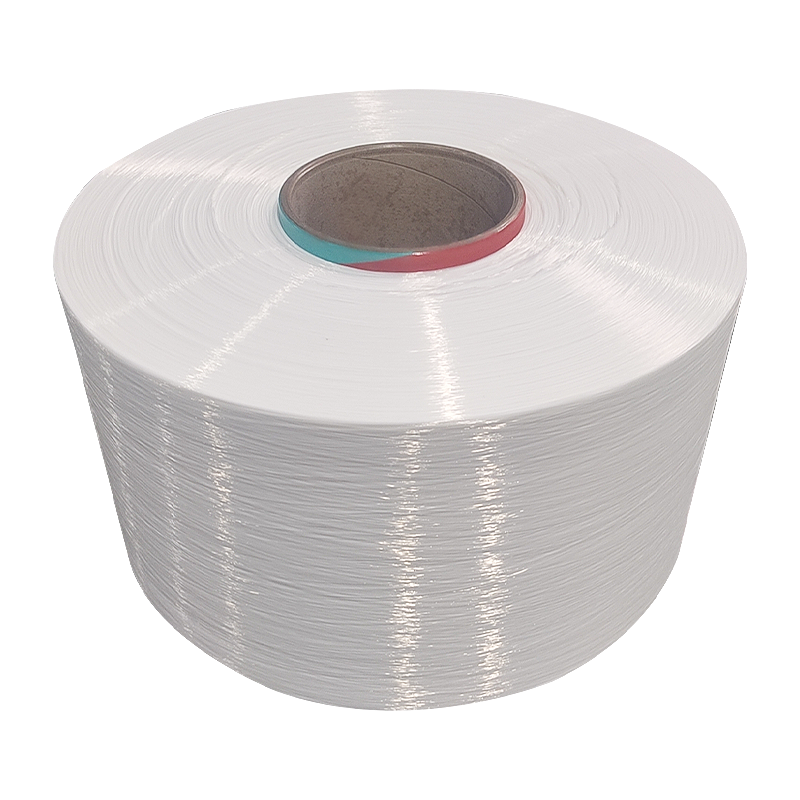
300D Nylon Mother Yarn is made of nylon material, a synthetic fiber with abrasion resistance, strength and durability. It is therefore suitable for manufacturing various types of textiles, such as clo...
See Details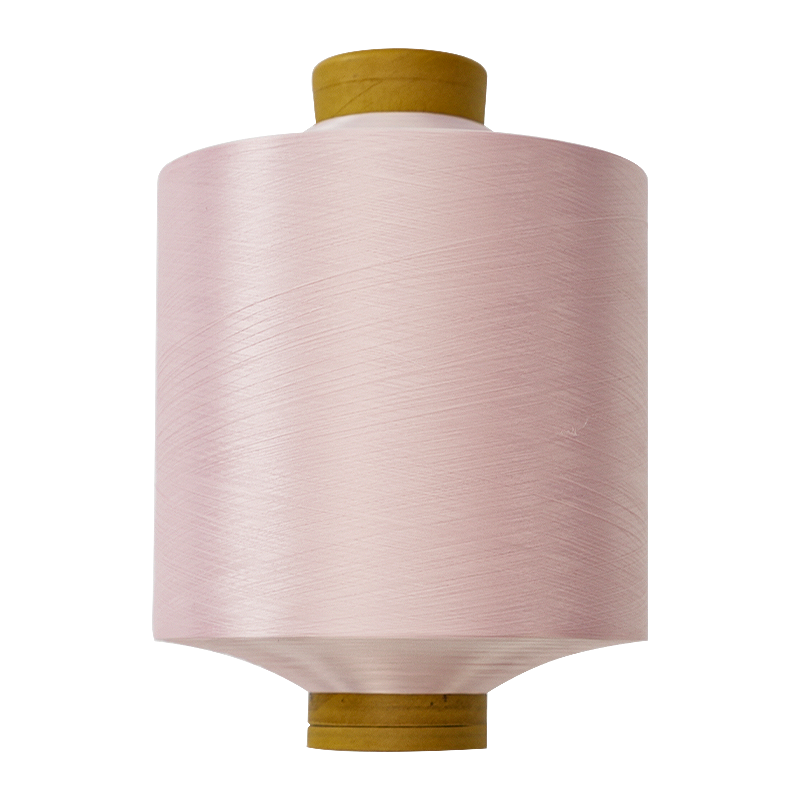
Nylon Elastic Yarn has elasticity and can quickly return to its original shape after stretching. This high elasticity makes the fabrics stretchable and comfortable. Nylon material has good wear resist...
See Details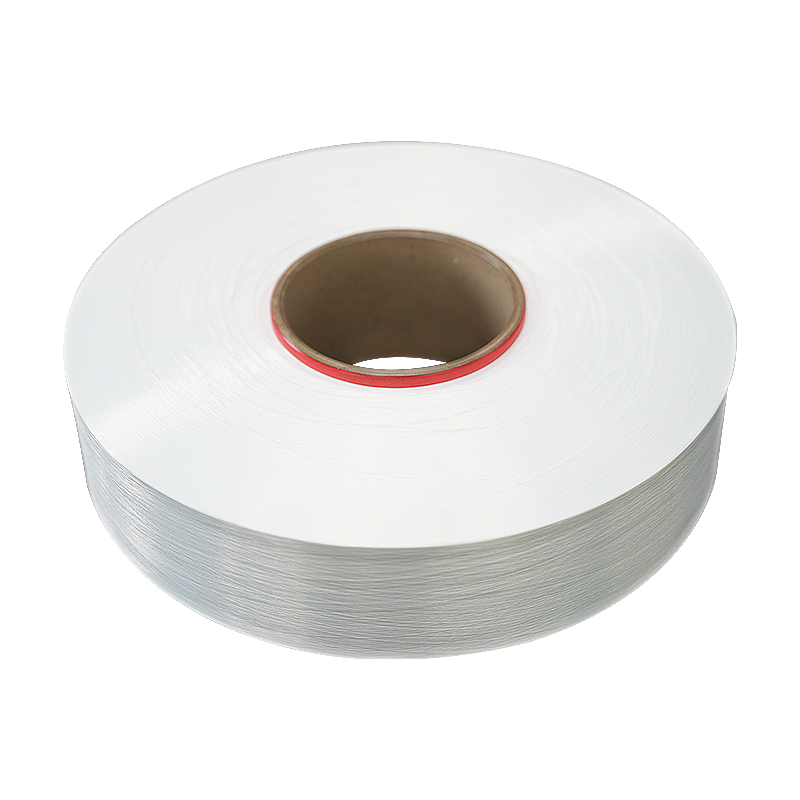
Polyester blended FDY yarn is a standard 50D yarn made from a blend of polyester and nylon. It combines the characteristics of both fibers and has durability and breathability. It has a wide range of ...
See Details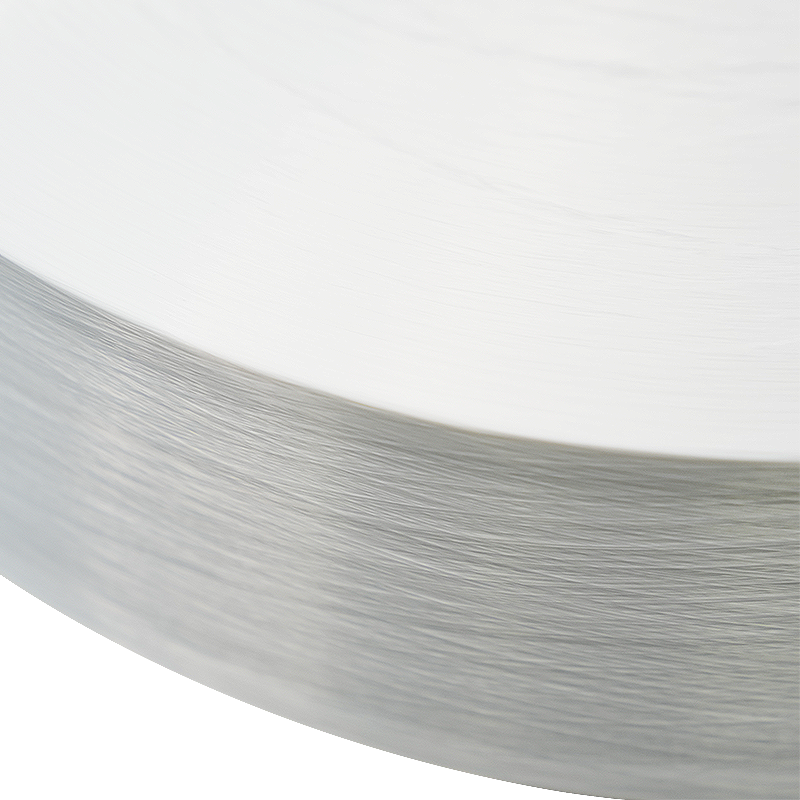
210D Polyester Nylon Composite FDY yarn is a composite fiber yarn. FDY is a mixture of polyester and nylon fibers. It combines the advantages of the two fibers, the abrasion resistance of polyester an...
See Details
140D Durable low-melt FDY yarn is suitable for the manufacture of various textiles, especially for the preparation of composite fabrics, such as polyester-cotton blended fabrics or elastic fabrics. Th...
See Details
Stretch durable FDY yarn has good elasticity and can return to its original shape after being stressed, giving the textile a comfortable wearing feel and good ductility. It can fit the contours of the...
See Details
The fibers of 210D water-repellent yarn are relatively thick, making the yarn highly wear-resistant and durable, making it suitable for long-term use. Composite fiber enables yarn to have the advantag...
See DetailsAddress: Duntou industrial park, haian county, nantong city,jiangsu province ,China.
TEL: +86 15850491859
E-mail: sales-betty@hsnylon.com
If You Are Interested In Our Products, Please Consult Us
 Wholesale Nylon Filament Yarn Manufacturers