
 English
 中文简体
中文简体
 русский
 Español
 عربى
عربى
Product Consultation
Your email address will not be published. Required fields are marked *
The weaving process of Woven Antiviral Yarn is formed by incorporating modern scientific and technological elements on the basis of traditional weaving technology. Its core lies in how to effectively embed or coat antiviral substances while maintaining the original physical properties of the yarn, thereby achieving the antiviral function.
1. Select high-quality fibers as the basic materials of the yarn. These fibers need to have good mechanical properties and chemical stability, and they must also be easy to combine with antiviral substances to ensure the durability of the antiviral effect. Common fiber materials include nylon, polyester, etc., which are widely used due to their good wear resistance, wrinkle resistance and easy processing. The next step is the key step of antiviral treatment. At this stage, antiviral substances are evenly coated or embedded into the surface and interior of the yarn through specific process means. These substances have strong broad-spectrum bactericidal and antiviral capabilities, which can destroy the cell wall of the virus or inhibit its replication process, and reduce the survival rate of the virus on the yarn.
2. After the antiviral treatment is completed, the yarn enters the weaving stage, which is the key to the formation of Woven Antiviral Yarn. Advanced weaving machinery and precise weaving technology are used to weave the treated yarn into cloth according to a specific warp and weft interweaving method. During the weaving process, it is necessary to strictly control the parameters such as the tension, density and interweaving points of the yarn to ensure the flatness, breathability and durability of the fabric.
3. The weaving process used by Woven Antiviral Yarn has multiple advantages. It realizes the perfect combination of antiviral function and physical properties. Through fine antiviral treatment and scientific weaving technology, the yarn has strong antiviral ability while maintaining its original softness, breathability and wear resistance. The process is highly flexible and scalable. The composition of the yarn, the type and concentration of antiviral substances, and the weaving parameters can be adjusted according to different application requirements and market demands, so as to produce antiviral textiles with different performances and a wide range of uses.
The weaving process of Woven Antiviral Yarn is a model of the combination of textile technology and modern technology. It demonstrates mankind's ultimate pursuit of the performance of textile materials and also reflects the important role of technology in ensuring human health and safety.
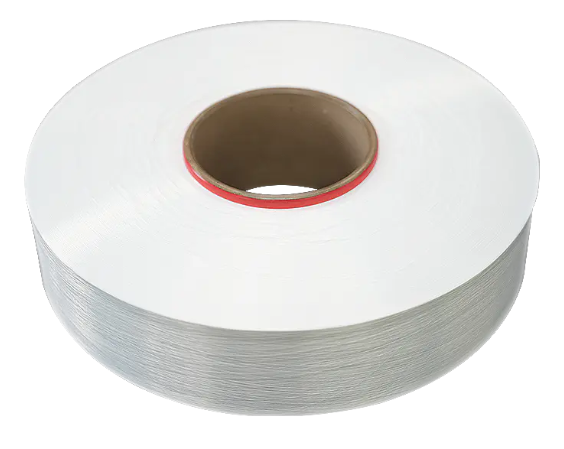
Which textiles are suitable for Polyester Blended FDY Yarn?
2024-07-19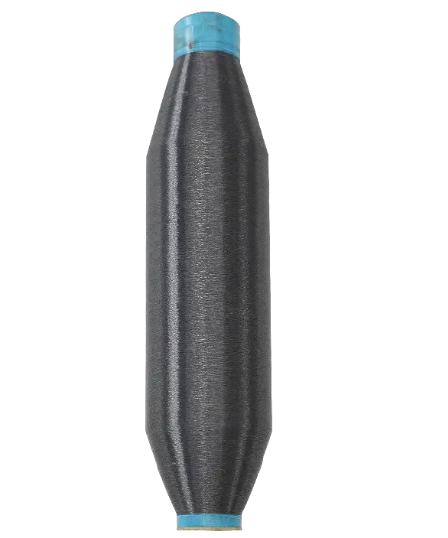
What are the aspects of the high performance of Elastic High Performance Polyamide Multifilament?
2024-08-01Your email address will not be published. Required fields are marked *
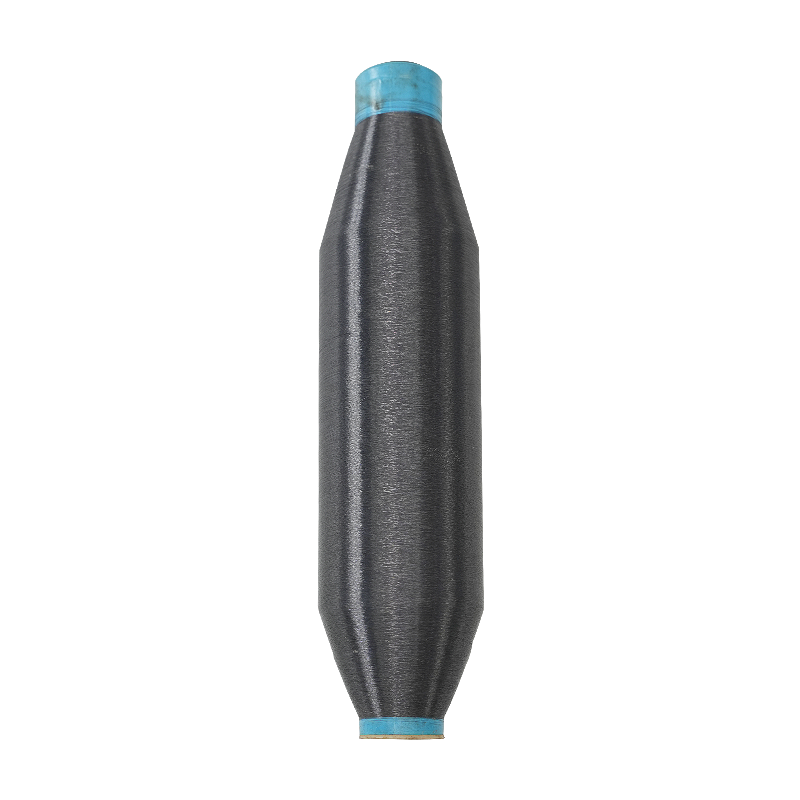
Nylon is a synthetic fiber with good strength and wear resistance, so 40D biodegradable yarn inherits the properties of nylon fiber. It has tensile strength, abrasion resistance and corrosion resistan...
See Details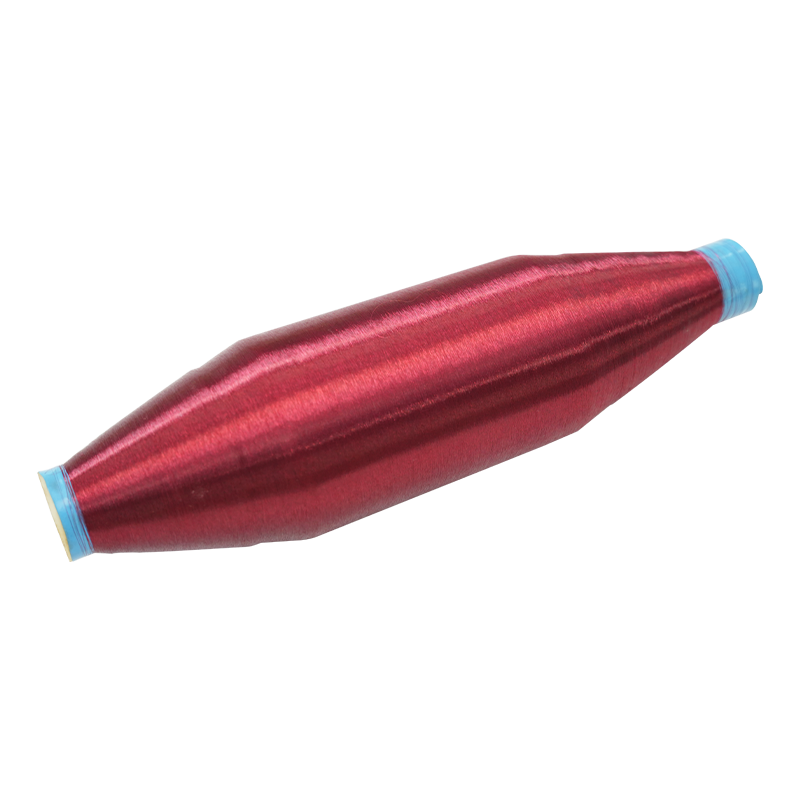
Antiviral nylon Monofilament Yarn can inhibit the survival of viruses on the surface of the yarn, which can effectively reduce the risk of virus transmission and improve user safety. The yarn has a mo...
See Details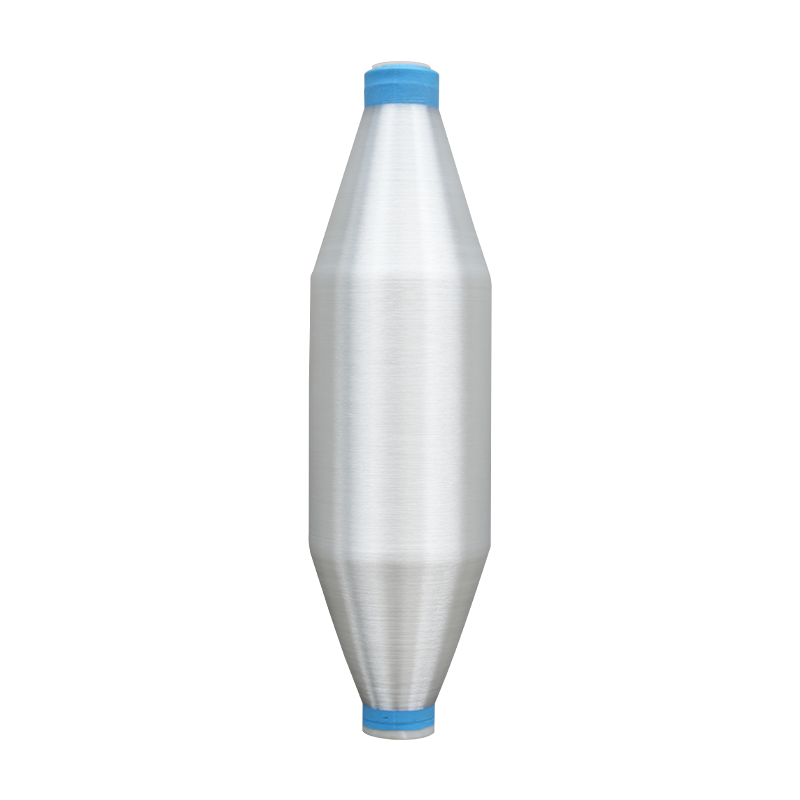
60D woven Antiviral Yarn is thin overall and suitable for making light and soft textiles. Nylon fiber has a soft feel and good breathability. This yarn is usually used to weave fabrics and can be made...
See Details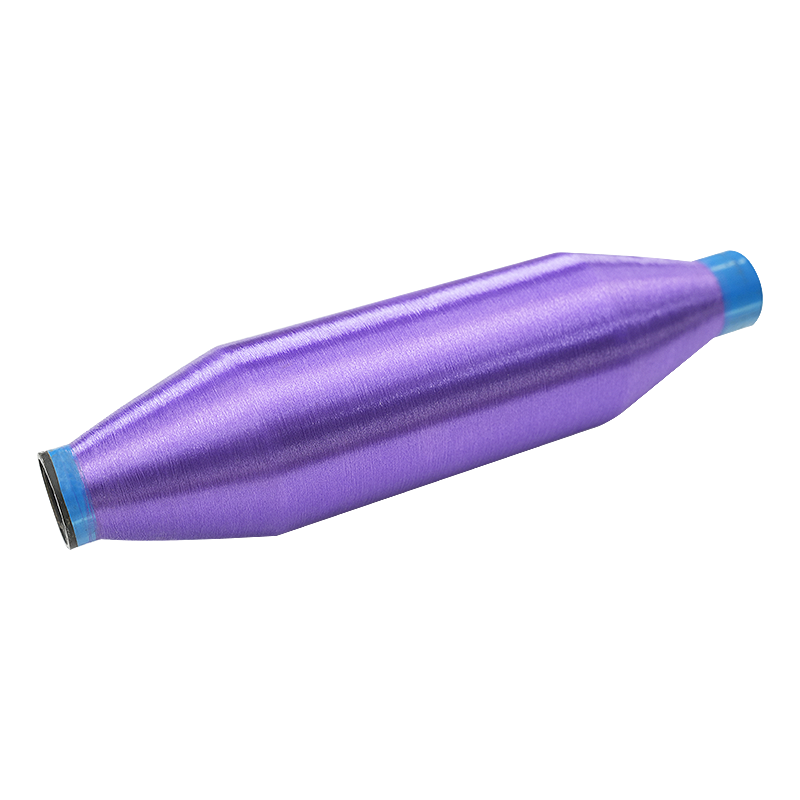
Graphene yarns can be produced by a variety of methods, including chemical vapor deposition (CVD) and wet spinning. In CVD, graphene is grown directly on a substrate, which is then removed to obtain g...
See Details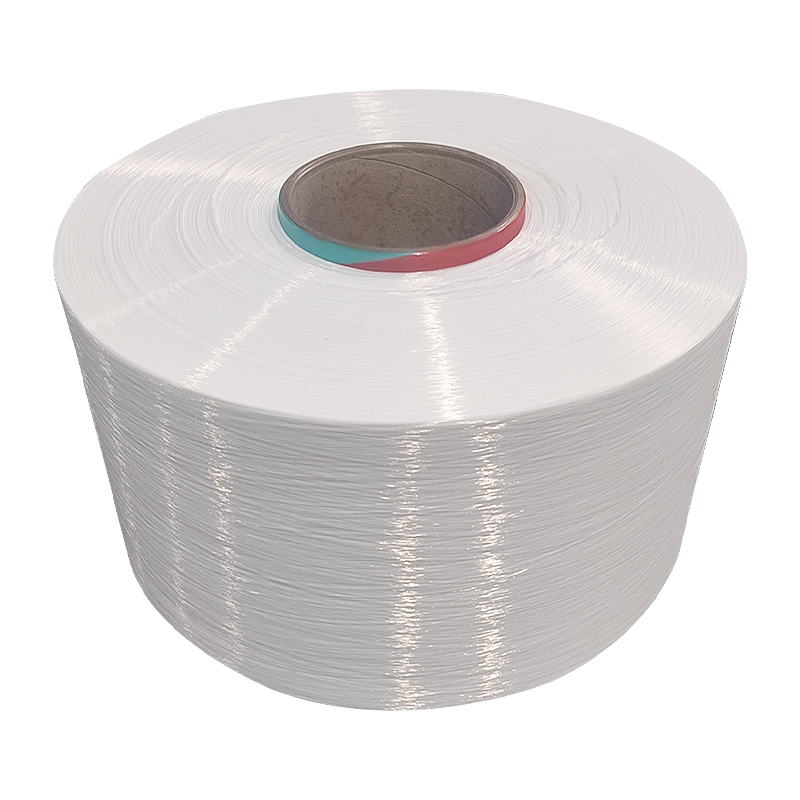
The diameter of Durable woven nylon mother yarn is 240D, the fiber thickness is medium, and it is suitable for the manufacture of a variety of textiles. This product has good tensile strength and will...
See Details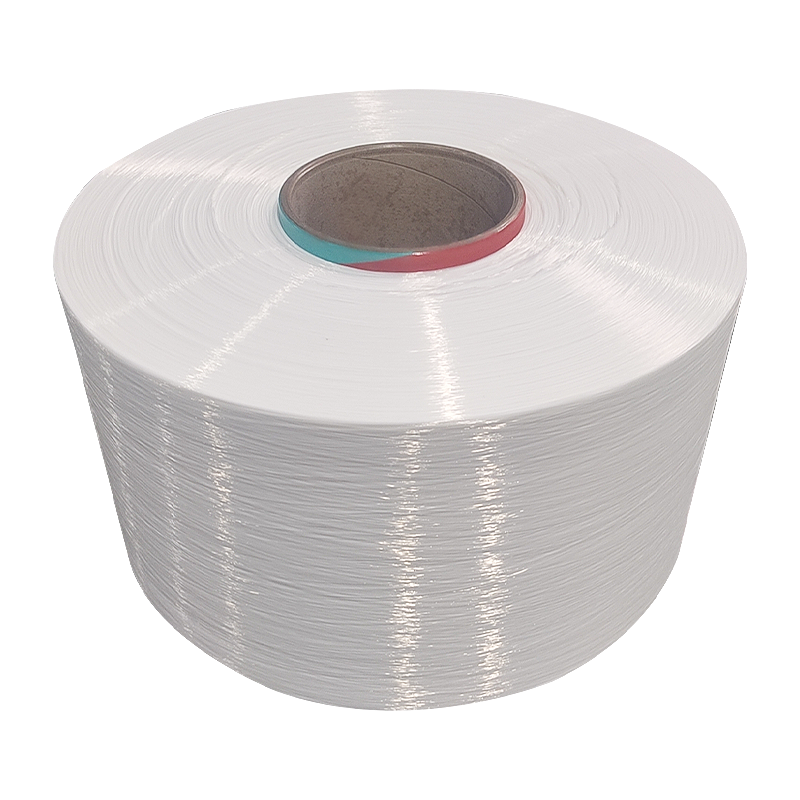
300D Nylon Mother Yarn is made of nylon material, a synthetic fiber with abrasion resistance, strength and durability. It is therefore suitable for manufacturing various types of textiles, such as clo...
See Details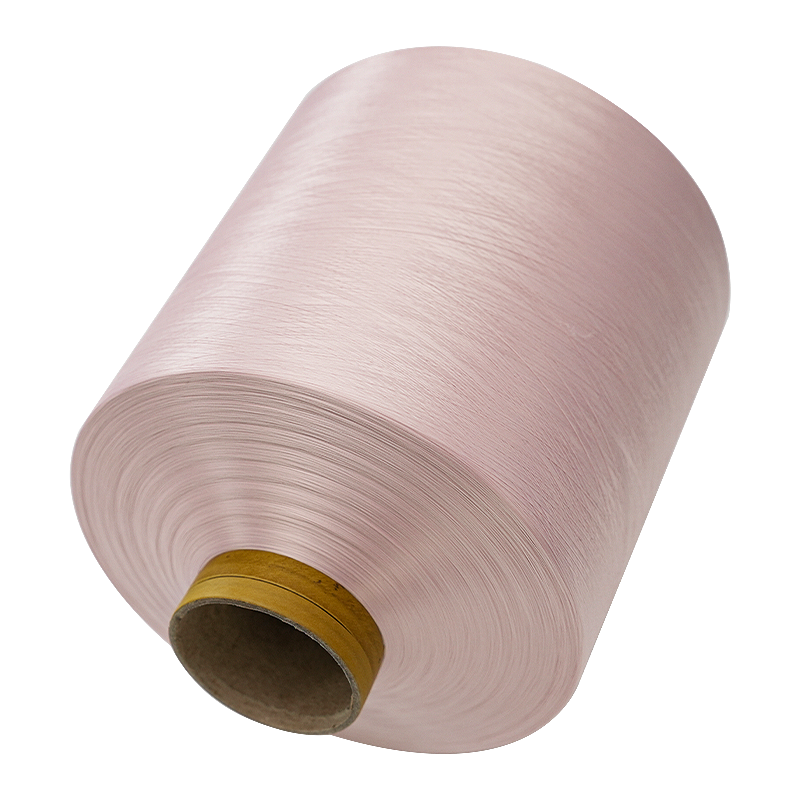
Double-strand nylon elastic yarn is a composite yarn composed of two strands of yarn. It has high strength, maintains stable performance even in a stretched state, and is not easy to break or deform. ...
See Details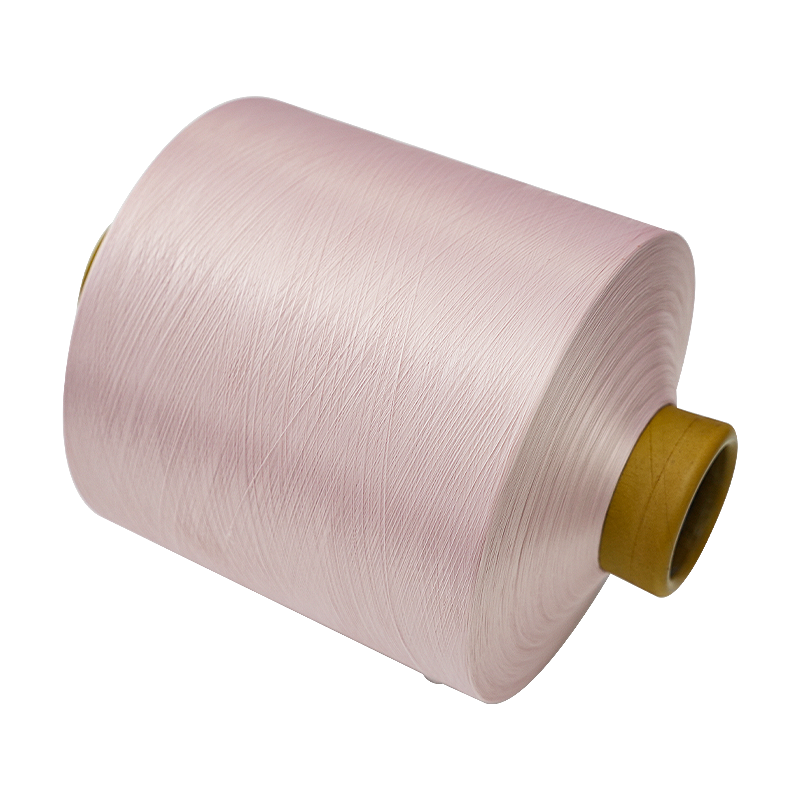
Fabrics made using Nylon elastic yarn for Weaving are lightweight, soft, comfortable and breathable, making them suitable for long-term wear. Made of high-quality nylon material with wear resistance, ...
See Details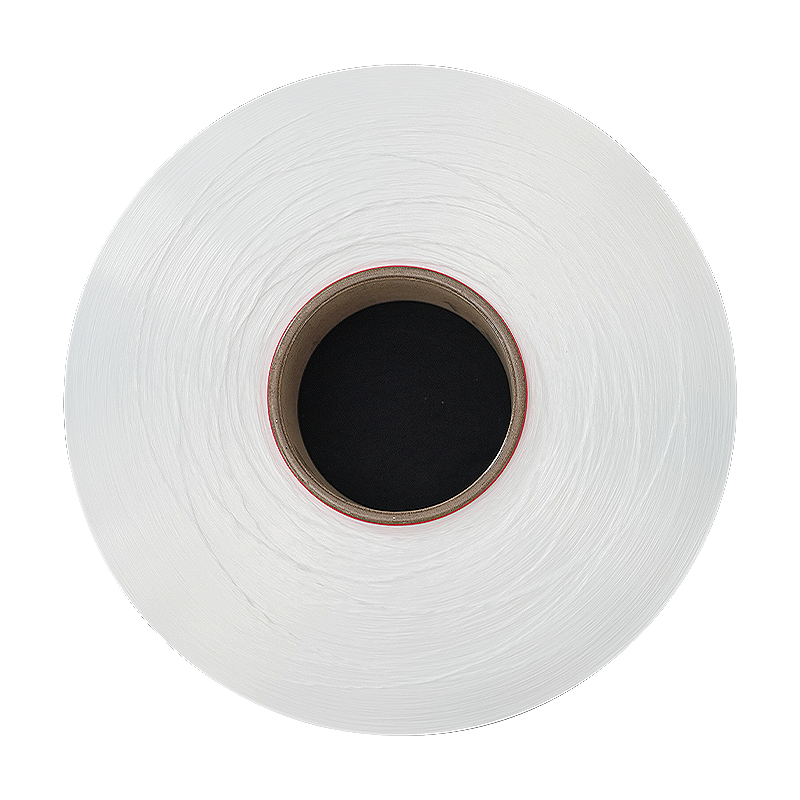
Fully stretched polyester blended yarn is made of a blend of polyester and nylon. Polyester itself has good wear resistance. After full stretch processing, the strength and softness of the yarn increa...
See Details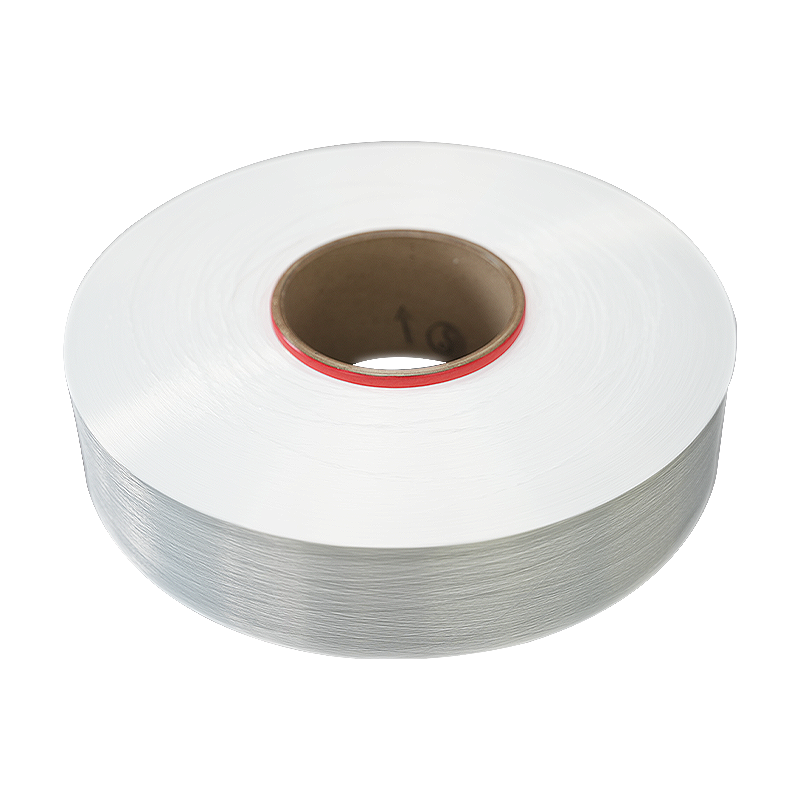
Low-melt textile FDY yarn can bond with other fibers at a certain temperature to form a strong fabric structure. This property makes it ideal for manufacturing synthetic or reinforced fabrics. This ki...
See Details
Composite fiber yarn for textile use consists of 48 monofilaments. Relatively thin and composed of multiple filaments, it adds softness and texture to the fabric. This product is suitable for the manu...
See Details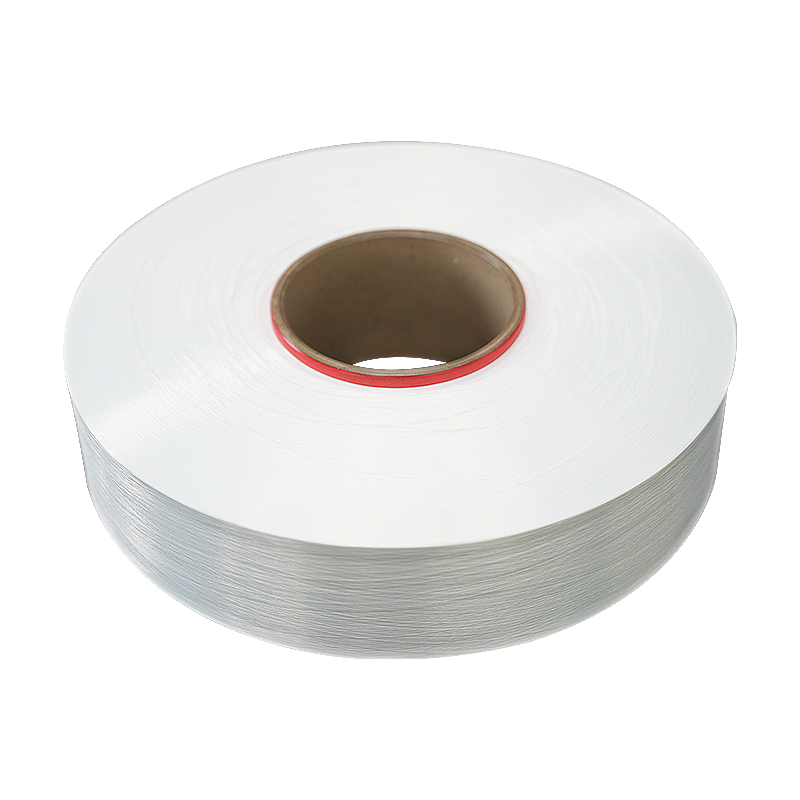
Water-repellent high Filament spun yarn has strong water resistance, providing an extremely delicate touch while retaining strength. Suitable for a wide range of applications from intricate embroidery...
See DetailsAddress: Duntou industrial park, haian county, nantong city,jiangsu province ,China.
TEL: +86 15850491859
E-mail: sales-betty@hsnylon.com
If You Are Interested In Our Products, Please Consult Us
 Wholesale Nylon Filament Yarn Manufacturers