
 English
 中文简体
中文简体
 русский
 Español
 عربى
عربى
Product Consultation
Your email address will not be published. Required fields are marked *
In the vast universe of materials science, graphene shines with its physical and chemical properties, and graphene yarn is an important branch of graphene applications, which is gradually unveiling its mysterious veil. Chemical vapor deposition (CVD) is an efficient and controllable nanomaterial synthesis technology, which has opened up a unique path for the production of graphene yarn.
1. In the process of CVD production of graphene yarn, it is necessary to select a suitable substrate, usually a fibrous material with high specific surface area, good thermal stability and chemical stability, such as carbon fiber, glass fiber or polymer fiber. These substrates are strictly cleaned and pretreated to remove surface impurities and oxides, providing a clean and active substrate for subsequent graphene growth.
2. Next, it is key to build a precise CVD reaction chamber, which is equipped with a precisely controlled heating system, gas delivery system and vacuum system to ensure that the entire growth process is carried out in a highly controlled environment. The heating system is responsible for heating the substrate to an appropriate high temperature, usually between several hundred and thousands of degrees Celsius, to activate the substrate surface and promote the growth of graphene. The gas delivery system is responsible for introducing carbon source gas (such as methane, ethylene, etc.) and carrier gas (such as hydrogen, argon, etc.) into the reaction chamber to provide the necessary raw materials and atmosphere for the growth of graphene.
3. When everything is ready, the CVD growth process begins. At high temperatures, carbon source gas molecules are cracked on the surface of the substrate to form carbon atoms or carbon atom groups. These carbon atoms or atom groups diffuse and recombine on the surface of the substrate to gradually form a continuous graphene layer. By precisely controlling parameters such as reaction time, temperature, and gas flow, the thickness, structure, and quality of the graphene layer can be regulated. In this process, the carrier gas helps transport the carbon source gas, and also plays a role in dilution and protection to prevent the carbon source gas from directly burning or forming unnecessary byproducts.
4. After the growth is completed, the graphene yarn needs to be post-processed to further optimize its performance. This includes removing residual carbon source gas, impurities and oxide layers, and improving the bonding strength between graphene and the substrate through chemical modification, heat treatment and other methods. At the same time, continuous graphene layers can be converted into fibrous structures through processes such as stretching and spinning to form the final Graphene Yarn product.
Graphene Yarn is a perfect fusion of nanotechnology and modern materials engineering through the production process of chemical vapor deposition. It demonstrates the ability of human beings to precisely control the microscopic world, and opens the door to new materials, new technologies and new applications. With the deepening of research and the continuous maturity of technology, Graphene Yarn will surely show a broader application prospect in many fields such as smart textiles, energy storage, and electronic devices, bringing unprecedented changes and progress to human society.
What is the antiviral performance of 60D/1F Woven Antiviral Yarn?
2024-08-15
Introduction to the molecular structure of nylon in Nylon High Elastic Yarn
2024-09-02Your email address will not be published. Required fields are marked *
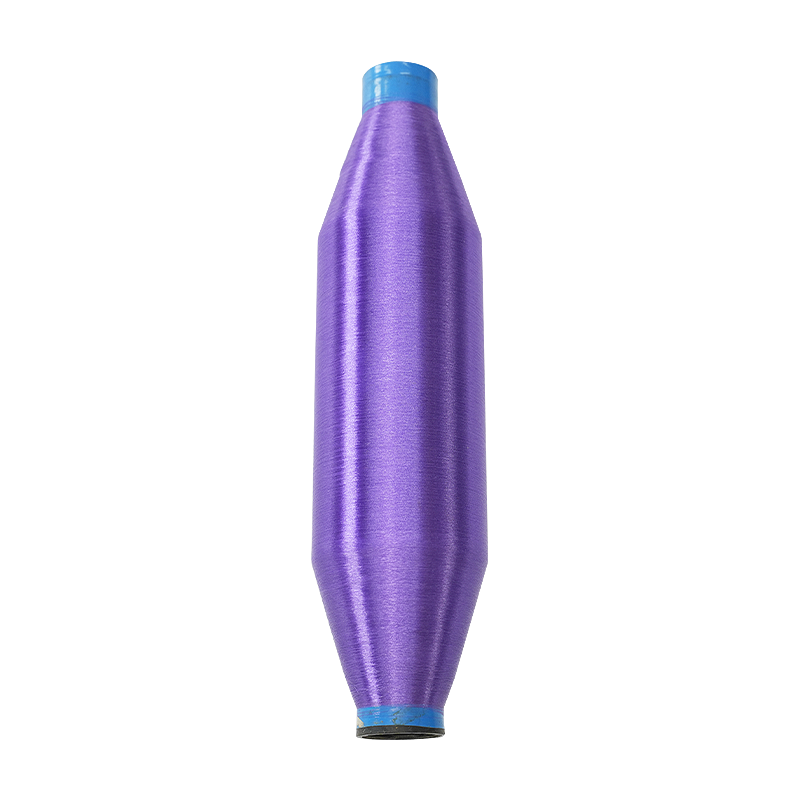
Single Strand Biodegradable Yarn is a single-strand structure, consisting of a single fiber bundle with no multiple strands tangled together. This structure makes the yarn softer, and smoother and exh...
See Details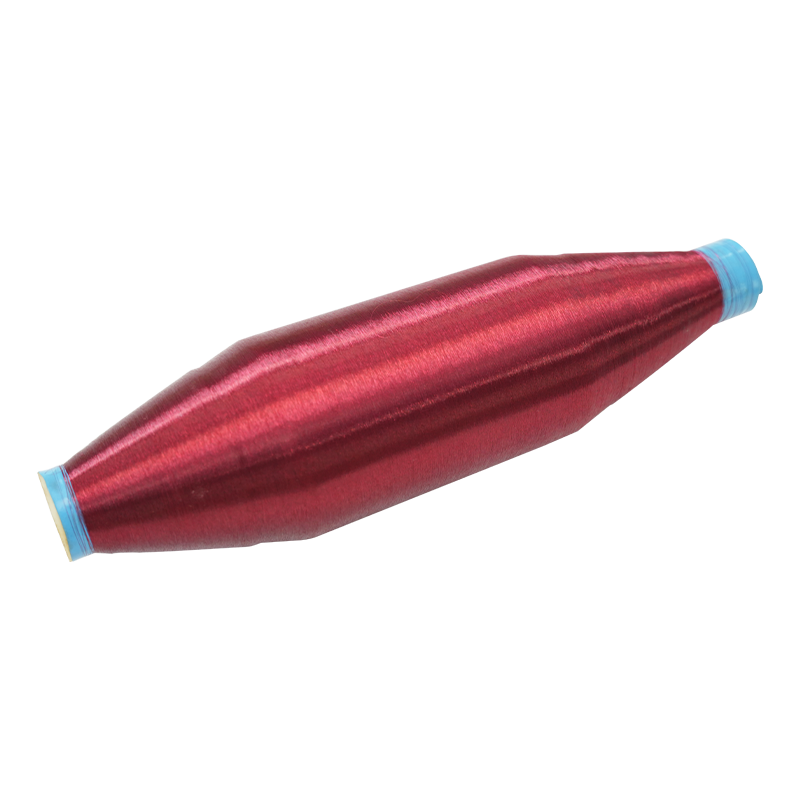
Antiviral nylon Monofilament Yarn can inhibit the survival of viruses on the surface of the yarn, which can effectively reduce the risk of virus transmission and improve user safety. The yarn has a mo...
See Details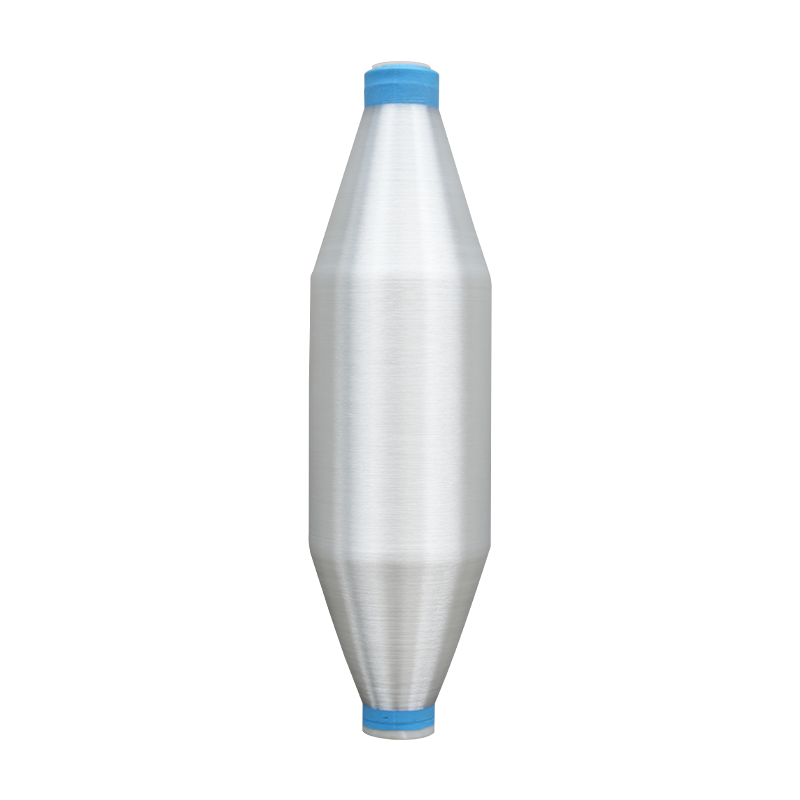
60D woven Antiviral Yarn is thin overall and suitable for making light and soft textiles. Nylon fiber has a soft feel and good breathability. This yarn is usually used to weave fabrics and can be made...
See Details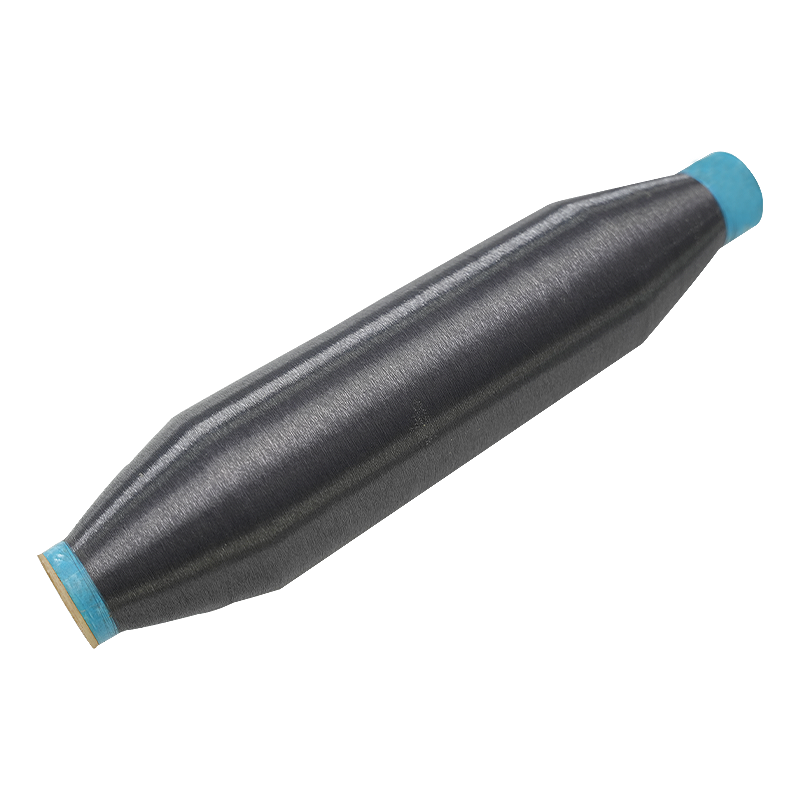
Elastic high-performance polyamide multifilament refers to a synthetic fiber made from polyamide polymer (commonly known as nylon). Resilient and high-performance properties make it suitable for a var...
See Details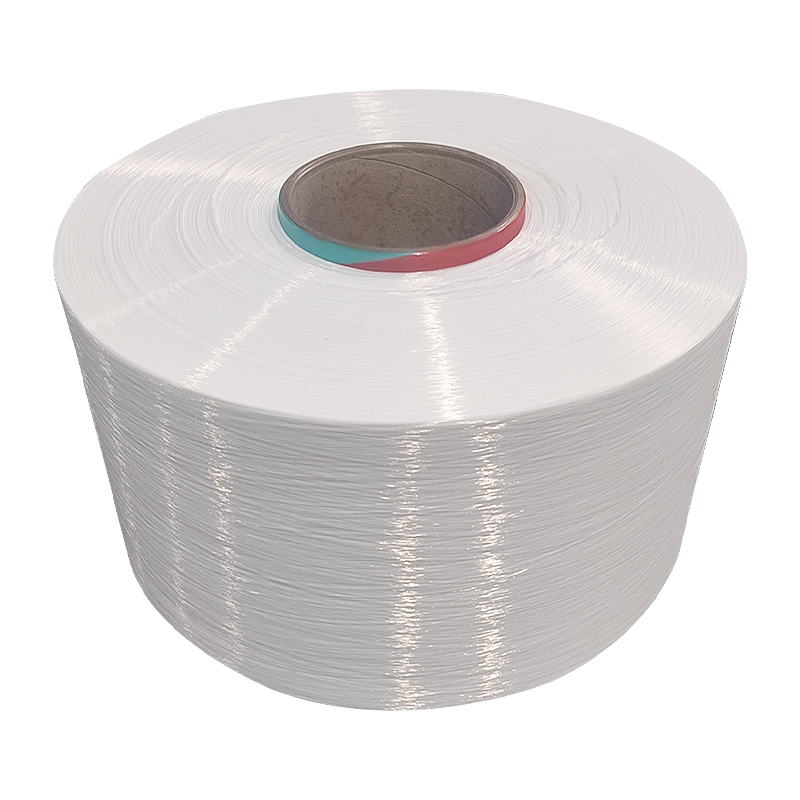
Colored Nylon Mother Yarn can be processed through spinning, drawing, dyeing and other processes to meet the needs of different textiles. It has good processing adaptability and can be made into vario...
See Details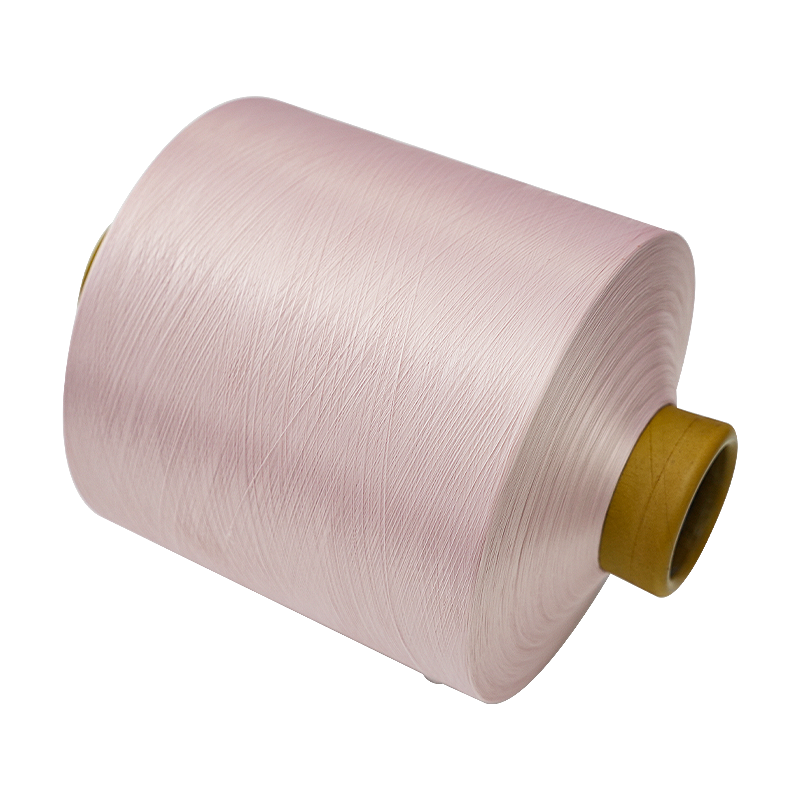
Fabrics made using Nylon elastic yarn for Weaving are lightweight, soft, comfortable and breathable, making them suitable for long-term wear. Made of high-quality nylon material with wear resistance, ...
See Details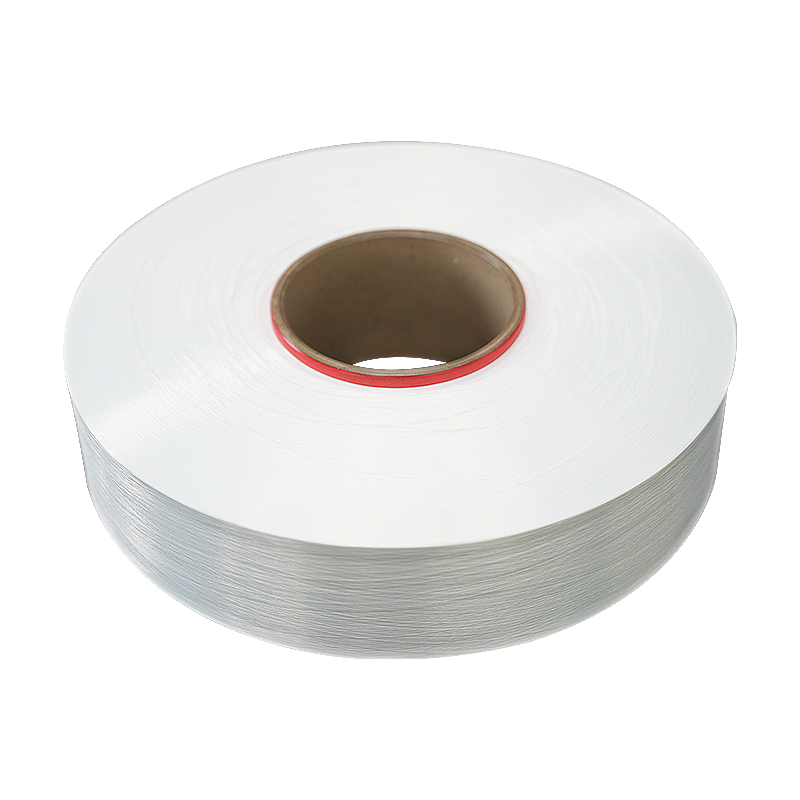
Polyester blended FDY yarn is a standard 50D yarn made from a blend of polyester and nylon. It combines the characteristics of both fibers and has durability and breathability. It has a wide range of ...
See Details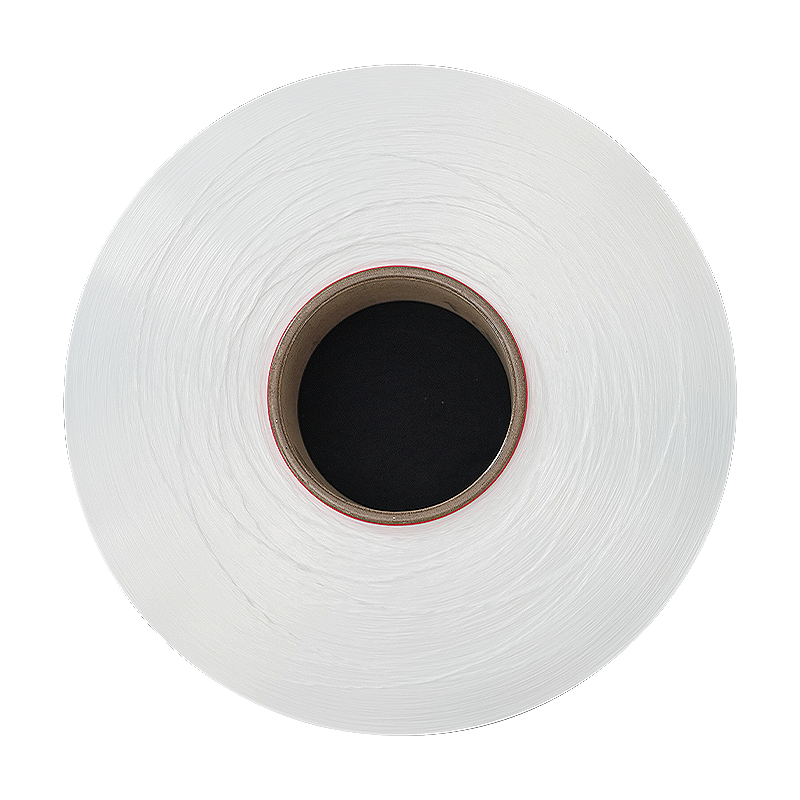
Durable composite nylon yarn has stretch and recovery properties, providing the necessary comfort, fit, and flexibility for clothing and textiles. Made of a blend of nylon fiber and polyester fiber, i...
See Details
Polyester FDY yarn for weaving has high strength. After FDY yarn is fully stretched, the strength is even better and is suitable for manufacturing fabrics requiring high strength. The fabric made usin...
See Details
High shrinkage blended polyester yarn has a high shrinkage rate and is suitable for textile manufacturing that requires shrinkage treatment, such as making pleated fabrics or textile shaping. Because ...
See Details
Composite fiber yarn for textile use consists of 48 monofilaments. Relatively thin and composed of multiple filaments, it adds softness and texture to the fabric. This product is suitable for the manu...
See Details
The fibers of 210D water-repellent yarn are relatively thick, making the yarn highly wear-resistant and durable, making it suitable for long-term use. Composite fiber enables yarn to have the advantag...
See DetailsAddress: Duntou industrial park, haian county, nantong city,jiangsu province ,China.
TEL: +86 15850491859
E-mail: sales-betty@hsnylon.com
If You Are Interested In Our Products, Please Consult Us
 Wholesale Nylon Filament Yarn Manufacturers