
 English
 中文简体
中文简体
 русский
 Español
 عربى
عربى
Product Consultation
Your email address will not be published. Required fields are marked *
Nylon High Elastic Yarn is widely used in many fields such as clothing, sports equipment and home textiles due to its good elasticity and strength. Among them, wear resistance is one of the important indicators to evaluate its performance. Wear resistance directly affects the service life of the product and determines the user experience.
1. Characteristics of the material itself
Nylon itself is a synthetic fiber known for its good strength and toughness. Different types of nylon (such as nylon 6, nylon 66) have different physical properties, and these differences directly affect the wear resistance of the yarn. Generally speaking, nylon 66 is relatively more wear-resistant due to its higher crystallinity and strength.
The degree of twisting of nylon high-elastic yarn directly affects its wear resistance. Proper twisting can enhance the structural stability of the yarn and make it less susceptible to damage during friction. Too high or too low twist may reduce the wear resistance, too high twist may cause the yarn to become brittle, and too low twist may make it easy to loosen.
2. Fabric structure and weaving process
The abrasion resistance of yarns is also closely related to the fabric structure they form. Tightly woven structures generally have higher wear resistance because they can effectively disperse external forces and reduce wear and tear on individual yarns. Conversely, a loose weave structure may cause wear to be concentrated in one location, thus accelerating yarn damage.
The impact of different weaving processes on wear resistance cannot be ignored. The use of advanced weaving technology can improve the overall strength and wear resistance of the fabric. For example, some special weaving methods can enhance the friction between yarns and improve the overall wear resistance of the fabric.
3. Usage environment
The abrasion resistance of nylon high-elastic yarn is also affected by the type of friction in the use environment. Static friction and dynamic friction have different effects on yarns. Generally speaking, wear caused by dynamic friction is more severe than static friction, so yarns used in high friction environments need to have higher wear resistance.
The temperature and humidity of the environment also affect the abrasion resistance of nylon yarn. High temperature environment may cause the strength of nylon fibers to decrease, while high humidity may cause the yarn to increase hygroscopicity, thus affecting its friction properties. Maintaining a suitable storage and use environment is crucial to improving the abrasion resistance of the yarn.
4. External factors
Certain chemicals (such as acids, alkalis, solvents, etc.) can also affect the wear resistance of nylon. Prolonged exposure to chemical environments can cause nylon fibers to degrade and reduce their wear resistance. Therefore, choosing the right nylon high-elastic yarn to adapt to a specific chemical environment is the key to ensuring product performance.
The frequency of use and degree of loading of the yarn in the actual application will also affect its wear resistance. Frequent stretching and friction will accelerate the wear of the yarn and shorten its service life. Therefore, when designing a product, the expected use environment and load should be taken into consideration to select the appropriate yarn type and structure.
What is the polymerization and spinning process during the production of 300D/10F Nylon Mother Yarn?
2024-09-16
What factors affect the wear resistance of Nylon Mother Yarn?
2024-10-01Your email address will not be published. Required fields are marked *
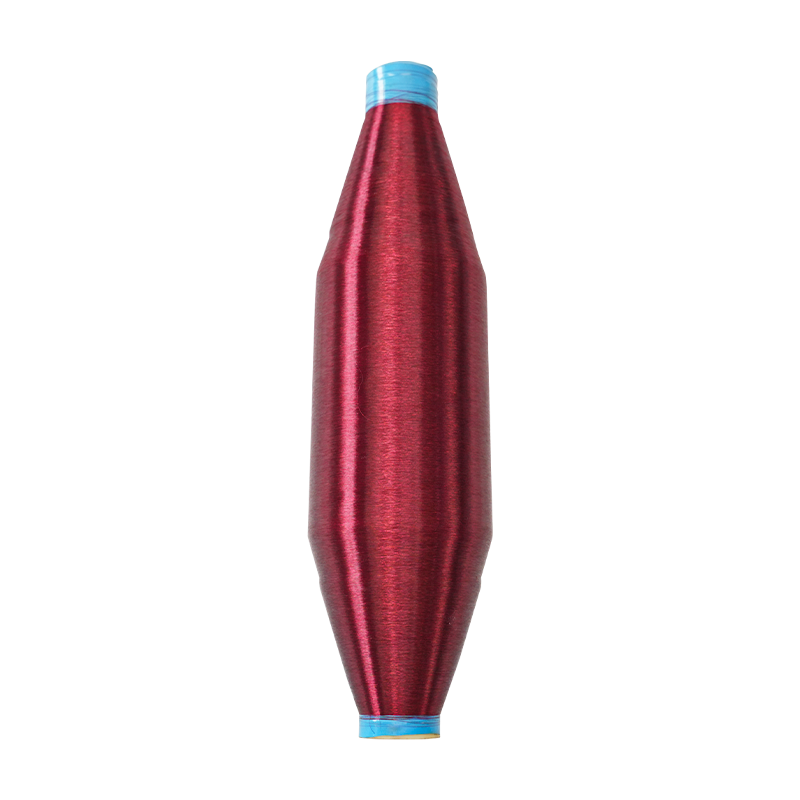
Biodegradable nylon yarn biodegrades faster in the environment than traditional synthetic fibers, helping to reduce negative environmental impacts. It also has the properties of nylon fiber, such as h...
See Details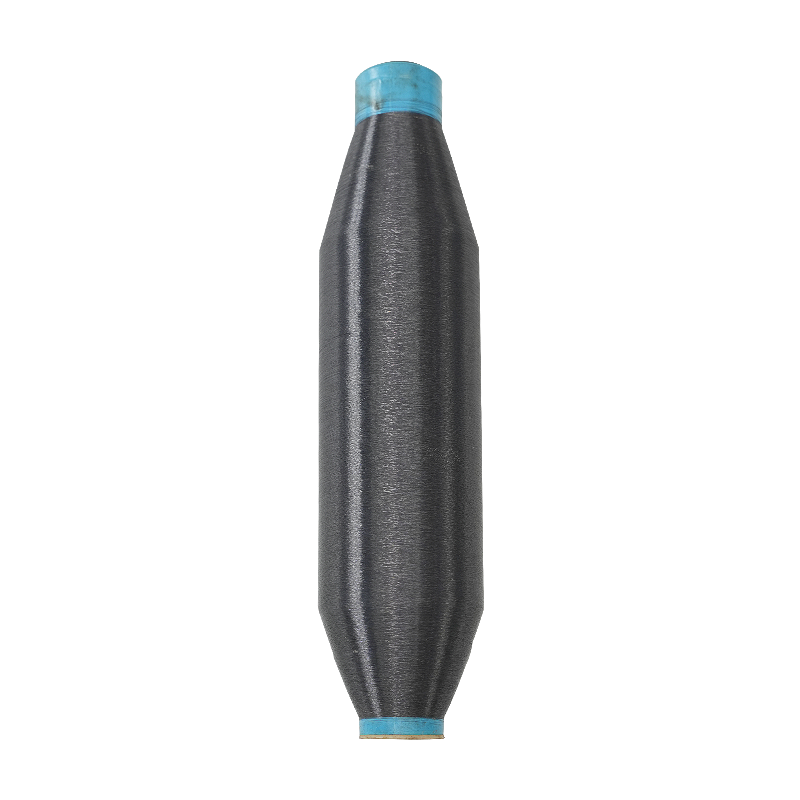
Nylon is a synthetic fiber with good strength and wear resistance, so 40D biodegradable yarn inherits the properties of nylon fiber. It has tensile strength, abrasion resistance and corrosion resistan...
See Details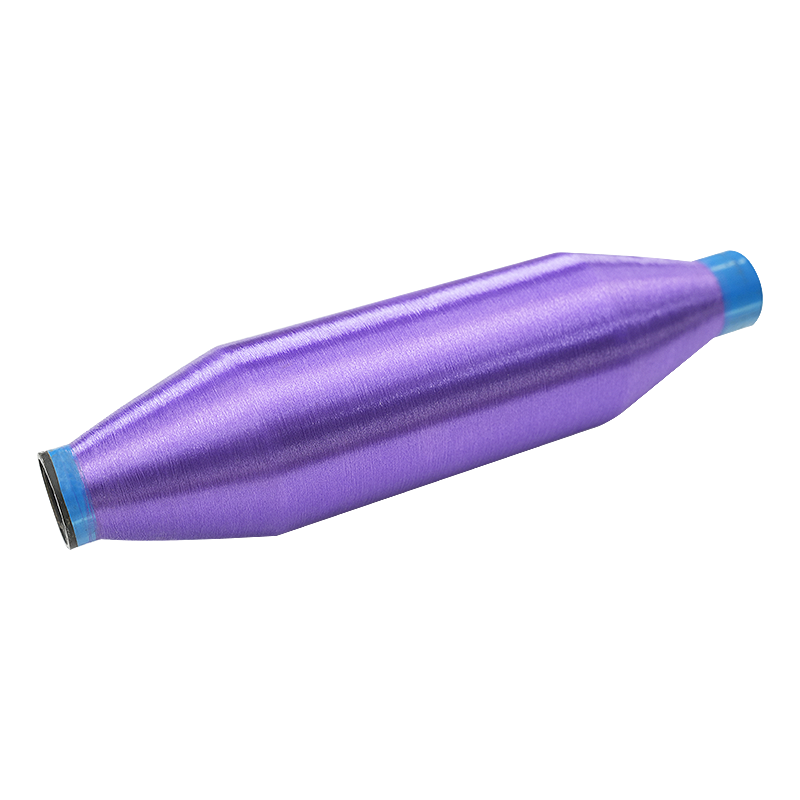
Graphene yarns can be produced by a variety of methods, including chemical vapor deposition (CVD) and wet spinning. In CVD, graphene is grown directly on a substrate, which is then removed to obtain g...
See Details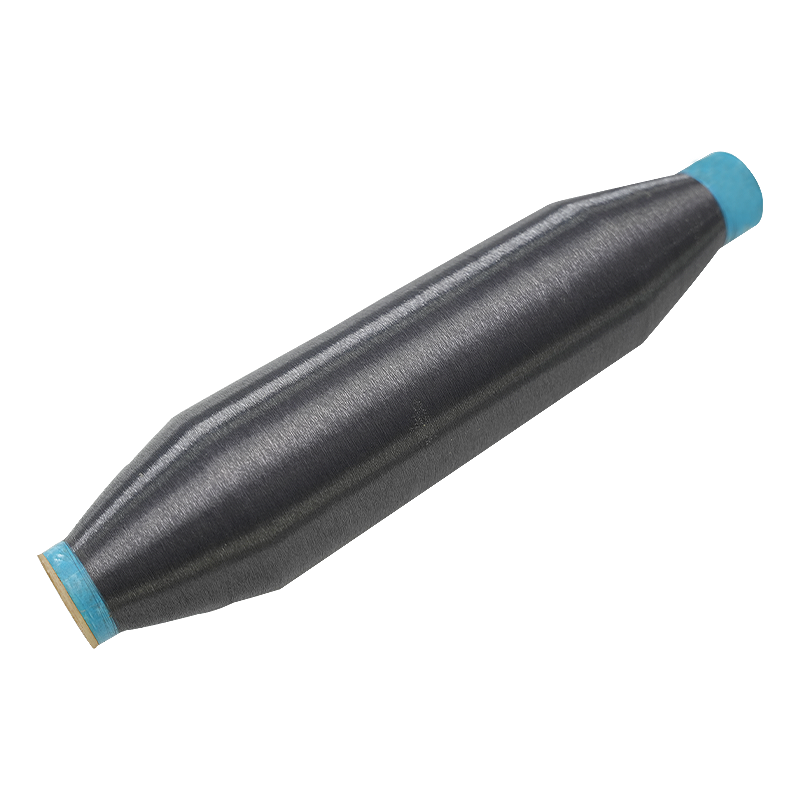
Elastic high-performance polyamide multifilament refers to a synthetic fiber made from polyamide polymer (commonly known as nylon). Resilient and high-performance properties make it suitable for a var...
See Details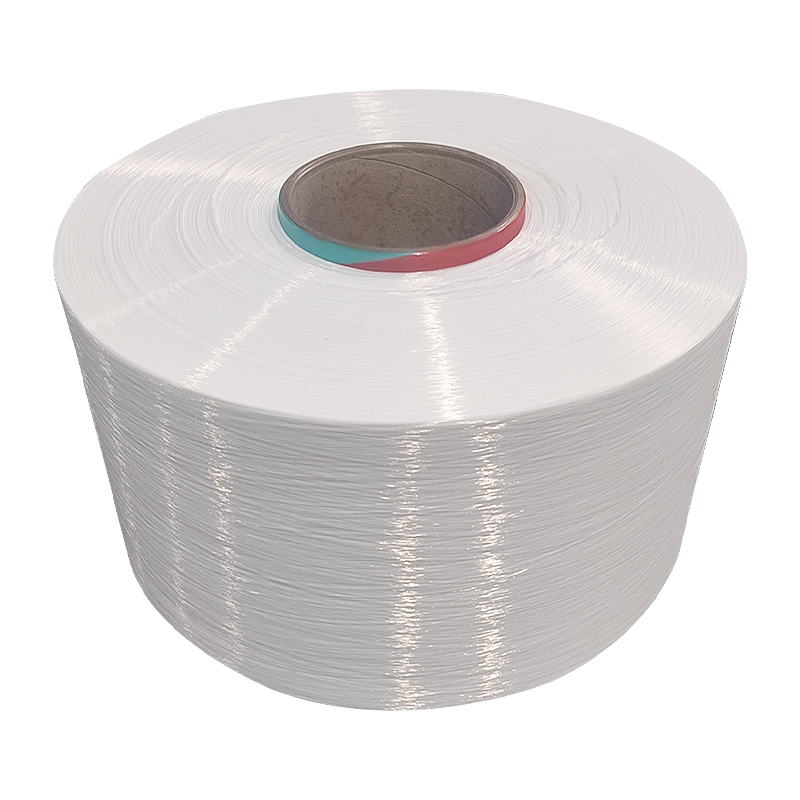
Colored Nylon Mother Yarn can be processed through spinning, drawing, dyeing and other processes to meet the needs of different textiles. It has good processing adaptability and can be made into vario...
See Details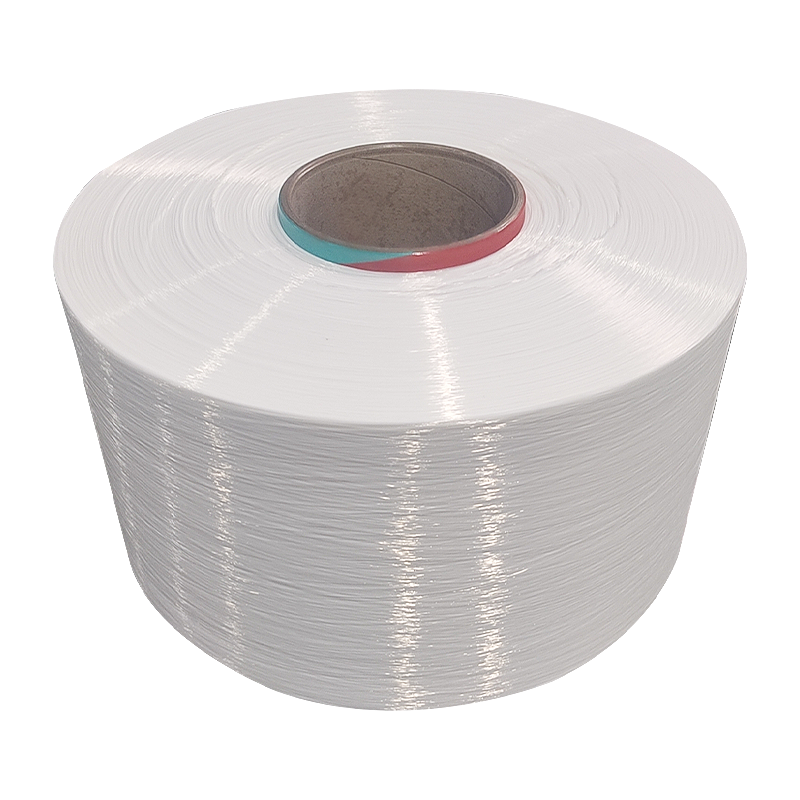
300D Nylon Mother Yarn is made of nylon material, a synthetic fiber with abrasion resistance, strength and durability. It is therefore suitable for manufacturing various types of textiles, such as clo...
See Details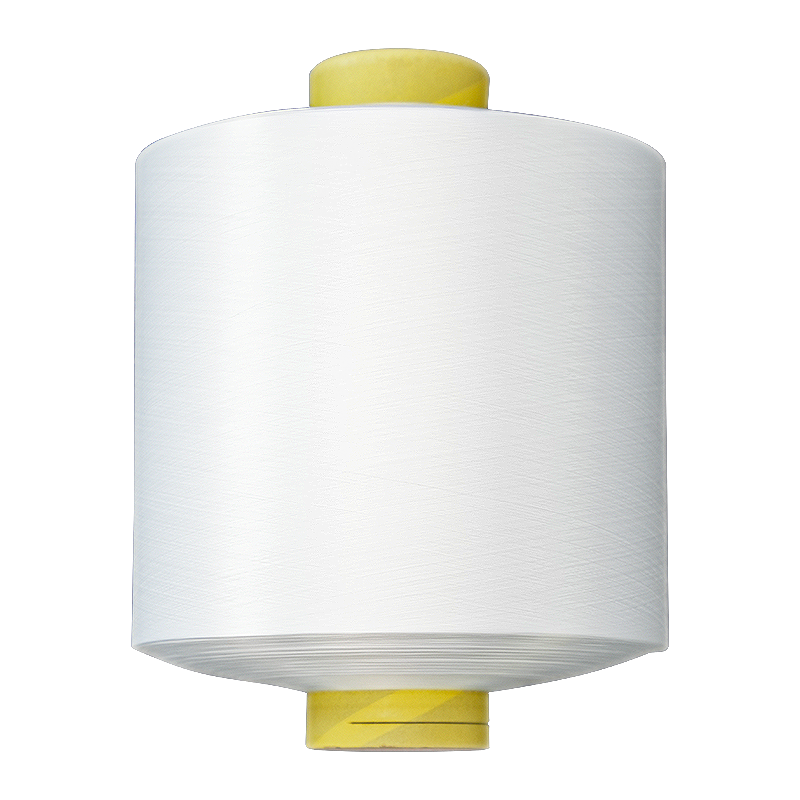
Nylon stretch sportswear yarn is a yarn used to make sportswear and other clothing that require high breathability. Nylon fiber has good breathability, which helps to wick away perspiration and keep t...
See Details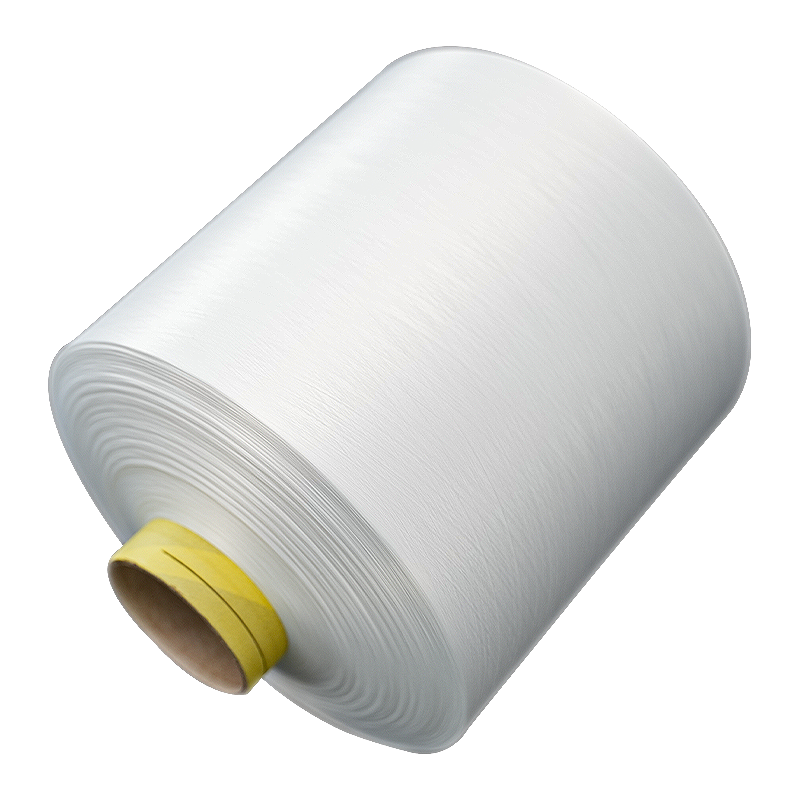
Nylon elastic yarn for textile use has a wide range of applications. Nylon elastic yarn is suitable for the manufacture of various textiles, such as underwear, socks, sportswear, swimwear, elastic fab...
See Details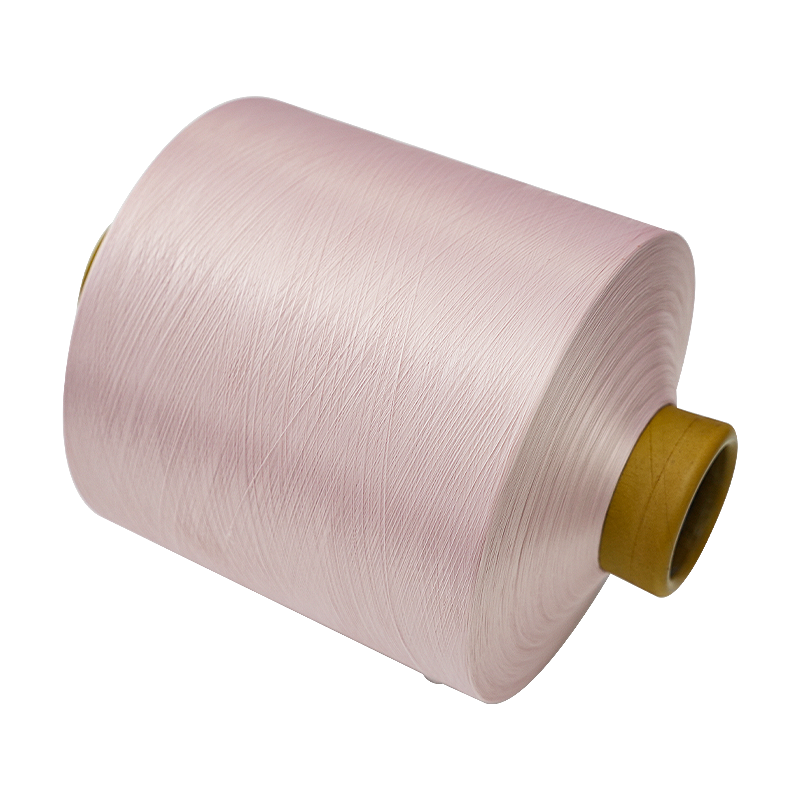
Fabrics made using Nylon elastic yarn for Weaving are lightweight, soft, comfortable and breathable, making them suitable for long-term wear. Made of high-quality nylon material with wear resistance, ...
See Details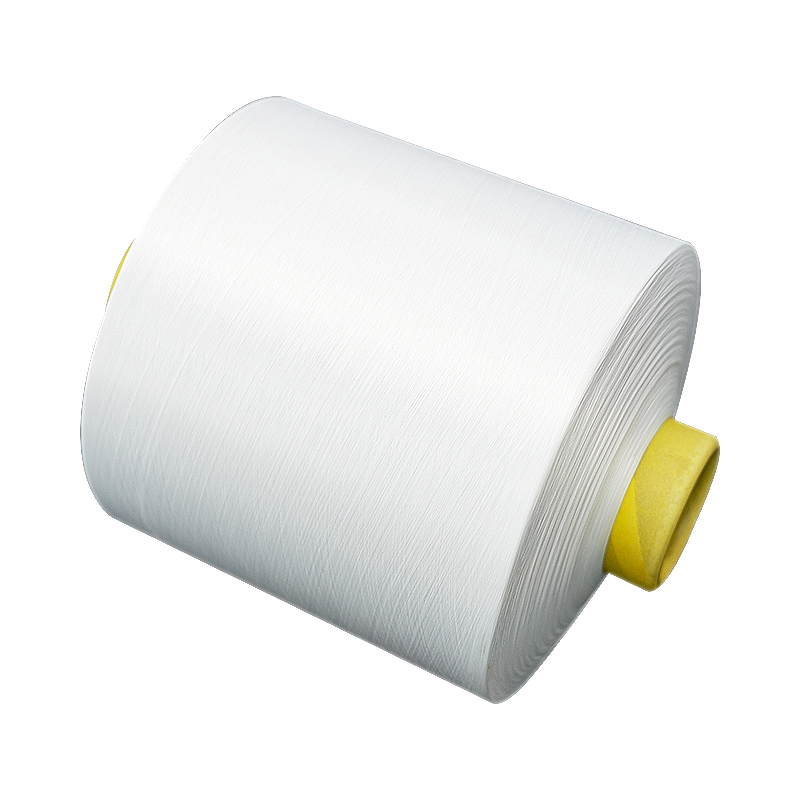
100D Nylon Elastic Yarn has a moderate thickness and good dyeing properties, which can achieve uniform and durable dyeing effects, making textiles bright and long-lasting in color. A yarn frequently u...
See Details
Polyester FDY yarn for weaving has high strength. After FDY yarn is fully stretched, the strength is even better and is suitable for manufacturing fabrics requiring high strength. The fabric made usin...
See Details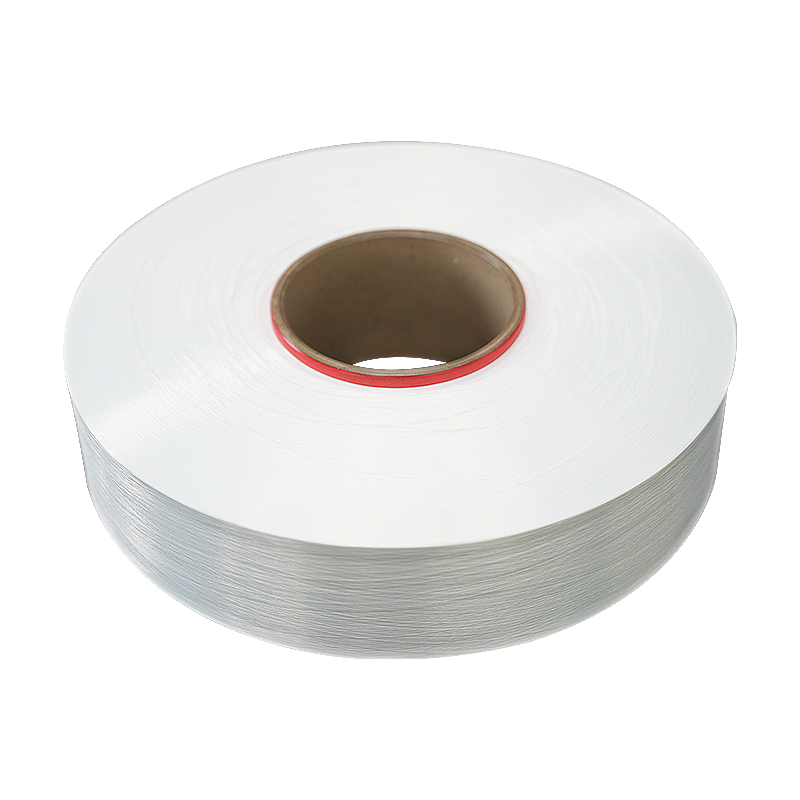
Water-repellent high Filament spun yarn has strong water resistance, providing an extremely delicate touch while retaining strength. Suitable for a wide range of applications from intricate embroidery...
See DetailsAddress: Duntou industrial park, haian county, nantong city,jiangsu province ,China.
TEL: +86 15850491859
E-mail: sales-betty@hsnylon.com
If You Are Interested In Our Products, Please Consult Us
 Wholesale Nylon Filament Yarn Manufacturers