
 English
 中文简体
中文简体
 русский
 Español
 عربى
عربى
Product Consultation
Your email address will not be published. Required fields are marked *
The quality of nylon elastic yarn is affected by many factors, which run through all aspects of production. From the selection of raw materials to the control of processing technology, to the subsequent storage and use, each link may have an impact on the final performance.
When producing nylon elastic yarn, the purity and quality of the raw materials are crucial. Impurities in the raw materials will affect the uniformity of the fiber, thereby reducing elasticity and strength. During the production process, the control of temperature and humidity is also a key factor. Too high temperature may cause excessive shrinkage of the fiber and affect elasticity, while too low temperature may affect the stability of spinning. Excessive humidity will affect the hygroscopicity of the fiber and make it easy to agglomerate, while too low humidity may cause static electricity problems and affect the molding effect of the fiber.
The control of the spinning process is also an important link in determining the quality of nylon elastic yarn. During the spinning process, the setting of the stretch ratio needs to be precisely adjusted. If the stretch ratio is too large, the fiber is easy to break and the elasticity is reduced; if the stretch ratio is too small, the fiber strength may be insufficient, affecting durability. The control of the cooling and shaping process also directly affects the stability and elastic performance of the fiber. Cooling too fast may cause uneven molecular arrangement and stress inside the fiber, while cooling too slowly may affect the crystallinity of the fiber and reduce its elasticity and resilience.
Dyeing and finishing processes are also important links that affect the quality of nylon stretch yarn. During the dyeing process, the selection and use of dyes will affect the color fastness and feel of the fiber. If the dye molecules are too large, it may affect the permeability and make the fiber color uneven. If the auxiliaries and chemicals used in the dyeing and finishing process are not properly controlled, they may affect the softness and durability of the fiber. The temperature and time control of the finishing process needs to be precise to ensure that the fiber can maintain excellent elasticity without reducing the wear resistance due to excessive treatment.
Storage and transportation conditions also have an important impact on the quality of nylon stretch yarn. If the temperature and humidity in the storage environment fluctuate greatly, the fiber may absorb moisture, expand or shrink, affecting the final use effect. Avoid direct sunlight during storage, otherwise ultraviolet rays may degrade the fiber and affect its service life. Improper packaging during transportation may cause the fiber to be squeezed or rubbed, affecting the appearance and quality.
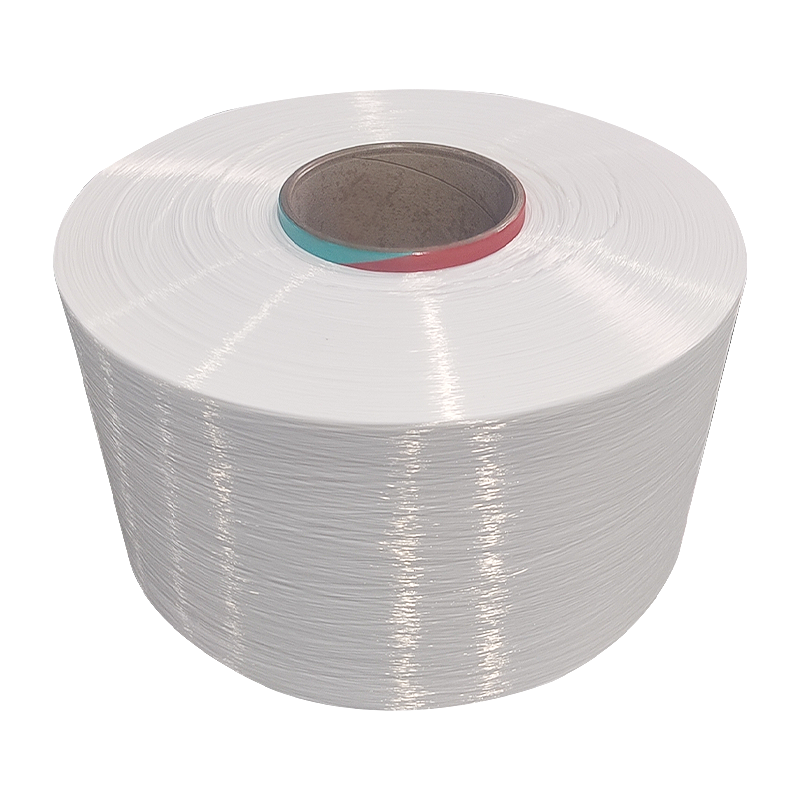
Will the performance of nylon mother yarn deteriorate due to factors such as ultraviolet rays and oxidation?
2025-02-25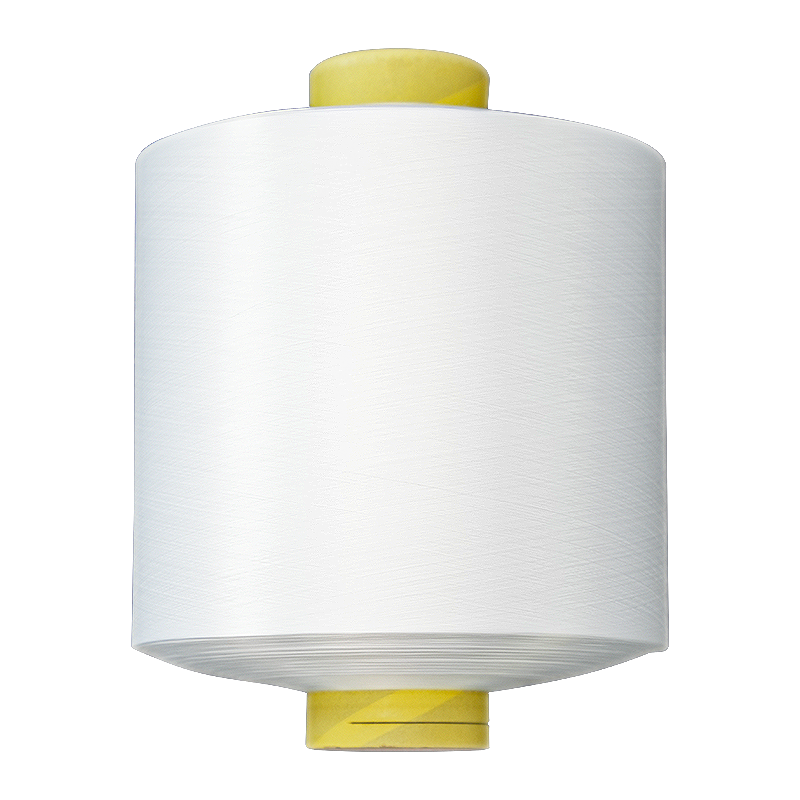
Will the performance of nylon elastic yarn deteriorate during long-term use?
2025-03-11Your email address will not be published. Required fields are marked *
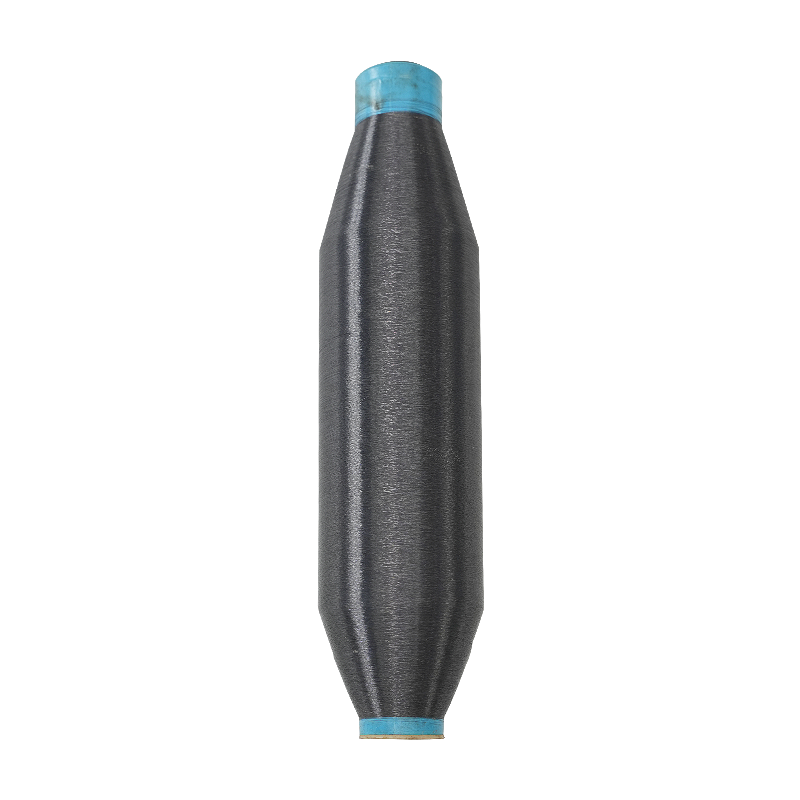
Nylon is a synthetic fiber with good strength and wear resistance, so 40D biodegradable yarn inherits the properties of nylon fiber. It has tensile strength, abrasion resistance and corrosion resistan...
See Details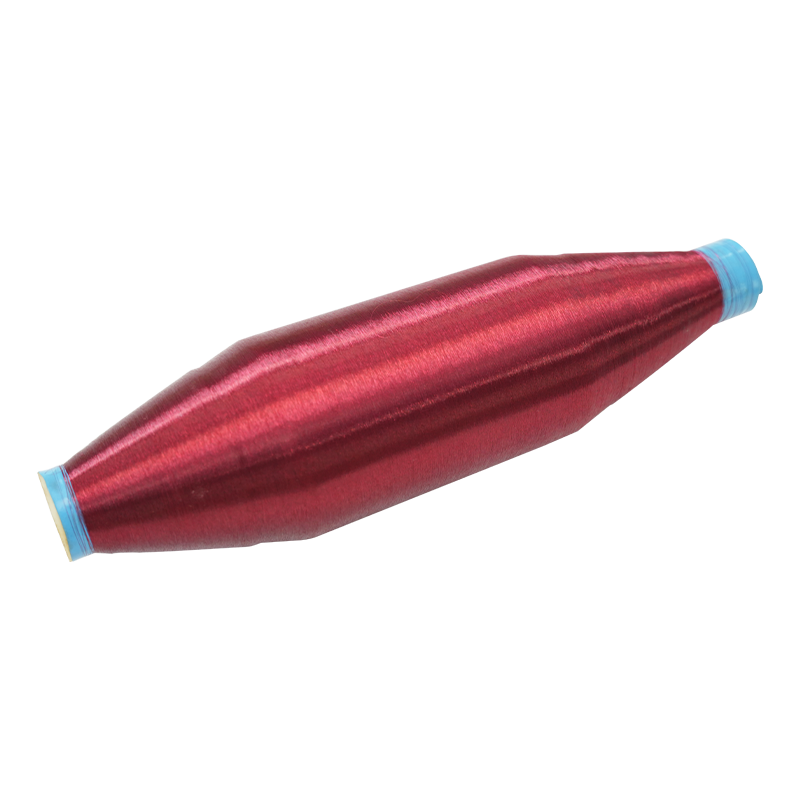
Antiviral nylon Monofilament Yarn can inhibit the survival of viruses on the surface of the yarn, which can effectively reduce the risk of virus transmission and improve user safety. The yarn has a mo...
See Details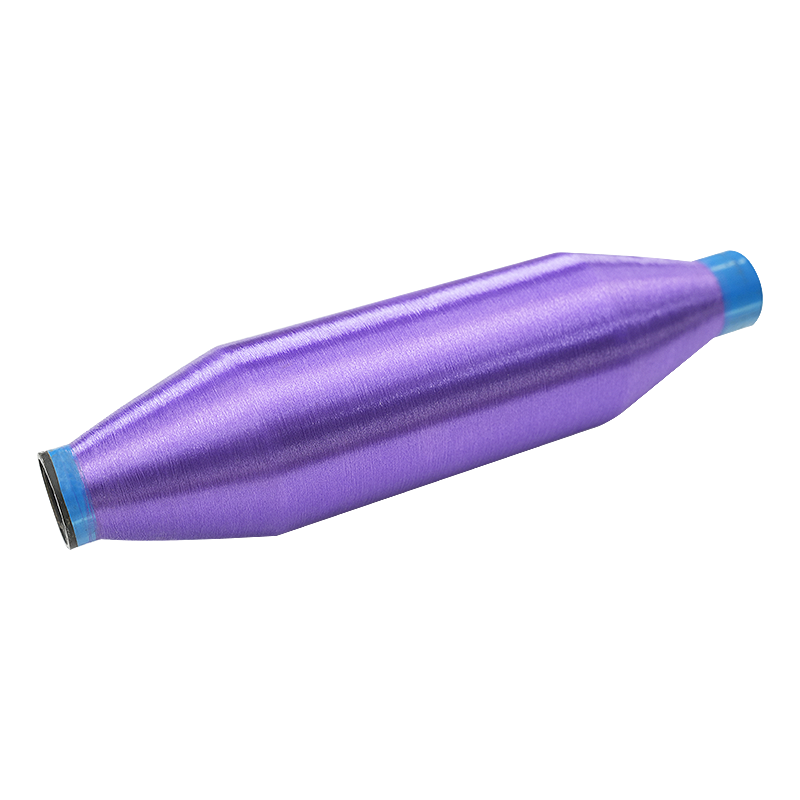
Graphene yarns can be produced by a variety of methods, including chemical vapor deposition (CVD) and wet spinning. In CVD, graphene is grown directly on a substrate, which is then removed to obtain g...
See Details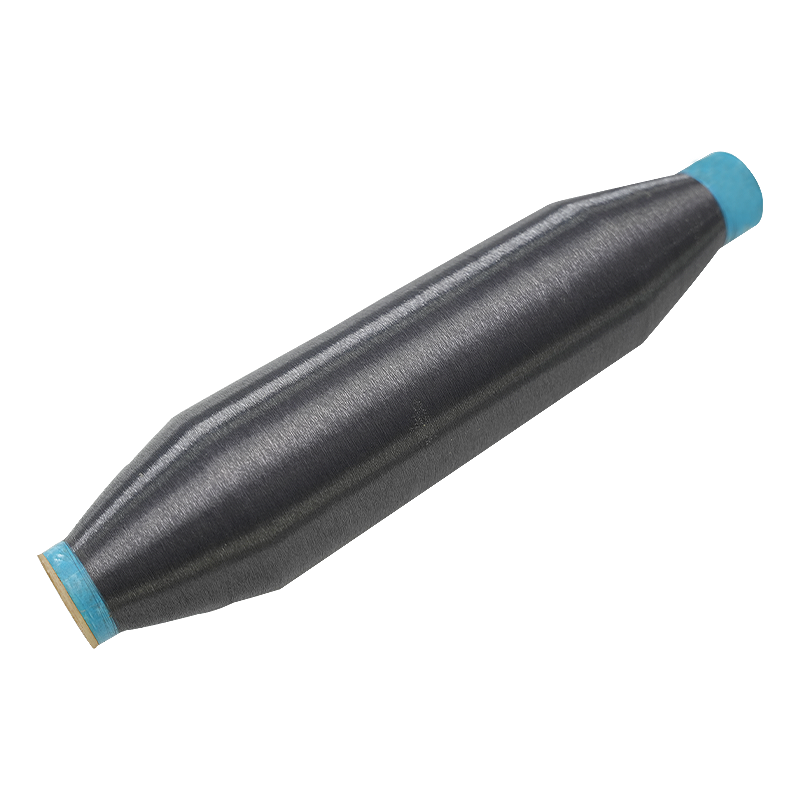
Elastic high-performance polyamide multifilament refers to a synthetic fiber made from polyamide polymer (commonly known as nylon). Resilient and high-performance properties make it suitable for a var...
See Details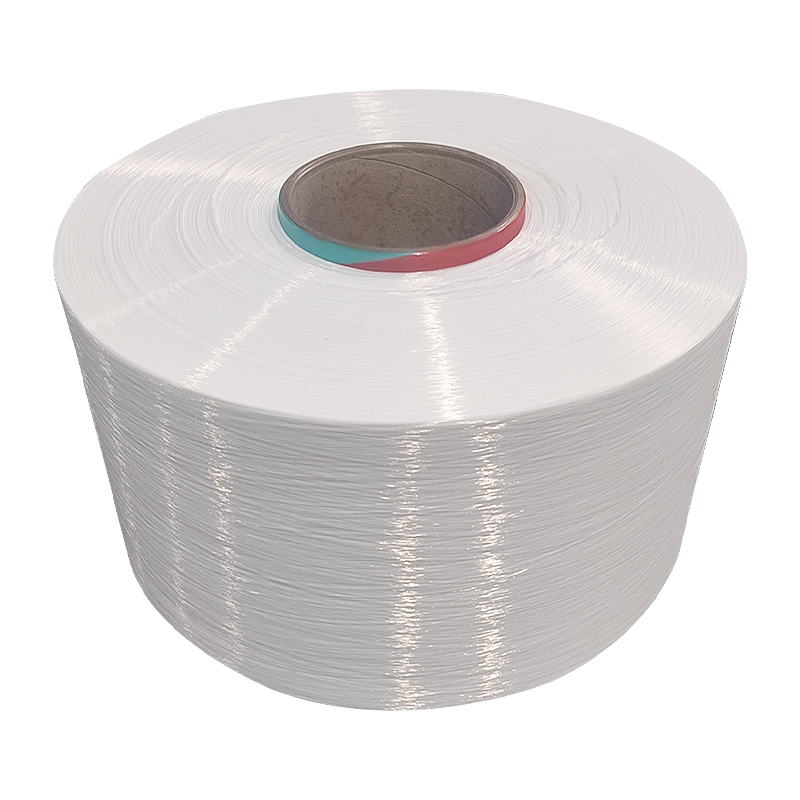
Colored Nylon Mother Yarn can be processed through spinning, drawing, dyeing and other processes to meet the needs of different textiles. It has good processing adaptability and can be made into vario...
See Details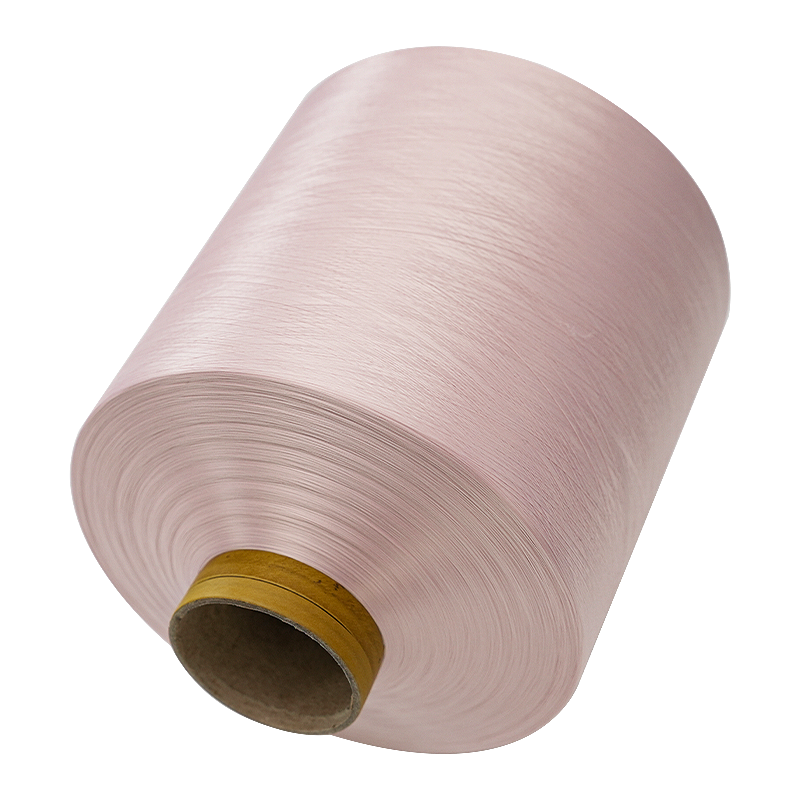
Double-strand nylon elastic yarn is a composite yarn composed of two strands of yarn. It has high strength, maintains stable performance even in a stretched state, and is not easy to break or deform. ...
See Details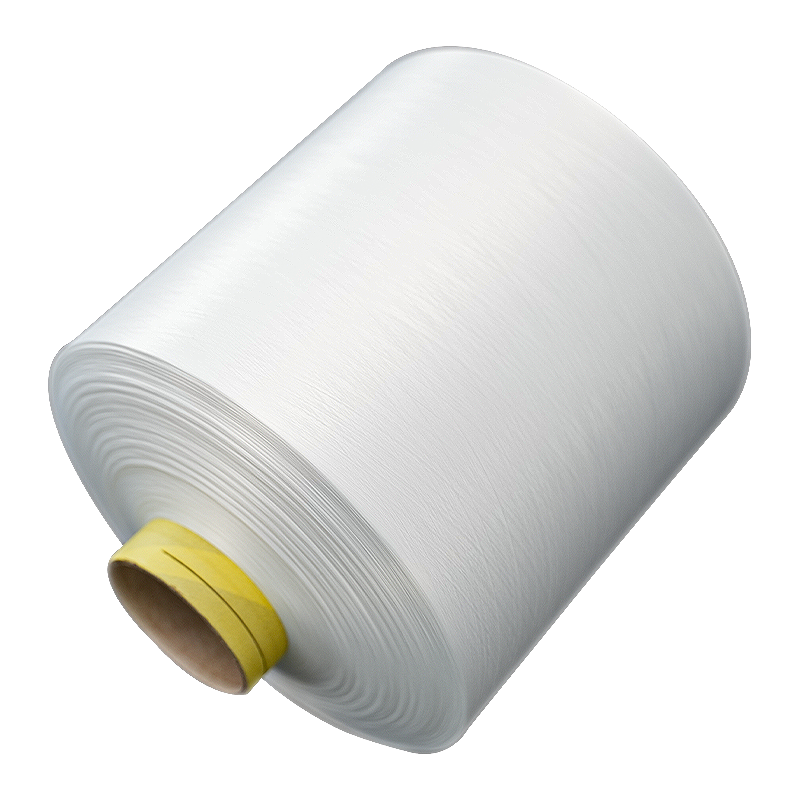
Nylon elastic yarn for textile use has a wide range of applications. Nylon elastic yarn is suitable for the manufacture of various textiles, such as underwear, socks, sportswear, swimwear, elastic fab...
See Details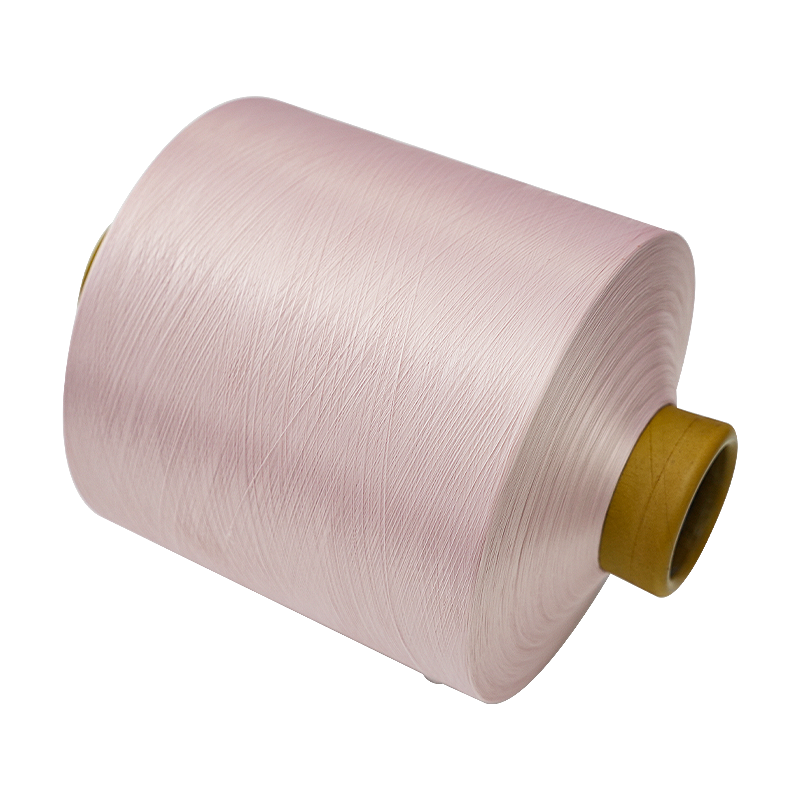
Fabrics made using Nylon elastic yarn for Weaving are lightweight, soft, comfortable and breathable, making them suitable for long-term wear. Made of high-quality nylon material with wear resistance, ...
See Details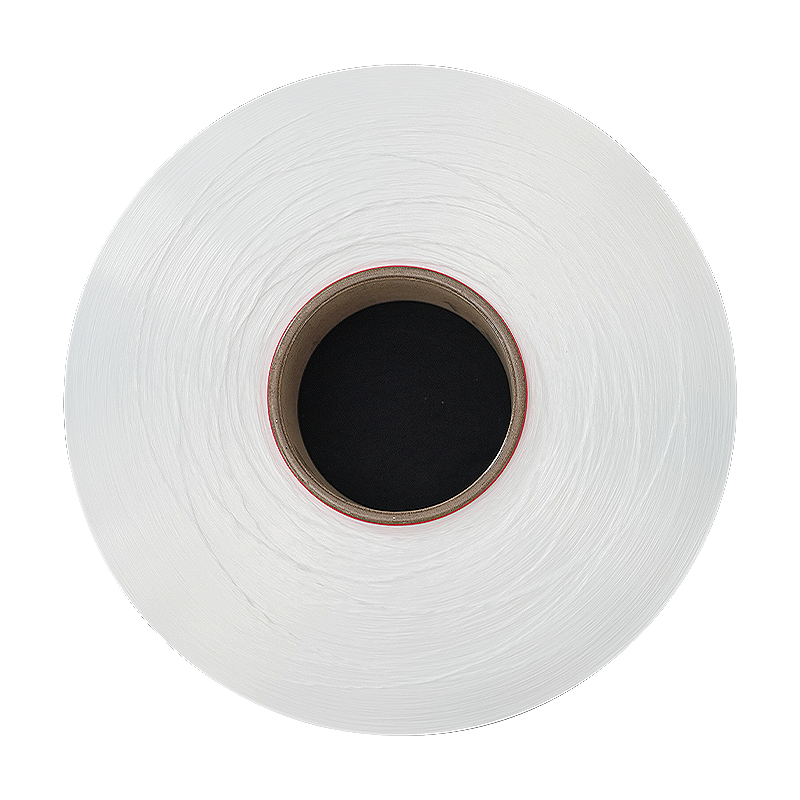
140D Durable low-melt FDY yarn is suitable for the manufacture of various textiles, especially for the preparation of composite fabrics, such as polyester-cotton blended fabrics or elastic fabrics. Th...
See Details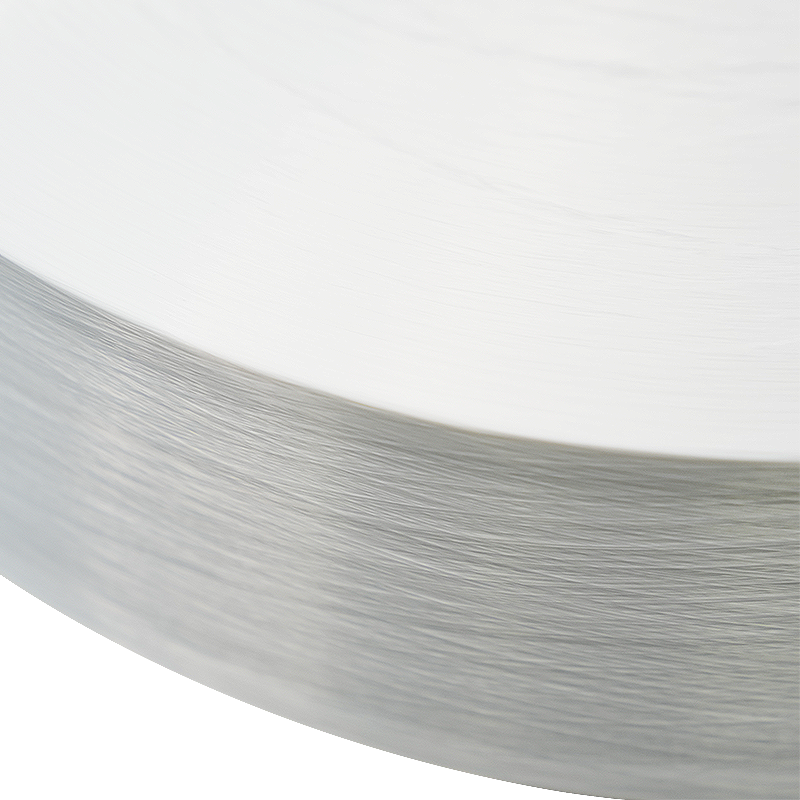
Cooling brushed durable FDY yarn has high durability and is suitable for manufacturing textiles that require wear resistance and durability. It is not easy to wear out after long-term use. Textiles of...
See Details
Composite fiber yarn for textile use consists of 48 monofilaments. Relatively thin and composed of multiple filaments, it adds softness and texture to the fabric. This product is suitable for the manu...
See Details
The fibers of 210D water-repellent yarn are relatively thick, making the yarn highly wear-resistant and durable, making it suitable for long-term use. Composite fiber enables yarn to have the advantag...
See DetailsAddress: Duntou industrial park, haian county, nantong city,jiangsu province ,China.
TEL: +86 15850491859
E-mail: sales-betty@hsnylon.com
If You Are Interested In Our Products, Please Consult Us
 Wholesale Nylon Filament Yarn Manufacturers