
 English
 中文简体
中文简体
 русский
 Español
 عربى
عربى
Product Consultation
Your email address will not be published. Required fields are marked *
Today, in pursuit of sustainable development and environmental protection, Biodegradable Yarn is an innovative environmentally friendly material that is gradually entering our daily lives. It has shown unique charm in textile manufacturing, and its degradability provides new ideas for solving the problem of plastic pollution.
Degradable yarn refers to yarn that can be gradually converted into harmless substances through the decomposition of microorganisms in the natural environment. According to the source of raw materials and degradation mechanisms, degradable yarn can be divided into many types, such as polylactic acid (PLA) yarn, polyhydroxyalkanoate (PHA) yarn, and yarn modified based on natural fibers (such as cotton, linen, bamboo fiber, etc.).
1. Scientific principles of degradability
Microbial action: The key to the degradation of degradable yarn is that its molecular structure can be recognized by microorganisms in nature and used as a food source. These microorganisms cut and decompose the polymer chains in the yarn by secreting specific enzymes, and finally convert them into harmless substances such as carbon dioxide, water and biomass.
Environmental conditions: The degradation process is also affected by environmental conditions, such as temperature, humidity, pH value, and the type and number of microorganisms. Under suitable environmental conditions, the activity of microorganisms is enhanced, thereby accelerating the degradation process of the yarn. On the contrary, under harsh environmental conditions, the degradation rate may slow down or even stop.
2. Production process of degradable yarn
In order to achieve the degradability of yarn, a variety of technical means are used in the production process. Taking PLA yarn as an example, its production process mainly includes raw material extraction, polymerization reaction, spinning and other steps. In the raw material extraction stage, renewable resources (such as corn starch, sugarcane bagasse, etc.) are selected as raw materials; in the polymerization reaction stage, the raw materials are converted into polymers through specific catalysts and process conditions; in the spinning stage, the polymers are melted and stretched into filamentary yarns. The purity of the raw materials and process parameters are strictly controlled throughout the production process to ensure the degradability of the yarn.
3. Practical applications and challenges
Degradable yarn has a wide range of application prospects in the field of textiles. It can be used to make various environmentally friendly clothing, home textiles and industrial fabrics. These products can be naturally degraded after use, thus reducing the environmental pressure caused by landfill and incineration. As consumers' demand for environmentally friendly products continues to increase, the market demand for degradable yarns is also growing.
What are the aspects of the high performance of Elastic High Performance Polyamide Multifilament?
2024-08-01
What is the antiviral performance of 60D/1F Woven Antiviral Yarn?
2024-08-15Your email address will not be published. Required fields are marked *
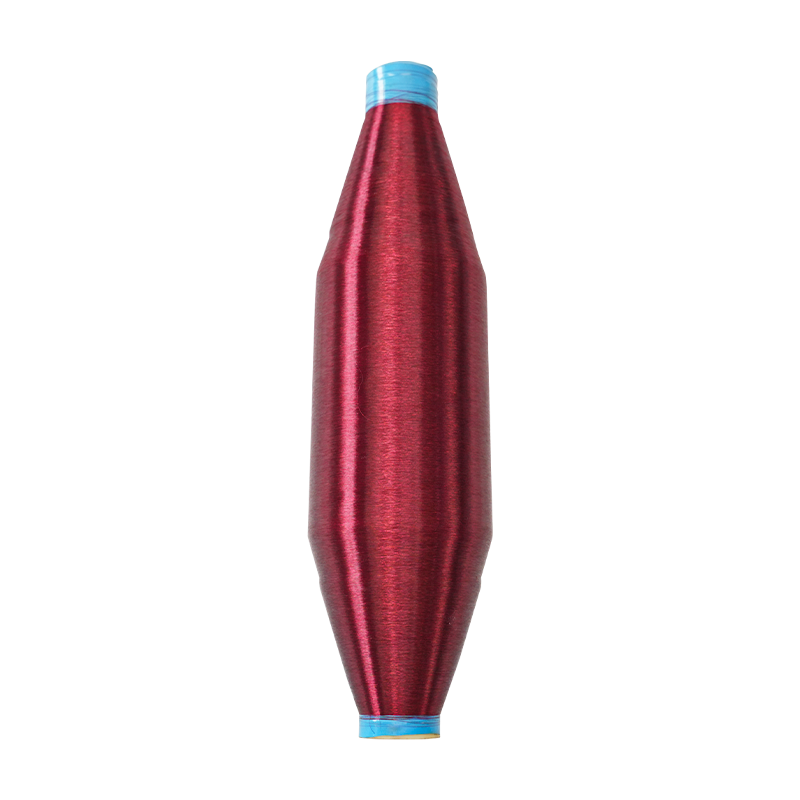
Biodegradable nylon yarn biodegrades faster in the environment than traditional synthetic fibers, helping to reduce negative environmental impacts. It also has the properties of nylon fiber, such as h...
See Details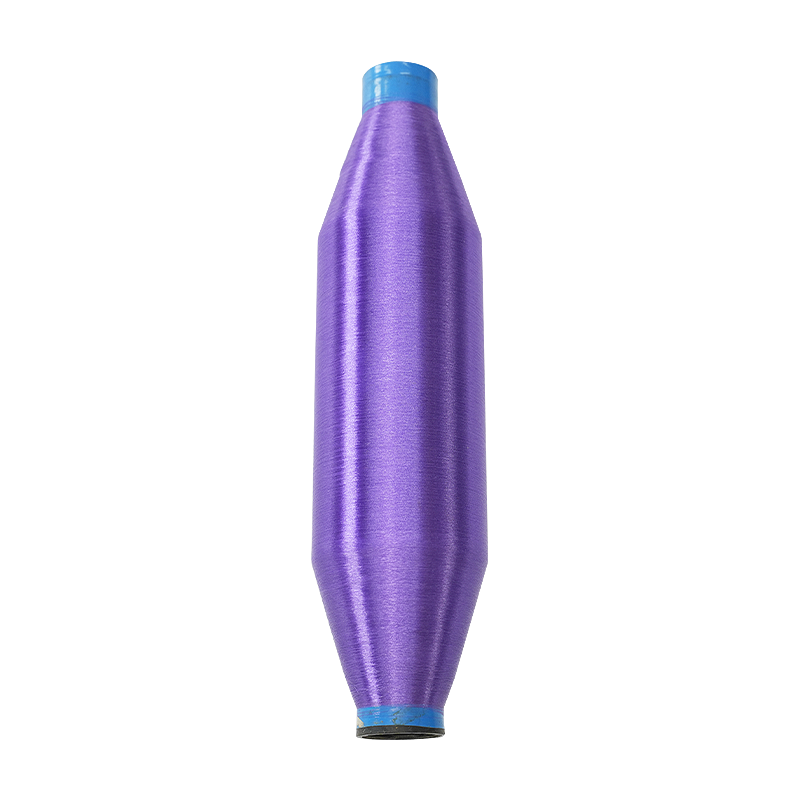
Single Strand Biodegradable Yarn is a single-strand structure, consisting of a single fiber bundle with no multiple strands tangled together. This structure makes the yarn softer, and smoother and exh...
See Details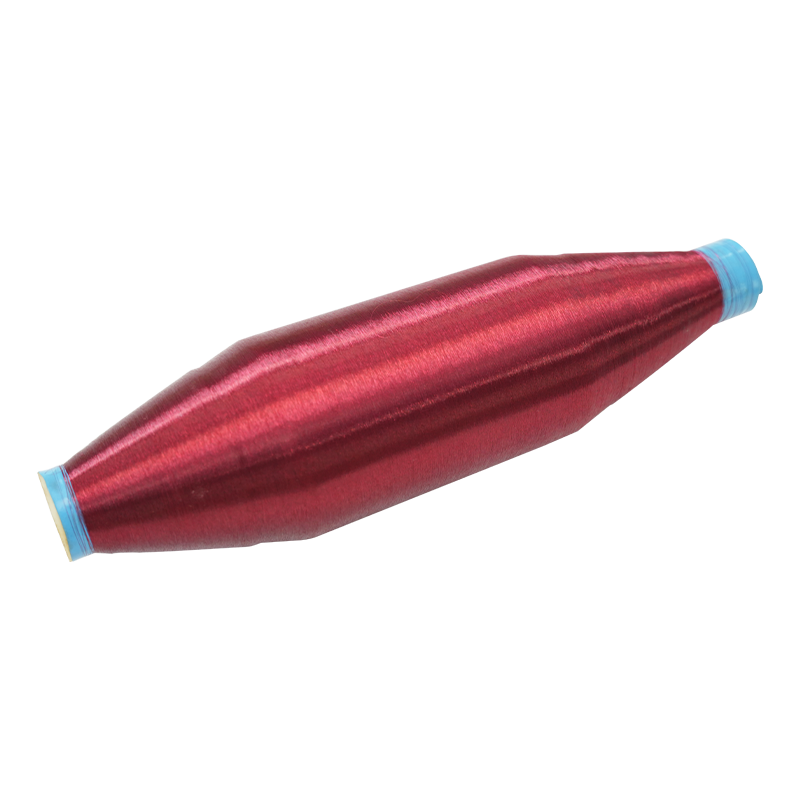
Antiviral nylon Monofilament Yarn can inhibit the survival of viruses on the surface of the yarn, which can effectively reduce the risk of virus transmission and improve user safety. The yarn has a mo...
See Details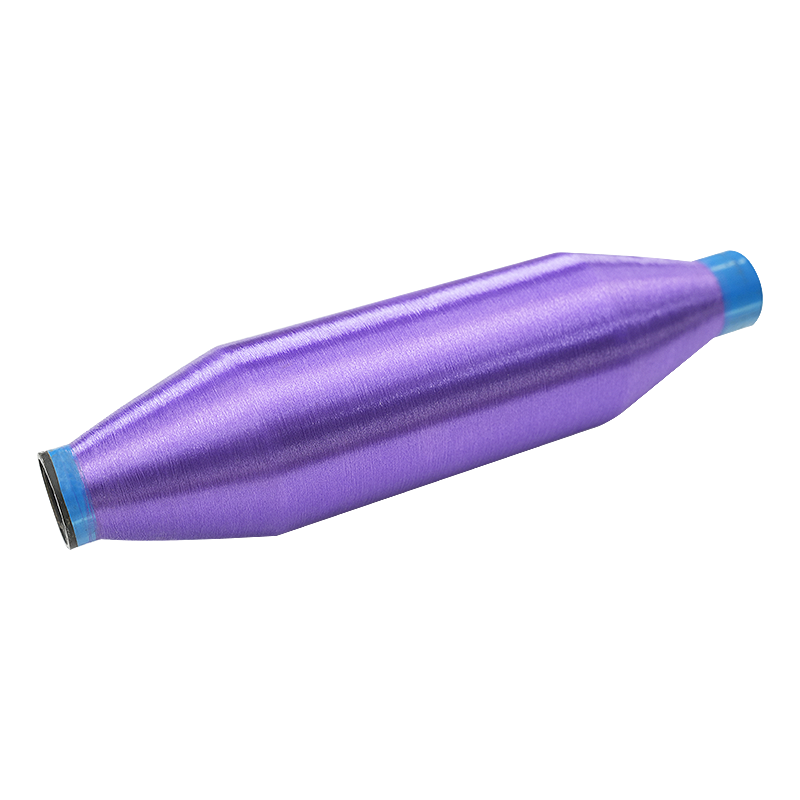
Graphene yarns can be produced by a variety of methods, including chemical vapor deposition (CVD) and wet spinning. In CVD, graphene is grown directly on a substrate, which is then removed to obtain g...
See Details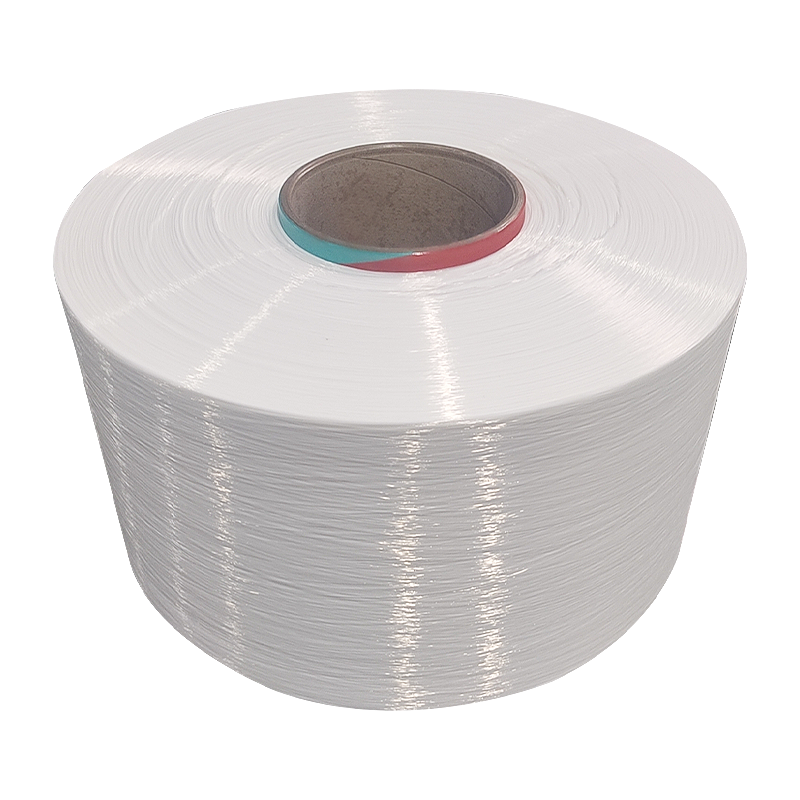
300D Nylon Mother Yarn is made of nylon material, a synthetic fiber with abrasion resistance, strength and durability. It is therefore suitable for manufacturing various types of textiles, such as clo...
See Details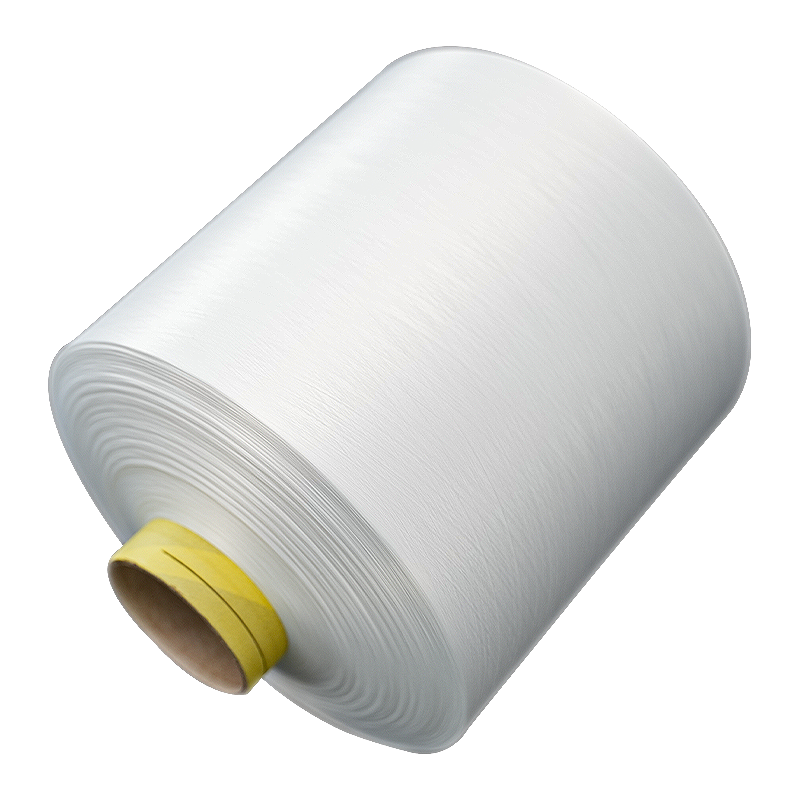
Nylon elastic yarn for textile use has a wide range of applications. Nylon elastic yarn is suitable for the manufacture of various textiles, such as underwear, socks, sportswear, swimwear, elastic fab...
See Details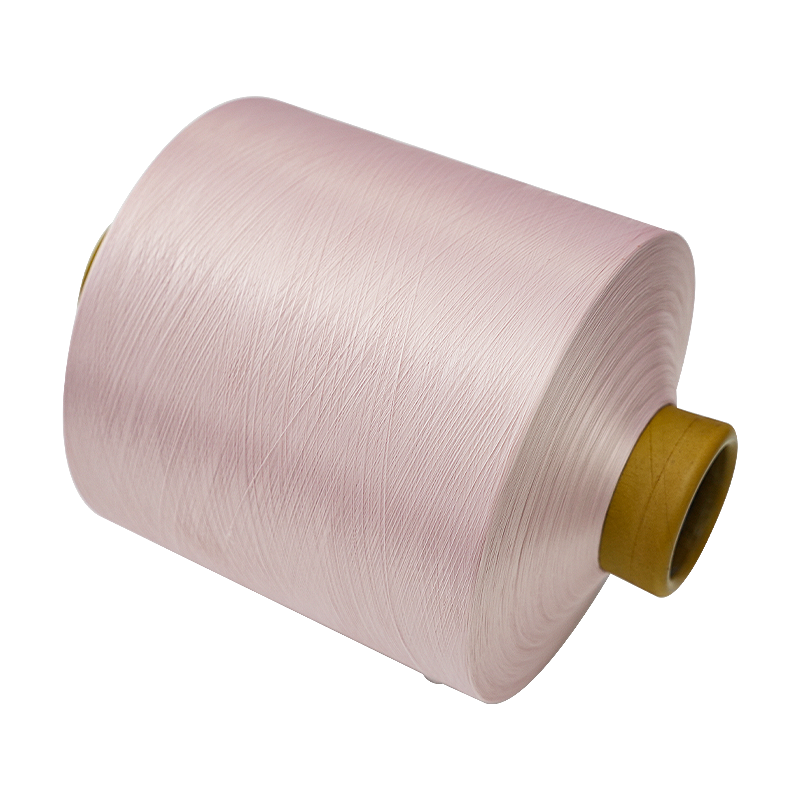
Fabrics made using Nylon elastic yarn for Weaving are lightweight, soft, comfortable and breathable, making them suitable for long-term wear. Made of high-quality nylon material with wear resistance, ...
See Details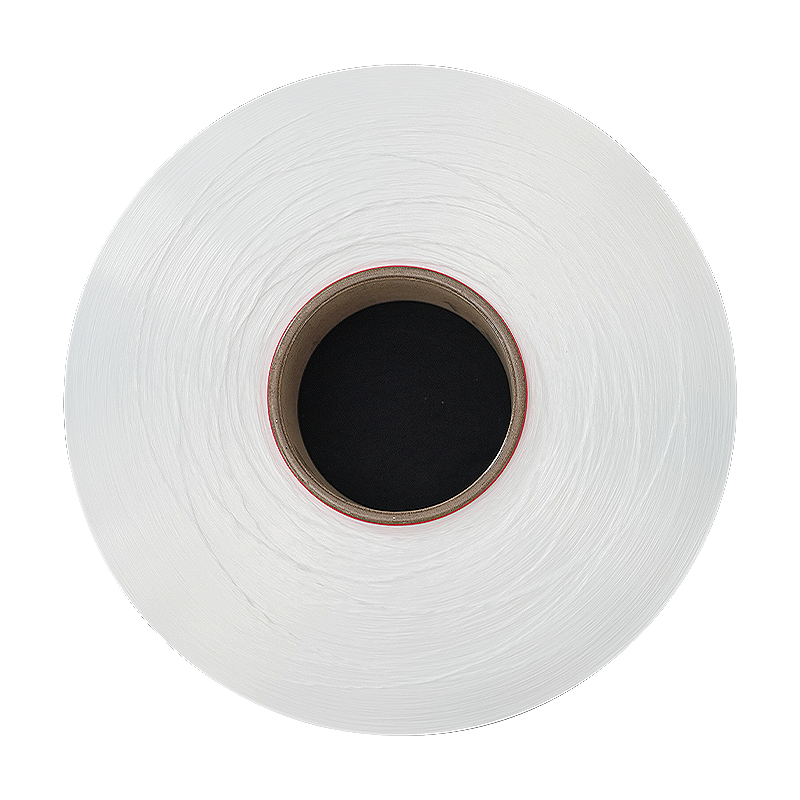
140D Durable low-melt FDY yarn is suitable for the manufacture of various textiles, especially for the preparation of composite fabrics, such as polyester-cotton blended fabrics or elastic fabrics. Th...
See Details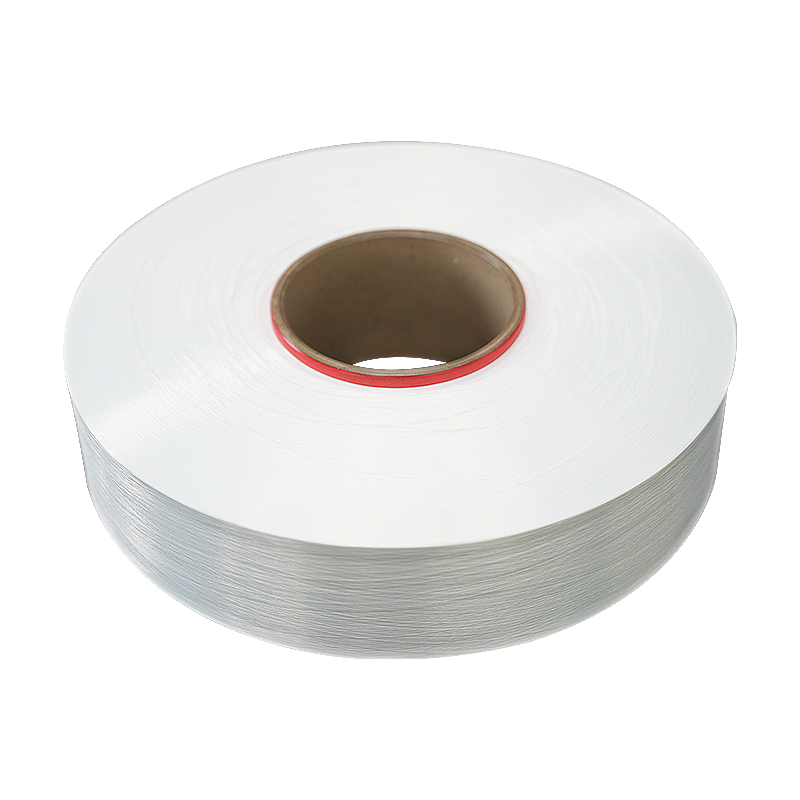
210D Permanent Cooling FDY Yarn is suitable for the manufacture of various textiles, such as sportswear, outdoor equipment, household items, etc. Textiles made of this material often have good breatha...
See Details
High shrinkage blended polyester yarn has a high shrinkage rate and is suitable for textile manufacturing that requires shrinkage treatment, such as making pleated fabrics or textile shaping. Because ...
See Details
Stretch durable FDY yarn has good elasticity and can return to its original shape after being stressed, giving the textile a comfortable wearing feel and good ductility. It can fit the contours of the...
See Details
Water-repellent high Filament spun yarn has strong water resistance, providing an extremely delicate touch while retaining strength. Suitable for a wide range of applications from intricate embroidery...
See DetailsAddress: Duntou industrial park, haian county, nantong city,jiangsu province ,China.
TEL: +86 15850491859
E-mail: sales-betty@hsnylon.com
If You Are Interested In Our Products, Please Consult Us
 Wholesale Nylon Filament Yarn Manufacturers