
 English
 中文简体
中文简体
 русский
 Español
 عربى
عربى
Product Consultation
Your email address will not be published. Required fields are marked *
Introduction to Synthetic Monofilaments
Synthetic monofilaments are continuous single filaments made from polymeric materials and are widely used in industrial, commercial, and consumer applications. Common types include nylon, polyester, and polypropylene. Each material exhibits unique properties that influence strength, durability, environmental resistance, and suitability for specific applications. Comparing nylon monofilament with polyester and polypropylene provides insight into their performance under mechanical stress, outdoor exposure, and heavy usage.
Mechanical Strength Comparison
Nylon monofilament is known for its high tensile strength and elasticity. It can absorb shock and return to its original shape, which is beneficial in applications like fishing lines, industrial nets, and load-bearing textiles. Polyester monofilament has good tensile strength but is less elastic than nylon. This can make polyester more dimensionally stable but less resilient to sudden loads. Polypropylene monofilament generally has lower tensile strength compared to nylon and polyester but is lightweight, which makes it suitable for applications where low weight is prioritized over maximum load-bearing capacity.
| Material | Tensile Strength | Elasticity | Suitable Applications |
|---|---|---|---|
| Nylon | High | High | Fishing lines, industrial nets, heavy-duty textiles |
| Polyester | Moderate to high | Moderate | Filtration, outdoor fabrics, dimensional stable meshes |
| Polypropylene | Low to moderate | Low | Lightweight nets, packaging, temporary outdoor uses |
Abrasion Resistance and Wear Performance
Abrasion resistance is a critical factor for durability in monofilaments subjected to friction or repeated mechanical stress. Nylon monofilament resists wear reasonably well but can be affected by prolonged rubbing against rough surfaces. Polyester monofilament exhibits higher abrasion resistance than nylon under dry conditions and maintains strength under repeated mechanical stress. Polypropylene is generally less resistant to abrasion, and its surfaces may wear more quickly under heavy use. The choice of monofilament material depends on the type of mechanical wear expected in its intended application.
| Material | Abrasion Resistance | Notes |
|---|---|---|
| Nylon | Moderate to high | Performs well under moderate wear; thicker filaments last longer |
| Polyester | High | Maintains structural integrity under repeated stress |
| Polypropylene | Low to moderate | Surface wear occurs faster; suitable for low-friction environments |
Environmental Exposure: UV, Moisture, and Temperature
Exposure to outdoor conditions affects the longevity of synthetic monofilaments. Nylon absorbs some moisture, which can slightly alter its dimensions and reduce tensile strength under prolonged wet conditions. It also degrades gradually under UV radiation unless treated with stabilizers. Polyester exhibits excellent resistance to UV light, moisture, and temperature fluctuations, making it highly suitable for outdoor applications. Polypropylene is resistant to moisture and many chemicals but is more susceptible to UV degradation unless stabilized.
| Material | UV Resistance | Moisture Resistance | Temperature Stability |
|---|---|---|---|
| Nylon | Moderate | Moderate | High at normal conditions, reduced at high heat |
| Polyester | High | High | High, maintains dimensional stability |
| Polypropylene | Low to moderate | High | Moderate, softens at high temperatures |
Chemical Resistance and Industrial Use
Nylon monofilament can be affected by strong acids, alkalis, and oils, which may weaken fibers over time. Polyester has greater chemical resistance, making it suitable for industrial filters or chemical-handling applications. Polypropylene is highly resistant to many chemicals but has lower mechanical strength, which limits its load-bearing capability. Understanding chemical exposure is important when selecting monofilament for industrial or outdoor applications.
| Material | Resistance to Chemicals | Common Industrial Uses |
|---|---|---|
| Nylon | Moderate | Nets, ropes, industrial fabrics with occasional chemical exposure |
| Polyester | High | Filters, outdoor fabrics, chemical handling |
| Polypropylene | High | Lightweight packaging, chemical-resistant meshes |
Lifespan Under Heavy Usage
The expected lifespan of monofilaments depends on mechanical stress, environmental conditions, and chemical exposure. Nylon monofilament provides reliable performance under moderate to high stress but may degrade faster than polyester in direct sunlight without UV protection. Polyester typically has a longer lifespan in outdoor and industrial conditions due to its high resistance to UV and abrasion. Polypropylene may have shorter service life under heavy mechanical stress but maintains usability in applications with low stress and moisture exposure.
| Material | Indoor Lifespan | Outdoor Lifespan | Heavy Usage Notes |
|---|---|---|---|
| Nylon | 5–10 years | 3–7 years | Strong but UV-sensitive; thicker filaments last longer |
| Polyester | 6–12 years | 5–10 years | Highly stable under outdoor and mechanical stress |
| Polypropylene | 3–8 years | 2–5 years | Lightweight; better for low-stress applications |
Cost and Handling Considerations
Nylon monofilament generally costs more than polypropylene but is comparable to polyester depending on filament diameter and quality. Nylon’s elasticity allows for easier knotting and shock absorption, but processing may require careful tension control to avoid overstretching. Polyester is dimensionally stable and easier to handle in consistent, high-speed industrial processes. Polypropylene’s lightweight nature makes it easy to handle and transport, but its lower strength limits some applications.
| Material | Cost | Ease of Handling | Notes |
|---|---|---|---|
| Nylon | Moderate to high | Moderate | Elasticity requires careful tensioning |
| Polyester | Moderate | High | Stable under mechanical processes |
| Polypropylene | Low | High | Lightweight, lower tensile strength |
Application-Based Selection
The choice between nylon, polyester, and polypropylene monofilaments depends on the balance of strength, durability, flexibility, and environmental resistance. Nylon is suitable for high-stress applications requiring elasticity and shock absorption. Polyester is preferred for outdoor or industrial settings where UV resistance and dimensional stability are critical. Polypropylene fits applications that require low weight and chemical resistance but not high mechanical strength. Matching material properties to intended use ensures performance and longevity.
| Material | Best Use Cases | Key Advantages | Limitations |
|---|---|---|---|
| Nylon | Heavy-duty nets, fishing lines, ropes | High strength, elasticity | UV-sensitive, moderate abrasion |
| Polyester | Outdoor fabrics, industrial filters | UV-resistant, durable, dimensionally stable | Less elastic than nylon |
| Polypropylene | Lightweight nets, packaging, chemical-resistant meshes | Lightweight, chemical-resistant | Lower tensile strength, UV-sensitive |
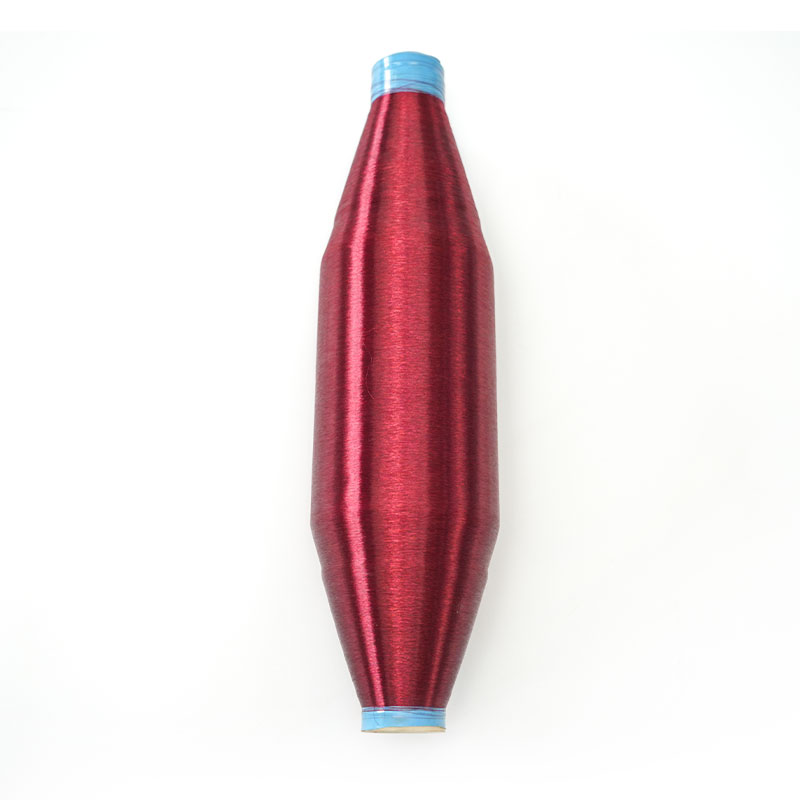
What is the lifespan or durability of nylon monofilament yarn under heavy usage or outdoor exposure?
2025-09-10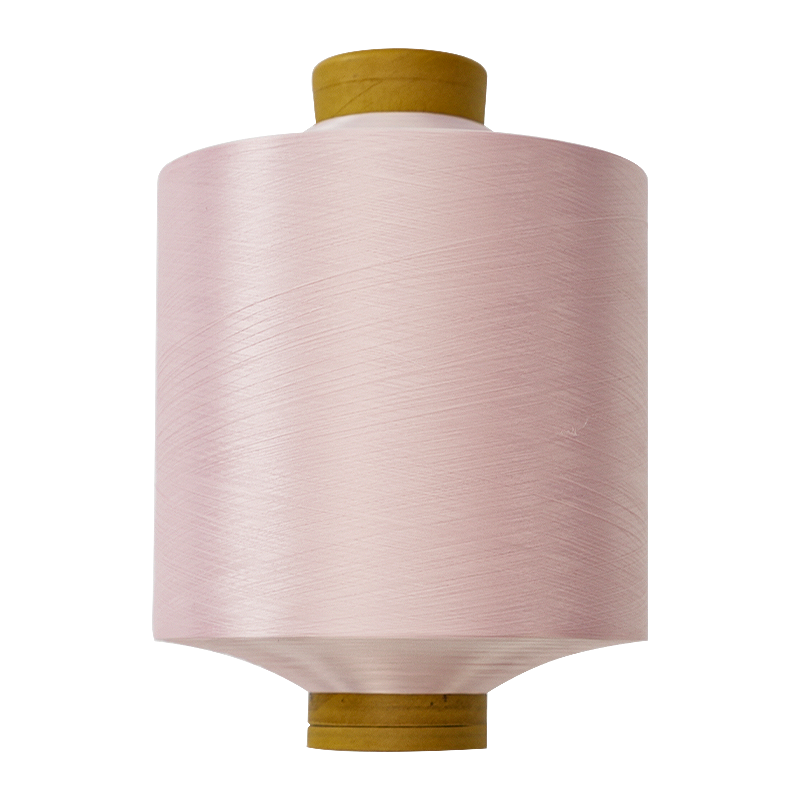
How does nylon elastic yarn compare with spandex or polyester elastic yarn?
2025-09-24Your email address will not be published. Required fields are marked *
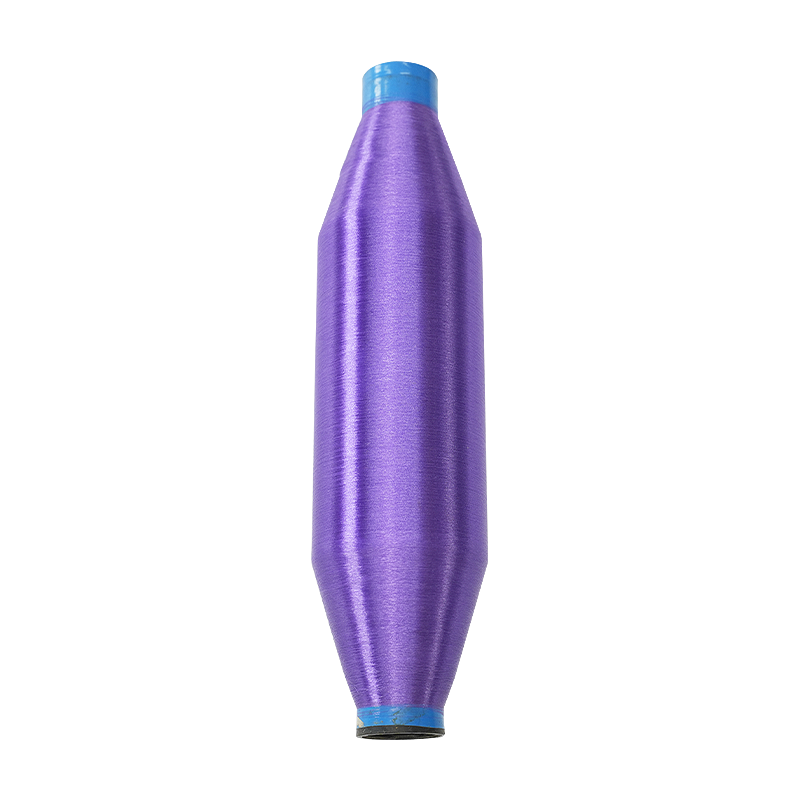
Single Strand Biodegradable Yarn is a single-strand structure, consisting of a single fiber bundle with no multiple strands tangled together. This structure makes the yarn softer, and smoother and exh...
See Details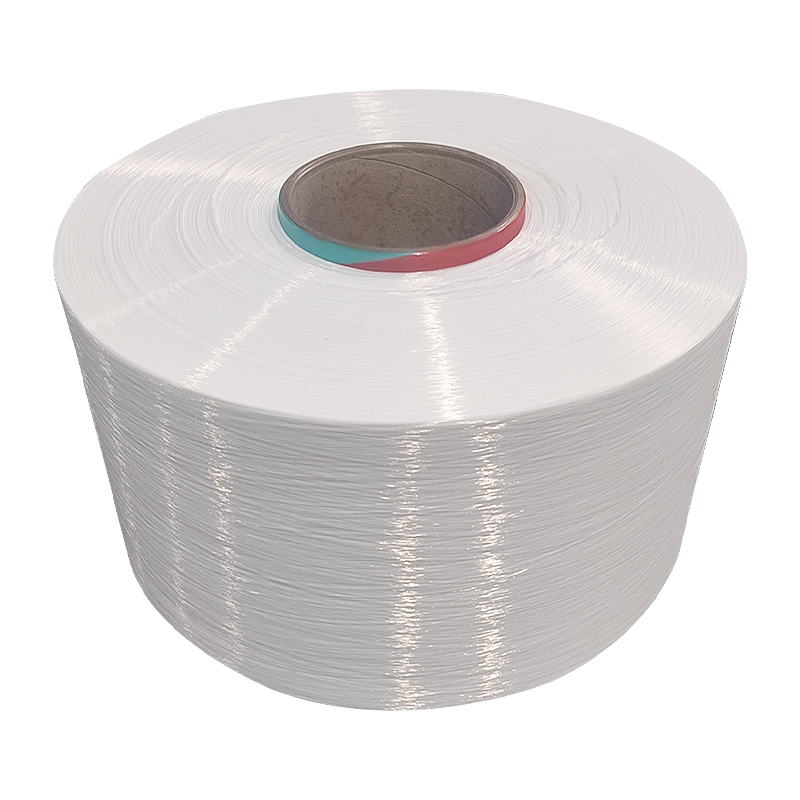
Colored Nylon Mother Yarn can be processed through spinning, drawing, dyeing and other processes to meet the needs of different textiles. It has good processing adaptability and can be made into vario...
See Details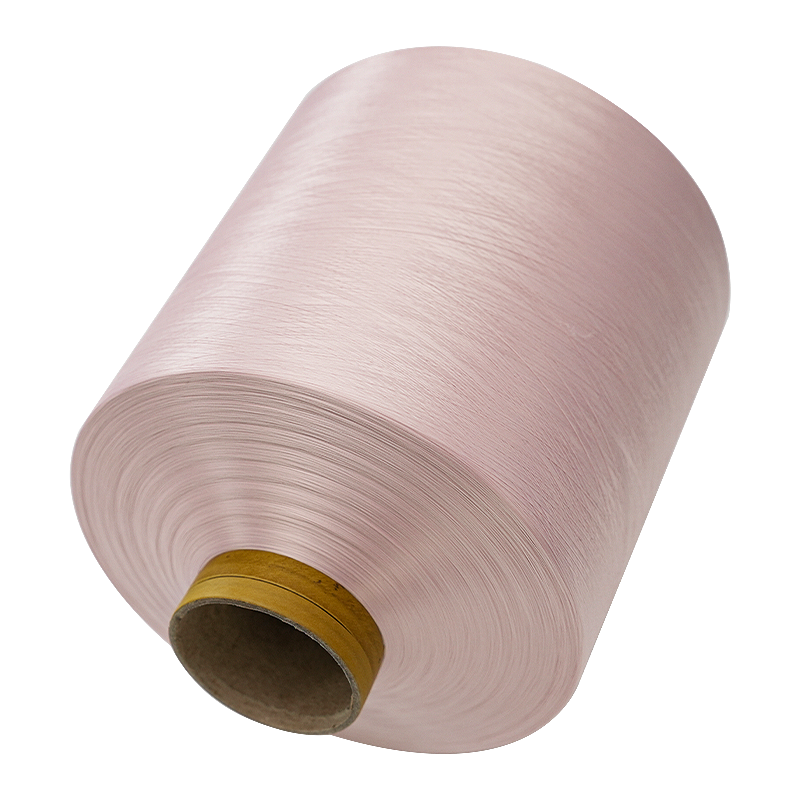
Double-strand nylon elastic yarn is a composite yarn composed of two strands of yarn. It has high strength, maintains stable performance even in a stretched state, and is not easy to break or deform. ...
See Details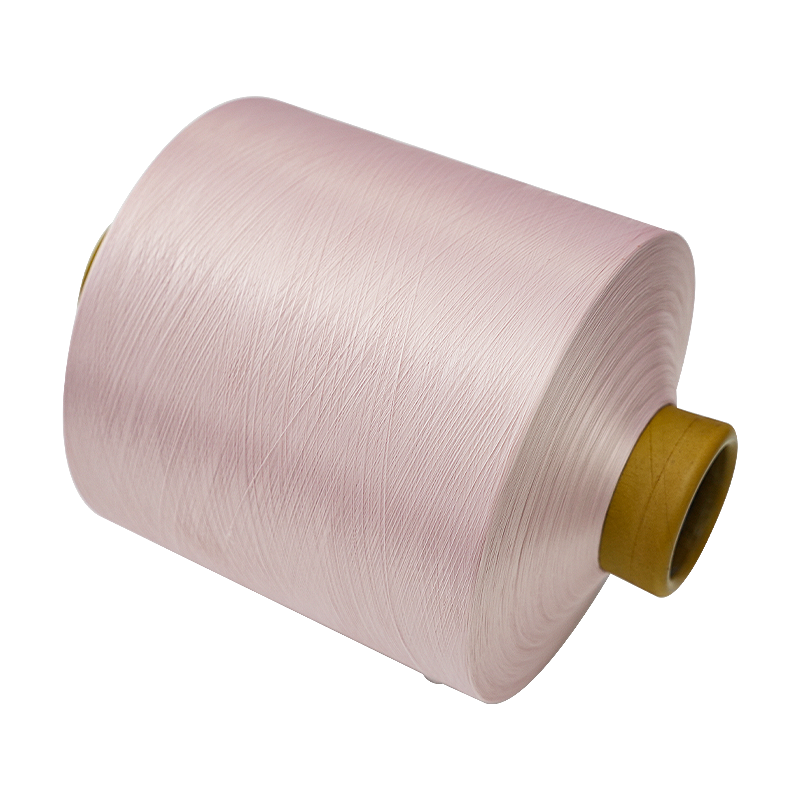
Fabrics made using Nylon elastic yarn for Weaving are lightweight, soft, comfortable and breathable, making them suitable for long-term wear. Made of high-quality nylon material with wear resistance, ...
See Details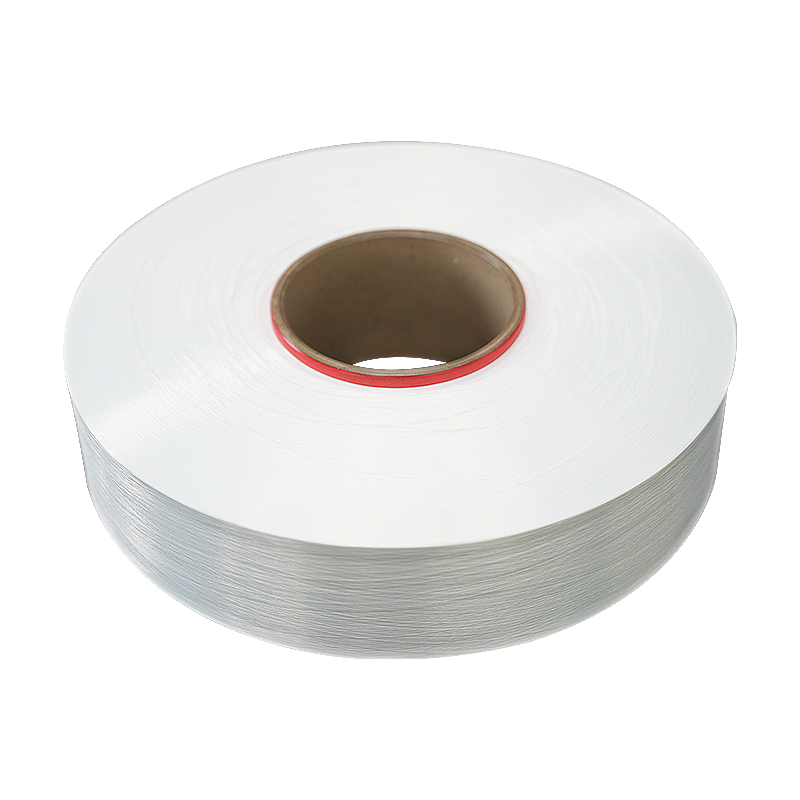
Polyester blended FDY yarn is a standard 50D yarn made from a blend of polyester and nylon. It combines the characteristics of both fibers and has durability and breathability. It has a wide range of ...
See Details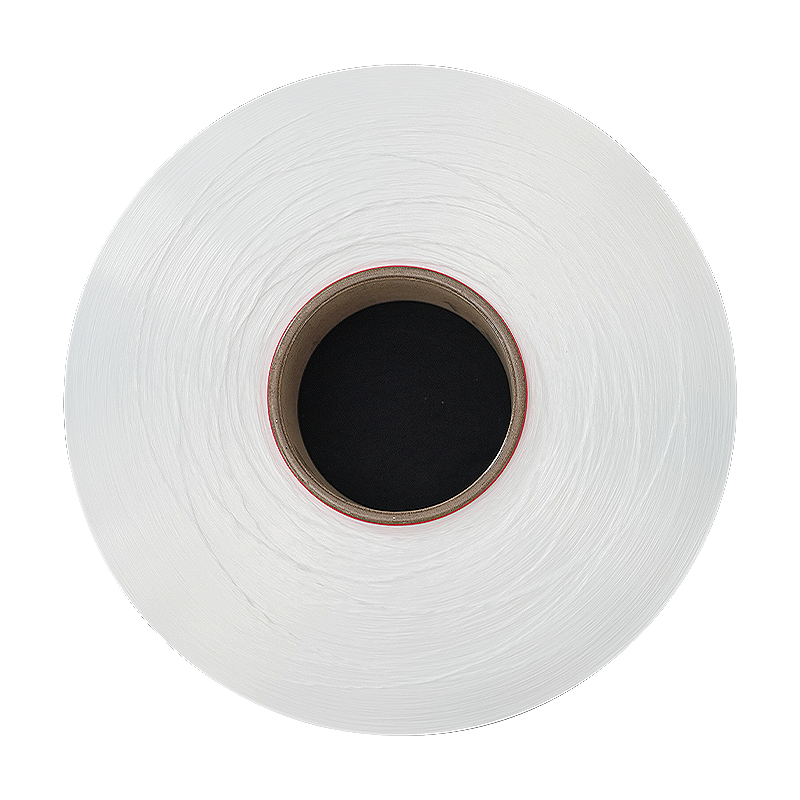
Fully stretched polyester blended yarn is made of a blend of polyester and nylon. Polyester itself has good wear resistance. After full stretch processing, the strength and softness of the yarn increa...
See Details
140D Durable low-melt FDY yarn is suitable for the manufacture of various textiles, especially for the preparation of composite fabrics, such as polyester-cotton blended fabrics or elastic fabrics. Th...
See Details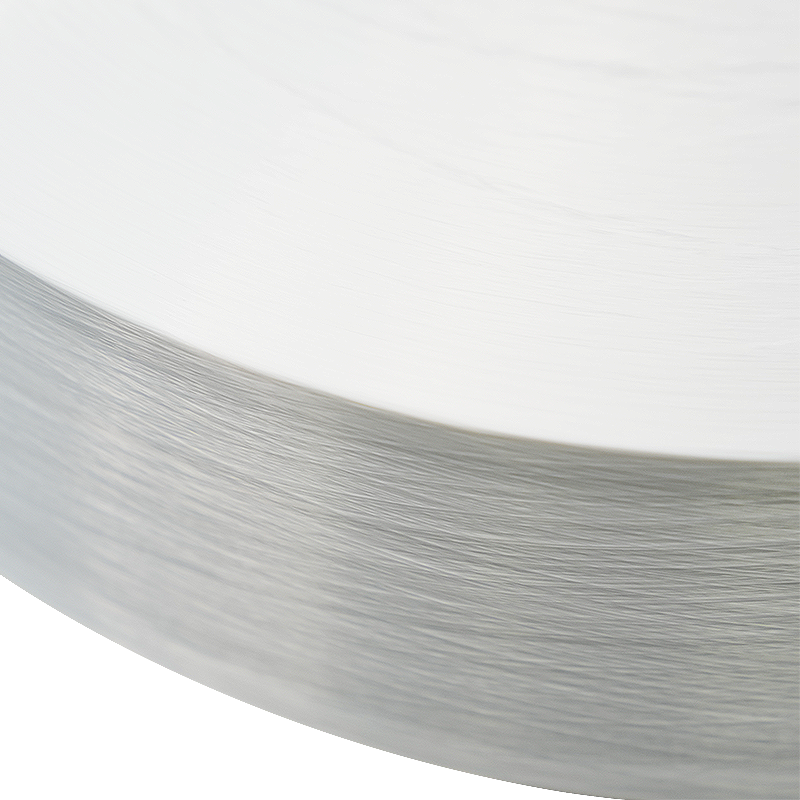
Cooling brushed durable FDY yarn has high durability and is suitable for manufacturing textiles that require wear resistance and durability. It is not easy to wear out after long-term use. Textiles of...
See Details
High shrinkage blended polyester yarn has a high shrinkage rate and is suitable for textile manufacturing that requires shrinkage treatment, such as making pleated fabrics or textile shaping. Because ...
See Details
Water-repellent blended FDY yarn has good waterproof properties. This characteristic makes Water-repellent blended FDY yarn a greater advantage when making textiles with high waterproof requirements s...
See Details
Composite fiber yarn for textile use consists of 48 monofilaments. Relatively thin and composed of multiple filaments, it adds softness and texture to the fabric. This product is suitable for the manu...
See Details
Water-repellent high Filament spun yarn has strong water resistance, providing an extremely delicate touch while retaining strength. Suitable for a wide range of applications from intricate embroidery...
See DetailsAddress: Duntou industrial park, haian county, nantong city,jiangsu province ,China.
TEL: +86 15850491859
E-mail: sales-betty@hsnylon.com
If You Are Interested In Our Products, Please Consult Us
 Wholesale Nylon Filament Yarn Manufacturers