
 English
 中文简体
中文简体
 русский
 Español
 عربى
عربى
Product Consultation
Your email address will not be published. Required fields are marked *
1.Material Selection
The quality of nylon monofilament yarn begins with the selection of raw materials. Nylon 6 and nylon 66 are the most commonly used nylon resins, known for their excellent mechanical properties, chemical resistance, and durability. Choosing high-quality nylon resins is crucial as it directly impacts the strength, elasticity, and durability of the final yarn. High-quality nylon resins ensure that the yarn is less prone to breakage or deformation during use, thereby enhancing product reliability and longevity.
2.Melt Extrusion
Nylon monofilament yarn is typically manufactured through melt extrusion. In this process, nylon resins are melted at high temperatures and then extruded through specific-shaped spinnerets to form monofilament fibers. Melt extrusion significantly affects the uniformity and stability of the yarn. Precise control over extrusion temperature, extrusion speed, and spinneret design is essential to ensure uniform filament diameter and to avoid bubbles or impurities within the fiber. Proper extrusion processes guarantee that the yarn meets the required mechanical properties, ensuring consistency in product quality.
3.Drawing and Annealing
After extrusion, nylon monofilament yarn undergoes drawing and annealing processes to enhance its strength and durability. Drawing involves cooling and stretching the yarn under controlled tension, reorienting its molecular structure to improve mechanical properties. The temperature and drawing ratio during this process significantly influence the final yarn performance. Proper drawing enhances the yarn's tensile strength, elastic modulus, and fatigue resistance while ensuring dimensional stability and uniformity.
4.Heat Setting
Heat setting is a critical process step for nylon monofilament yarn after drawing. This process involves controlling temperature and time to eliminate residual stresses within the yarn, stabilizing its structure and properties. Proper heat setting improves the yarn's thermal stability, fatigue resistance, and prolongs its service life. Precise control over heat setting parameters effectively enhances the yarn's strength, abrasion resistance, and resistance to aging, making it suitable for a wider range of applications.
5.Surface Treatment
Surface treatment plays a crucial role in determining the final performance and applications of nylon monofilament yarn. Coating and lubrication treatments are common surface treatment methods used to enhance specific yarn properties. For instance, adding coatings can improve yarn abrasion resistance, UV resistance, and reduce friction coefficients, thereby extending product lifespan. Lubrication treatments reduce frictional losses during processing, enhancing yarn processability and workability.
6.Quality Control
Quality control is a pivotal aspect of the manufacturing process for nylon monofilament yarn. Through rigorous testing of key parameters such as yarn diameter, tensile strength, elastic modulus, surface finish, and color, potential issues in production can be promptly identified and corrected. Advanced testing equipment and systems improve the accuracy and efficiency of inspections, ensuring consistent product quality that meets various customer requirements.
7.Environmental Factors
Environmental control during manufacturing is equally critical for ensuring the quality and performance of nylon monofilament yarn. Production facilities must maintain appropriate temperature, humidity, and cleanliness levels to prevent adverse effects on yarn quality from external environments. For example, excessive humidity can lead to yarn moisture absorption, affecting its mechanical properties and dimensional stability. Therefore, maintaining optimal production environment conditions is essential to ensure efficient yarn manufacturing and stable product quality.
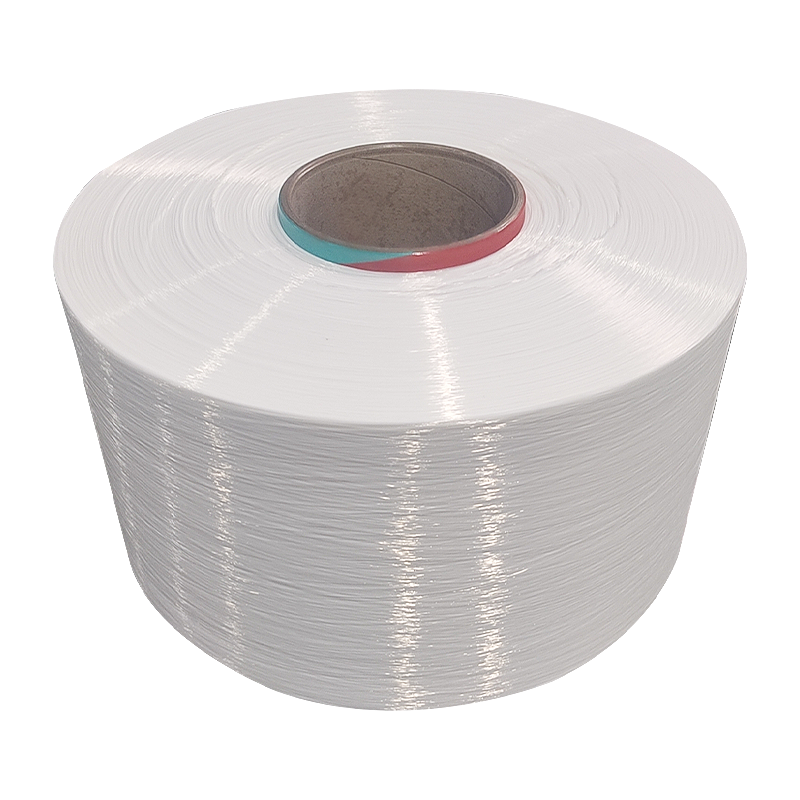
Why does 200D/10F Colored Nylon Mother Yarn have high tensile properties?
2024-06-19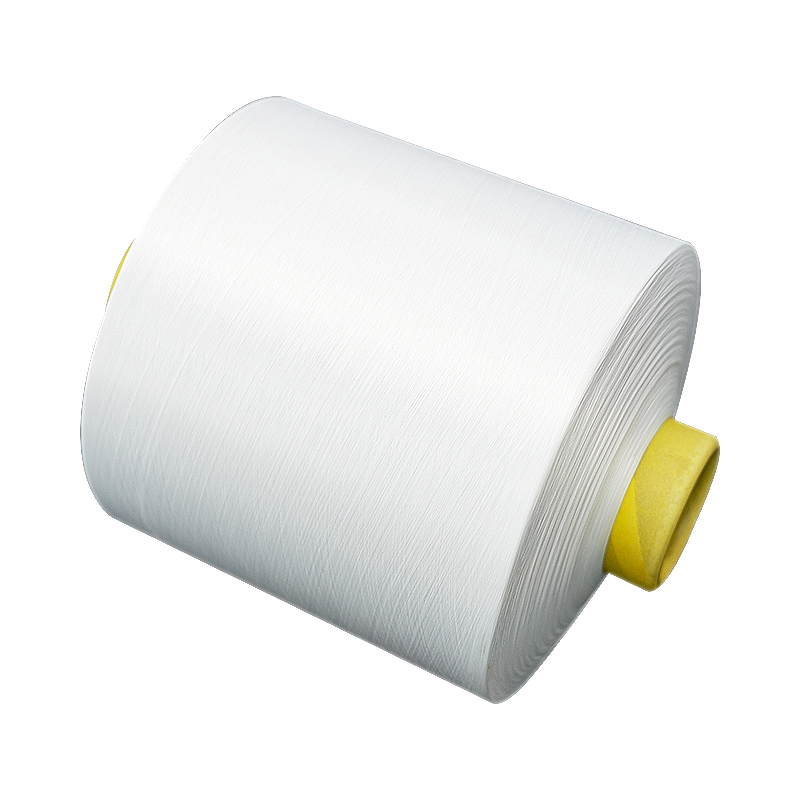
What are the key properties of nylon elastic yarns?
2024-06-19Your email address will not be published. Required fields are marked *
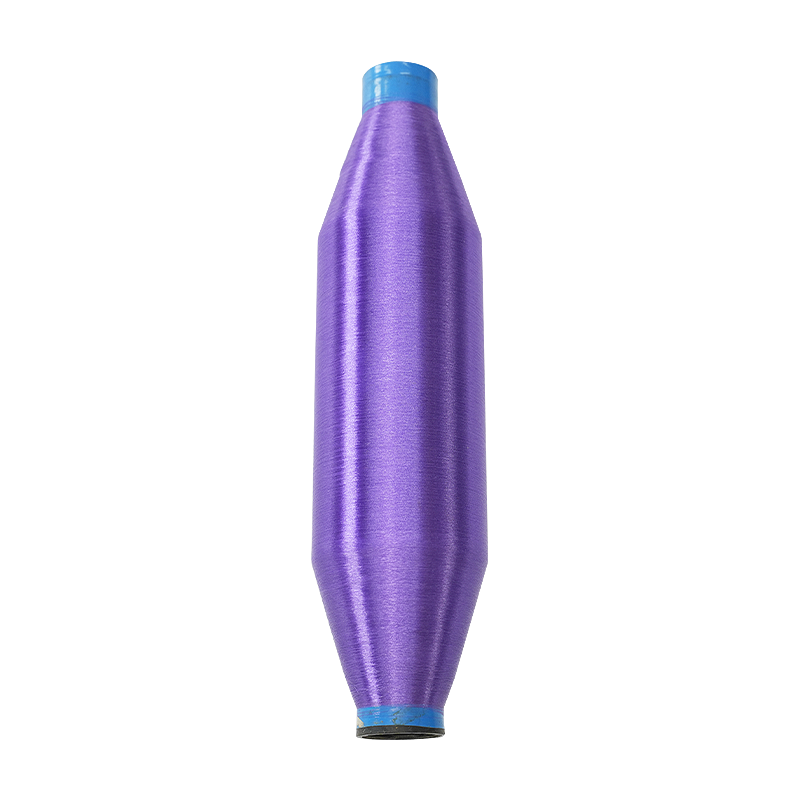
Single Strand Biodegradable Yarn is a single-strand structure, consisting of a single fiber bundle with no multiple strands tangled together. This structure makes the yarn softer, and smoother and exh...
See Details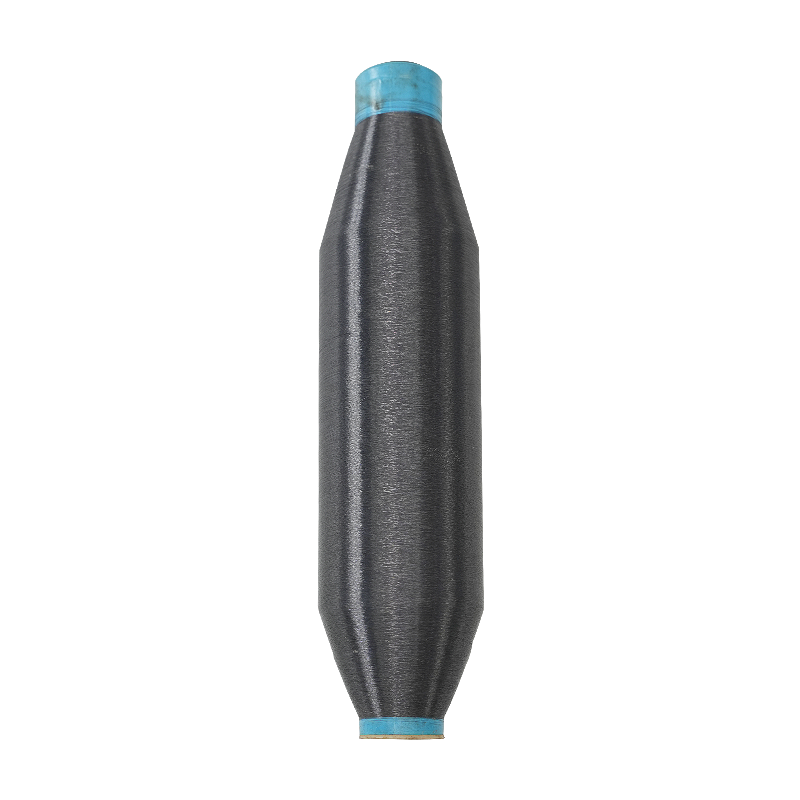
Nylon is a synthetic fiber with good strength and wear resistance, so 40D biodegradable yarn inherits the properties of nylon fiber. It has tensile strength, abrasion resistance and corrosion resistan...
See Details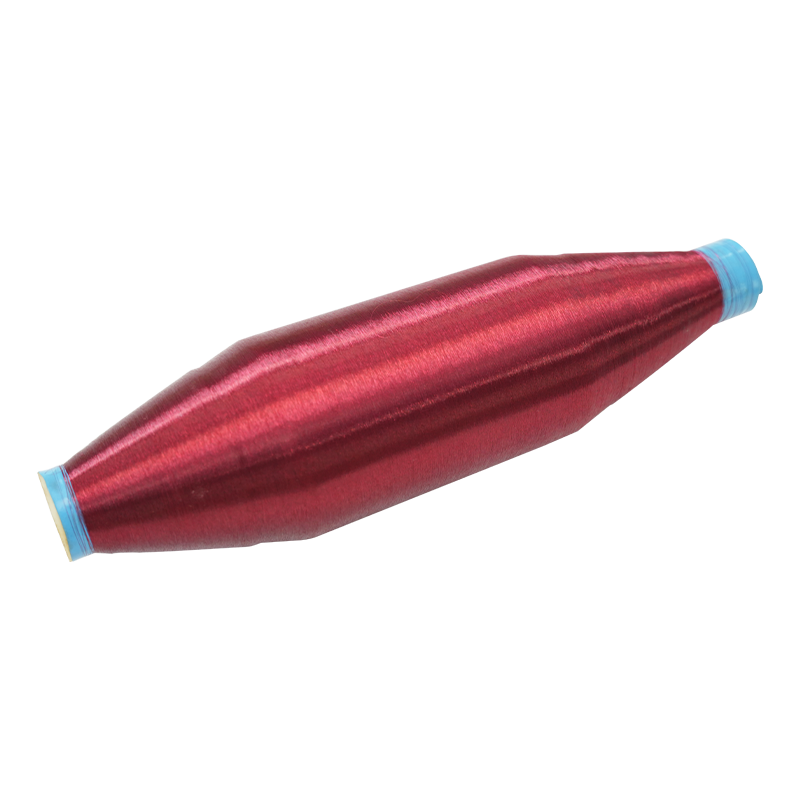
Antiviral nylon Monofilament Yarn can inhibit the survival of viruses on the surface of the yarn, which can effectively reduce the risk of virus transmission and improve user safety. The yarn has a mo...
See Details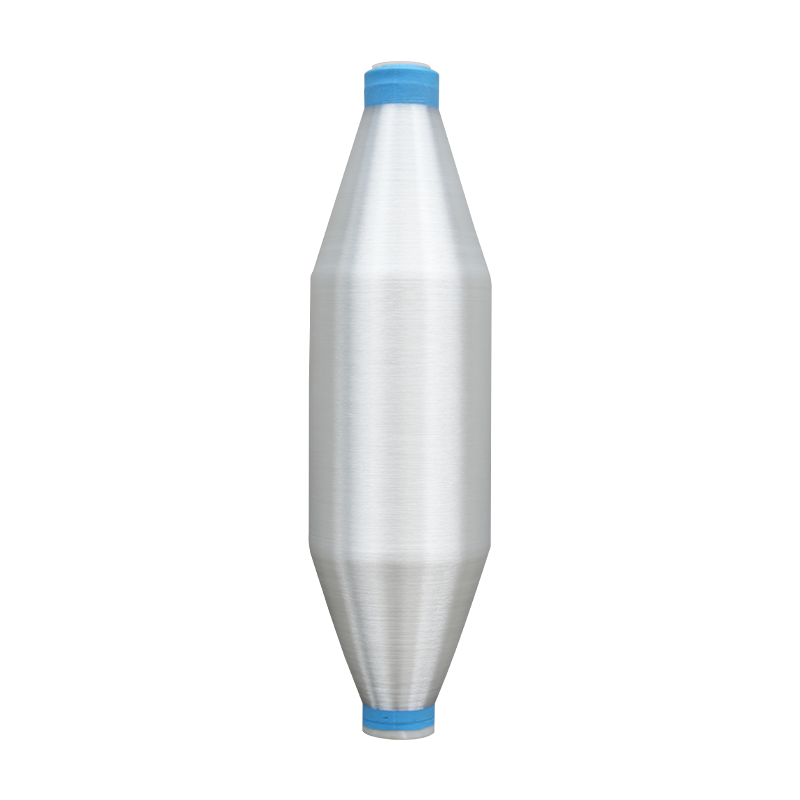
60D woven Antiviral Yarn is thin overall and suitable for making light and soft textiles. Nylon fiber has a soft feel and good breathability. This yarn is usually used to weave fabrics and can be made...
See Details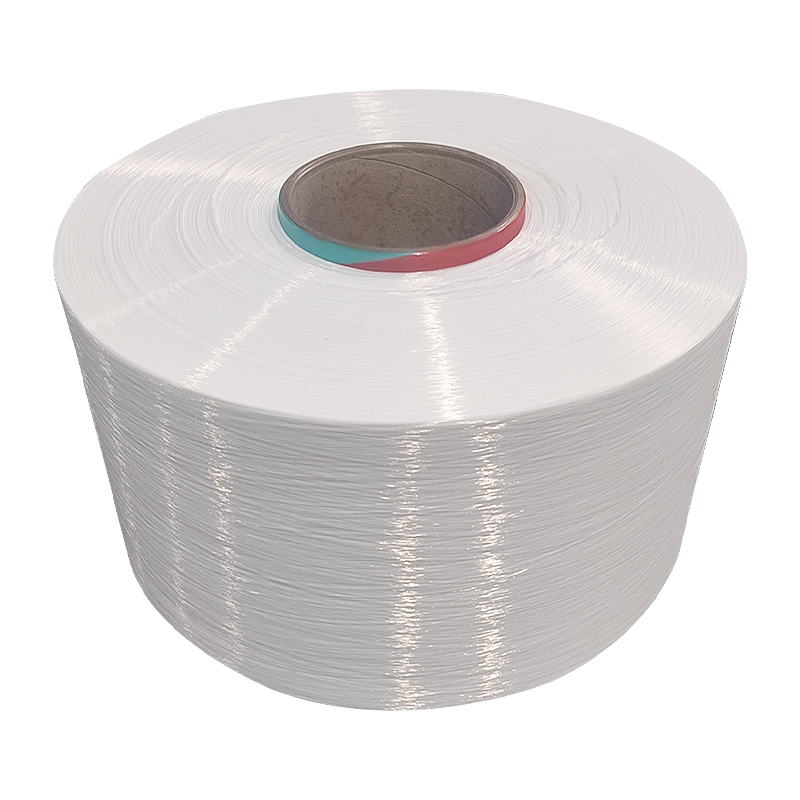
The diameter of Durable woven nylon mother yarn is 240D, the fiber thickness is medium, and it is suitable for the manufacture of a variety of textiles. This product has good tensile strength and will...
See Details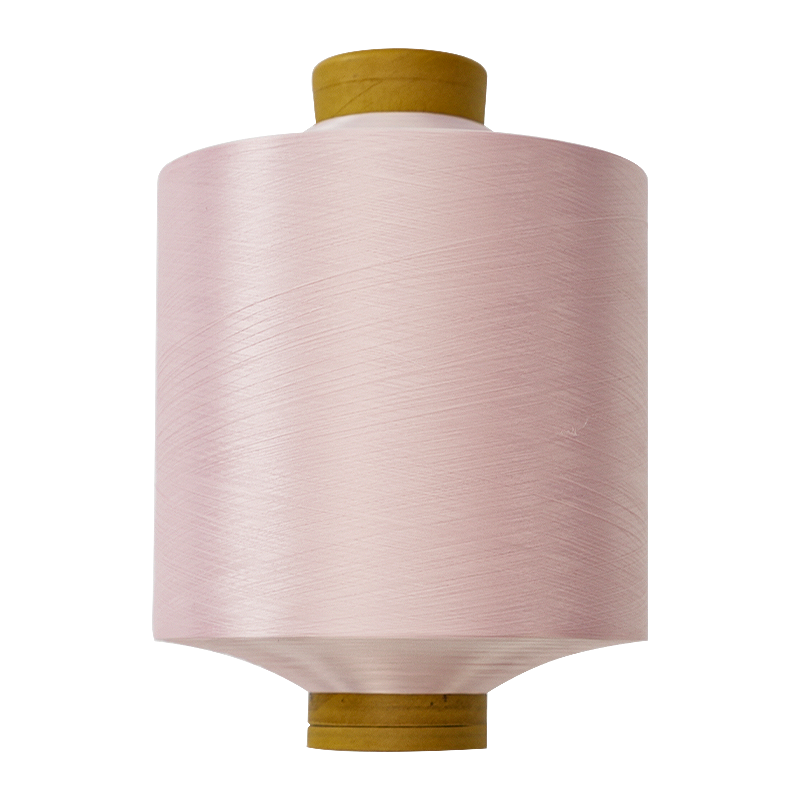
Nylon Elastic Yarn has elasticity and can quickly return to its original shape after stretching. This high elasticity makes the fabrics stretchable and comfortable. Nylon material has good wear resist...
See Details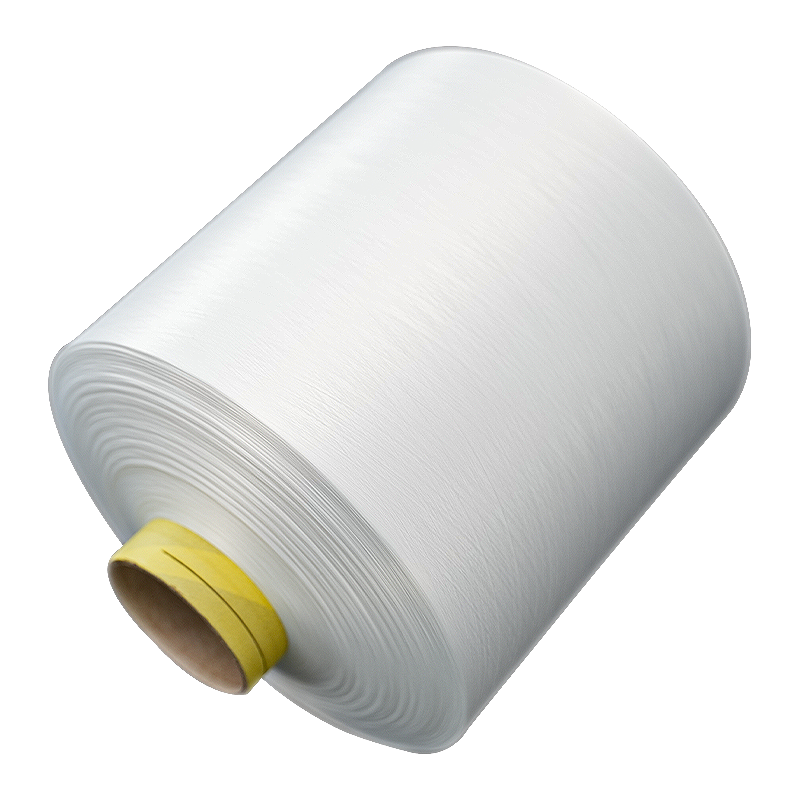
Nylon elastic yarn for textile use has a wide range of applications. Nylon elastic yarn is suitable for the manufacture of various textiles, such as underwear, socks, sportswear, swimwear, elastic fab...
See Details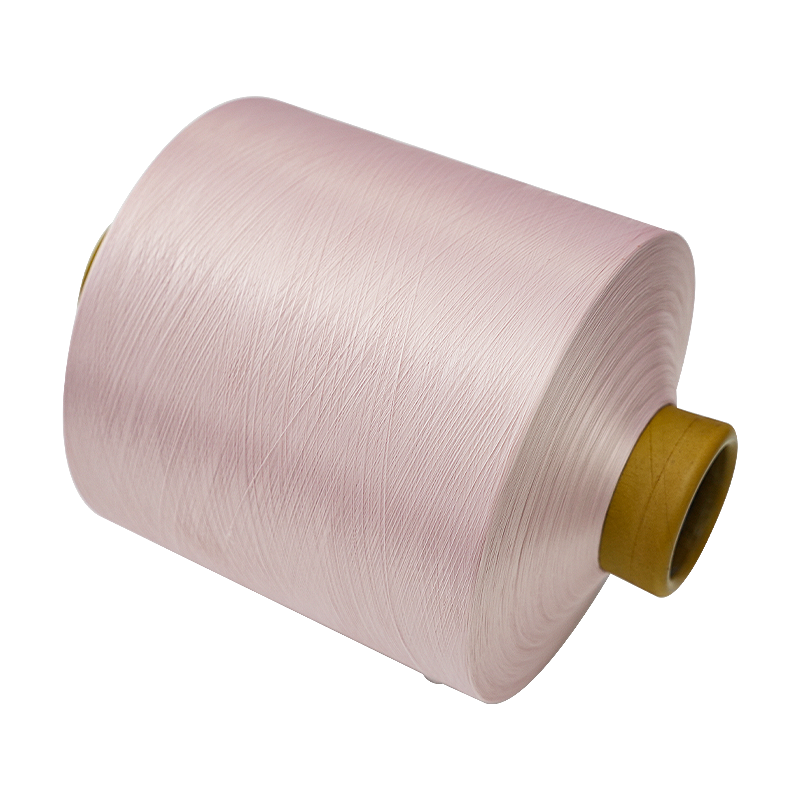
Fabrics made using Nylon elastic yarn for Weaving are lightweight, soft, comfortable and breathable, making them suitable for long-term wear. Made of high-quality nylon material with wear resistance, ...
See Details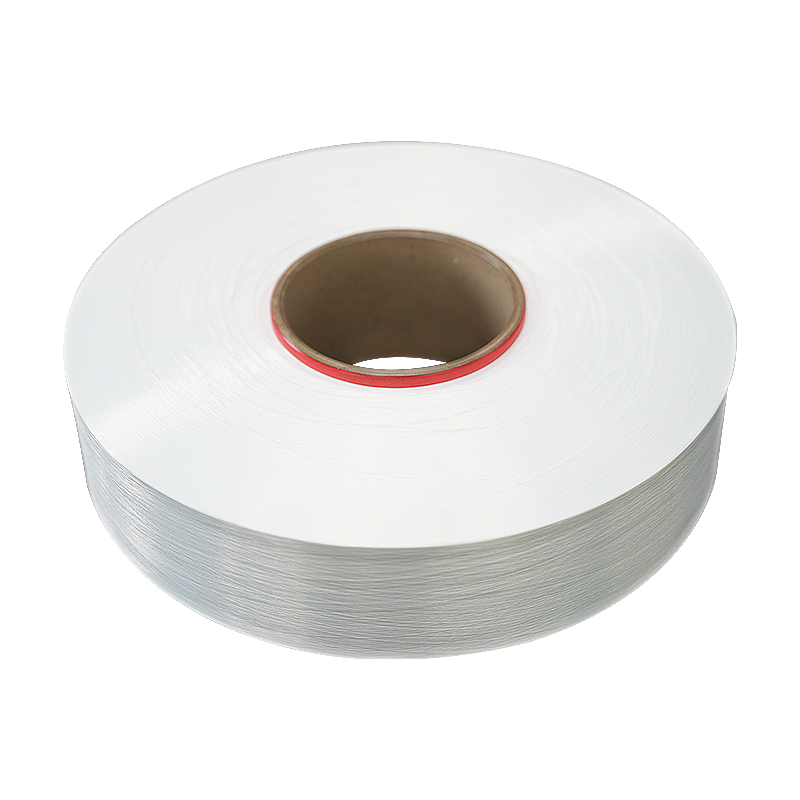
Polyester blended FDY yarn is a standard 50D yarn made from a blend of polyester and nylon. It combines the characteristics of both fibers and has durability and breathability. It has a wide range of ...
See Details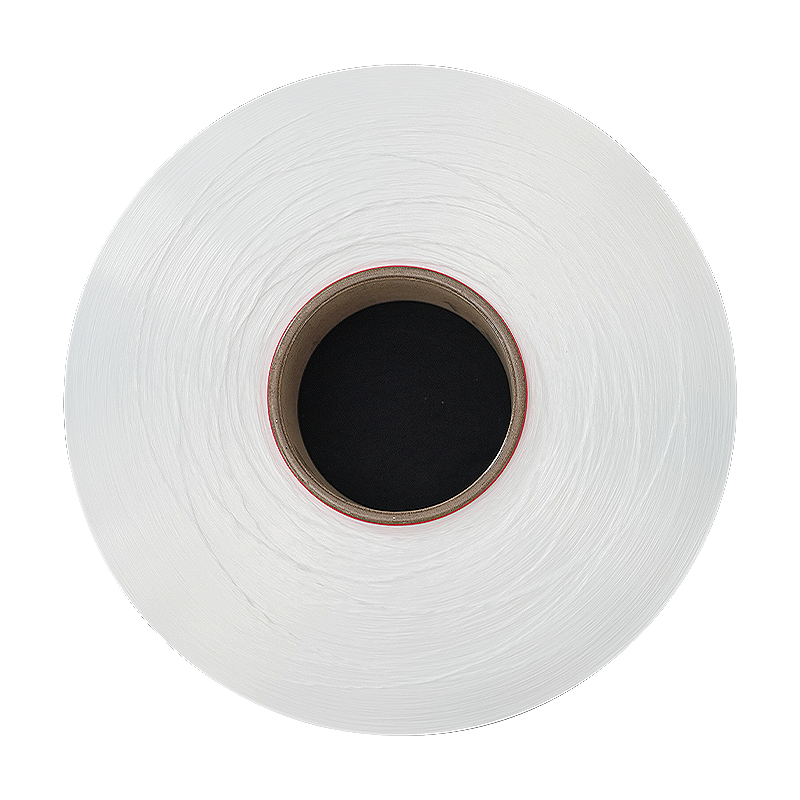
Durable composite nylon yarn has stretch and recovery properties, providing the necessary comfort, fit, and flexibility for clothing and textiles. Made of a blend of nylon fiber and polyester fiber, i...
See Details
Nylon composite yarn has high strength and toughness. Textiles made with Nylon composite yarn have good stretch resistance and tear resistance. This yarn has a wide range of applications and can be us...
See Details
Water-repellent high Filament spun yarn has strong water resistance, providing an extremely delicate touch while retaining strength. Suitable for a wide range of applications from intricate embroidery...
See DetailsAddress: Duntou industrial park, haian county, nantong city,jiangsu province ,China.
TEL: +86 15850491859
E-mail: sales-betty@hsnylon.com
If You Are Interested In Our Products, Please Consult Us
 Wholesale Nylon Filament Yarn Manufacturers